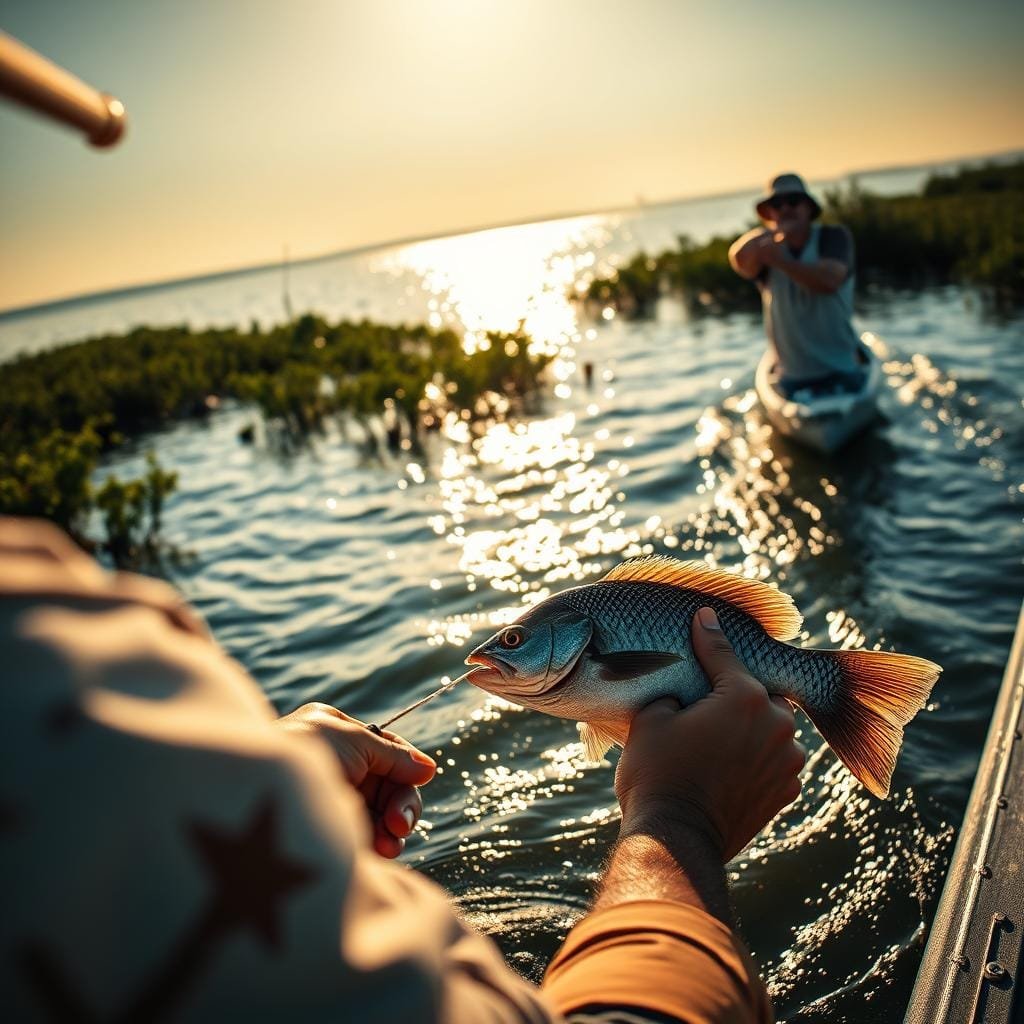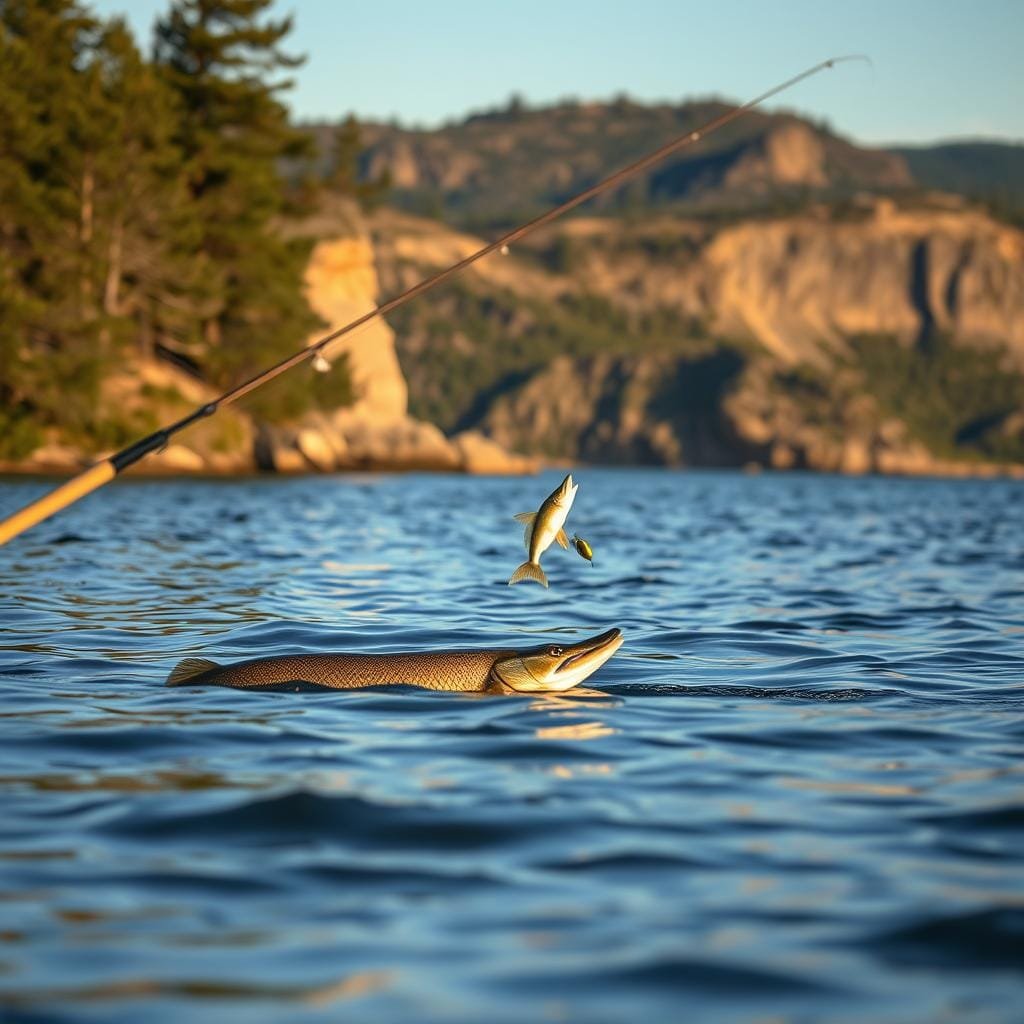
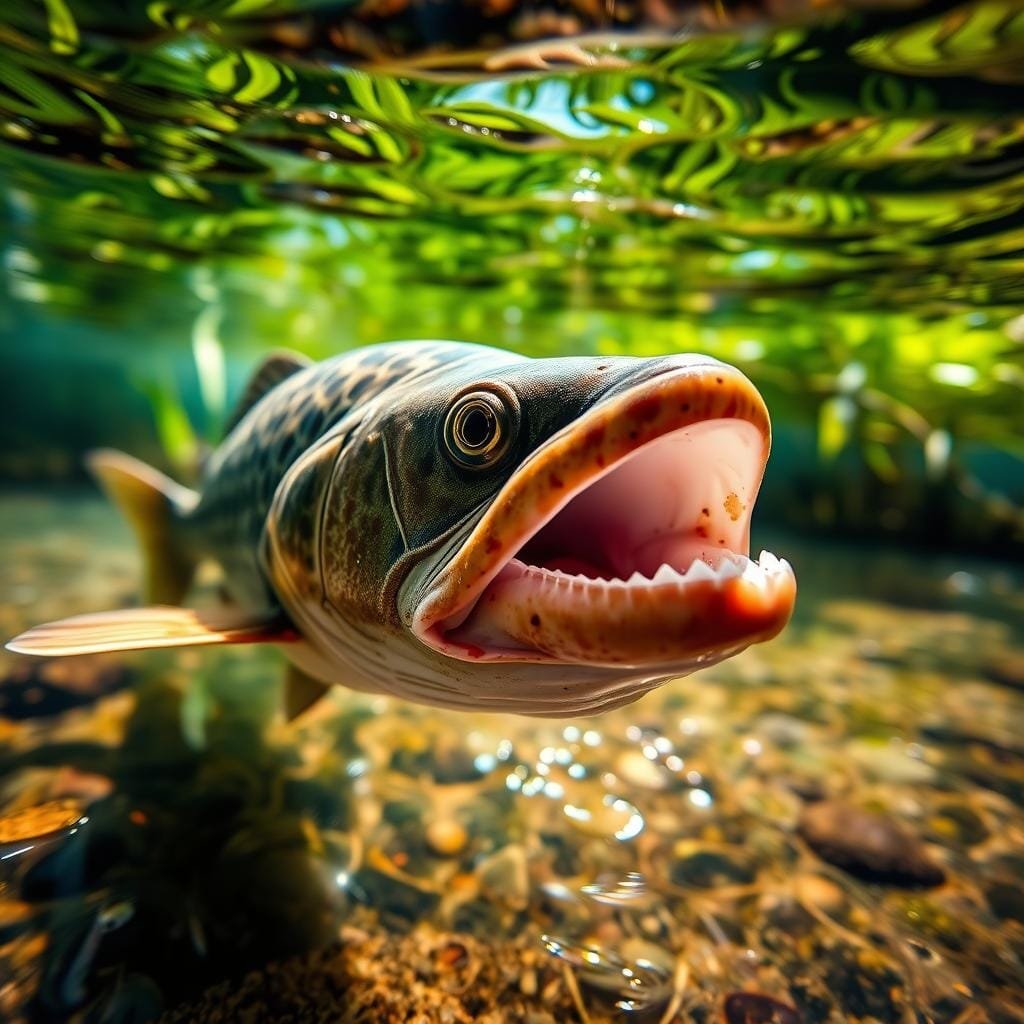
Wondering what warmouth eat? It’s simple: they hunt what they see and can eat. They eat insects, crayfish, and small fish. They strike fast from hiding spots.
Biologists say they eat tiny zooplankton to minnows. This makes them good eaters in murky, weedy water.
Young warmouth start with tiny food like microcrustaceans and insect larvae. As they grow, they eat crayfish, shrimp, isopods, mollusks, and fish. Adults can be 4 to 10 inches long.
They live in lakes, ponds, swamps, and quiet places. They are found from the Great Lakes to the Atlantic and Gulf. In places like Florida, thick vegetation helps them.
This cover helps them avoid predators like bigger fish and snakes. They also avoid turtles, alligators, and birds. They use this cover to ambush their prey.
Thanks to their lungs, they can handle low oxygen and some dirtiness. This makes their diet wide and opportunistic. In short, their diet is as lively and dense as their habitat.
Warmouth diet at a glance: insects, crayfish, and small fish
Warmouth eat a lot of things. They like insects, crayfish, shrimp, isopods, small mollusks, and young fish. They stay hidden in weedy places, ready to strike fast.
Sight-feeding behavior and ambush tactics
Warmouth use their eyes to find food. They hide near stumps and then jump out to catch prey. Their big mouths help them eat fast.
They do best in clear water. In places like slow rivers, they can see well. This helps them catch insects and small fish quickly.
How vegetation density boosts feeding success
Thick plants help warmouth hide and find food. The plants guide prey into their path. This makes it easier for them to catch food.
More plants mean more food. The plants are also homes for tiny animals and fish. This means more food for warmouth.
When warmouth feed most actively
Warmouth eat most when it’s not too bright. They like to hunt at dawn and dusk. They also hunt in the middle of the day if it’s shady.
In the spring, they eat more when they’re guarding their nests. They make quick attacks to protect their area. In murky water, they rely on their sense of smell and hiding spots.
What does warmouth eat
Warmouth eat what they can see and grab fast. They like to eat mayfly nymphs, dragonfly larvae, and beetles. They also eat snails, crayfish, freshwater shrimp, isopods, and small fish like minnows.
Young fish start with tiny food like zooplankton. As they grow, they eat more insects and crayfish. Adults eat mollusks and fish hiding in plants.
They live in places with lots of plants, like Florida lakes. Dense weeds help them find crayfish and baitfish. This lets them hunt in low-oxygen water, too.
For a quick look at what they eat, see this warmouth diet overview. It shows young fish eat insects and adults eat more. This pattern is true in ponds, swamps, and creeks.
Juvenile vs. adult warmouth: changing diets through life stages
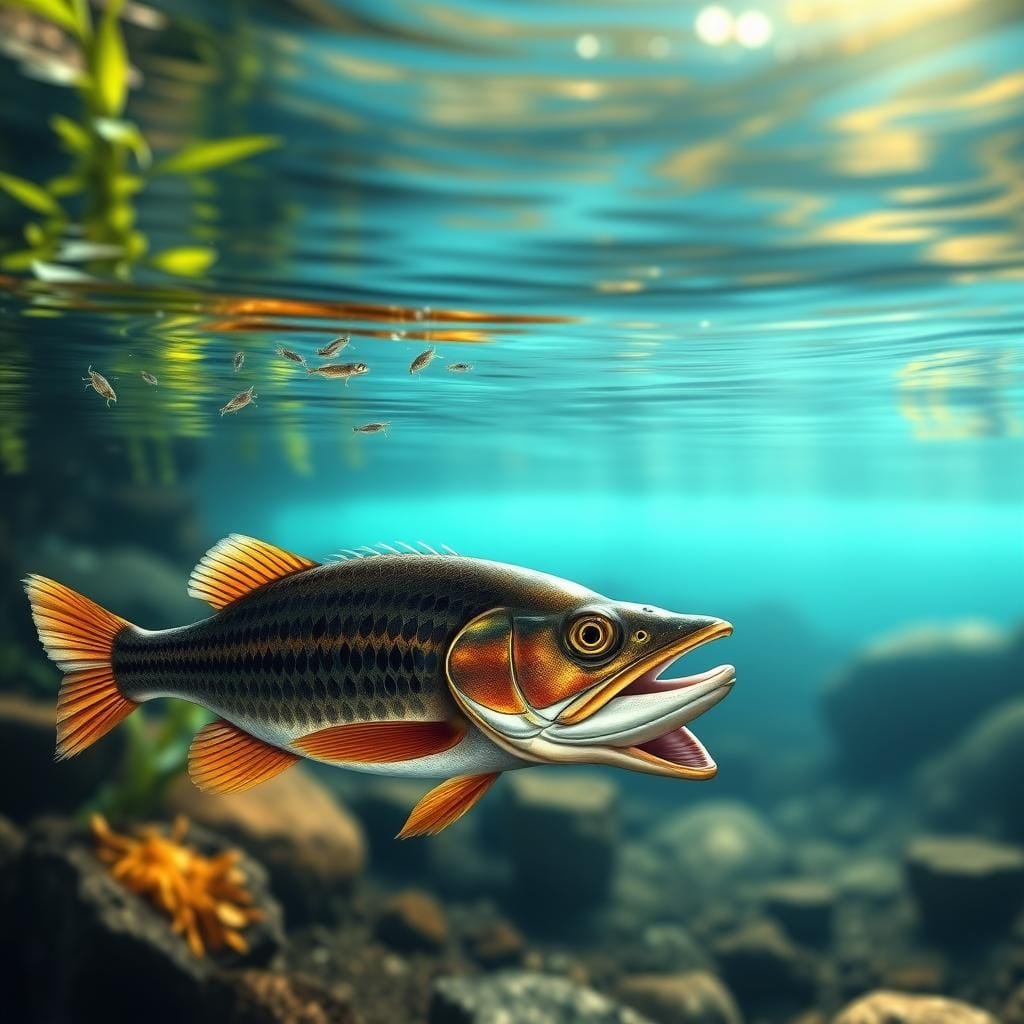
Warmouth fish change what they eat as they grow. Young ones start with small food, then eat more as they get bigger. This change helps them grow and learn to hunt.
Young warmouth: zooplankton and aquatic insect larvae
Fry hide under leaves and gravel. They eat tiny creatures like zooplankton and midge larvae. This diet helps them grow fast.
Shifting to larger prey: crayfish, freshwater shrimp, isopods, and fish
As they grow, they start eating bigger things like crayfish and small fish. This change lets them eat more in deeper water. Adults eat more crustaceans and fish at dusk.
Growth, maturity, and how size influences prey choice
By 3–4 inches, many warmouth are ready to have babies. Males grow faster. This means they eat more energy-rich food like fish.
- Early stage: small gape favors zooplankton and insect larvae in shallow weeds.
- Transitional stage: improved strike timing opens crayfish and shrimp in cover.
- Mature stage: body size and power drive fish-heavy choices and efficient foraging.
Habitat-driven feeding: where warmouth find their meals
Warmouth find food by staying in slow water with lots of cover. In their homes, less water movement means more energy for quick movements. Clear spots make it easier to catch fish, and tight spots guide them to where they can find food.
Weedy ditches, swamps, oxbows, and quiet backwaters
Weedy ditches, Missouri Bootheel sloughs, and quiet river backwaters are great for them. These places have food, shade, and soft edges where small animals gather. Oxbow lakes and borrow pits have calm spots that make it easier to find and catch prey.
Why clear water and submerged vegetation matter
Clear water lets warmouth see their food, like insects and small fish. Dense plants hold lots of small animals in a small space. This makes it easier for warmouth to catch their prey quickly.
Stumps, brush piles, and entanglements as hunting cover
Stumps, brush piles, and tangled roots trap bait, making it easier to catch. These spots break the current and hide the warmouth. They can quickly move in and out of these spots to catch prey without being seen.
| Location Type | Key Features | Feeding Edge | Best Situations |
|---|---|---|---|
| Weedy ditches and swamps | Low flow, shade, organic mats | Tight lanes for quick strikes; reliable warmouth feeding locations | Late spring to early fall, stable water levels |
| Oxbows and backwaters | Side channels, slack pockets | Concentrated forage near drop-offs and edges | After floods recede, calm weather windows |
| Submerged vegetation beds | Coontail, milfoil, and pondweed | High prey density plus concealment in submerged vegetation | Clear to lightly stained water, sunny periods |
| Stumps and brush piles | Hard cover, shade pockets | Prime ambush cover with short pursuit distance | Any season with moderate visibility |
Regional notes: warmouth across the eastern and southern United States
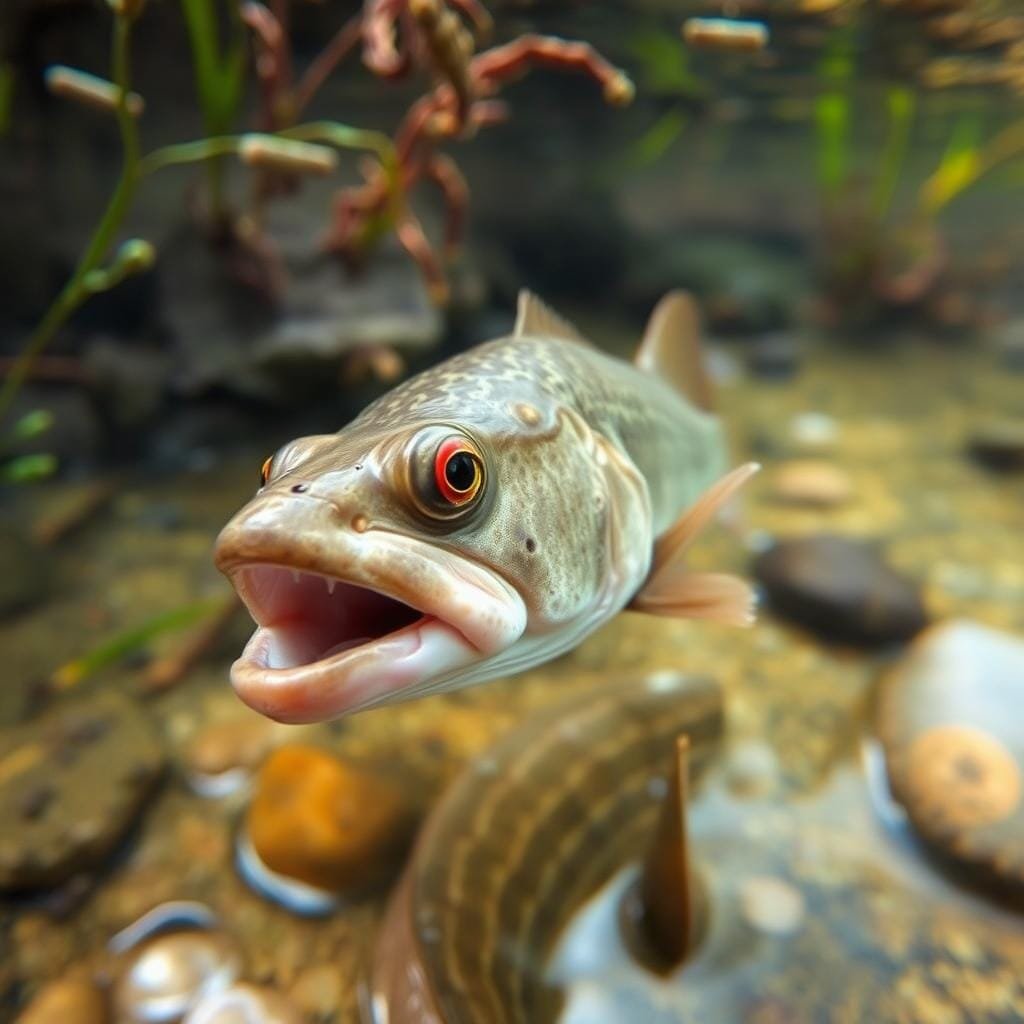
The warmouth range goes from western Pennsylvania to Minnesota. It then moves south to the Gulf of Mexico. This sunfish also lives in the Atlantic and Gulf drainages from Virginia to Texas and New Mexico.
In southern Canada, warmouths live in backwaters and vegetated bays. Anglers find them near brush and edges. This is similar to where they are found in the Midwest and Carolina swamps.
In Missouri, warmouths were first found in the Bootheel and Ozarks. The Bootheel warmouth spread with impoundments and stockings. These stockings included “goggle-eye,” which included warmouths.
Today, Great Lakes warmouths live in sheltered places. They like harbors, canals, and quiet tributaries. They also live in Texas reservoirs, Louisiana bayous, and Florida ponds.
Warmouths can be found in farm ponds and slow rivers. They like weedy ditches, cypress sloughs, and impounded coves. These places have crayfish, insect larvae, and small fish for them to eat.
Looking for a Bootheel warmouth near submerged stumps? Or a Great Lakes warmouth along riprap and docks? The same things work: dense cover, gentle flow, and stained water. These conditions are perfect for an eastern US sunfish to hunt.
Prey specifics: insects, mollusks, and crustaceans on the menu
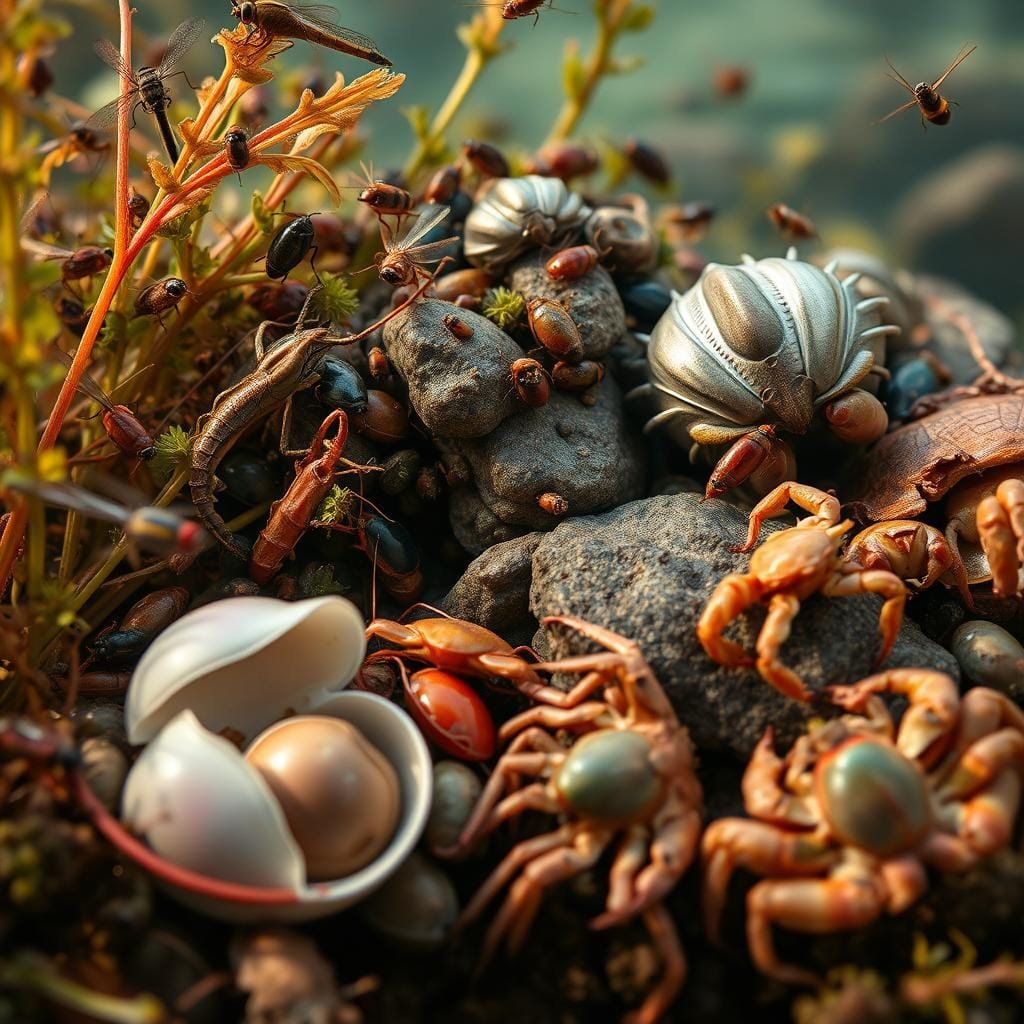
Warmouth fish eat small, high-energy foods found near stumps and weeds. They change what they eat based on the season and where they can hide. They eat insects, crustaceans, and mollusks, using what the water gives them.
Common aquatic insects and larvae taken by warmouth
In weedy shallows, dragonfly and damselfly larvae are easy prey. They cluster on stems and leaves, making quick ambushes successful. Beetle larvae and water boatmen are also caught when currents bring food to quiet spots.
In warm months, the surface is full of hatching insects. Warmouth fish eat these insects near the surface. This gives them steady food when fish fry are rare.
Crayfish and freshwater shrimp as high-value prey
As warmouth grow, they start to eat bigger prey. Crayfish in roots and rock seams are a main food source. They grab crayfish with their pincers and swallow them head-first.
Freshwater shrimp are common in plant-rich waters. They are fast and full of soft tissue and lipids. Warmouth eat them near brush piles, where ambushes are more likely.
Mollusks and isopods: when and why they’re eaten
Isopods live in leaf litter and wood debris. They become prey when the current slows, like after a storm. This steady food fills the gaps between bigger meals.
Adult warmouth also eat clams and snails. They have strong teeth to crush these mollusks. This flexible diet keeps their energy intake steady in different waters.
| Prey Type | Primary Habitat | Why Warmouth Target It | Seasonal Peak |
|---|---|---|---|
| Aquatic insect larvae (dragonfly, midge, mayfly) | Weed beds, macrophyte stems, calm margins | High availability; easy ambush; reliable protein | Spring to early summer hatches |
| Crayfish | Roots, rocks, stumps, brush piles | High calories; predictable shelters; supports crayfish diet sunfish behavior | Late spring through fall |
| Freshwater shrimp | Vegetated swamps, oxbows, backwater channels | Soft-bodied freshwater shrimp prey; rich in lipids | Summer blooms and stable flows |
| Mollusks (small snails, juvenile clams) | Muddy flats, shell patches near cover | Durable fallback; adults can crush and digest; supports warmouth mollusks intake | Late summer and cool periods |
| Isopods | Leaf litter, submerged wood, shaded banks | Abundant in debris; easy to grasp; complements warmouth crustaceans diet | Year-round with spikes after high water |
Feeding in tough conditions: low-oxygen waters and turbidity
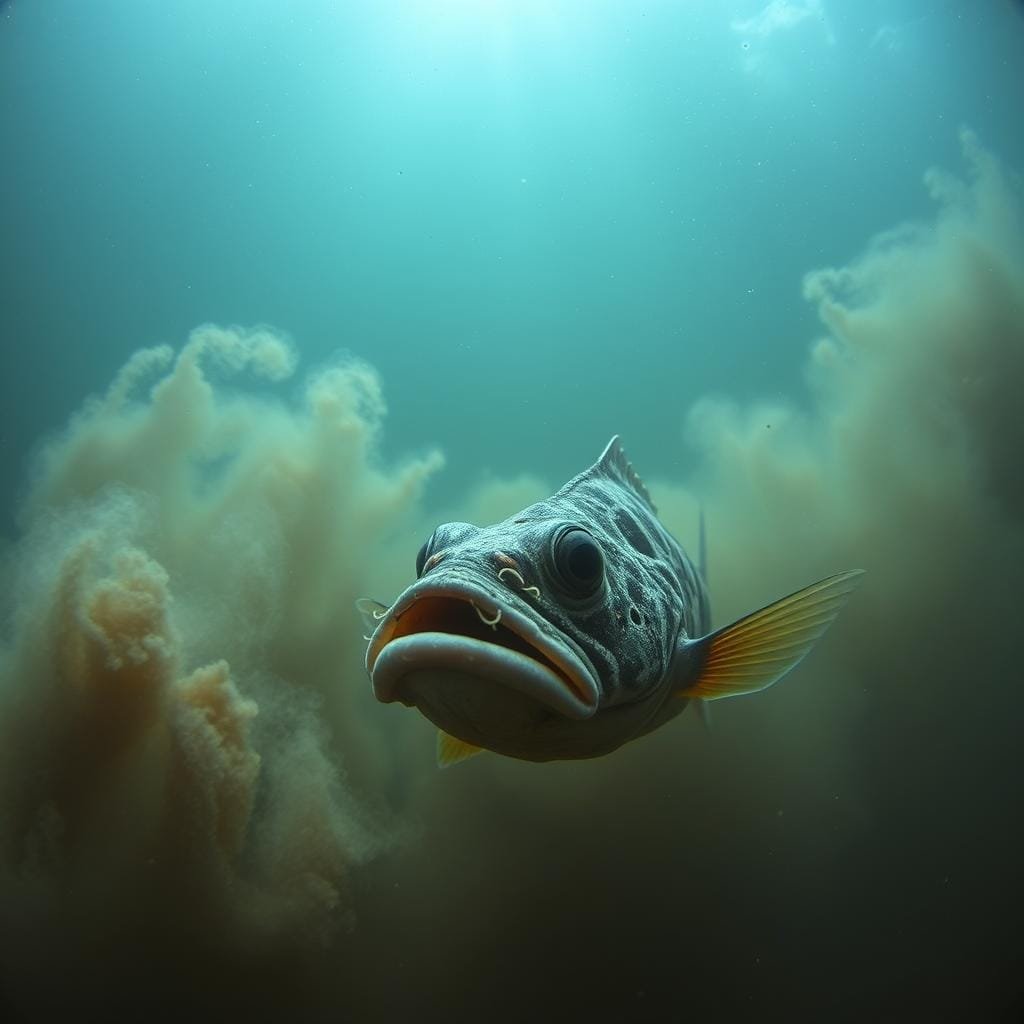
Warmouth turn harsh ponds and backwaters into hunting grounds. They can eat even when oxygen is low and water is cloudy. This lets them find more food than other sunfish in murky waters.
They like to be near edges, roots, and brush. When water gets murky, they use these spots to find prey. They can hit their mark even when they can’t see well.
How warmouth outcompete other sunfish in poor water quality
In hot spells and storm runoff, many fish slow down. Warmouth keep going. They are good at catching crayfish, insect larvae, and minnows in cover.
They use structures like riprap and dock pilings to catch prey. Even when water is murky, they can find and catch food.
Macrophyte availability as a key factor in biomass and density
Vegetation changes the game. In Florida lakes and Southern reservoirs, plants help warmouth thrive. Plants trap oxygen and attract insects, making it easier for warmouth to find food.
Thick plant beds offer hiding spots and nesting areas. This makes it easier for warmouth to find and eat prey. Even when water is murky, these plants keep warmouth feeding well.
Where plants meet wood or rock, it’s the best spot. Warmouth can sit tight and catch prey even with short sight. In areas with lots of plants, these spots stay busy all season.
Warmouth and small fish: predation on minnows and sunfish
Warmouth fish have big jaws and strong bodies. They love to eat small fish like minnows and young sunfish. They find these fish in places where it’s hard for them to escape.
Ambushing near structure and edges
They hide near things like stumps and weeds. When a small fish comes by, they quickly grab it. This is how they catch their prey.
Edges of plants are like paths for minnows. Warmouth fish watch for them and strike fast. They use the plants to help them catch their food.
- Prime zones: stump fields, laydowns, and thick hydrilla walls
- Trigger: baitfish crossing gaps or tip-toeing past brush
- Tactic: hold stil, lunge once, then reset
Seasonal shifts in piscivory
In warm months, warmouth fish eat more. This is because there are more young fish around. They catch bigger fish as they get older.
When there are fewer crustaceans, they eat more fish. They also eat insects and other small animals. You can read more about what they eat on this page. They catch minnows in quiet places near the water’s edge.
- Peak strikes: post-spawn into late summer in slow, weedy water
- Best windows: warm afternoons with roaming schools near brush
- Backup forage: crayfish, amphipods, and insect larvae when fish disperse
Spawning season behaviors that affect feeding
When water is around 70–71°F in late spring, warmouth spawning starts. It happens on shallow flats and creek edges. Males make disc-shaped bowls 1.5–4 feet deep on gravel or rock near stumps and weeds.
During the build and guard phase, feeding drops. Males defend their nests by flaring gills and chasing intruders. Strikes are sharp and short, mostly to chase away crayfish, minnows, or other sunfish.
Warmouth usually make single nests, unless they have to in tight spaces. Eggs hatch quickly, and males guard them for up to five days. After fry scatter, adults start to ambush prey again, focusing on structure.
For anglers and field observers, timing is key. Look for cleared bowls near brush and aggressive posturing. Expect few bites tied to territory. As mornings warm up and fry hide, feeding patterns change, showing the rhythm of warmouth spawning.
Predators of warmouth and how that shapes their foraging
Warmouth face danger from above and below. This pressure changes where and how they eat. They hide in structure, move carefully, and keep paths open.
In places full of weeds, many predators lurk. These include catfish, bass, snakes, turtles, alligators, and birds. The calm waters and thick plants make it hard for them to find food.
But, the fish have a plan. They hide on stumps, in brush, and near rocks. This lets them quickly hide from danger.
Larger fish, snakes, turtles, alligators, and birds
Big predators like bass and catfish attack quickly. Snakes and turtles look for food in shallow water. Herons grab fish right at the surface.
At dawn and dusk, when it’s harder to see, the danger is even greater. Warmouth quickly dart away and chase after food. This keeps them safe.
When they spawn, they become brave. They defend their nests from predators. But, they are safest when hiding in structure.
They use fast exits into brush and vertical slips into plants. This way, they can eat and avoid danger at the same time.
Using cover to balance feeding and avoiding predation
Cover helps them in two ways. It hides them from predators and lets them sneak up on prey. The ambush strategy is simple: stay hidden, watch for prey, strike, and then hide again.
In dense plants, they can move sideways or down quickly. This lets them switch between hunting and hiding fast. They stay safe while also finding food.
Tips for anglers: matching the hatch to a warmouth’s diet
Think small and natural. To catch warmouth, fish where food is. Look for weed edges, stumps, and brush piles. Also, try undercut banks.
In backwaters, oxbows, and weedy ditches, put bait close to cover. Let it pause. Small jigs, soft-plastic crayfish, and micro swimbaits work well. Nymph-style flies are also good.
Use lures that look like local food. Crayfish and shrimp patterns are great around wood and rock. Tiny spinners or small streamers mimic minnows well.
Warmouth are sight feeders. Fish in clearer windows, shade lines, or at dawn and dusk. They’ll hit bait in dingy water if it’s near structure and moved slow.
Look for slow-current zones in lakes, ponds, swamps, and quiet stream bends. These are classic warmouth habitats. For fishing in vegetated cover, use a 1/16- to 1/8-ounce jig with a compact trailer.
Carry a simple kit with insects, crustaceans, and small fish imitations. A box of hair jigs, soft-plastic craws, and micro paddletails is good. Add a few nymphs or small streamers. This keeps your presentation versatile and fast to adjust.
Match color to water. Use natural hues in clear water and darker profiles in stained water. This way, you’ll stay on bites with confidence.
FAQ
What does a warmouth eat?
Warmouth eat many things. They like insects, crayfish, shrimp, isopods, mollusks, and small fish. Young ones start with tiny food, then eat bigger things as they grow.
How do warmouth hunt as sight feeders?
They hide and then jump out to catch food. They like clear water but can hunt in murky water too. They use places like stumps and weeds to hide.
Does vegetation density affect warmouth feeding success?
Yes, it does. Thick plants help them find food and hide. Studies show more plants mean more warmouth because it’s better for finding food and nesting.
When are warmouth most active feeders?
They are most active in the early and late day. After they spawn, they eat more. Males might eat less while defending their nests.
What do juvenile warmouth eat compared to adults?
Young ones eat small things like zooplankton and insects. Adults eat bigger things like crayfish and fish. This is because they grow and get better at hunting.
How does size and maturity change their prey choices?
Bigger warmouth eat bigger prey. They like crayfish and fish for more food. Males grow faster and eat more fish, too.
Where do warmouth find most of their food?
They find food in slow places with lots of cover. This includes weedy ditches and ponds. They like quiet places with little current.
Why do clear water and submerged vegetation matter?
Clear water helps them see better. Plants give them places to hide and find food. Together, they make hunting easier.
What kinds of structure do warmouth use to hunt?
They use stumps, brush, and weeds to hide. These places help them sneak up on prey. They also help them avoid being caught.
Where are warmouth found in the United States and Canada?
They are found in many places. This includes the Great Lakes and the Mississippi River. They like slow places with lots of plants.
Which aquatic insects and larvae do warmouth commonly eat?
They eat many insects and larvae. This includes mayflies and dragonflies. They also eat beetles and water boatmen.
Why are crayfish and freshwater shrimp such valuable prey?
They are high in energy and easy to find. Warmouth like them because they are good to eat. They are found near plants and rocks.
When do warmouth eat mollusks and isopods?
Bigger ones eat snails and clams when they can. Isopods are important when there’s not much else to eat. They live in backwaters.
How do warmouth outcompete other sunfish in low-oxygen or turbid waters?
They can handle bad water better than others. This lets them live in places where others can’t. They find food near plants and rocks.
Is macrophyte availability tied to warmouth numbers?
Yes, it is. Plants help them find food and hide. This makes them more likely to live in places with lots of plants.
Do warmouth eat other fish like minnows and young sunfish?
Yes, they do. They eat small fish when they can. They have big mouths and can eat minnows and young sunfish easily.
How do they ambush small fish near structure?
They hide near stumps and then jump out to catch fish. Places with current help them catch fish. They also use weeds and shadows.
Are there seasonal changes in warmouth piscivory?
Yes, there are. They eat more fish after they spawn and in the summer. When water is clear or bait is near, they eat more fish too.
How does spawning season affect feeding behavior?
When it’s time to spawn, males build nests. They defend these nests and eat less. After the fry leave, they start eating again.
What predators do warmouth face, and how does that shape feeding?
They face many predators. This includes bigger fish and birds. They stay hidden and ambush prey in safe places.
How does cover help warmouth avoid predators while feeding?
Cover helps them hide and sneak up on prey. It also gives them places to escape. This makes hunting safer for them.
What are good lure choices to match a warmouth’s diet?
Use small jigs and soft plastics that look like crayfish. Micro swimbaits and tiny spinners work too. Try them near plants and wood.
Any tips for timing and presentation for warmouth?
Fish slow edges in the early and late day. Clear water helps them see better. But they’ll also bite in murky water near cover. Use baitfish patterns after they spawn.