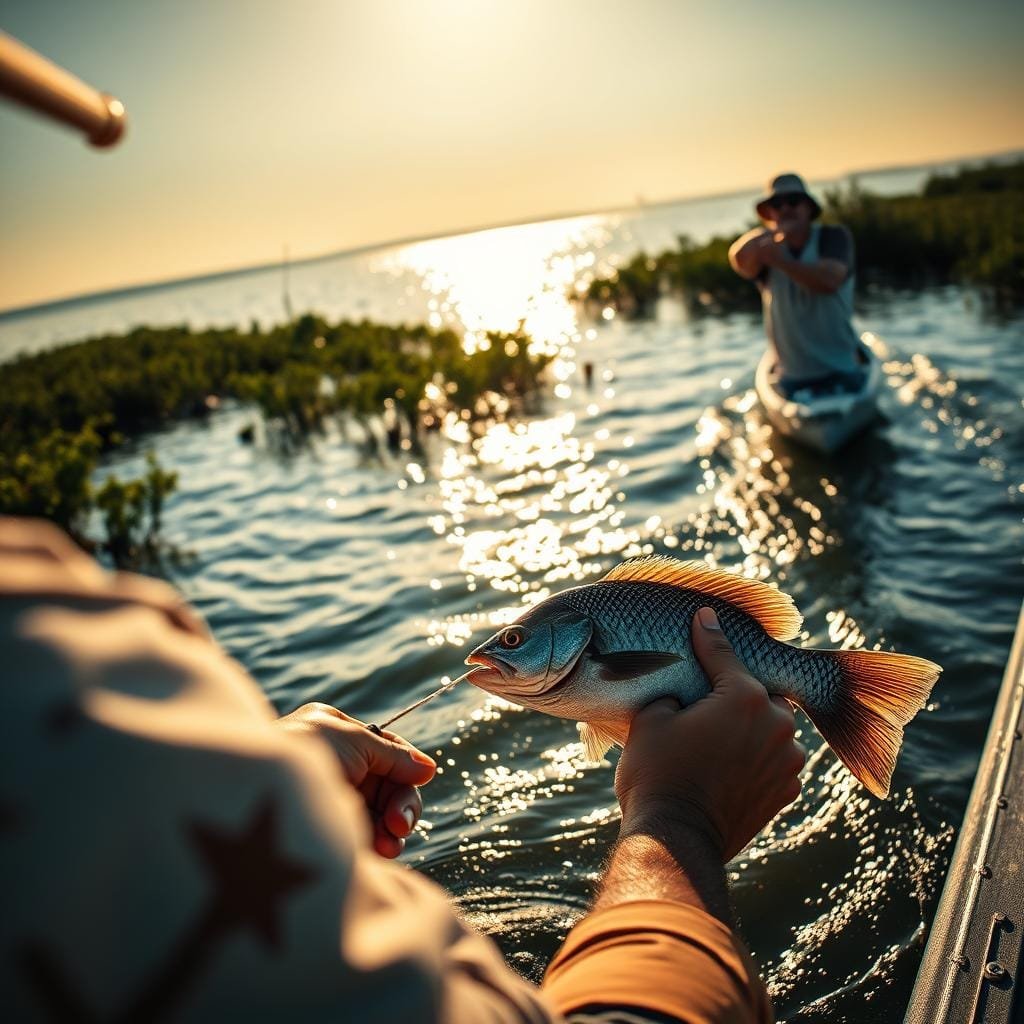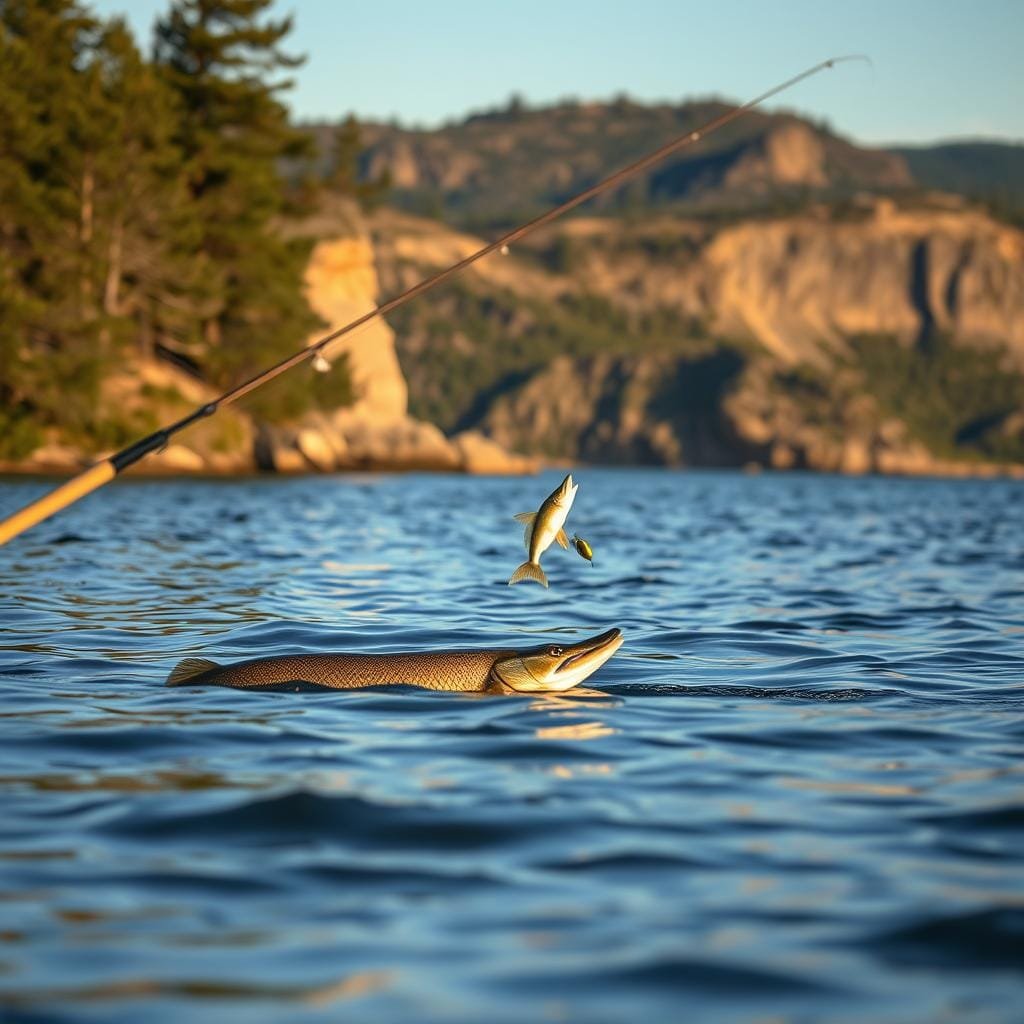
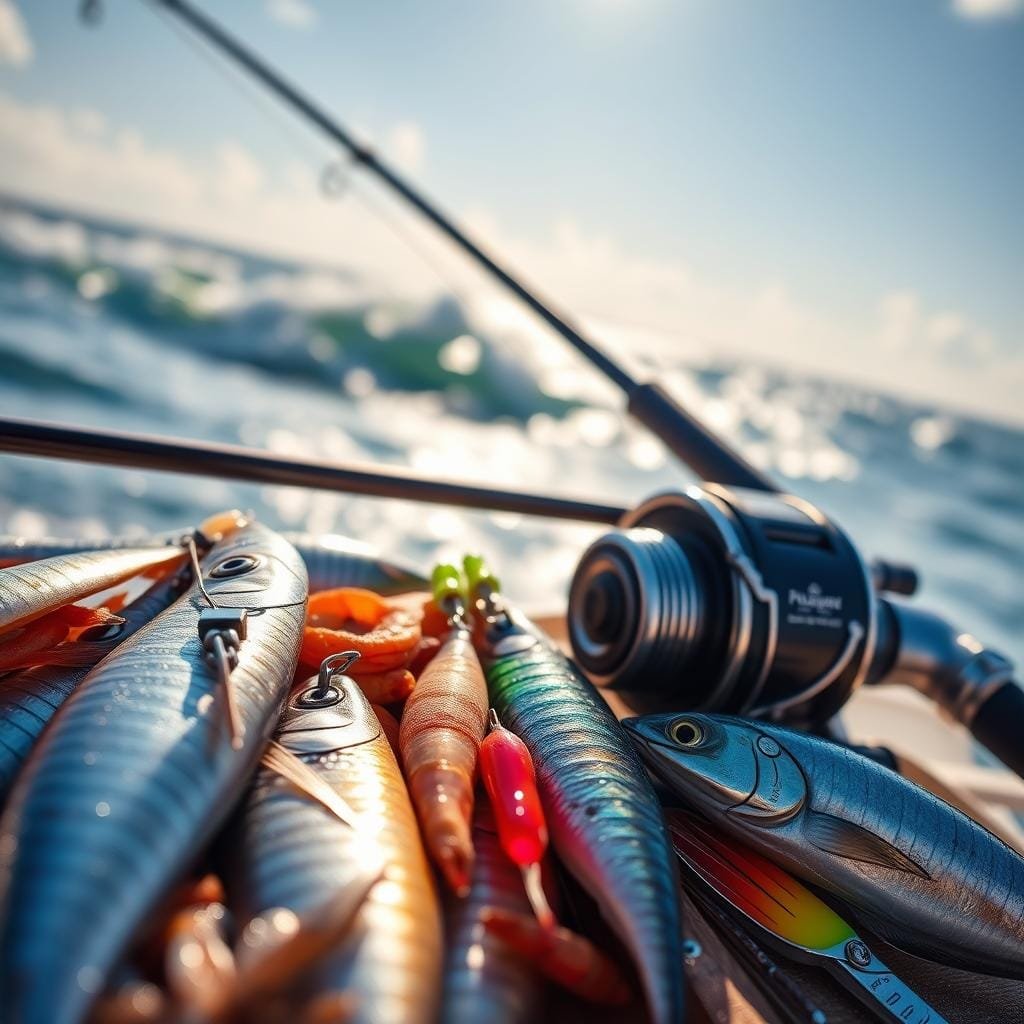
Finding the best bait for bonito means matching their favorite foods. When warm Gulf Stream water hits the coast, bonito go crazy. In the U.S. Northeast, small and shiny baits are key.
Bay anchovies, silversides, and sandeels are top choices. Add peanut bunker and tinker mackerel to the list. The rule is simple: use tiny baits, move them fast, and don’t stop.
For live bait, anchovies and silversides work best at dawn. Many anglers catch a lot of bonito then. But as the sun gets higher, the bites slow down.
When it gets windy or choppy, use epoxy-style lures. Hogy Epoxy Minnows and Surface Erasers stay afloat well. Pair these with small metals like Deadly Dicks, Kastmasters, and Al’s Goldfish for long casts.
These lures are great for catching bonito. They work well when schools of fish attack.
Make sure your lures look like the real thing. Use green or blue backs with silver bellies for anchovies and sandeels. White mirrors work for peanut bunker. Move the lure fast with short pauses to attract bonito.
This trick works well in many places. For a report on catching bonito in Rhode Island, check out this bonito bite recap.
When fishing, keep a small kit with you. Include metals, an epoxy minnow, and a slim swimmer. This kit covers the basics and lets you move around easily.
Understanding Atlantic Bonito Behavior and Seasonal Patterns
Atlantic bonito migration shapes where and when we fish from Cape Cod to New Jersey. Look for warm pushes along inshore rips and edges. This is because bonito seasonal patterns depend on bait, current, and the Gulf Stream 70-degree water.
When bonito arrive inshore and when they leave
Bonito come inshore by mid to late July. This is when the Gulf Stream 70-degree water gets near the beaches and rips. They stay until August and September in most years.
As nights get cooler, they leave in late October. They often disappear by early November, heading back offshore.
Water temperature sweet spot and Gulf Stream influence
The key is around 70 degrees. Warm Gulf Stream water meets cooler nearshore flow. This creates bait lines along edges and tide seams.
These edges attract bonito, more so on moon tides when the push is strongest.
How speed and ram ventilation affect feeding behavior
Bonito can go over 40 mph. They must swim to breathe, so they feed on the move. They eat prey whole.
Fast, steady retrieves with compact offerings match their rhythm. This mirrors how they slash through pods without pausing.
Common baitfish bonito chase along the U.S. Northeast coast
The main menu for bonito includes silversides, bay anchovies, and sandeels. Young tinker mackerel, peanut bunker, and butterfish are also on the list. Size matters: start with one to three inches early, then increase as bait grows.
Color changes with light and water clarity. But natural chrome, olive, and bone stay reliable through the Atlantic bonito migration.
| Trigger | What to Watch | Why It Matters | Best Response |
|---|---|---|---|
| Inshore Arrival (July–August) | Stable Gulf Stream 70-degree water near rips | Concentrates bait along edges and seams | Fish dawn tides; run-and-gun schools on calm mornings |
| Peak Feeding Windows | Fast current, clean color lines, bird activity | Bonito seasonal patterns favor moving water | Use compact metals and slim swimmers at high speed |
| Late-Season Exit (Oct–Nov) | Cooling surface temps; retraction of warm bands | Schools slide offshore with bait | Target deeper rips; downsize to match small, tight baitballs |
| Forage Match | Silversides, bay anchovies, sandeels, peanut bunker | Bonito baitfish Northeast dictate lure profile | Natural chrome/olive; 1–3 inch profiles on fast retrieves |
Reading Birds, Current, and Structure to Find Schools Fast
Fast-moving fish leave signs on the water’s surface. Watch the water and the sky. Look for current seams. These signs help you find fish quickly and save time and fuel.
Tracking diving terns over bait balls
Look for bonito bird signs before you get close. Terns diving into the water mean bonito are there. Follow the terns to find the next spot.
Be ready to cast when you see the action. Bonito swim fast and hit your lure well when you throw near the action.
Targeting rip lines, drop-offs, and edges between fast and slow water
Look for where fast and slow water meet for bonito. This area funnels bait and fish. Depth changes and edges also attract fish.
Drift along the edge, not across it. If fish go up and down, stay put. Let them come to you instead of chasing them.
Best shore features: river mouths, jetties, break walls, and inshore islands
Current is strong near inshore features like river mouths. Jetties and break walls create paths for fast fish. Reefs and islands trap bait.
Move around these spots as the light changes and the tide moves. Look for bird signs and terns to find fish.
best bait for bonito
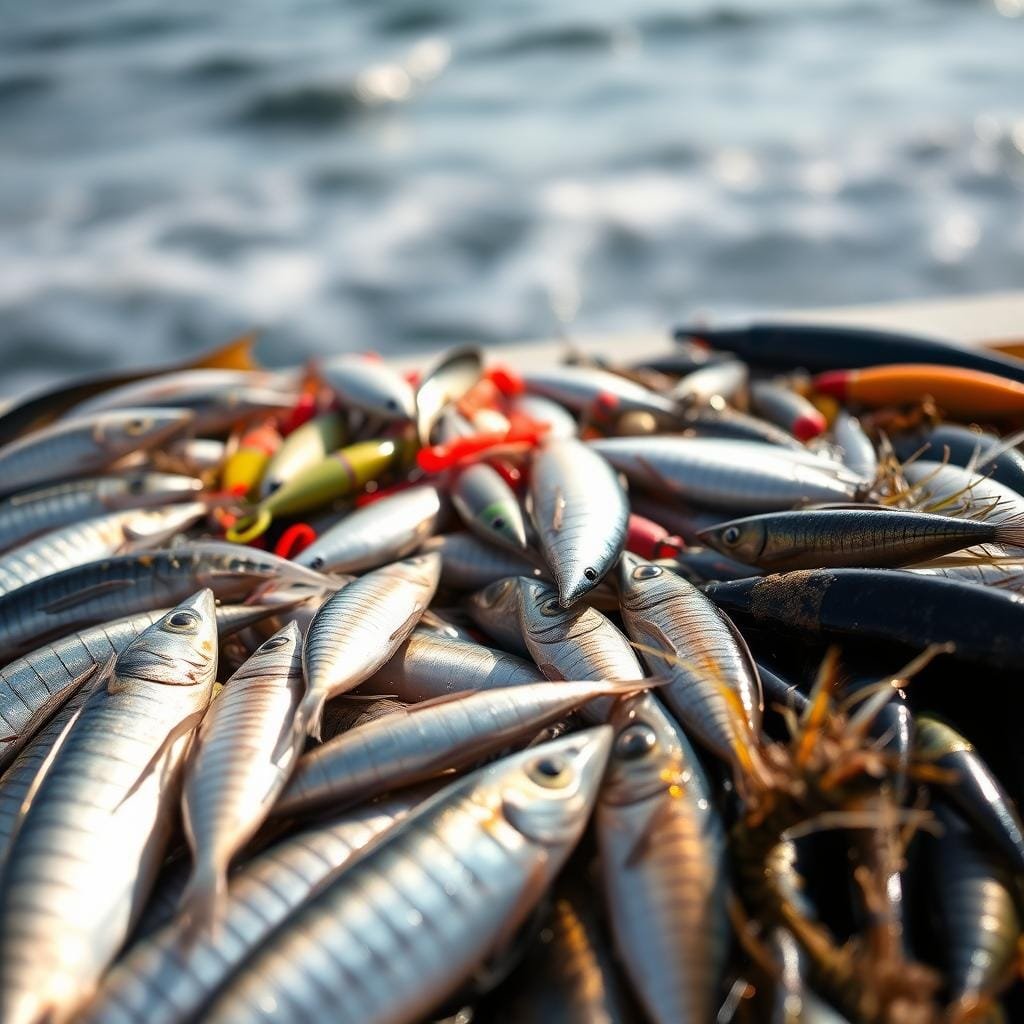
Find out what Atlantic bonito want today, not yesterday. Keep live bait, cut bait, and fast lures ready. This way, you can change quickly when they start eating.
Live bait standouts: anchovies, silversides, and peanut bunker
At first light, live bait is the best choice. Anchovies are great from Santa Monica to Montauk. Silversides and peanut bunker work well when fish are near the surface.
Hook live baits through the nose. This keeps them swimming naturally. Use light leaders and strong hooks from Owner or Gamakatsu.
Cut vs. live vs. artificial: when each shines
Bonito are fast, so live bait is best in low light. Cut bait moves slow and often gets ignored.
Artificial lures are best in windy conditions or when fish are far apart. Slim metals and epoxy minnows cover a lot of water. They cast far and keep you in the game.
Matching the hatch to sandeels, bay anchovies, and tinker mackerel
To match the hatch, use bait that looks like what you see. Use thin sandeels, small bay anchovies, and tinker mackerel with green or blue backs.
Choose lures that are narrow and have subtle colors. If fish miss, try a smaller lure and move faster to mimic fleeing bait.
| Bait or Lure | Best Use Window | Forage Imitated | Key Advantage | Pro Tip |
|---|---|---|---|---|
| Live bay anchovy | Dawn, slick calm | Bay anchovies | Ultra-natural look | Nose-hook with a size 2 circle to keep it lively |
| Live silverside | Low light, clear water | Silversides | Matches tiny profiles | Use 12–15 lb fluoro for stealth near surface feeds |
| Live peanut bunker | Overcast or around structure | Juvenile menhaden | Flash and thump draw strikes | Bridle rig to keep it swimming strong along edges |
| Epoxy minnow (Hogy, Albie Snax style) | Midday, windy chop | Anchovies, silversides | Long casts, durable finish | Olive back, 2–3 inch size to match tiny baits |
| Slim metal (Deadly Dick, Acme Kastmaster) | Roaming schools, fast current | Sandeels | High speed without spinning | Burn it just subsurface; switch to chrome/green in sun |
| Small stickbait/minnow plug | Surface feeds, edge rips | Tinker mackerel | S-shaped flash triggers chasers | Choose blue or olive back, 3–4 inches, tight wobble |
Hard Baits That Consistently Produce Bonito
From August to October, hard baits work best in clear water and bright sun. Use slim profiles, long casts, and fast retrieves. This keeps you in the bonito’s feeding area.
Stick jigs and metals: Deadly Dicks, Kastmasters, and similar profiles
Beach fronts and jetty tips are perfect for metal jigs. A Deadly Dick for bonito cuts through wind and reaches fish quickly. Kastmasters mimic sandeels or silversides, just like Al’s Goldfish Saltwater Series.
Cast fast and pause briefly to mimic fleeing bait. Use 1/2–1 ounce jigs for tight anchovies. Switch to single inline hooks for quick releases.
Slim swimmers and minnows for surface-feeding fish
For top-water action, slim minnow lures are best. Yo-Zuri Crystal Minnows or Rapala X-Rap have a tight wiggle. A steady burn with sharp twitches imitates injured bait.
In calm water, choose a subtle swimmer and a light leader. In windy conditions, a sinking minnow keeps you in the strike zone.
Color and size choices that mimic small forage
Match the hatch with green, blue, or brown backs over chrome. This mirrors bay anchovies and sandeels. Use 2–4 inch lengths for metal jigs and slim minnows when bait is small. Epoxy-like shine and polished finishes are key in clear water.
Carry a Deadly Dick and a Kastmaster in two sizes. Adjust sizes based on bait size and current speed.
Soft Plastics and Epoxy-Style Lures for Clear Water and Wind
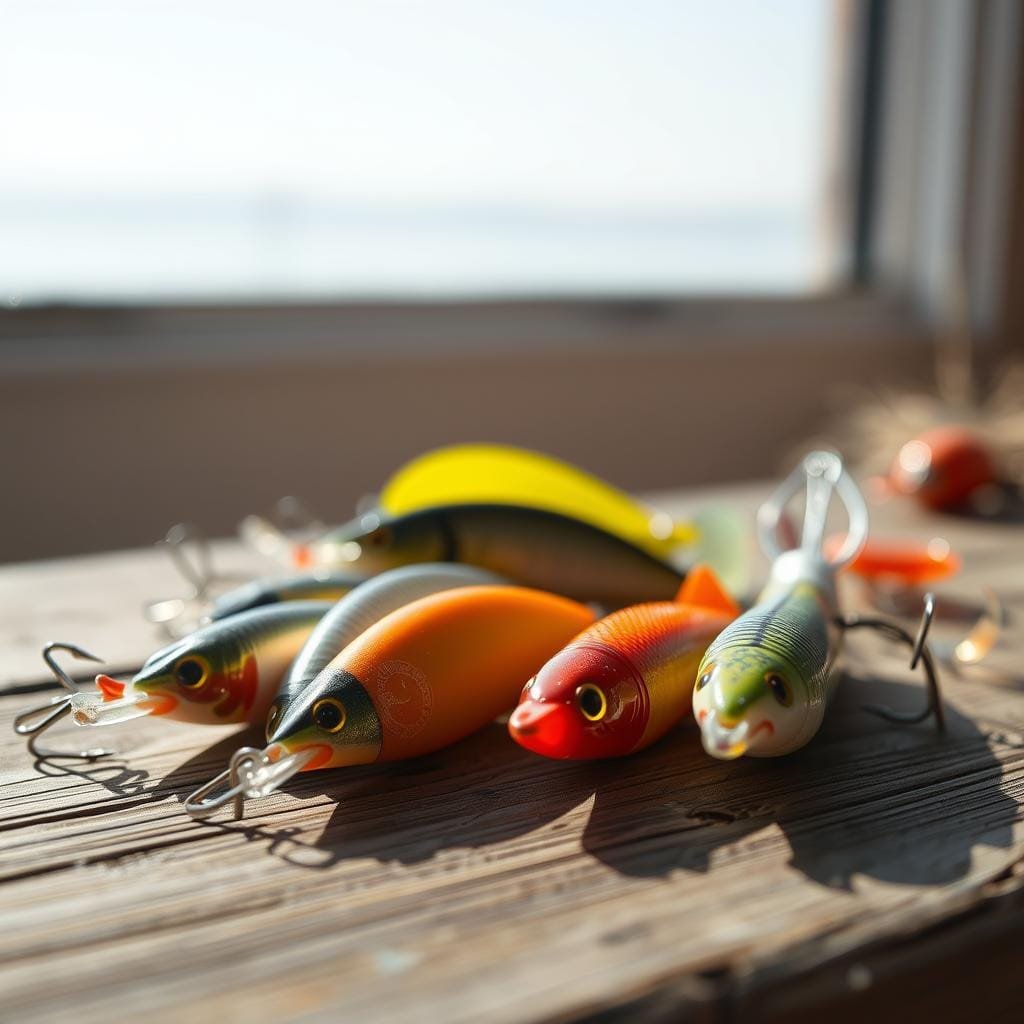
Clear water is perfect for seeing fish clearly. It also means you can cast far. When it’s windy, use epoxy lures that cast well.
On calm days, soft plastics work great. They move quietly and land softly.
Epoxy minnows and surface erasers for long casts
Wind in your face? Epoxy minnows are perfect. They go far and straight. The Hogy Surface Eraser skips well and stays visible.
Use natural colors to match the bait. In strong currents, crimp barbs for easy release. Keep your casts close to the water’s edge.
Albie-style soft plastics that also fool bonito
For fish near shore, slim lures are best. An Albie Snax bonito rig looks real. Cast past the fish and pop it back.
Use light leaders to stay hidden. A weightless hook helps you stay quiet over quiet spots.
Paddle tails and fluke-style baits for finicky fish
For picky fish, use small lures. JYG Pro or NLBN’s 3-inch paddle tails work well. Use small heads for shallow water.
A Zoom Fluke in cool water is great. It moves like a hurt baitfish. Add pauses and twitches for better results.
Fly Patterns That Match Tiny Forage
When albies blitz, slim profiles rule. Keep bonito fly patterns sparse, fast, and bright. This helps them flash without spooking fish in clear water. A tight fly fishing bonito setup is key. It has clean knots and quick line pick-up for every shot.
Clousers, Deceivers, Flatwings, Mushmouths, and epoxy baitfish
Start with a Clouser Minnow bonito in size 2–6. Make it slim so it tracks like a sandeel. Deceivers and Flatwings from Bob Popovics and Lefty Kreh give a long, thin silhouette. This silhouette holds in current.
A Mushmouth shines when bay anchovies pack tight under birds. An epoxy baitfish fly adds glassy sheen. This is great for sunny days and casts well into a headwind. You reach fast-moving schools.
Color matching to bay anchovies, sandeels, and silversides
Match greens and olives over white for sandeels. Blue-gray backs are good for silversides. For bay anchovies, pick tan or light brown tops with pearl bellies and sparse flash.
Rotate colors as light shifts. Keep bonito fly patterns translucent. Less material sinks quicker and holds the lane longer.
Line and leader setups for fast retrieves
Run an intermediate or floating line with a 10–12 foot fluorocarbon leader. This keeps you stealthy. A simple, direct fly fishing bonito setup helps you pick up line fast. Fire again when fish pop and vanish.
Strip fast and steady to mirror ram-feeding. Let the epoxy baitfish fly or Clouser track through the seam. Resist chasing; post up where the school circles back.
| Fly Pattern | Best Forage Match | Colors That Work | Ideal Conditions | Notes |
|---|---|---|---|---|
| Clouser Minnow bonito | Sandeels | Olive/white, chartreuse/white | Current seams, mid-water | Sparse bucktail sinks fast; jigging action on pause |
| Deceiver | Silversides | Blue-gray/white with pearl flash | Low chop, edge rips | Stable profile for straight, high-speed strips |
| Flatwing | Thin bait schools | Olive, sea green over white | Light wind, clear water | Long, breathable tail tracks true at speed |
| Mushmouth | Bay anchovies | Tan/pearl with subtle flash | Bird-driven feeds | Bulk forward, sparse tail mimics dense bait pods |
| Epoxy baitfish fly | Silversides, rain bait | Transparent pearl, blue-back | Sunny skies, long casts | Wind-cutting head; shines on fast, steady retrieves |
Timing and Light: Dawn Patrols, Low-Light Windows, and Tidal Swings
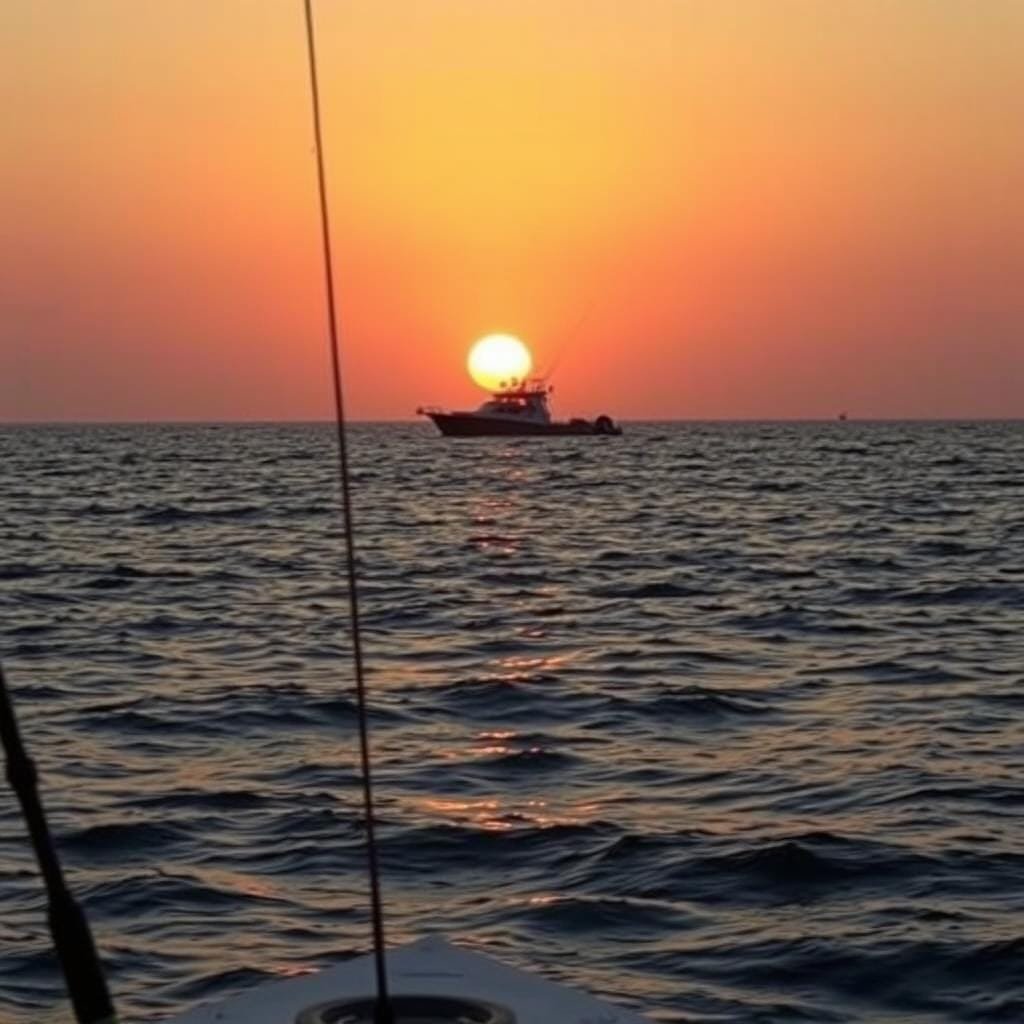
The best time for bonito is before the sun rises. Bait moves nervously and birds whisper where to cast. A sharp dawn bonito bite happens in a short time, then goes away as the sun gets higher.
Look for terns and fast shadows on the horizon. That means it’s time to run and cast far.
Low light feeding bonito like areas where fast water meets slow. As it gets brighter, use smaller lures and faster retrieves. When it’s too bright, switch to live bait or lures that look like epoxy, and keep moving.
Season is important. From mid to late July to early November, mornings are perfect. August to October has the best runs and surface feeds. If you can catch a falling or rising tide, you’ll do even better.
Current is key. On a dropping tide, rip lines form along beaches and bars. Cast across these lines, move your lure fast, and keep it tight. Strong currents help bonito catch prey and show on the surface.
Local tips are helpful. Gulls that hover and dip before sunrise show where bonito are. Pier regulars say early morning can lead to steady action with live anchovies, like in this San Clemente pier report from August.
| Window | Why It Fires | Best Approach | Key Edge |
|---|---|---|---|
| Pre-dawn to sunrise | Brief dawn bonito bite as schools push bait shallow | Fast metals, epoxy minnows, long casts at bird activity | Seams between fast and slow water |
| Early morning low light | Low light feeding bonito roam tight packs | High-speed retrieves; match small anchovies and sandeels | Rip lines, drop-offs, and jetty tips |
| Strong moving tide | Tide for bonito stacks bait on current breaks | Cast across current; sweep through the strike lane | Rips near bars, points, and inlet mouths |
| Late summer to mid fall | Peak migration and surface feeds | Cover water; rotate lures as light and chop change | Beaches with contour changes and clean outflows |
Retrieve Styles and Presentation Tips for Speedy Predators
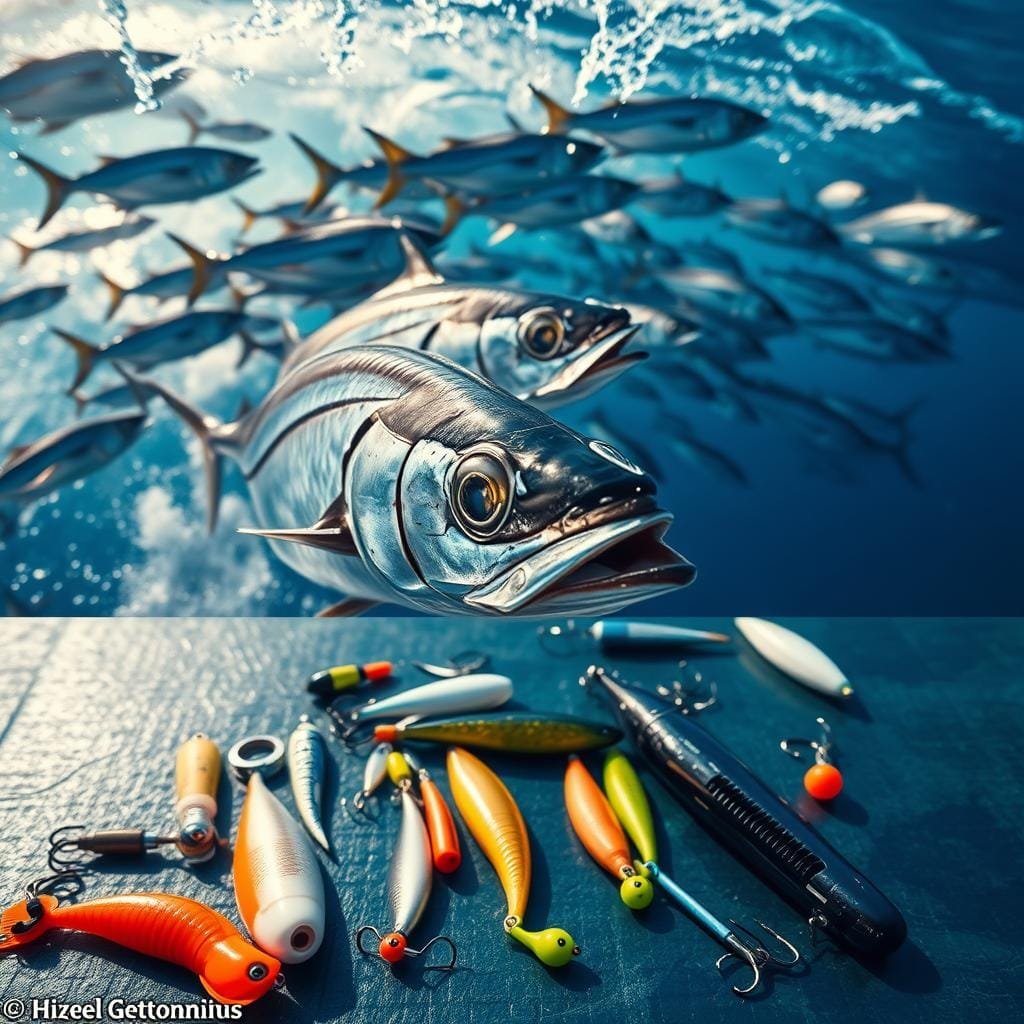
Atlantic bonito move fast, like they’re trying to get away. A fast retrieve keeps you in the game. But, how fast you move matters.
Watch the water, match your bait size, and use gear that moves without tangling your line.
Burning metals and speed-jigging tactics
Bonito swim fast and eat by sucking in water. Use slim metals like Acme Kastmaster and Hogy Epoxy Jig Lure. Keep your rod tip down and crank hard.
This imitates a speed jig and gets them to strike. Add sharp lifts in your retrieve to get more fish.
These quick movements mimic a hurt baitfish. When fish are active, fast retrieves work better than slow ones.
Erratic twitches with slim minnows
For small bait, use slim swimmers. A minnow plug with quick twitches and pauses works well. Try Yo-Zuri Hydro Minnow LC and Rapala X-Rap in clear water.
Cast far, then cut across the school. The quick, stop-and-go action attracts fish without scaring them away. If you don’t get a bite, speed up for a few casts, then slow down again.
Staying put when schools pop up and down
Bonito schools often go from active to quiet. Stay put and wait for them to come back. Running around wastes time and pushes them deeper.
Use epoxy jigs or Game On Surface Eraser to reach further in the wind. Wait until birds leave and fish stop showing. Then, move quietly to the next spot and start again.
| Scenario | Best Lure Style | Retrieve Cue | Why It Works |
|---|---|---|---|
| Roaming blitz in clean water | Slim metal (Kastmaster, Deadly Dick) | Burn with two speed-jig pops | Matches fleeing sandeels; triggers speed jig bonito reactions |
| Finicky fish on tiny bait | Thin minnow plug (Yo-Zuri Hydro Minnow LC, Rapala X-Rap) | Erratic minnow plug retrieve with quick pauses | Mimics injured silversides; holds fish in the strike window |
| Pods popping just out of range | Epoxy jig or Surface Eraser | Fast retrieve bonito with occasional stalls | Extra casting distance reaches edge feeds without moving the boat |
| Multiple schools cycling up and down | Slim metal or small swimmer | Cast, count down, then accelerate | Aligns with bonito school behavior as they pin bait mid-column |
Regional Hotspots in the Northeast and Mid-Atlantic
When 70-degree Gulf Stream water hits the coast in mid to late July, fast fish appear. The bite stays strong until late October, peaking in August and September. Look for birds, current seams, and clean edges to find the best spots.
Mid and Upper Cape Cod rips, pond mouths, and Monomoy edges
Monomoy Rips and the east side of Monomoy Island are great on the ebb. Hardings Beach drop near Chatham and Chatham Harbor are good spots. Upper Cape Cod has great spots like Waquoit Bay, Popponesset, Loop Beach, Green Pond, and Great Pond.
Rhode Island breachways, Napatree Point, and the West Wall
Rhode Island’s South County coast is full of bonito when tides are strong. Start at Quonochontaug and Charlestown Breachways at dawn. Then, head to East Beach for birds and the West Wall at Point Judith.
Napatree Point and the Watch Hill Lighthouse are good for baiting on flooding water.
New York’s Breezy Point to Montauk, plus inlets and North Fork beaches
Breezy Point and Coney Island are good for early morning fishing. Look for fish past Jones Beach and East Rockaway Inlet as the swell grows. Shinnecock Inlet, Shelter Island, and Gardiners Island have steady rips.
North Fork beaches are great for Montauk bonito when it’s calm.
New Jersey beach breaks from Sandy Hook to Manasquan
Boat anglers find great edges off Sandy Hook on clean water. Move south past Monmouth Beach and look for sprays near Shark River Inlet. Manasquan Inlet is good on firm tides, ending a Sandy Hook bonito circuit.
| Region | Anchor Spots | Best Window | Access Tips | What to Watch |
|---|---|---|---|---|
| Cape Cod | Monomoy Rips; Hardings drop; Waquoit, Popponesset, Green Pond mouths | Late July–October; ebb tides over rips | Launch from Chatham or Falmouth ramps for short runs | Sand eels and bay anchovies pinned on tide lines |
| Rhode Island | Quonochontaug, Charlestown Breachways; West Wall; Napatree Point | August–October; dawn and flood currents | Quick hops from Galilee Boat Ramp to the West Wall | Bait sprays under terns on tight seams |
| New York | Breezy Point, Jones Beach, East Rockaway; Shinnecock; North Fork shores | August–October; calm mornings after a west wind | Hempstead Town Marina West for the west end; Sag Harbor for the Forks | Micro rain bait with fast-moving rips for Montauk bonito |
| New Jersey | Sandy Hook; off Monmouth Beach; Shark River Inlet; Manasquan Inlet | Late summer–early fall; incoming clean water | Atlantic Highlands for Sandy Hook; Hoffman’s Marina East for Manasquan | Current edges on beach breaks for Sandy Hook bonito |
Tackle and Rigging Essentials for Inshore Bonito
Fast fish need smart prep. A good bonito tackle setup helps you catch them. It must be compact, have clean knots, and not tire your wrist.
Rods, reels, and line for long casts and fast retrieves
Choose a 7’6”–8’ medium or medium-light rod. The St. Croix Avid Surf or Shimano Zodias are good. Pair it with a 4000–5000 reel like the Shimano Stradic FL or Daiwa BG MQ.
Use 15–20 lb thin braid for long casts. PowerPro Super8 Slick V2 or Sufix 832 works well. This lets you fish fast and stay tight to the fish.
Leader choices for clear water and toothy mouths
In clear water, a fluorocarbon leader is best. Use 12–20 lb Seaguar Blue Label or Yo-Zuri TopKnot. Shorten it to 24–30 inches for picky fish.
Check the tag end after each catch. Bonito have sharp teeth. Retie if you feel nicks. A slim FG knot to braid keeps casts flying.
Boat, jetty, and shore setups for quick mobility
Boat crews should fish along rips and edges. Keep a second rod for wind, and a light epoxy for small bait. Shore anglers do well with long-cast spinning gear and compact slings.
For jetty fishing, travel light. Carry a waterproof box with tins, epoxy minnows, and slim swimmers. Cleats, a compact net, and a grippy belt keep moves safe.
- Spin: bonito tackle setup built for speed and distance.
- Leader: fluorocarbon leader bonito in 12–20 lb for stealth and rub resistance.
- Access: jetty fishing bonito kits trimmed for quick repositioning.
| Platform | Core Rod/Reel | Main Line | Leader | Go-To Lures | Why It Works |
|---|---|---|---|---|---|
| Boat | 7’6” M, Shimano Stradic FL 4000 | 15 lb Sufix 832 | 20 lb Seaguar Blue Label | Hogy Epoxy Jig, Acme Kastmaster | Casts far, quick pick-up for run-and-gun feeds |
| Jetty | 8’ ML/M, Daiwa BG MQ 4000 | 20 lb PowerPro Super8 Slick V2 | 15–20 lb Yo-Zuri TopKnot | Yo-Zuri Mag Minnow, Deadly Dick | Wind-cutting distance, abrasion buffer on rocks |
| Open Beach | 8’ ML, Shimano Miravel 4000 | 15 lb J-Braid x8 | 12–15 lb Seaguar Gold Label | Hogy Surface Eraser, Hopkins Shorty | Long casts to breaking fish on subtle rips |
| Fly | 9’ 9-wt, Large-arbor reel | WF floating/intermediate | 16–20 lb fluoro, 3–4 ft | Clouser, Deceiver, epoxy baitfish | Clean presentation when bite is selective |
Handling, Icing, and Cooking Bonito for Top Table Fare
Get better fillets by acting fast on the boat. Bleed bonito right when it lands. Then, gut and chill it fast.
Ice bonito hard to keep it firm and tasty. Atlantic bonito are great to eat. Most are about 12 pounds and 30 inches long.
Timing is key. Catch fish from mid or late July to late October or early November. This time, they eat small, clean food. This makes their meat bright and lean.
Quick bleeding and deep chilling keep this quality. Keep the cooler shaded and add fresh ice. This keeps the fish cold on the way home.
Once home, cook bonito quickly. Try a hot wok stir fry with soy sauce, ginger, and scallions. Or brush with mayonnaise, add pepper and lemon, and grill.
For more ideas, check out this guide on how to cook bonito. It talks about brining, smoking, and wood choices.
Use simple, bold flavors. Pan-sear with olive oil and garlic, then add lime. Or smoke it low and slow for sandwiches and salads.
Whether grilling or pan-searing, cook fast. This keeps the meat moist. The main thing is to bleed, ice, and cook quickly.
FAQ
Top Bait Picks for Bonito Fishing Success!
The best bait for bonito in the Northeast is small and natural. Live bay anchovies, silversides, and small butterfish work well at dawn. For artificial baits, try slim metals like Deadly Dicks and Hogy Epoxy Minnows.
Match the size and color of your bait to the local fish. This will help you catch bonito quickly.
When do Atlantic bonito arrive inshore and when do they leave?
Atlantic bonito come inshore in mid to late July. This happens when the Gulf Stream water hits the coast. They stay until late October or early November.
They are most active from August to October. This is true for Cape Cod, Rhode Island, New York, and New Jersey.
What’s the water temperature sweet spot and how does the Gulf Stream influence bites?
The perfect water temperature is 70 degrees. The Gulf Stream brings warm water close to shore. This attracts bonito to the edges.
Look for changes in water temperature and color. This is where the baitfish are, and you’ll get bites.
How do speed and ram ventilation affect bonito feeding behavior?
Bonito are fast swimmers, reaching speeds of 40 mph. They breathe while swimming, which means they can eat small baitfish whole.
So, use fast-moving baits. This will help you catch bonito.
What baitfish do bonito chase along the U.S. Northeast coast?
Bonito chase silversides, bay anchovies, and sandeels. They also go after tinker mackerel, peanut bunker, and butterfish. Make your bait small, about two to four inches.
Choose colors that match these fish, like green, blue, or brown with light bellies.
How do I use diving terns to find bonito fast?
Diving terns are great for finding bonito. When they dive, it means there’s baitfish around. Follow them to find the bonito.
Set up your gear ahead of the drift line. Then, cast quickly when you see the terns dive.
Where should I target rip lines, drop-offs, and edges?
Look for areas where fast and slow water meet. This is where bonito like to feed. Cast across the seam and let your lure swing.
Then, speed up your retrieve. This is when bonito are most likely to bite.
What are the best shore features for land-based anglers?
Good spots for shore anglers include river mouths and jetties. These areas create current seams where bonito like to feed. Use epoxy minnows and long-casting metals at first light.
Stay mobile and watch for bird activity and tide changes.
What is the best bait for bonito when using live offerings?
Live anchovies, silversides, and small peanut bunker are great. Use a small live-bait hook with light fluorocarbon. This is best at dawn.
It’s like fishing at Santa Monica Pier. These baits work well when the water is calm.
Cut vs. live vs. artificial—when does each shine?
Live bait is best at dawn or when fish are picky. Cut bait is less ideal for these fast swimmers. Artificial baits are better for covering water.
Metals and epoxy minnows are good choices. Soft plastics work well in calm or clear water.
How do I match the hatch to sandeels, bay anchovies, and tinker mackerel?
Use slim profiles and lengths that match the baitfish. Choose green, blue, or brown backs with white or pearl bellies. Epoxy-style finishes and small stickbaits mimic sandeels and anchovies.
For tinker mackerel, use slightly larger baits and a faster retrieve.
Which stick jigs and metals consistently produce for bonito?
Deadly Dicks, Kastmasters, and Al’s Goldfish are top choices. They imitate silversides and sandeels well. Cast them a mile and burn them fast.
Add quick pumps to trigger followers in rips and along edges.
When should I use slim swimmers and minnow plugs?
Use them when fish are chasing micro-bait up top or along jetty faces. Smaller stickbaits and minnow plugs like the Yo-Zuri Crystal Minnow work well. Add sharp twitches and short pauses to mimic fleeing bait.
Work them across seams or parallel to break walls during moving water.
What color and size choices best mimic small forage?
Choose natural colors like green, blue, or brown with light bellies. Size your bait to match anchovies and sandeels. In bright sun, use epoxy finishes for a tight flash.
When are epoxy minnows and surface erasers the right call?
Use them in wind, chop, or when schools are out of reach. Hogy Epoxy Minnows cut through the breeze and land softly. Hogy Surface Erasers are great for long casts in turbulence from August to October.
Which soft plastics fool bonito during hardtail season?
Albie Snax in white are excellent in calm days or when fish are picky. Rig them weightless or on light heads. They glide naturally and match small bait perfectly.
Use subtle twitches and maintain steady pace to stay in the strike zone.
What about paddle tails and fluke-style baits in finicky stretches?
Three-inch paddle tails from Jyg Pro or NLBN and 5.25-inch Zoom Flukes are good in October and late season. They work well on light jig heads over flats and pond mouths. Slow your cadence and keep contact when fish sulk below the surface.
Which fly patterns best match tiny forage for bonito?
Clousers, Deceivers, Flatwings, Mushmouths, and slim epoxy baitfish patterns work well. Tie them sparse to sink fast and track in current. Keep profiles thin to mimic sandeels and bay anchovies.
How should I match fly colors to the hatch?
Use greens, blues, and browns over white or pearl bellies to mirror silversides and anchovies. Add a hint of flash for clear water. Size small and keep materials sparse to maintain speed and lifelike wiggle.
What line and leader setups help with fast retrieves?
Use a floating or intermediate line with long, clear fluorocarbon leaders. This setup is good for fast retrieves. It’s also stealthy in clear water.
Strip fast and steady to match ram-ventilation feeding. Lengthen leaders when fish are wary.
How does timing and light affect bonito bites?
Dawn is the best time. Action often dips after sunrise as schools slide just out of reach. Low-light windows around tide changes also fire.
Plan sessions around moving water for the best shot.
How do I fish metals with burning and speed-jigging tactics?
Cast past the marks, count a beat, then crank fast. Add quick lifts to kick the lure and trigger chasers. Keep the lure moving—bonito hit speed and hate stall-outs.
What’s the trick with erratic twitches on slim minnows?
Rip short twitches and micro-pauses to mimic fleeing silversides. Don’t overdo the pause. Maintain forward motion so the lure never dies.
Strikes often come right as it accelerates.
Should I chase schools or stay put when they pop up and down?
Stay put if multiple pods are working an area. Set up along the seam and let the next school rise within range. You’ll make more quality casts and spook fewer fish.
Where are the best Mid and Upper Cape Cod locations?
Hit the ebb drop at Hardings Beach and Hardings Point, Chatham Harbor above Monomoy National Wildlife Refuge, the east side of Monomoy Island, the Monomoy Rips, and pond mouths like Waquoit Bay, Popponesset, Loop Beach, Green Pond, and Great Pond. Fish the seams on moving tide.
What are Rhode Island’s top bonito spots?
Quonochontaug Breachway, Charlestown Breachway, East Beach, the West Wall at Point Judith, Napatree Point, and Watch Hill Lighthouse are reliable. Launch out of the Galilee Boat Ramp for quick access to rips and edges.
Where should I look in New York from Breezy Point to Montauk?
Work Breezy Point, Coney Island, Jones Beach, and East Rockaway Inlet. Farther east, check Shinnecock Inlet, Shelter Island, Gardiners Island, and North Fork beaches. Ramps like Hempstead Town Marina West, Sag Harbor, and Northwest Harbor Park provide good staging.
How about New Jersey from Sandy Hook to Manasquan?
It’s mostly a boat show off the beach. Target Sandy Hook, off Monmouth Beach, Shark River Inlet, and Manasquan Inlet. Launch at Atlantic Highlands Municipal Marina for Sandy Hook, or Hoffman’s Marina East for Manasquan.
What rods, reels, and line help with long casts and fast retrieves?
Use a long-cast spinning rod with a fast tip, a smooth 4000–5000 reel, and thin braid for distance and quick pick-up. This setup excels for burning metals and driving epoxy minnows through wind and chop.
Which leaders work best in clear water and against toothy mouths?
Fluorocarbon is key for stealth. Step up abrasion resistance and check often—bonito have raspy jaws. Keep leaders long and clean to avoid spooking fish keyed on tiny bait.
How should I set up from a boat, jetty, or the shore?
Boat anglers should stage along rips and pond mouths, casting up-current and across seams. Jetty and break wall anglers need compact assortments—metals, epoxy minnows, slim swimmers—for quick changes. Shore anglers should target river mouths and beach rips with long-casting lures.
How do I handle, ice, and cook bonito for top table fare?
Bleed fish immediately and ice hard to preserve quality. Most run about 30 inches and 12 pounds, so plan portions. For simple meals, stir-fry sliced fillets with soy sauce over rice, or coat fillets with mayonnaise and grill.
Harvest during the peak inshore window for the best flavor.