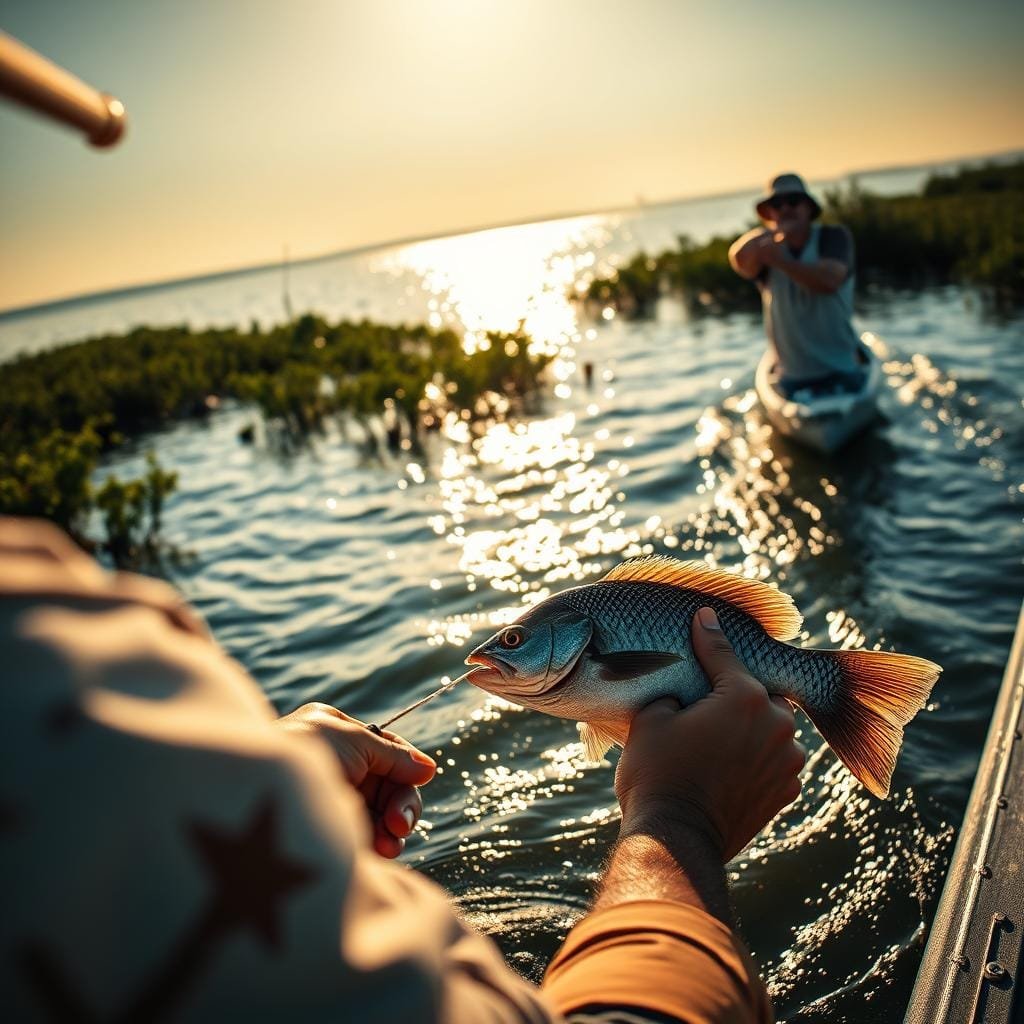
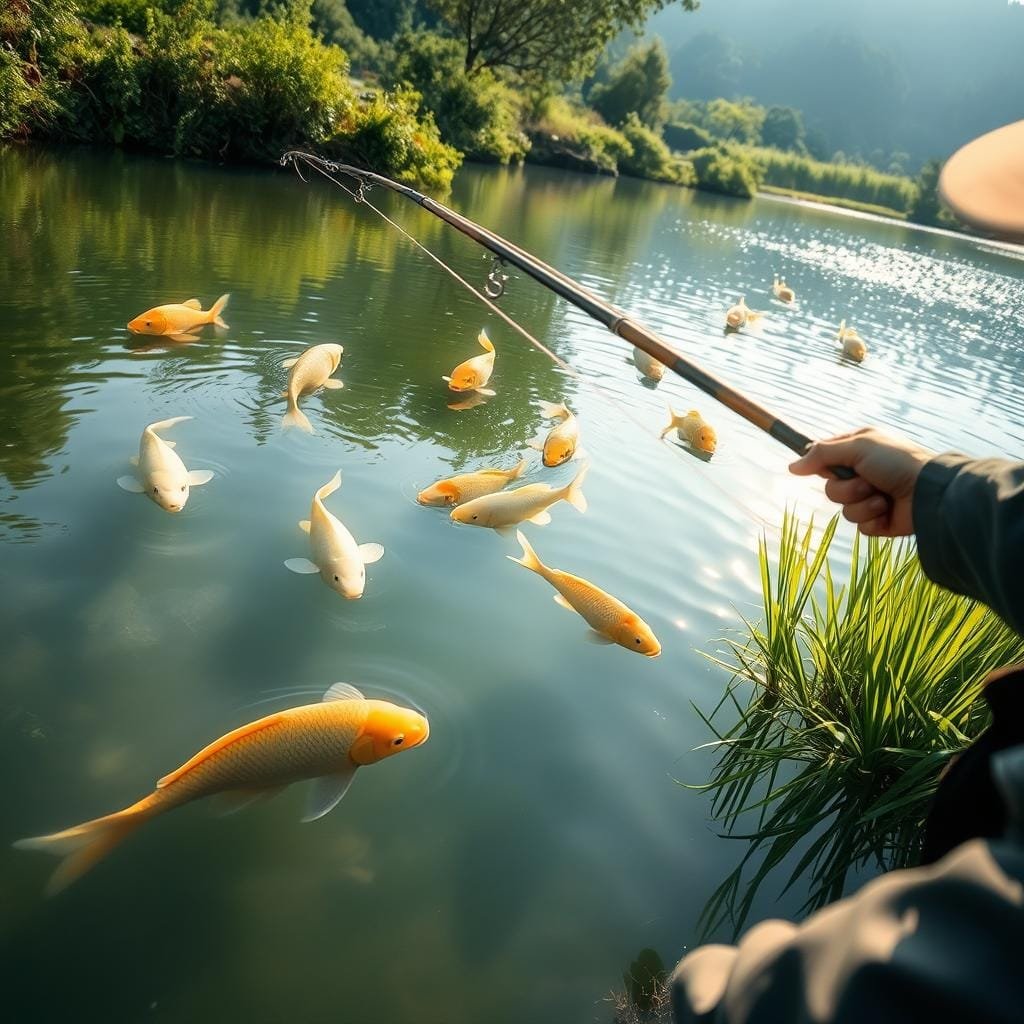
The dawn breaks over calm waters, filling the air with hope for the day’s catch. Carp fishing is a key part of angling, attracting those who want to learn its secrets. Learning carp fishing techniques can turn a simple hobby into a skill, making your catches more regular. Carp are smart, so using efficient carp catching methods is key.
To catch carp easily, knowing their habits is vital. Seeing golden scales in the water makes you excited. But it’s knowing and feeling that will help you catch them. The right bait, like sweet corn, and the right tackle are important for catching carps.
This is your guide to a lifelong journey. It’s filled with secrets from past seasons. Each cast is a chance to connect with the water and the fish, ready for a dance between you and the fish.
Understanding Carp: An Overview
Carp come from Europe and Asia and arrived in America in the 1800s. They are a big challenge and joy for anglers. These fish can grow from 10 to 30 inches and sometimes over 60 pounds.
Exploring carp biology and carp behavior shows they are very adaptable. They live in rivers, lakes, and ponds. This makes carp fishing exciting and tests anglers’ skills.
The Best Times and Places for Carp Fishing
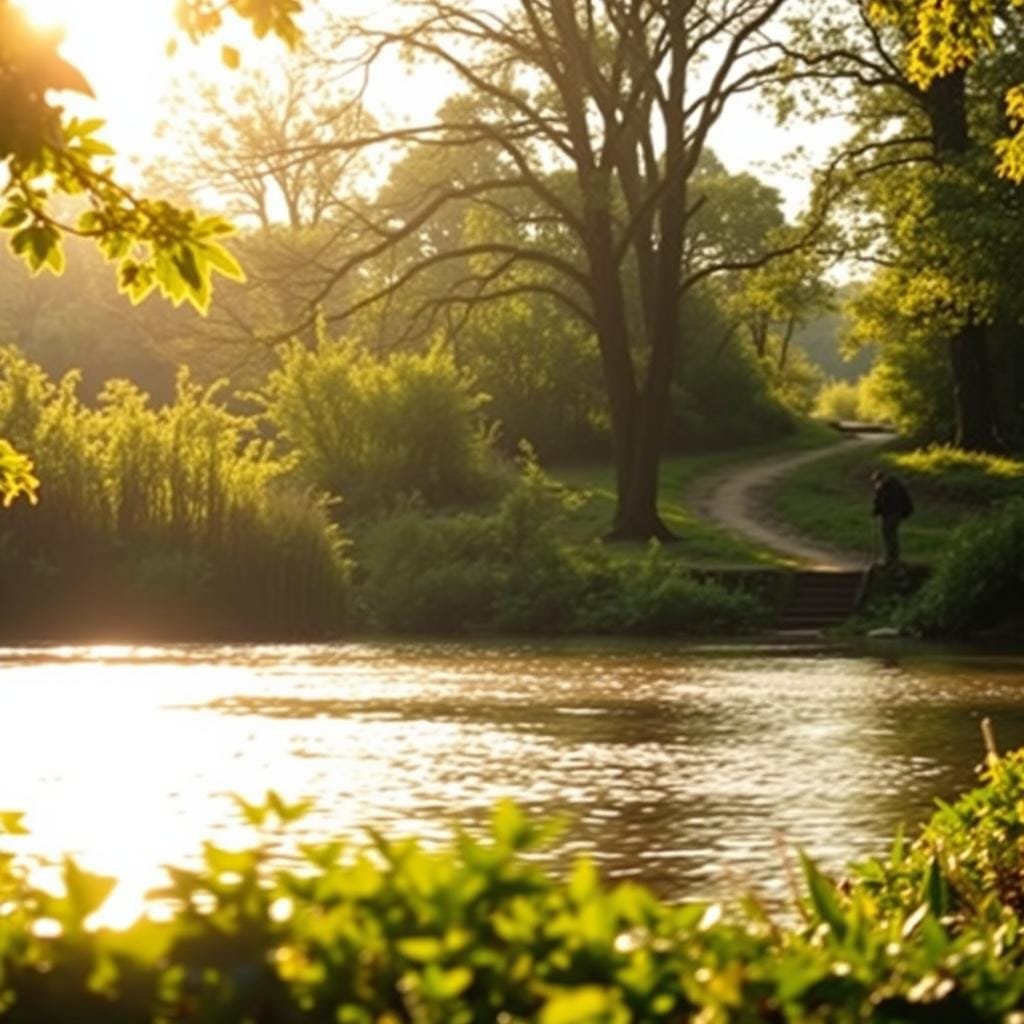
Looking for the best times and places to fish for carp can really help you catch more. Knowing where to fish and when is key. Let’s explore the details.
Identifying Carp Hotspots in Lakes and Rivers
Finding the best places to fish for carp is like finding treasure. Lakes and rivers have different spots where carp like to be. Look for muddy riverbanks and warm, shallow lake areas with lots of plants.
These places are great for carp to hide, making them easy to catch. Early mornings are the best time to find them here.
Seasonal Patterns: When Carp Are Most Active
Carp fishing changes with the seasons. In cooler months, they go deeper, making them harder to catch. But in warmer months, they move to shallower areas, making it easier to fish.
Spring and fall are the best times to fish for carp. They are very active and like to be in warm, shallow water.
Here are some top places to fish for carp in different states:
| State | Lake/River | Best Season | Notes |
|---|---|---|---|
| Minnesota | Lake Minnetonka | Spring / Fall | Rich in shallow vegetative areas |
| Texas | Trinity River | Winter / Early Spring | Muddy riverbanks with hidden carp |
| New York | Hudson River | Summer | Warm, shallow backwaters |
| California | Folsom Lake | Spring | Calm, warm waters ideal for shore fishing |
Choosing the right spot and time can really help you catch more carp. Whether it’s a quiet riverbank or a busy lakeshore, the perfect spot is waiting for you.
Essential Gear for Carp Fishing
Choosing the right carp fishing gear is key for all anglers. The ideal rod length matters a lot. For rivers and small waters, rods are 4-6 feet long. This helps with short casts.
For big lakes and reservoirs, rods are 8-10 feet long. This is for long casts.
For reels, carp anglers like dual drag system bait-feeder spinning reels. The Shimano Baitrunner is a top choice. It helps manage line well and adjusts drag as needed. Learn more about versatile reels and rods for beginner carp anglers
Lines come in many types. But braided lines are popular for their strength and feel. Monofilament lines are also used for their flexibility and value.
Here’s a table of recommended carp fishing tackle for different places:
| Environment | Recommended Rod Length | Recommended Reel Type |
|---|---|---|
| Rivers/Small Water Bodies | 4-6 ft | Spinning Reel (Bait Feeder) |
| Large Lakes/Reservoirs | 8-10 ft | Spinning Reel (Long Cast) |
With the right carp fishing gear, you can catch more fish. Think about the type of reels, ideal rod length, and carp fishing tackle for your needs.
How to Catch Carp: Bait and Tackle Tips
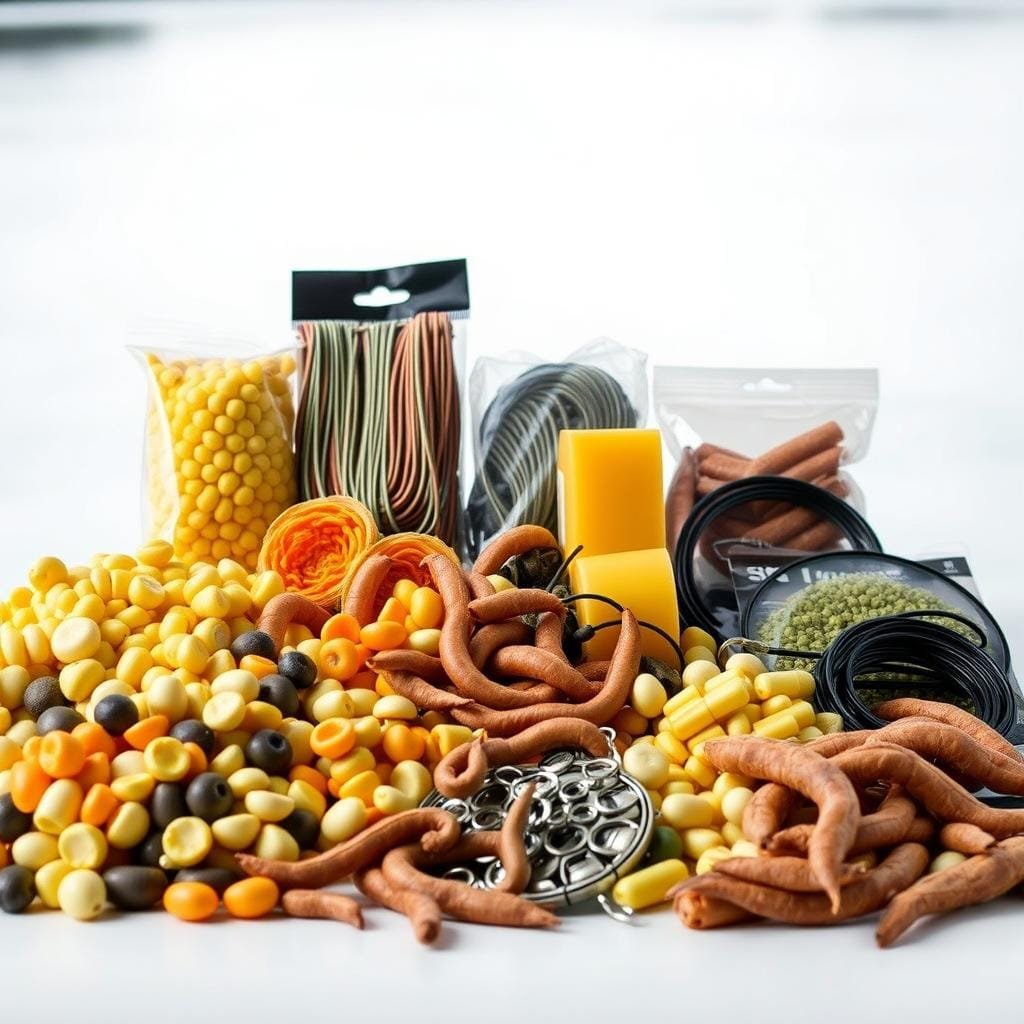
Learning to catch carp starts with the right carp bait choices and gear setup. You can use natural bait or artificial bait. Knowing what works best in different places can help you catch more fish.
Choosing the Right Bait: Natural vs. Artificial
Anglers must choose between natural and artificial baits for carp fishing. Sweet corn is a favorite of carp because of its taste. Artificial bait is reusable and can also attract carp well.
For more tips on choosing bait for carp, check out effective carp fishing tactics.
Setting Up Your Rod and Reel for Carp
Setting up your rod and reel right is key for catching carp. The best rod length depends on where you fish. It’s usually between 4-10 feet.
Start with a line that’s at least 30 lbs. to handle carp’s strength. Darker or camouflaged hooks help carp not get scared. A setup that fits the natural environment can improve your chances.
For better rod setup and reel setup, match your gear to the fish’s size and behavior. Carp can grow big, so you need strong gear. More info on choosing the right gear can help a lot.
By learning the right bait and tackle strategies, you can catch more carp. This makes fishing more fun and rewarding.
Advanced Techniques for Carp Fishing
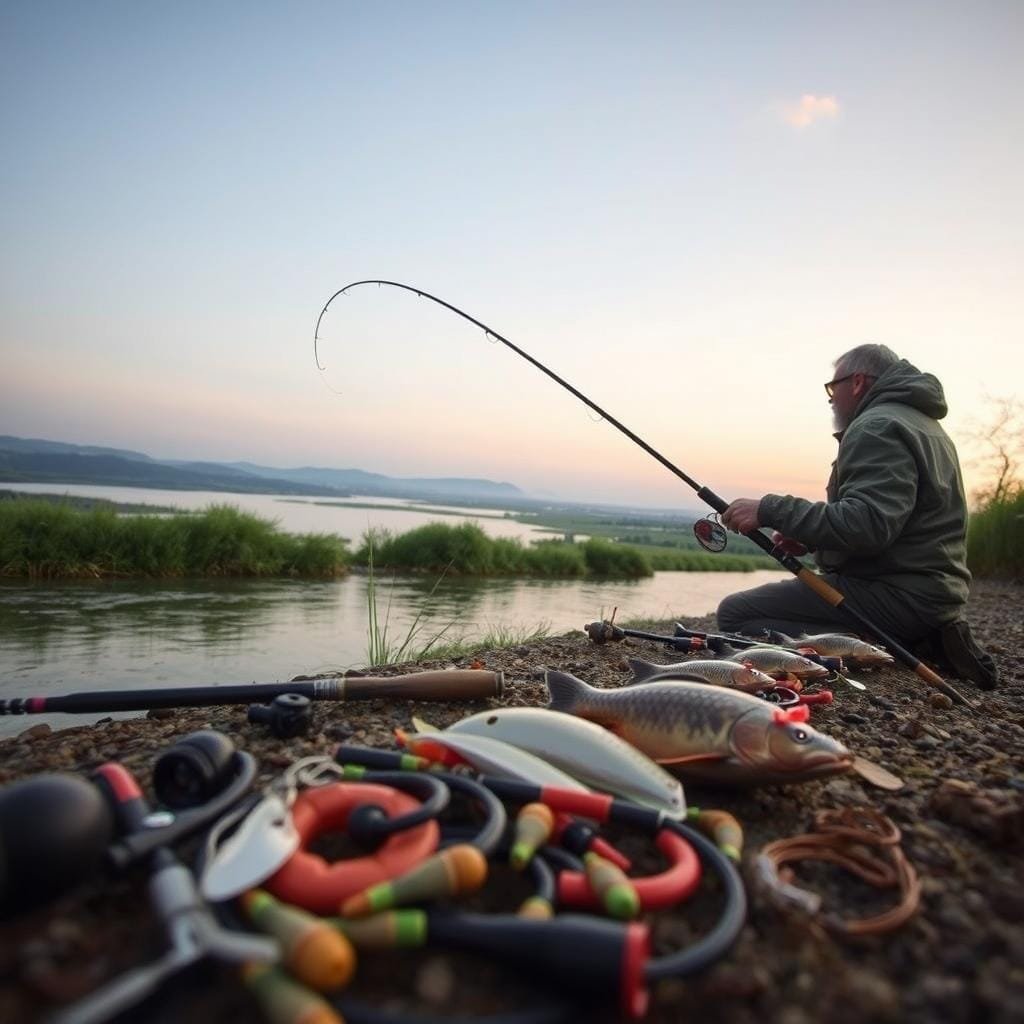
Learning advanced carp fishing techniques makes fishing better and boosts your catch chances. Using chumming and being stealthy are key. These methods help you catch more carp.
The Art of Chumming: How and When to Do It
Chumming is a favorite among carp fishing experts. It means throwing a bit of bait in the water to draw fish to you. But, it’s important to not feed the carp too much.
Too much chum can make carp not want to bite your bait. The goal is to keep them interested but not full.
Stealth and Patience: Keys to Carp Fishing Success
Being quiet and patient is key in carp fishing. Making little noise and moving slowly keeps carp from getting scared. Using rod pods and holders helps keep your gear hidden and stable.
This lets you wait calmly for a bite. It takes time and patience to know when to move and when to stay quiet.
| Technique | Description | Benefits |
|---|---|---|
| Chumming | Scatter small quantities of bait to create a feeding area. | Attracts carp to your location without making them too full. |
| Fishing Stealth | Use minimal movement and noise to avoid alarming fish. | Increases chances of carp approaching your bait. |
| Fishing Patience | Waiting calmly for fish to bite without unnecessary intervention. | Leads to a higher success rate with cautious carp. |
The Role of Technology in Carp Fishing
Carp fishing technology is key to success. Tools like fish finders, GPS spotting, and fishing apps change the game. They make fishing better than ever.
Fish finders and GPS help find and go back to good spots. They give exact info that was hard to get before. For better fishing, check out new fish finding tech.
Using Fish Finders and GPS for Precise Spotting
GPS spotting lets anglers mark where they caught fish before. Fish finders show depth, structures, and fish size. This info helps plan bait and when to fish.
Apps and Online Resources for Carp Anglers
Smartphones led to fishing apps for weather and alarms. Online angling resources are a place for sharing tips. They build a community and improve fishing through digital help.
- Real-time weather updates to optimize fishing sessions
- Digital logbooks for tracking catches and angling progress
- Community forums for exchanging the latest carp fishing techniques
In summary, carp fishing technology makes fishing better. Fish finders, GPS spotting, and fishing apps and online resources help a lot. They make fishing more efficient and build a strong angling community.
Common Mistakes to Avoid When Trying to Catch Carp
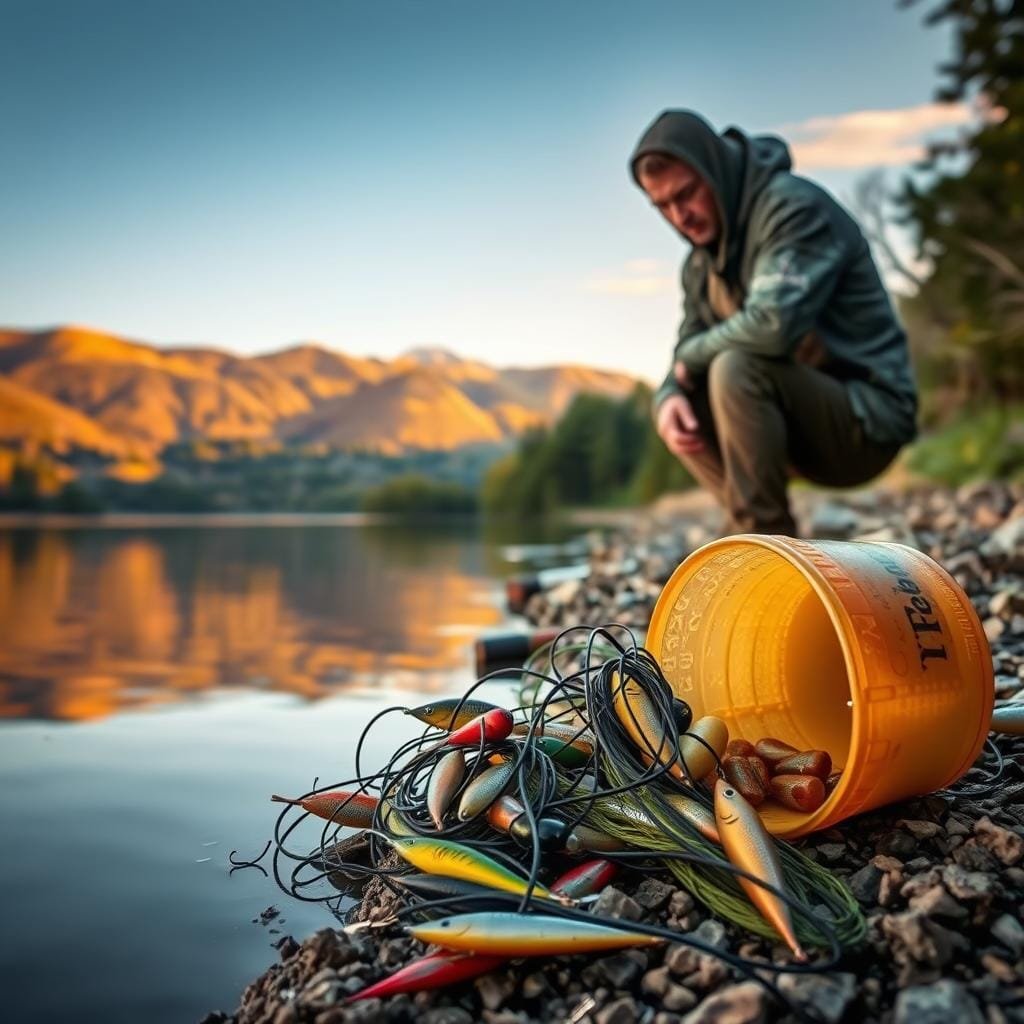
Getting better at catching carp means knowing what not to do. Many people make simple mistakes that hurt their chances of catching fish. These mistakes can really affect how well you do.
One big mistake is not looking for new places to fish. It’s easy to stick to places you know or that are close. But, carp change their habits based on things like water temperature and what they eat. To catch more fish, watch these changes and pick places where carp are likely to be.
Another mistake is using the wrong fishing setup. The bottom of the lake can be muddy, sandy, or gravelly. The wrong rig can make it hard to present your bait well. Make sure your rig fits the lake’s bottom to catch more fish.
Also, don’t underestimate the importance of being quiet and careful. Carp can get scared by noise, too much movement, or even shadows. By being quiet and careful, you can keep the carp calm and increase your chances of catching them.
- Regularly check and update your equipment to ensure efficiency.
- Pay close attention to the freshness and quality of bait. Bad bait can scare carp away.
- Stay updated on the latest techniques and bait advancements in the carp fishing community.
Fishing for carp can be very rewarding if you do it right. By avoiding common mistakes and learning more about fishing, your carp fishing trips will get better. Knowing these mistakes and trying to fix them is key to getting better at fishing.
Maintaining and Caring for Your Carp Fishing Equipment
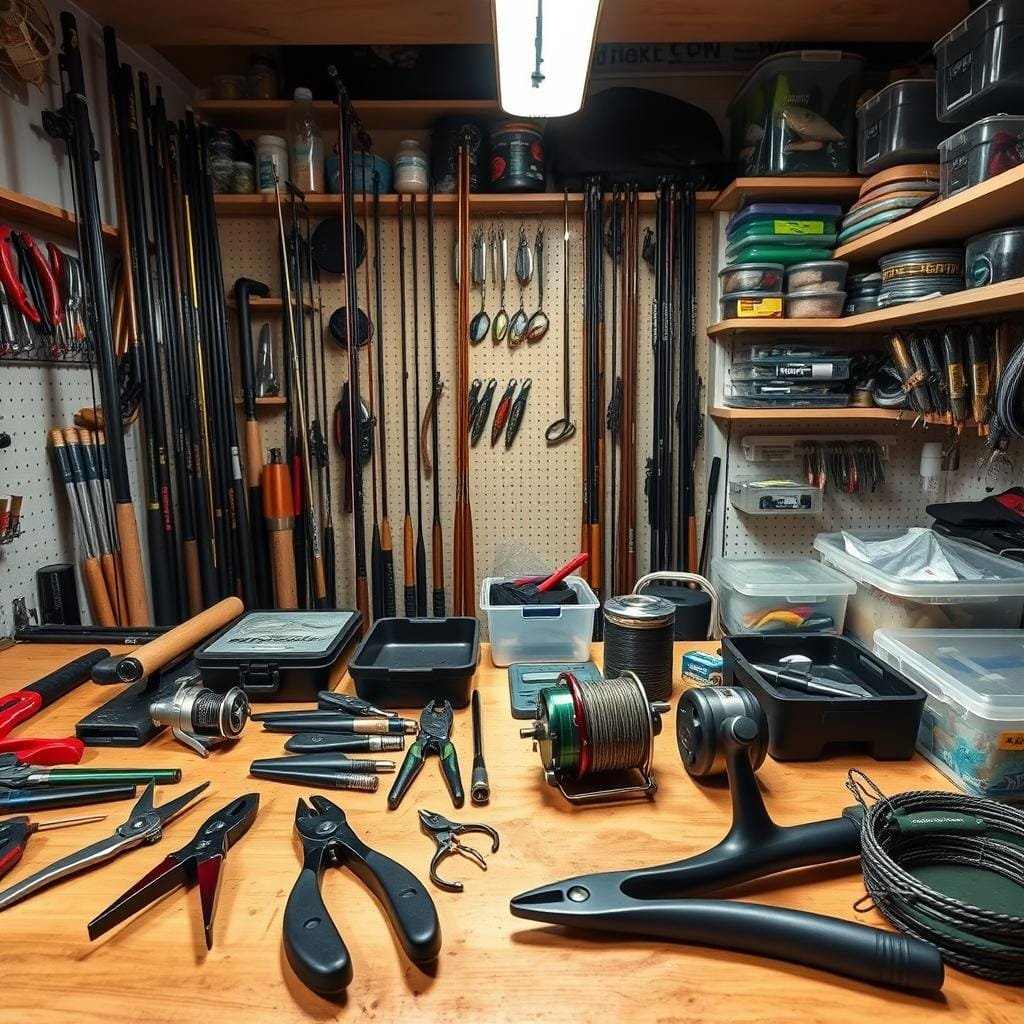
Keeping your carp fishing equipment in good shape is key. It makes sure your fishing trips are fun and successful. Regular checks and care can make your gear last longer and work better.
Tackle care means checking and fixing your rods, reels, hooks, and lines often. Always clean your gear after fishing, more so in saltwater or muddy places. Salt and dirt can harm your gear if not cleaned right away.
For those who love fishing, knowing how to take care of your gear is important. It makes your gear last longer and work better. Here’s a table with tips for keeping your carp fishing equipment in top shape:
| Equipment | Inspection Frequency | Maintenance Actions |
|---|---|---|
| Rods | Every 3 months | Clean with mild soap and check for cracks or wear |
| Reels | After each use | Lubricate moving parts and remove any debris or dirt |
| Lines | Every 6 months | Check for fraying and replace if necessary |
| Hooks | After each use | Clean and sharpen to ensure optimal performance |
Sticking to a regular maintenance plan helps your gear last longer. It also makes sure your gear is ready for carp fishing. Always replace worn-out items to avoid bad fishing trips.
In short, good carp fishing equipment maintenance, tackle care, and gear upkeep are key for serious carp anglers. By following these tips, you can have many successful fishing trips without gear problems.
The Ethical Angler: Catch and Release Best Practices
In the world of ethical carp fishing, catch and release practices are key. They help keep the carp population safe for the future. By being responsible anglers, we help protect the sport for years to come.
Catch and release practices mean we handle fish carefully. This helps them survive better after we let them go. Here are some tips for responsible angling:
- Use barbless hooks to make removing them easy without hurting the fish.
- Don’t take the fish out of water for too long; quick photos are best.
- Handle carp with wet hands or a soft, damp cloth to keep their slime on.
- Help tired fish by holding them up in the water. Move them gently to help them breathe.
Following these catch and release steps shows we care about ethical carp fishing. It also helps keep our waterways healthy. This is all about responsible angling and caring for our wildlife and the sport of fishing.
Community and Carp Fishing: Clubs, Competitions, and Conservation
The carp fishing community is full of passion and commitment. It brings anglers together from all over. Angling clubs are at the heart of this, where people share fishing stories and tips.
These clubs help new fishers grow and lead conservation efforts. They are key to the community’s success.
Fishing competitions are where anglers show off their skills. They are fun and help spread good fishing habits. Many competitions now focus on catching and releasing fish safely.
This supports the health of fish populations for the future.
Conservation is becoming more important in carp fishing. Clubs, agencies, and anglers work together. They do things like clean up habitats and teach others to fish right.
They also study how fishing affects carp. This way, carp fishing can be enjoyed by everyone for years to come.
- Engagement in local angling clubs
- Participation in fishing competitions
- Active involvement in conservation efforts
Together, clubs, competitions, and conservation make carp fishing strong and lasting. By keeping these parts alive, carp fishing will stay popular and kind to the environment.
How to Catch Carp: A Step-by-Step Guide
Starting to fish for carp can be exciting but also a bit scary for newbies. This guide is here to help you learn how to catch carp easily. We’ll cover the key steps you need to follow.
First, it’s important to know where and how carp live. They like places with lots of plants and soft bottoms. Finding these spots is the first step to catching carp.
- Select the Right Bait: Carp eat a lot of different things. They like corn, boilies, and worms. Try different baits to see what works best where you live.
- Set Up Properly: How you set up your fishing gear is very important. A simple hair rig is good for beginners because it looks natural to carp.
- Use Technology: Tools like fish finders can help you find carp quickly. This means you’ll know you’re fishing in the right place.
- Advanced Techniques: When you get better, try using chumming. It brings more carp to you, making it easier to catch them.
By following this guide and keeping practicing, you’ll get better at catching carp. Remember to always learn and adapt to your local fishing area.
Beyond the Basics: Innovations in Carp Fishing
Carp fishing is changing fast, thanks to new ideas and tools. These changes help both new and experienced anglers. They make baiting, line management, and catching fish better.
New technology is a big part of this change. Fish finders show detailed maps of the lakebed. This helps find carp easily. Drones and apps also help, tracking weather and giving fishing tips.
These new tools and ideas help anglers fish better. They make it easier to catch fish and enjoy the sport more. The future of carp fishing is looking bright and exciting.
FAQ
What makes carp a challenging fish to catch?
Carp are smart and can adapt quickly. This means anglers must think ahead and use smart tactics to catch them.
Where are carp originally from, and where can they be found now?
Carp come from Europe and Asia. They were brought to America in the 1800s. Now, they live in many lakes and rivers worldwide.
What is the best time of day for carp fishing?
The best time to fish for carp is early morning. They are most active then, in warm, murky waters with lots of plants.
What type of fishing rod is recommended for catching carp?
For river fishing, use rods that are 4-6 ft long. For bigger waters, 8-10 ft rods work best to handle carp well.
Are there specific baits that are more effective for carp fishing?
Yes, sweet corn and boilies are great for carp. Sweet corn’s sweet and salty taste is very appealing to them.
What are some advanced techniques for increasing the success rate in carp fishing?
To catch more carp, try chumming the water with bait. Also, manage your line well. Tools like rod pods help you stay quiet and sneak up on fish.
How has technology impacted carp fishing?
Technology has changed carp fishing a lot. Tools like fish finders, GPS, and apps give anglers lots of info. This helps them find and catch carp better.
What are some common mistakes anglers make when fishing for carp?
Many anglers don’t watch the fish closely enough. They also use the wrong bait or fishing spots. And they don’t fish where carp like to eat.
Why is it important to maintain fishing equipment for carp fishing?
Keeping your gear in good shape is key. It helps avoid problems during your trip. It also makes your gear last longer and work better.
What does ethical carp fishing involve?
Ethical carp fishing means catching and releasing them. Handle the fish gently to keep them stressed. Use tools like barbless hooks to protect them.
How does the community contribute to carp fishing?
The carp fishing community shares tips and stories. They join clubs and competitions. They also help with conservation to keep fishing sustainable.
Can you provide a step-by-step guide on catching carp?
First, learn about carp’s home and habits. Choose the right bait and gear. Set up your rods and reels right. Then, use tricks like chumming and tech to find and catch them.
What are some recent innovations in carp fishing?
New things in carp fishing include better baiting and line management. There’s also cool tech like advanced fish finders, drones, and apps. These help anglers catch more carp.