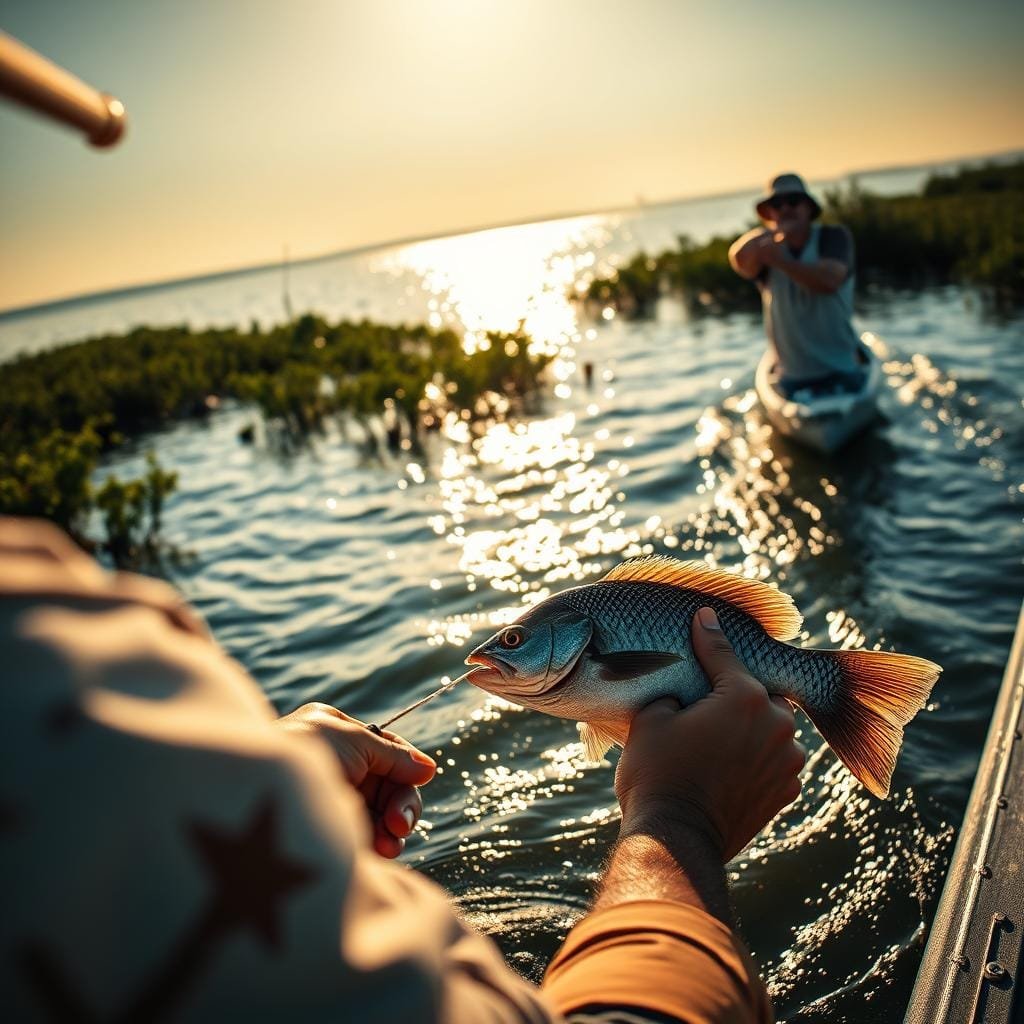
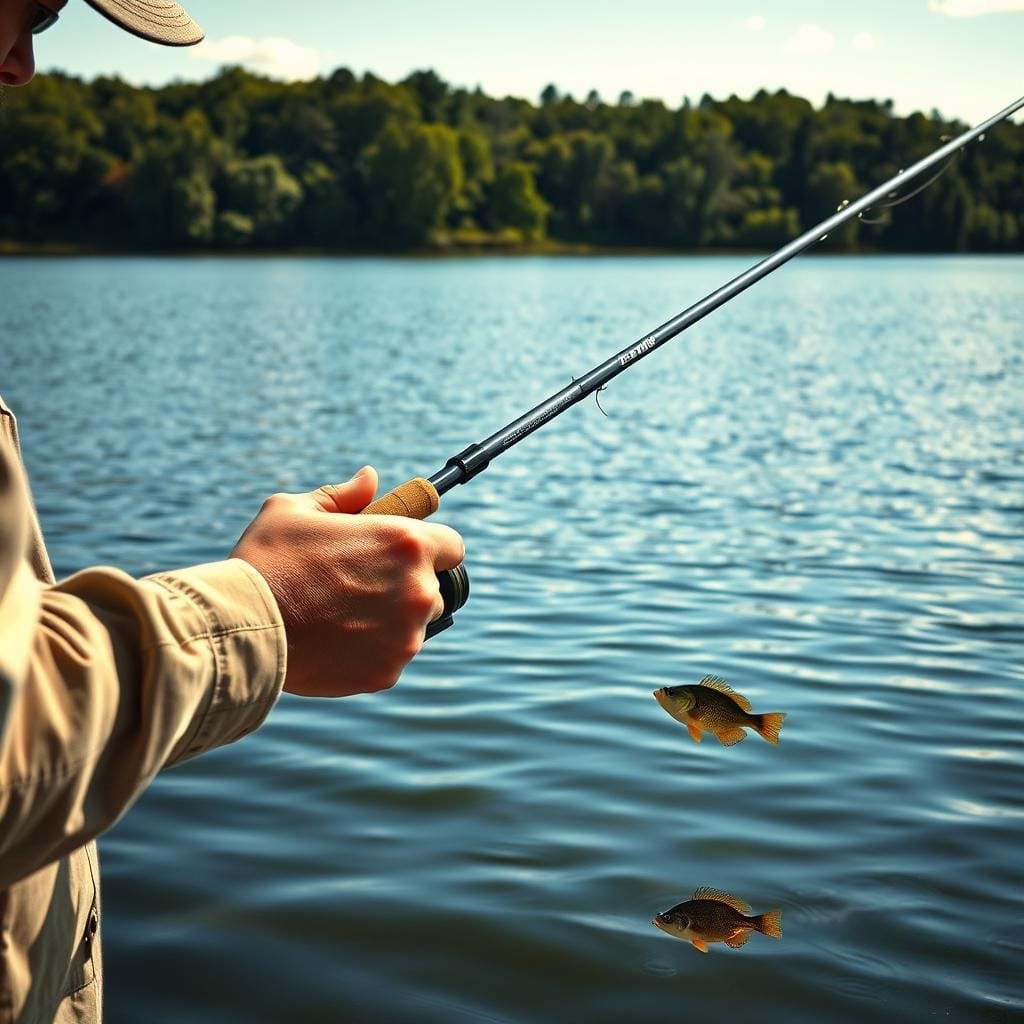
Exploring crappie fishing can be very rewarding. These fish, black and white crappie, are common in U.S. waters. They also taste great.
This guide shares top crappie fishing tips from experts. It helps you catch more fish.
Knowing crappie behavior is key to catching them. They like shallow spots and cool deep waters. We’ll show you how to use their habits to your advantage.
This guide makes fishing exciting and fruitful. You’ll learn expert tips to improve your crappie fishing.
Understanding Crappie Behavior and Habitat
Crappies are a favorite among freshwater anglers. They have interesting behaviors and like certain places to live. Knowing these patterns helps you catch more crappies.
In spring, crappies go to shallower waters to eat and spawn. This is a great time to fish for them. Look for areas with lots of grass, stumps, and plants. In colder months, they go deeper but are harder to find.
Black and white crappies have different homes. Black crappies like rocky places. White crappies like areas with lots of brush and plants. Knowing this helps you fish better during the spawn.
The table below shows where black and white crappies like to live. This helps you plan your fishing trips:
| Crappie Type | Preferred Spawning Habitat | Seasonal Depth Range |
|---|---|---|
| Black Crappie | Rocky substrates near stumps or brush | 5-10 feet in spring, up to 20 feet post-spawn |
| White Crappie | Brushy, vegetation-rich shallower waters | 3-8 feet in spring, deeper near structures in colder months |
Understanding crappie habits helps you fish better. It lets you change your fishing plans for different times and places. Fishing smartly, knowing how crappies behave, is key to catching them.
Essential Gear for Crappie Fishing
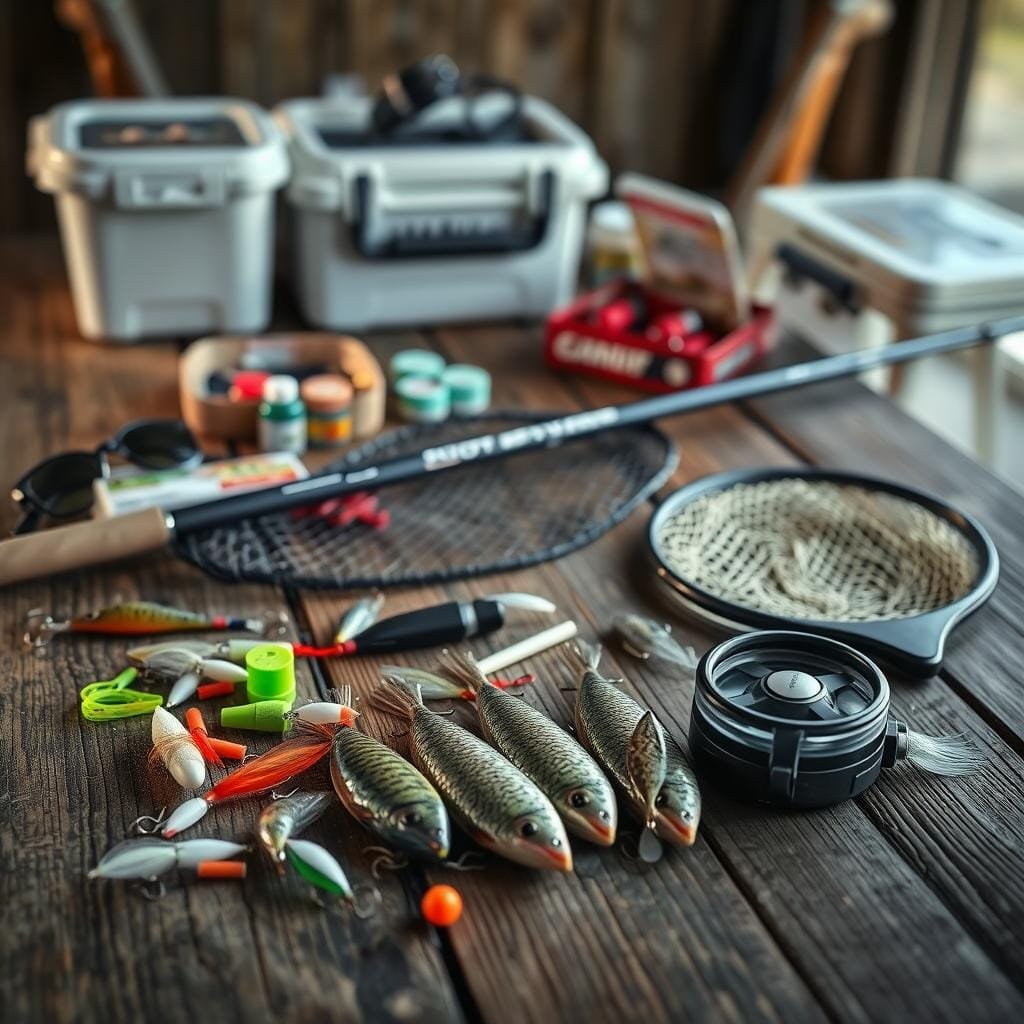
Getting ready is important for catching crappie. You need the right gear, like a good rod and reel, the best fishing line, and your favorite jigs or bait. Let’s look at some must-have gear for all fishing levels.
Selecting the Right Rod and Reel Combo
Choosing the right rod and reel is key for crappie fishing. A rod that’s light to medium-light, about 6 to 7 feet long, is best. It lets you control and feel the fish well.
The rod should go with a reel that’s 1000 to 2000 in size. This size is great for casting far and smoothly. It works well with both live bait and jigs, making your fishing better.
Line, Weights, and Hooks: Tools of the Trade
Choose a fishing line that’s good for catching small fish and seeing clearly underwater. A four-pound monofilament line is perfect. It’s strong enough for fighting fish but also lets you feel their bites.
Choosing Your Tackle: Jigs, Minnows, and Bobbers
For crappie fishing, you’ll need different jigs and live bait like minnows. Lighter jigs let you fish in different depths. Try different colors to see what works best.
Minnows are great because they move like real fish. A simple bobber setup helps keep your bait at the right depth. It also makes it easier to feel when a fish bites.
How to Catch Crappie: Proven Techniques and Tips
Anglers have many ways to catch crappie. They can use crappie fishing techniques for different places and times. From vertical jigging to live bait fishing, each method has its own benefits. Let’s look at the best ways to catch more crappie.
- Vertical Jigging: This is great for finding crappies in deeper water, mostly in cold weather. It means moving a jig up and down from a boat that’s not moving. It’s perfect for catching crappie that like to stay near the bottom or hide in structures.
- Casting: Casting works well from the shore or a boat. It lets you cover a lot of area. Use light jigs or spinners and cast them near places where crappie might be hiding. Then, pull your line back slowly to get their attention.
- Trolling: Trolling is good in warmer months when crappie go deeper and spread out. Use small crankbaits or jigs to troll. This lets you check different depths and areas.
- Live Bait Fishing: Live minnows or worms are very tempting to crappie. A minnow under a slip cork is a top choice. It’s great for beginners or fishing with kids.
These methods can be adjusted for the season and where you’re fishing. They are useful tools for catching crappie.
Best Timings and Seasons for Crappie Fishing
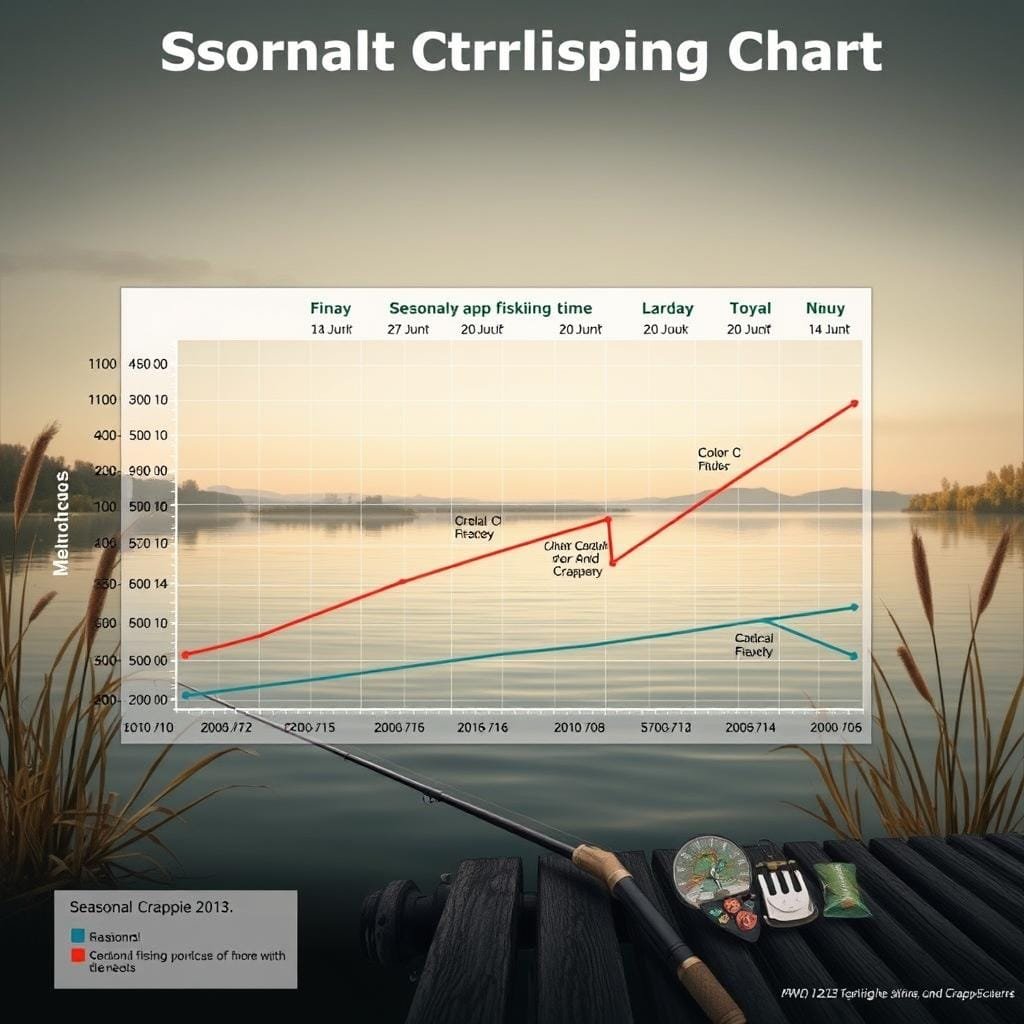
Timing is key for catching crappie. Crappie behavior changes with the seasons and water temperature. Knowing these patterns helps plan your fishing trips.
Spring: Spring is the best time for crappie fishing. When it gets warmer, crappie go to shallow waters to spawn. Look for them in 2-8 feet of water, near brush and rocky banks.
Summer: Summer fishing is tough because crappie go deep to stay cool. The best times are early morning or late evening. Try trolling in deep water to catch suspended crappie.
Fall: In fall, crappie gather in schools and feed a lot before winter. They’re active in mid-depth waters. This is a great time to catch them.
Winter: Winter fishing is different because crappie go even deeper. You need patience and gentle techniques. Live bait can help attract them.
| Season | Location | Technique |
|---|---|---|
| Spring | Shallow waters (2-8 ft) | Bobbers, live bait |
| Summer | Deep water | Trolling for suspended crappie |
| Fall | Mid-depth waters | Schooling crappie, aggressive feeding |
| Winter | Deep waters | Subtle techniques, live bait |
Match your fishing plans with crappie’s natural cycles. This way, you’ll have a great fishing experience in any season.
Locating Crappie: Reading Water and Structure
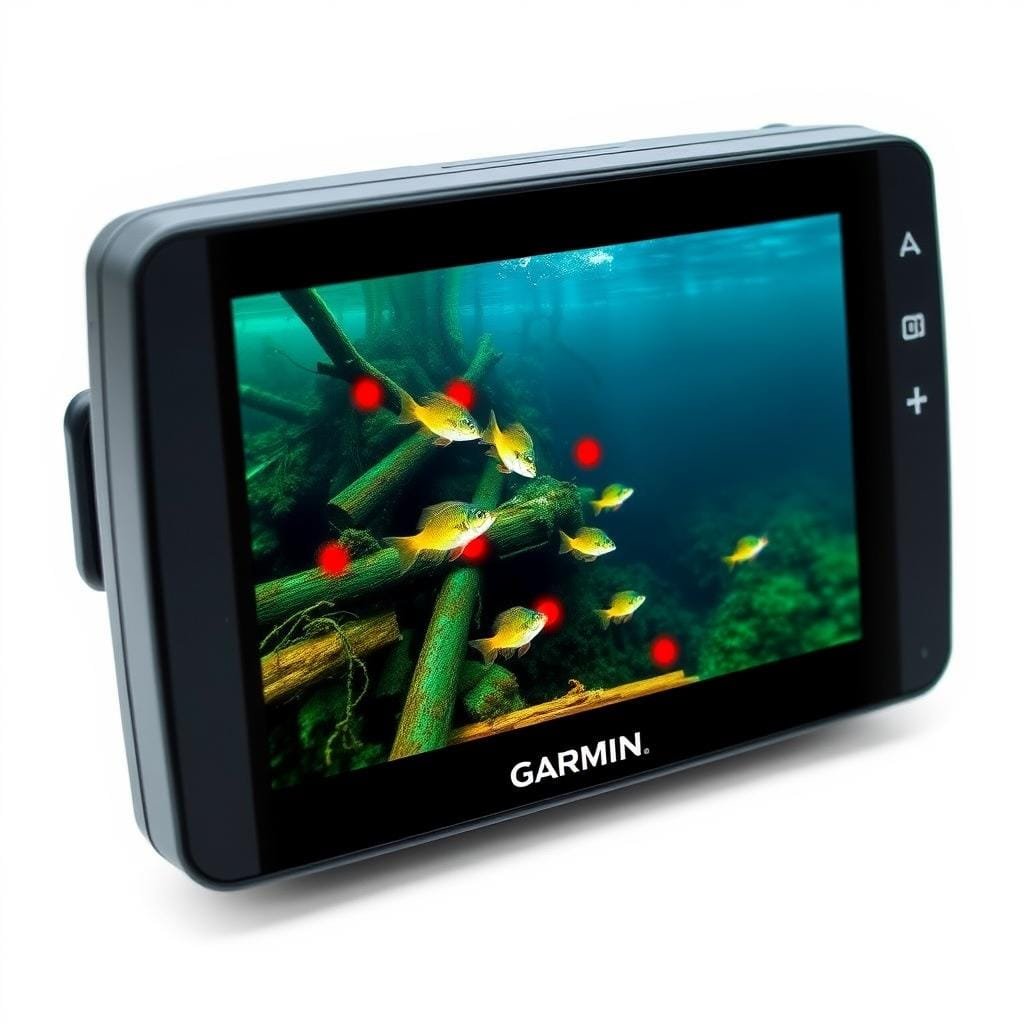
Finding the right spot for locating crappie needs a good understanding of water and where fish live. It’s important for both new and experienced anglers. Knowing how to read water and find key spots, with the help of sonar technology, can really help you catch more fish.
Crappie fishing is all about finding the right spots. They like to hide around logs, brush, and plants. This keeps them safe and helps them find food. Using fish finders and Garmin Livescope lets anglers see these spots and fish movements clearly.
Using Sonars and Fish Finders to Spot Crappie
Modern sonar technology changes the game for catching crappie. Tools like Garmin Livescope show live, clear images of fish and underwater. This helps anglers find crappie spots more easily, making fishing better.
Interpreting Natural Signs for Productive Fishing Spots
But, don’t forget about nature’s signs. Look for baitfish, clear water, and surface changes. These signs can lead to great fishing spots. Using both tech and nature’s signs makes fishing more successful.
In short, for great crappie fishing, use both tech and nature. With tools like Garmin Livescope and paying attention to the environment, anglers can find and catch crappie in the best spots.
The Art of Casting and Retrieving for Crappie
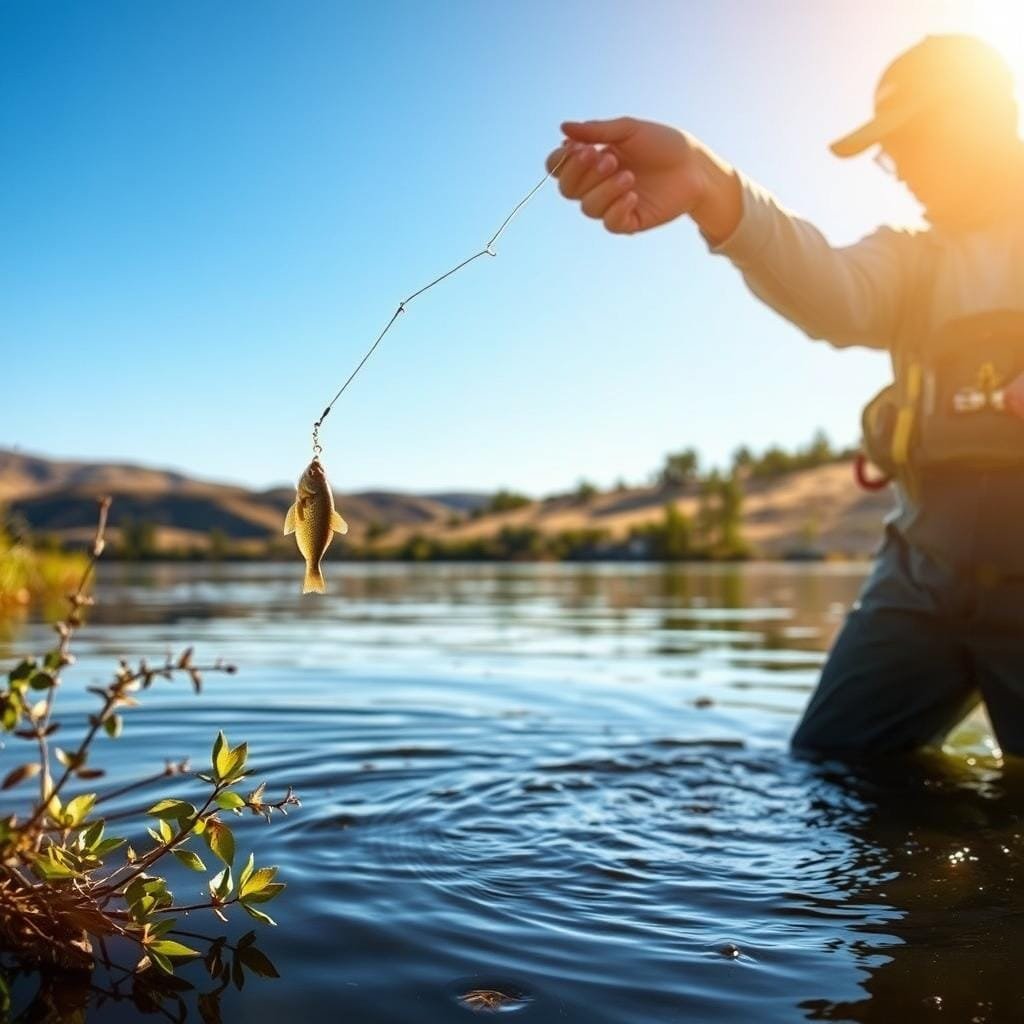
Learning how to cast and retrieve for crappie is key for better fishing. Knowing the right jigging rhythm can also help a lot. We’ll look at these skills to make you better at catching crappie.
When casting for crappie, use a light touch and be precise. Soft casts that don’t splash too much work best. Crappie don’t like loud splashes. Keep it gentle when you’re reeling in too.
- Stutter Step Retrieval: This method involves slight jerks or ‘stutters’ as you reel in, mimicking the movement of crappie’s natural prey. The erratic motion can trigger strikes from curious crappie.
- Pause and Drift: After casting, let your jig settle and drift with the current. Add pauses to make it look like injured bait. Many anglers say crappie strike during these pauses.
The right jigging rhythm is very important. Use gentle lifts and controlled falls to make it look like a real fish. Watch your line closely. A sudden slack or twitch might mean a crappie has bitten.
Getting good at these techniques takes practice and patience. You might need to change your method a bit for each place you fish. This is because different places have different crappie behaviors.
Success in crappie fishing comes from being able to adjust and improve your skills. Focus on your casting, mastering retrieval, and finding the best jigging rhythm. This will help you have many successful fishing trips.
Vertical Jigging: A Deadly Method for Crappie
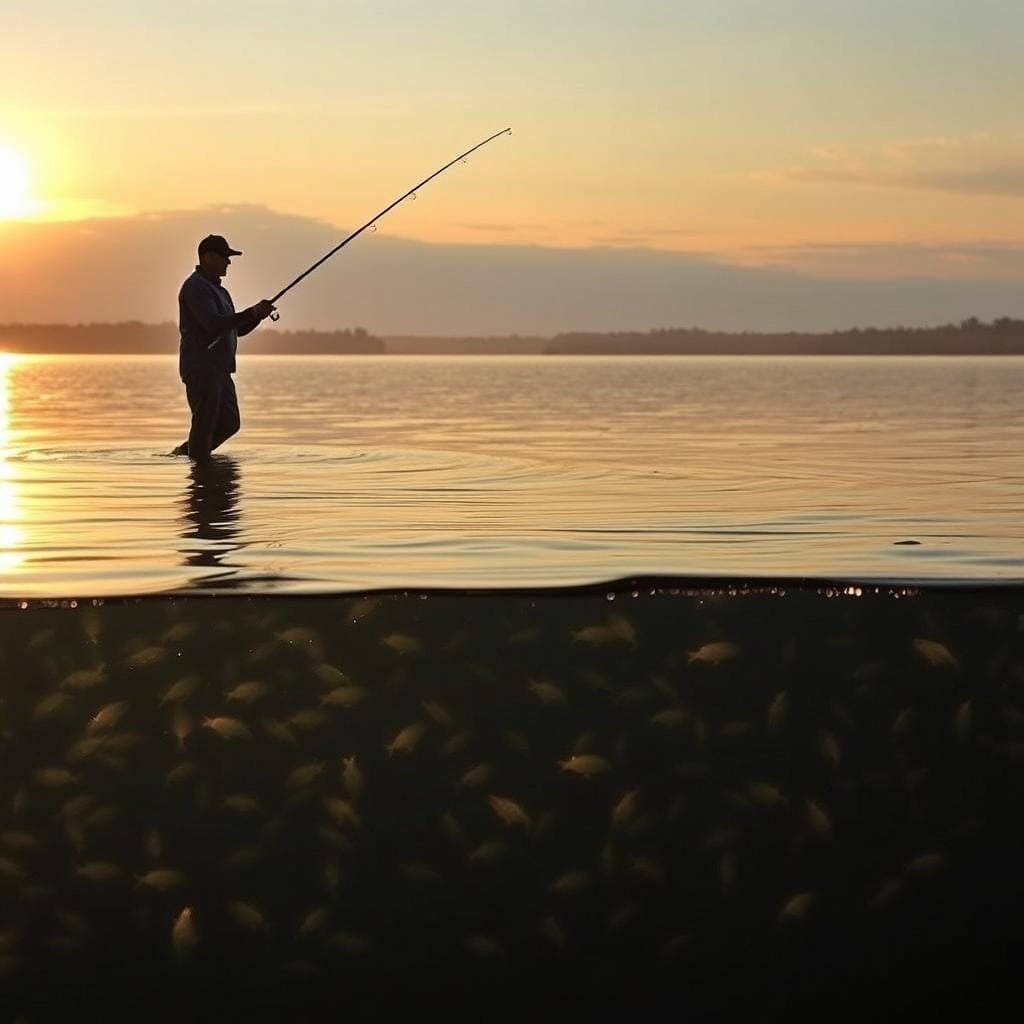
Vertical jigging is a top choice for catching crappie. It lets you fish right where crappie live, like under structures or near warm layers of water. This is super helpful in cold months when crappie go deeper.
To start vertical jigging, pick the right jig and learn how to use it. Popular jigs include the 1/64 oz Crappie Magnet Pop-Eye Jig and the Bobby Garland Baby Shad. These jigs look like real food to crappie.
Gearing Up for Vertical Jigging
Having the right gear is key. Use a light rod with a sensitive tip to feel crappie bites. Choose a light line to keep your jigging natural and not scare the fish. The right tackle makes a big difference in vertical jigging.
Technique and Presentation: Keys to Success
How you jig is just as important as your gear. Start by dropping your jig to the right depth. Then, lift your rod a little and let it drop again. This makes your jig look like it’s alive.
The way you present your lure is also super important. Use small movements and pauses to make your jig look real. This can turn a bad day into a great one.
To catch more crappie, fish in the right spots. Look for places like brush piles or fallen trees. Fishing in 5-6 ft of water is usually good, and even better if it’s near a warm layer in summer.
| Jig Type | Weight | Recommended Use |
|---|---|---|
| Crappie Magnet Pop-Eye Jig | 1/64 oz | Clear waters, subtle approach |
| Bobby Garland Baby Shad | Varies | Imitating small baitfish |
| Eagle Claw Crappie Jigs | Varies | Diverse conditions |
Every time you go jigging, you learn something new. By changing your jigging based on what you see, you’ll catch more fish. Being patient and perfecting your technique will make you a pro at vertical jigging.
Trolling for Crappie: Cover More Water Efficiently
Trolling is a great way to catch crappie. It lets you fish over big areas. Knowing how to set up your boat and control speed can help you catch more fish.
Setting Up Your Boat for Trolling
Having the right boat is key for crappie fishing. Make sure your boat has a good trolling motor. This lets you control speed well.
Also, use adjustable rod holders. They help you place rods at different angles and depths. This way, you can fish more water and use different baits at once.
Choosing the Right Speed and Depth
Choosing the right speed is important to get crappie to bite. Start slow, about 0.5 to 1.5 miles per hour. This lets your baits look natural.
Also, pick the right depth for your speed. In warm months, crappie go deeper. Adjust your depth to reach them.
| Season | Recommended Trolling Depth | Speed (MPH) |
|---|---|---|
| Spring | 3-6 feet | 0.5-1.0 |
| Summer | 8-15 feet | 1.0-1.5 |
| Fall | 6-10 feet | 0.5-1.0 |
| Winter | 10-20 feet | 0.5-1.5 |
By matching depth and speed to the season, you can catch more crappie. Remember, the best trolling is adapting to the day and the fish’s mood. With the right setup and knowledge, you’ll catch more fish.
Slip Cork and Bobber Techniques for Shallow Crappie
Slip cork fishing and bobber fishing for crappie are great for shallow water. They are simple and work well. During the spawning season, these methods are perfect. They let you see when a fish bites, so you can catch it.
Slip cork fishing lets you adjust your line depth easily. This keeps your bait right above where crappie hide. It’s a smart way to catch more crappie.
Bobber fishing is also very effective. It lets you fish over many areas at once. This is great for finding crappie in shallow water. It’s easy to use and doesn’t need complicated gear.
- Visibility: Both methods make it easy to see bites.
- Simplicity: They are easy to set up, for all skill levels.
- Depth control: Important for catching crappie, as they move with the spawn.
- Area coverage: Helps you test many spots by adjusting the bobber or slip cork.
These techniques are not only good but also fun. They make fishing hands-on and rewarding. They’re great for teaching or improving your fishing skills.
Live Bait vs. Artificial: What Works Best for Crappie?
Many anglers debate whether live bait or artificial lures are better for catching crappie. Each method has its own strengths and works well in different situations.
Live bait for crappie is very effective. Minnows, for example, attract crappie with their natural movement and distress signals. Worms also appeal to crappie’s natural diet.
Artificial lures are versatile and last longer. Soft plastic jigs are favorites among crappie anglers. They come in many colors and designs, helping anglers match their strategy to the day’s conditions. Small crankbaits and plastic grubs work well in clear water, mimicking crappie prey.
Artificial lures let anglers try different techniques. They can change jigging speed, depth, and style to attract crappie. This flexibility is hard to match with live bait, which tires and loses effectiveness over time.
In conclusion, both live bait and artificial lures are important in crappie fishing. The choice between minnows and artificial lures depends on the situation, personal preference, and the fishing spot. Trying both can help anglers find what works best in their area.
Crappie Fishing Ethics and Conservation
Crappies live in a delicate balance of ecosystems. We need to fish responsibly to keep their numbers healthy. Catch and release, fishing limits, and size restrictions are key. They help keep crappie fishing good for now and for the future.
Catch and release is important to keep crappies alive. It means handling them gently so they can go back to the water. Knowing about fishing limits and size restrictions is also key. These rules help keep the crappie population in check.
Following these rules is more than just obeying the law. It helps keep the ecosystem balanced. Talking to local fishing groups can help you learn more about these important practices.
When we focus on crappie fishing conservation, we make fishing better for everyone. These efforts keep crappie fishing fun and sustainable for all.
Expert Tips and Tricks for Bigger Crappie Catches
Seasoned anglers know catching bigger crappie needs skill, patience, and knowledge. Understanding crappie patterns and behaviors is key. November is a great month for catching crappie in the middle of the United States. Crappies are hungry then, making it easier to catch them.
Water temperature is important for finding and catching crappie. When it’s in the 50s (Fahrenheit), crappie are active. They can be caught at depths of 4 to 14 feet, where they often gather. Fishing at these depths can really help you catch more.
Also, knowing when to fish is important. Crappie are most active in low light. So, dawn and dusk are the best times to fish. Fishing in the early morning and late evening can lead to bigger catches. With these tips, your next fishing trip could be very successful.
FAQ
What behaviors do crappie exhibit during different seasons?
Crappie act differently with the seasons. In spring, they go to shallow waters to feed and have babies. They get very protective of their territory.
In fall and winter, they gather in deeper waters to save energy. Summer finds them spread out in cooler, deeper areas.
How can I differentiate between black and white crappie?
Black crappie like rocky places and have spots. White crappie prefer shallower waters with lots of plants and have vertical bars on their sides. Knowing this helps you catch them better.
What essential gear do I need for crappie fishing?
You’ll need a light rod, about 6 to 7 feet long. A 1000 or 2000 size spinning reel and a four-pound monofilament line are key. Jigs or live minnows are great baits.
When is the best time of day for crappie fishing?
Early mornings and late evenings are best. These times match when they like to eat. But, it also depends on the season and water temperature.
How do I locate crappie in a lake or reservoir?
Look for logs, docks, brush piles, and plants underwater. Garmin Livescope can help find them in different depths and conditions.
What’s the best way to cast and retrieve for crappie?
Move your line gently and steadily. Try “stuttering” to mimic prey. Watch for small bites, which are common in fall.
What techniques should I use for vertical jigging?
Be patient. Use hair jigs and move them carefully among cover. Wait for small bites. Adjusting your jigging can attract even the shyest crappie.
How do I set up my boat for effective trolling for crappie?
Use multiple lines with different lengths to reach various depths. Change your speed based on how active the crappie are and the depth. This makes your bait more appealing.
What are the advantages of using a slip cork and bobber for crappie fishing?
These methods show bites clearly. They’re great for shallow waters during the spawn. It’s easy to adjust the bait depth.
Should I use live bait or artificial lures for crappie?
Both are good. Live bait like minnows is very tempting. But, artificial lures are versatile and better for those who don’t like live bait.
Why is responsible crappie fishing important?
It’s important to fish responsibly. Catch and release during spawning seasons helps keep crappie numbers up. Knowing local fishing rules helps protect the species for future anglers.
What tips can help me catch bigger crappie?
Fish in November when they’re bigger. Look for water in the 50s. Fish between 4 and 14 feet deep. Fish early morning or late evening for the best results.