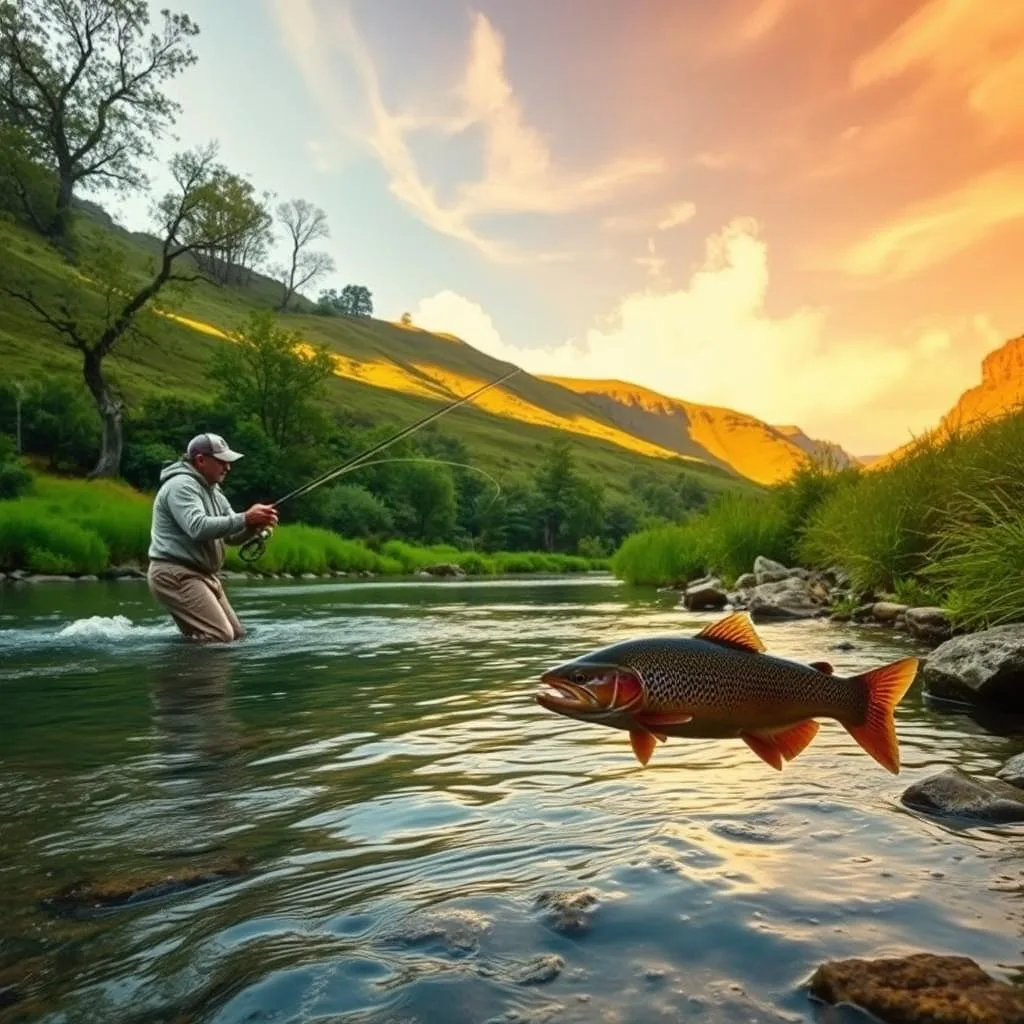
Going on a fishing trip to catch brown trout needs skill, patience, and knowing their habits. This comprehensive guide has expert fishing tips. It helps you learn how to catch brown trout well, making freshwater fishing better.
Brown trout come from Europe and are now a top catch in American waters. Learning brown trout fishing techniques is exciting for all anglers. This guide will teach you about their biology and the best fishing times, improving your fishing.
Get ready to learn about brown trout, a favorite game fish. They are beautiful and fight hard. This guide will help you catch them, making your fishing trips rewarding and fun.
Understanding Brown Trout Habits and Habitats
To catch brown trout, you must know where they live and when they’re active. They like cold water in lakes, rivers, and streams. Each place has its own challenges and chances for catching them.
Where to Find Brown Trout: Lakes vs. Rivers
Brown trout like different places to live. In lakes, they hide near logs, weeds, or deep spots. These places give them shelter and food.
In rivers, they like the oxygen and hiding spots among rocks. Knowing where to fish in lakes or rivers can help you catch more.
Understanding the Seasonal Behavior of Brown Trout
Knowing when to fish is key. Brown trout are easier to catch in spring and fall. In autumn, they’re very active during their spawn.
Changing your fishing plan with the seasons can help you catch more. It’s important to fish at the right time based on their patterns.
Fishing well means knowing when and where to go. It’s not just about catching fish. It’s also about respecting their natural world.
Essential Gear for Brown Trout Fishing
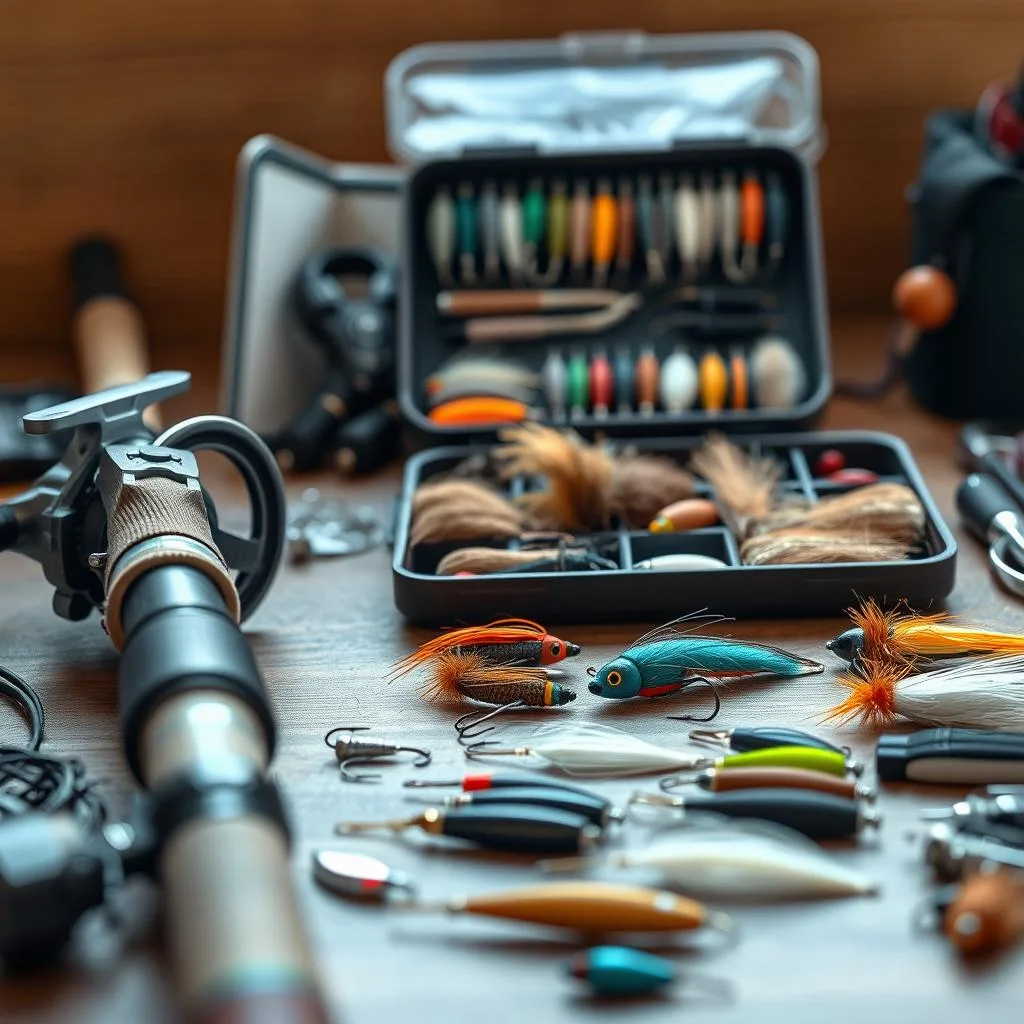
When you go fishing for brown trout, picking the right gear is key. The gear you choose changes with the seasons. This is because the fish’s behavior and what they eat changes too. Good fishing tackle can make your day much better.
In winter, you’ll want a light-action rod and 10-20 lb braided line. Add a 10 lb mono leader. This setup helps you set hooks well with treble hooks. It’s also good because it’s not too stiff.
For reels, go with something like the Pflueger President Spinning Reel. It’s strong and can handle the fish’s sudden moves.
Summer fishing is different. You’ll need a light rod and a 10lb braided main line. Use a 4-8 lb fluorocarbon leader. This helps your line look like a sculpin in the water.
Clear water means you need to be careful not to scare the fish. Use tools like the Voodoo Custom Tackle Rabbit Hair Jigs. They look like small creatures that trout like to eat.
- Winter Gear: Light-action rod, 10-20 lb braided line, 10 lb mono leader, treble hooks
- Summer Gear: Light-action rod, 10 lb braided main line, 4-8 lb fluorocarbon leader, Voodoo Custom Tackle Rabbit Hair Jigs
Choosing the right gear for the season and where you fish makes your trip better. It also helps the fish and the water. Fishing smart means catching more and taking care of the environment.
Best Baits and Lures for Brown Trout
Fishing for brown trout is exciting with the right tools. Knowing the best effective fishing baits and brown trout lures helps you fish well in different conditions. Here are some tips that work for many anglers.
Selecting the Right Lures: From Spinners to Plugs
Using lures that match brown trout’s habits can help you catch more. In spring and autumn, when waters are murkier, bright lures work best. The Panther Martin and Rooster Tail are great choices. They look like small baitfish, which brown trout can’t resist.
In cold weather, like late fall or winter, trout like lures that look like minnows and slow-moving jigs. These lures are easy for trout to see and move in cold water. They are very effective fishing baits.
Live Baits: Nightcrawlers and Other Effective Options
- Nightcrawlers: A classic choice that’s great in slower rivers or lakes in warmer months.
- Mealworms: Good for quiet fishing, perfect for shy trout or lightly fished waters.
- Minnows: Best in cold months, they look like natural prey for brown trout.
Choosing the right lure or bait based on the season helps you catch more. In spring, active trout like lures with flash and vibration. In winter, bait with scent and taste is better, as trout are less active.
| Season | Lure Type | Effective Bait Example |
|---|---|---|
| Spring | Spinners | Panther Martin |
| Summer | Live Bait | Nightcrawlers |
| Fall | Plugs | Rooster Tail |
| Winter | Minnow Lures | Rapala Count Down |
Having a variety of brown trout lures and effective fishing baits in your tackle box is key. It prepares you for any fishing trip. Whether it’s summer calm or winter’s chill, the right choice leads to great fishing and memorable catches.
Techniques and Strategies: How to Catch Brown Trout
Learning angling techniques for brown trout fishing strategies is key. Knowing how brown trout act in different places helps a lot. In rivers, they like hiding under rocks or near logs. Lakes are different, where you might troll or use flashers to find them.
Good angling techniques include casting upstream. This lets your lure or bait move with the current. It works well in rivers. Lakes and rivers also do well with lively baits like nightcrawlers. They look like real food and can get even shy trout to bite.
| Technique | Environment | Effectiveness |
|---|---|---|
| Upstream casting | Rivers | High |
| Trolling with trout flashers | Lakes | Medium to High |
| Bouncing nightcrawlers | Rivers and Lakes | High |
For more tips, check out this article on catching trophy brown trout. It talks about how to increase your chances of a big catch. It uses many brown trout fishing strategies.
Whether you’re new or experienced, keep trying new angling techniques. It will make you better and more likely to catch fish. The joy of catching a big brown trout is unbeatable.
Making the Most of Weather Conditions
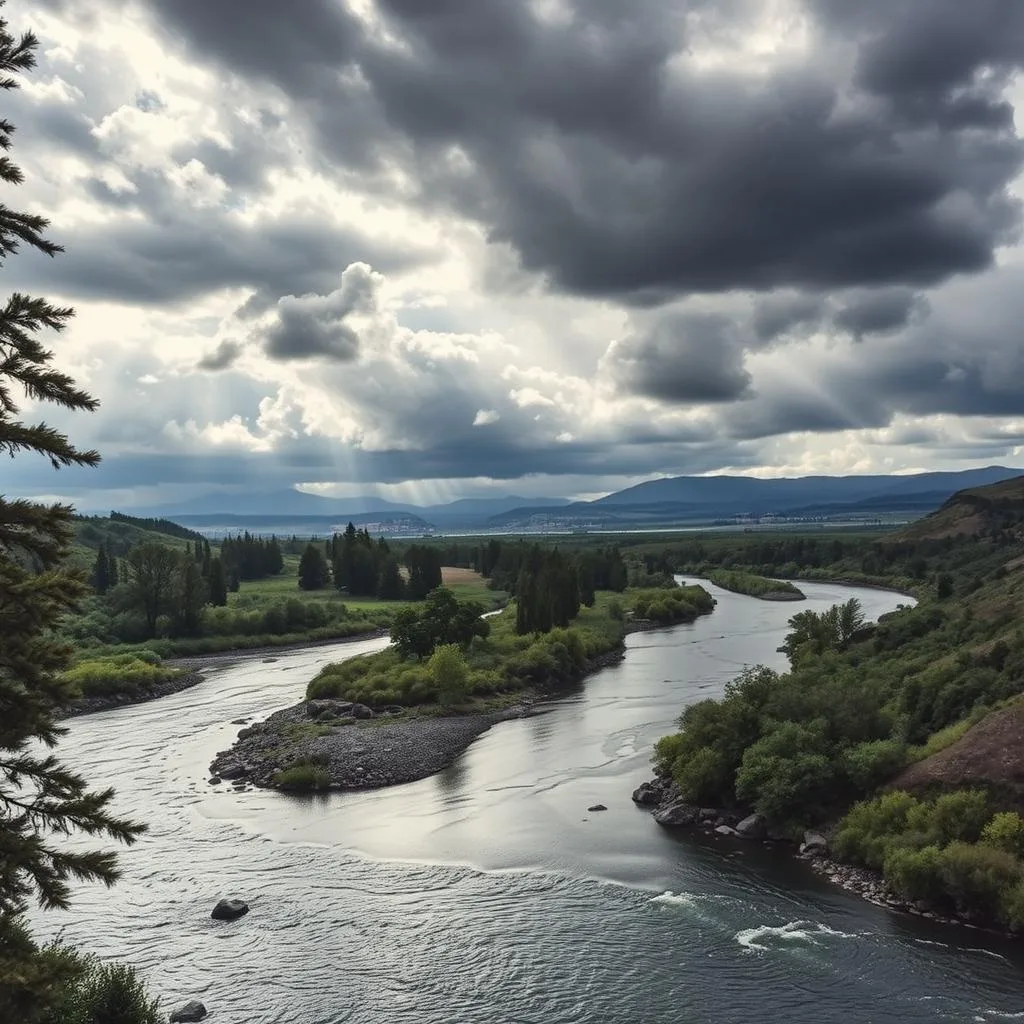
Fishing in changing weather is key to catching brown trout. Knowing how weather affects their behavior helps a lot. This part talks about how rainy and cloudy days, and changes in water levels, help you catch more fish.
Rainy and cloudy days are great for catching brown trout. The less sunlight means fish can’t hide as well. So, they come out to eat more.
- Light rain or cloudy skies are perfect for using special lures that look like their food.
- Try using bright or bigger lures to get their attention when it’s dark.
Changes in water levels also affect where fish are and when they eat. You need to change your fishing plan to keep catching:
- When the water is high, fish near the banks or behind big things.
- Use bigger and more visible lures because the water is murky and fast.
By watching and responding to these signs, you can catch more brown trout. This is true when the weather is changing.
Understanding and Adapting to Brown Trout Feeding Times
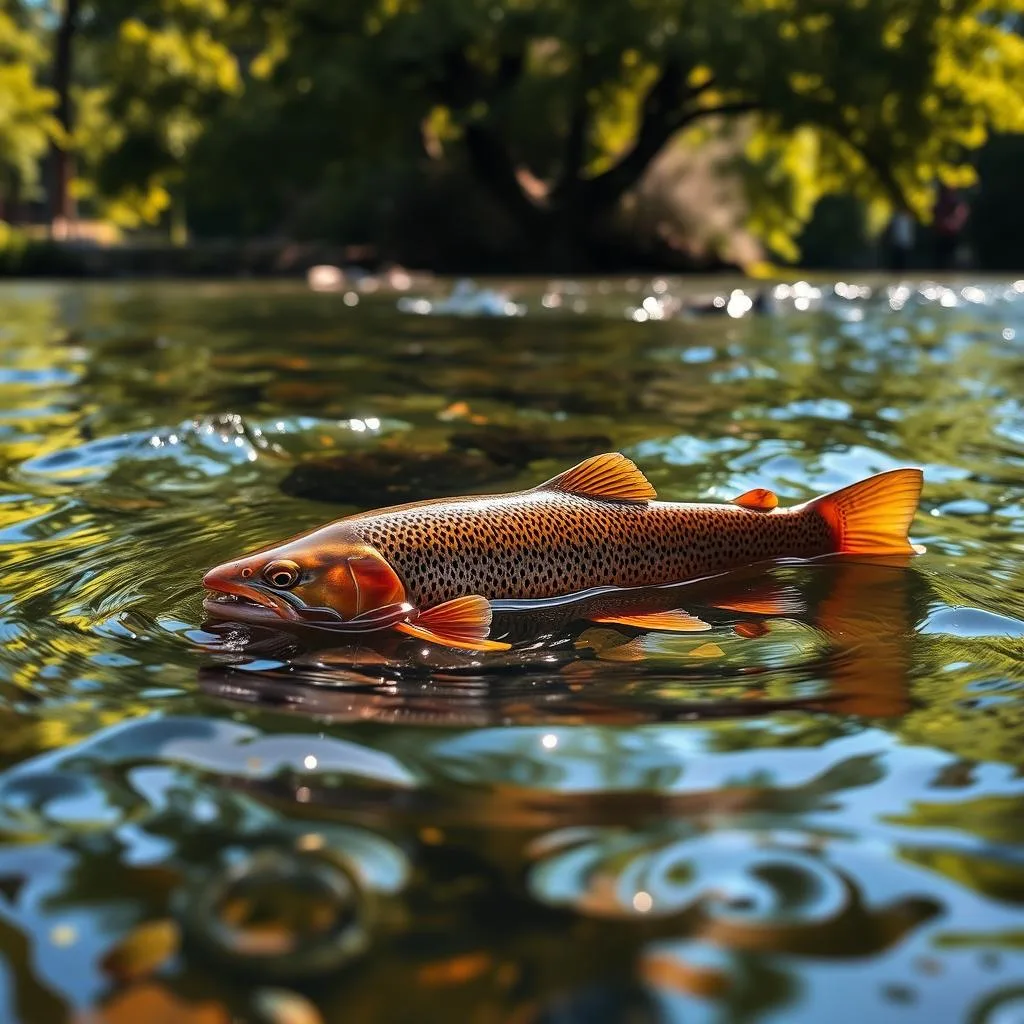
Successful brown trout fishing starts with knowing their brown trout feeding patterns and optimal fishing times. Their feeding times change with the environment. This knowledge boosts your chances of catching them.
Brown trout are most active when it’s dark, like early morning or late evening. They also like cloudy weather or night. These are the best times to fish.
| Time of Day | Feeding Activity Level |
|---|---|
| Early Morning | High |
| Midday | Low |
| Late Evening | High |
| Night | Very High |
Knowing brown trout feeding patterns makes fishing better. Big brown trout are easy to catch before they spawn or after rain. These times are great for catching a big fish.
Watching the weather and water helps find the best fishing times. After a lot of rain, rivers swell. Brown trout then eat a lot, using the new nutrients and confused small fish.
Knowing optimal fishing times and watching the environment is key to catching brown trout.
Advanced Techniques for Catching Brown Trout
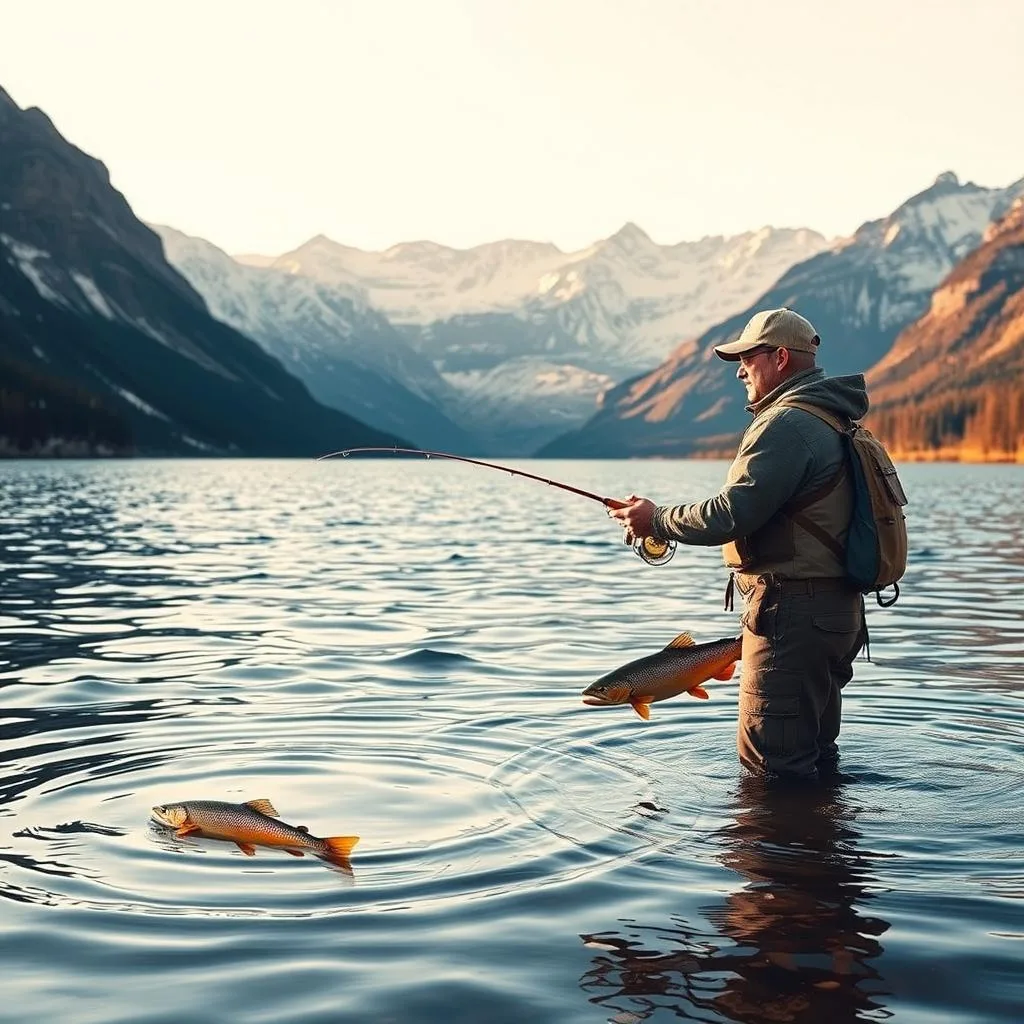
Learning to catch brown trout well means knowing advanced fishing tactics and stream and lake techniques. These methods are smart and work well. They match the trout’s ways and the places they live in.
Stream Fishing Tactics for Stealth and Success
When fishing in streams for brown trout, being quiet is key. Anglers should try to be as small and quiet as possible. It’s best to hide behind rocks or logs.
Cast your line carefully to not scare the fish. Using natural bait or lures that look like the real thing helps a lot. The goal is to look like a part of nature and move like prey.
Lake Fishing Techniques: Trolling and Jigging
In lakes, advanced fishing tactics include trolling and jigging. Trolling lets you fish a big area and reach different depths where trout might be. It’s good to change speeds and patterns to not disturb the water too much.
Jigging, like with hair jigs, is great in cold weather. It makes the lure move up and down like prey. This can make trout from deeper water bite hard.
Using these stream and lake techniques well takes knowledge, patience, and practice. Whether you’re quiet in streams or using lures in lakes, each method can help you catch more trout. The most important thing is to always watch and change your plan as needed, making every cast count.
The Importance of Conservation and Ethical Angling
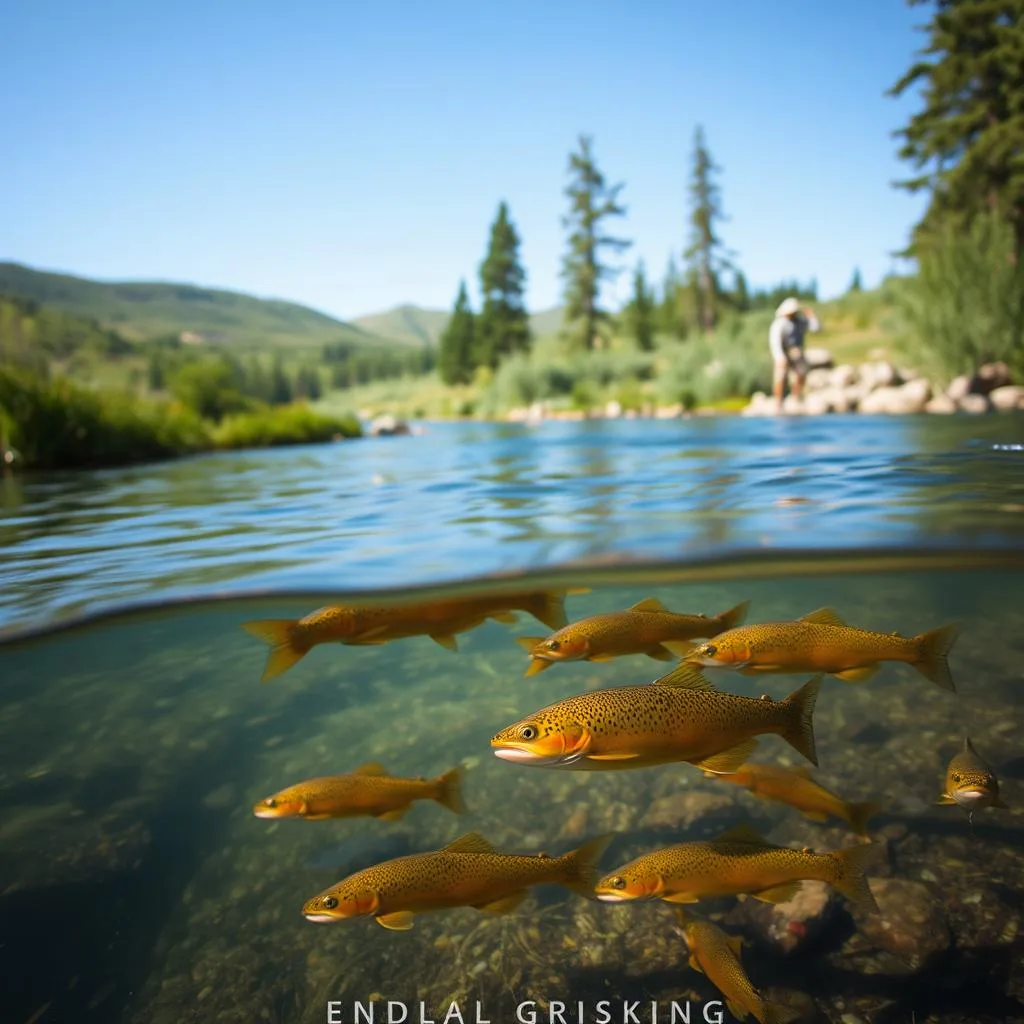
Trout fishing conservation is key for keeping fish populations strong. It also helps protect their natural homes for future generations. Ethical angling is important for both the fish and the fun of fishing.
Anglers can help a lot by catching and releasing fish, mainly during breeding times. This way, they help fish numbers stay healthy. They also keep fish behaviors and breeding cycles going right.
Using gear and techniques that don’t hurt fish is very important. This includes using barbless hooks and handling fish gently.
- Monofilament line, which takes 600 years to break down, should be avoided. Choose better options instead.
- Be kind to the stream by not crowding others. Talk nicely to keep the fishing area peaceful.
- Following local laws and rules is also key. They help manage fish populations well.
Trout fishing conservation and ethical angling are more than just rules. They’re about caring for nature and its creatures. By leaving a small footprint, we help trout populations thrive worldwide.
How to Catch Brown Trout: Setting Up for Success
Getting ready to catch brown trout is key. We’ll cover what you need and how to do it. This will make your fishing trip fun and successful.
- Choose the Right Rod and Reel: A light to medium-light action rod works best for brown trout. Choose a reel with a smooth drag system. This helps when the trout make quick runs.
- Select Appropriate Line: Brown trout see well, so pick a thin, clear line. This helps you stay hidden in clear water.
- Use Effective Lures and Baits: Pick lures that look like what brown trout eat. Use both live baits like insects and artificial lures like spinners or small spoons.
It’s also important to know how to fish like the trout and match your fishing spot:
- Understand Local Conditions: Learn about the water’s temperature, flow, and clarity. This info helps you fish better.
- Employ Stealth and Precision: Move quietly to avoid scaring the fish. Casting well is important, too. Currents can carry off bad casts.
- Adjust Tactics with Weather Changes: Trout act differently with the weather. Change your fishing spot or lure/bait if needed.
By carefully setting up your gear and fishing like the trout, you’re ready for a great catch. Whether you’re new or experienced, these steps will make your fishing trip great.
Brown Trout Fishing Myths Debunked
In the world of fishing, brown trout myths are common. They make many people think wrong about catching these fish. Let’s clear up some myths with factual angling information.
- Myth: Brown trout can only be caught with specific baits.
- Fact: Brown trout eat many things. They bite on different baits and lures, based on where they are and the season.
- Myth: Brown trout only feed at night.
- Fact: They are most active at dusk and dawn. But, brown trout can be caught at any time, like when they’re getting ready to spawn.
Brown trout’s behavior changes with their environment. Knowing this can really help you catch more fish.
When fishing for brown trout, being flexible and informed is key. Using factual angling information helps you change your fishing style. This makes your fishing trips more fun and successful.
Troubleshooting Common Brown Trout Fishing Challenges
Fishing for brown trout can be tough, but it’s part of the fun. Learning to solve problems is key to getting better. If trout ignore your lures, try something new. Maybe use local bait to catch their attention.
Bad weather can make fishing hard. But, you can adjust your way of fishing to succeed. Use big, easy-to-see lures in cloudy water. Look for clear spots where trout might hide.
Knowing what trout eat is important. Watch the water to see what they like. Being patient and trying new things can lead to a great catch.
FAQ
Where can I typically find Brown Trout in various bodies of water?
Brown Trout like cold water. You can find them in lakes, rivers, and streams. They like places with trees and rocks for hiding and eating.
How do the feeding habits of Brown Trout change with the seasons?
Brown Trout eat different things at different times. In autumn, they get hungry and eat more. This is good for people who want to catch them.
What kind of gear should I use for Brown Trout fishing?
For winter, use a light rod with 10-20 lb braided line and a 10 lb mono leader. In summer, a light rod with 10lb braided line and a 4-8 lb fluorocarbon leader works well for jig fishing.
What are the best lures to use for Brown Trout fishing?
Choose lures wisely. In winter, minnow lures are good. In spring, try spinners like Panther Martin and Rooster Tail. In warmer months, use lures that look like food. Live baits like nightcrawlers and mealworms also work.
How should I adjust my fishing techniques for Brown Trout through the seasons?
In rivers, fish near structures. Use tactics that appeal to their hunting nature. For lakes, trolling with trout flashers is effective. Adjust your fishing based on the trout’s behavior and where they live.
How does weather impact Brown Trout fishing success?
Rainy and cloudy days make Brown Trout more active. Changes in water levels can also affect their behavior. High, dirty water can lead to more feeding and a better chance to catch them.
When is the best time to fish for Brown Trout?
Brown Trout are most active at dawn, dusk, and night. High water and before they spawn are also good times to catch big ones.
Can you explain some advanced fishing techniques for Brown Trout?
Advanced techniques include being quiet in streams and using hair jigs. In lakes, try trolling with a three-way swivel and jigging in cold months.
Why is conservation important in Brown Trout fishing?
Conservation helps keep Brown Trout populations healthy. Anglers should catch and release, use barbless hooks, avoid spawning fish, and handle them gently.
How do you debunk common myths about Brown Trout fishing?
Many think Brown Trout can only be caught at night or with certain baits. But, their feeding habits change with the environment and their mood, like before they spawn.
What should I do when facing common challenges in Brown Trout fishing?
Be flexible. If your lures aren’t working, try something else. Understand what they like to eat and where they live to catch them when they’re not biting.