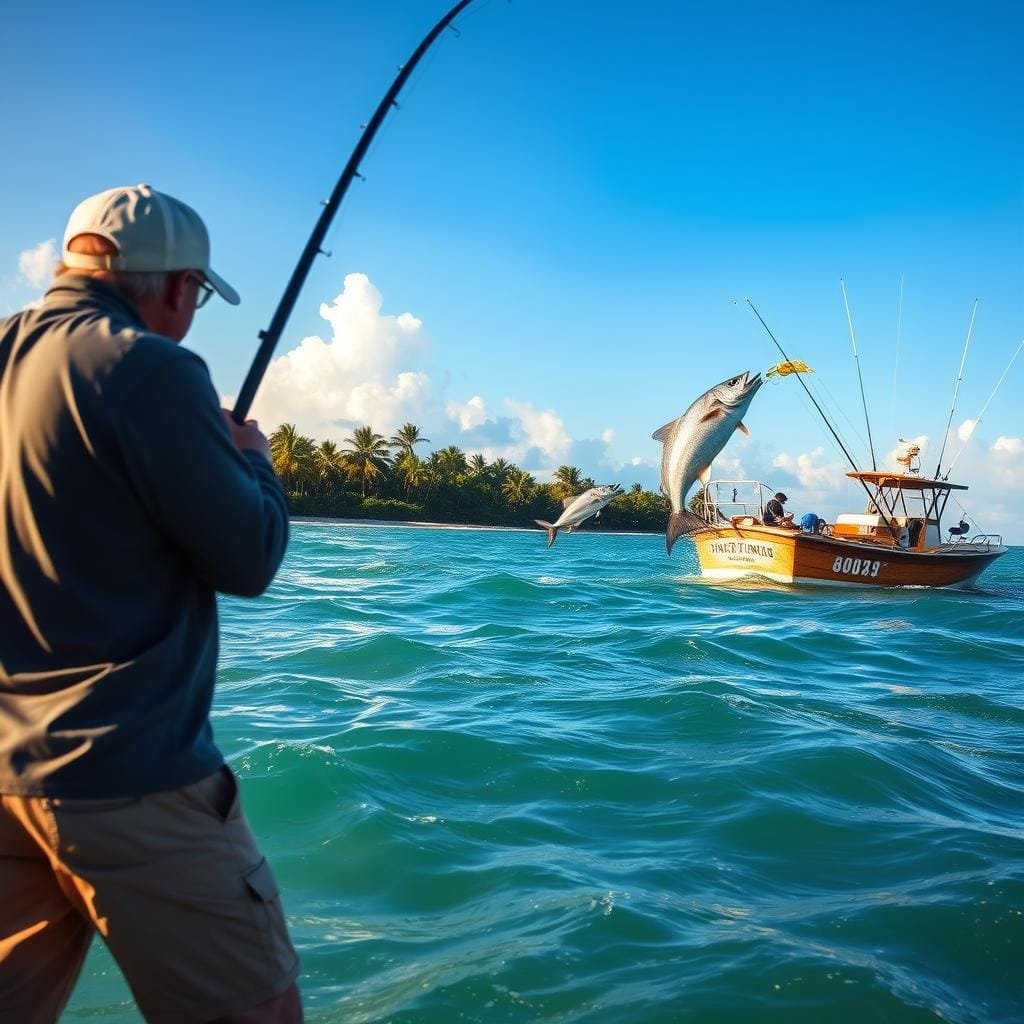
Tarpon are called Silver King for a reason. They jump high and shake hard. They also spit hooks like no other fish. To catch tarpon, you need a plan that includes timing, tackle, and how to fight them clean.
Hookups are tricky. Their mouths feel like bone. So, use circle hooks and steady pressure instead of brute force. Many anglers talk about jumping fish instead of landing them. We’ll show you tarpon techniques that keep hooks in and protect the fish.
From Florida’s migration windows to gear for aerial runs, we’ve got you covered. You’ll learn about seasonal patterns, legal basics, and beach tarpon strategies. For more on live bait and fight control, check out these tarpon techniques from veteran captains.
Whether you’re using a crab or tracking mullet, the goal is simple. We want more bites, clean releases, and lasting memories. Let’s get you ready to catch the Silver King.
Tarpon basics: behavior, habitat, and why they’re called the Silver King
The Silver King has shiny scales, strong power, and cool surface moves. Watch the sky and water to see tarpon. They like calm mornings and clear water.
When tarpon roll, they’re getting ready to swim fast in low oxygen areas.
Species profile and size (up to 7 feet and 300+ pounds)
Tarpon are big, up to seven feet and over 300 pounds. They have strong shoulders and a fast tail. This makes them run and shake their heads a lot.
Where they live: nearshore coasts, estuaries, rivers, and beach troughs
Tarpon live in warm coastal areas, river mouths, and big estuaries. They swim in beach troughs, near sandbars, and inlets. Look for them in deep channels too.
Find them by slicks, bait showers, and steady swimming just outside the waves.
Feeding habits: fish, shrimp, and crabs; rolling and air-gulping behavior
Tarpon eat fish, shrimp, and crabs. They like mullet, threadfin herring, and blue crabs. Their famous rolling helps them breathe in murky water.
Why hook-ups are hard: bone-hard mouths and acrobatic jumps
It’s hard to catch a big tarpon because their mouths are very hard. Once hooked, they jump and shake a lot. Use single hooks and smart angles to catch them.
Watch tarpon behavior and habitat changes. Look for them rolling and plan your next move.
Best seasons and timing in the U.S. for beach and nearshore tarpon
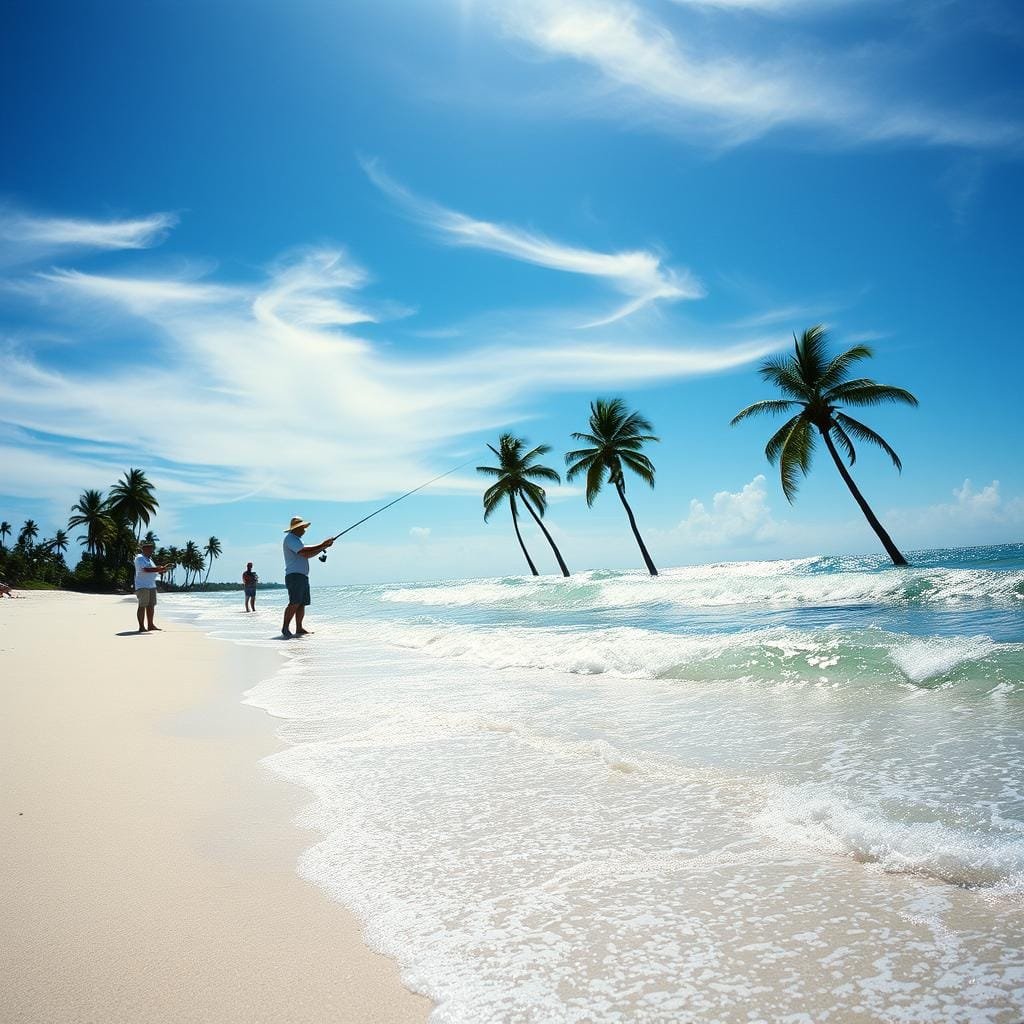
Plan your fishing trip with the migration and weather in mind. The best beach tarpon fishing is in spring and summer. This is when tarpon season in Florida is at its peak.
Look for bait showers and rolling fish. These signs mean tarpon are getting ready to bite.
Prime water temps: 75–90°F, typically April–September
Tarpon get active when the water is between 75 and 90 degrees. This usually happens from April to September. The best time is late spring and summer.
In Florida, big schools of tarpon move along the beaches when it’s warm. Check out this Florida beach tarpon guide for more details.
If the water gets cold, tarpon move to warmer spots. Keep an eye on the temperature and adjust your fishing plan.
Reading tides and current: plan around strong moving water
Tides are key for catching tarpon. Strong currents bring bait to certain areas. Fish during the peak tide flow for the best chance.
Move your position as the current changes. Use natural presentations that match the current. Choose bait that fits the current’s offerings.
Daily windows: dawn, dusk, and pre-front weather patterns
Low light is the best time for beach tarpon fishing. Dawn and dusk are when fish are most active. Before a storm, tarpon get ready to hunt.
Watch the surface for signs of tarpon. Bait scattering and silver flashes mean they’re near. If the action stops, try a different spot.
Top U.S. locations and travel-worthy hotspots
Florida is the top spot for tarpon fishing. The best tarpon spots in Florida are active from spring to early fall. Look for clear water, steady tides, and rich bait shores. For a quick guide on the best places in the U.S. and Central America, check out this guide on where to catch.
Florida standouts: Miami, Clearwater Beach, Boca Grande Pass, Sanibel Island
Miami’s tarpon are found in Biscayne Bay flats and Haulover. Clearwater Beach is known for pier lines and troughs. Boca Grande Pass has huge tarpon in late spring.
Sanibel Island is great for tarpon on channel edges and Gulf beaches.
Visit famous spots and nearby areas to avoid crowds. Change locations during the day to follow bait and get a good angle.
Finding fish from the beach: inlets, passes, deep channels, and sandbar edges
Look for tarpon in inlets and passes during strong tides. These spots are where bait and fish gather. Fish the outer sandbar at dawn for tarpon.
Cast into deep channels where shrimp and mullet go to sea.
Use polarized lenses to see tarpon. Cast low into the wind and lead fish by yards to avoid scaring them.
Pressure matters: heavily pressured fish vs. less pressured zones
Too many boats can make tarpon shy. Find quiet spots, like coves and off-peak tides, for better chances. In Florida, be quiet and use long leaders when it’s busy.
When it’s busy at Boca Grande Pass or Miami, try nearby beaches and inlets. You’ll find happier fish there.
Legal and ethical must-knows for tarpon anglers
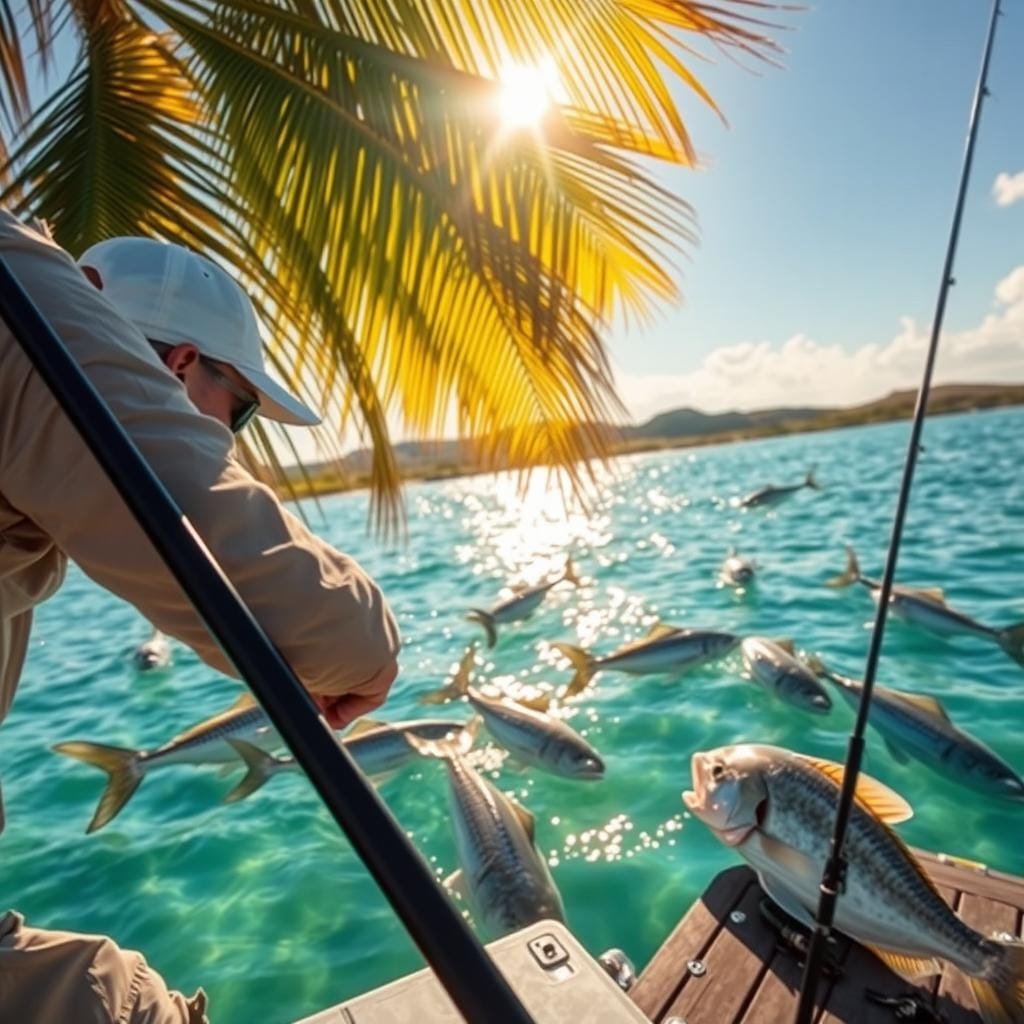
Respect the fish, and your odds get better. Know the law, fight clean, and release fast. Florida tarpon regulations and smart practices protect this legendary species for the next run.
Florida regulations: catch-and-release; fish over 40 inches stay in the water
In Florida, tarpon catch and release is the rule. Any fish over 40 inches must stay in the water—beach or boat—so plan your shot before the hookup. When in doubt, keep tarpon in water and finish documentation quickly.
Use heavy tackle to shorten the fight and reduce exhaustion. If a battle drags on, once you’ve recorded your moment, cut the line close and let the fish recover.
Gear rules and circle hook requirements
Natural bait means circle hook rules apply. Choose non-stainless, non-offset circle hooks to improve corner-of-mouth hookups and avoid deep sets. Pair them with leaders that hold, but don’t overmatch the fish.
Maintain steady pressure and never reel against a hard run. Bow on jumps to protect the hook hold and honor both the fish and Florida tarpon regulations.
Handling and photo guidelines to minimize stress
Tarpon handling should be simple and fast. Support the fish in the water, face it into the current, and avoid dry hands or hot decks. Keep tarpon in water for measurements and photos, and skip beach drags or deck slams.
Set the frame before the lift and shoot tight, then release with a calm push forward. These steps blend tarpon catch and release ethics with practical care that keeps giants strong.
how to catch tarpon
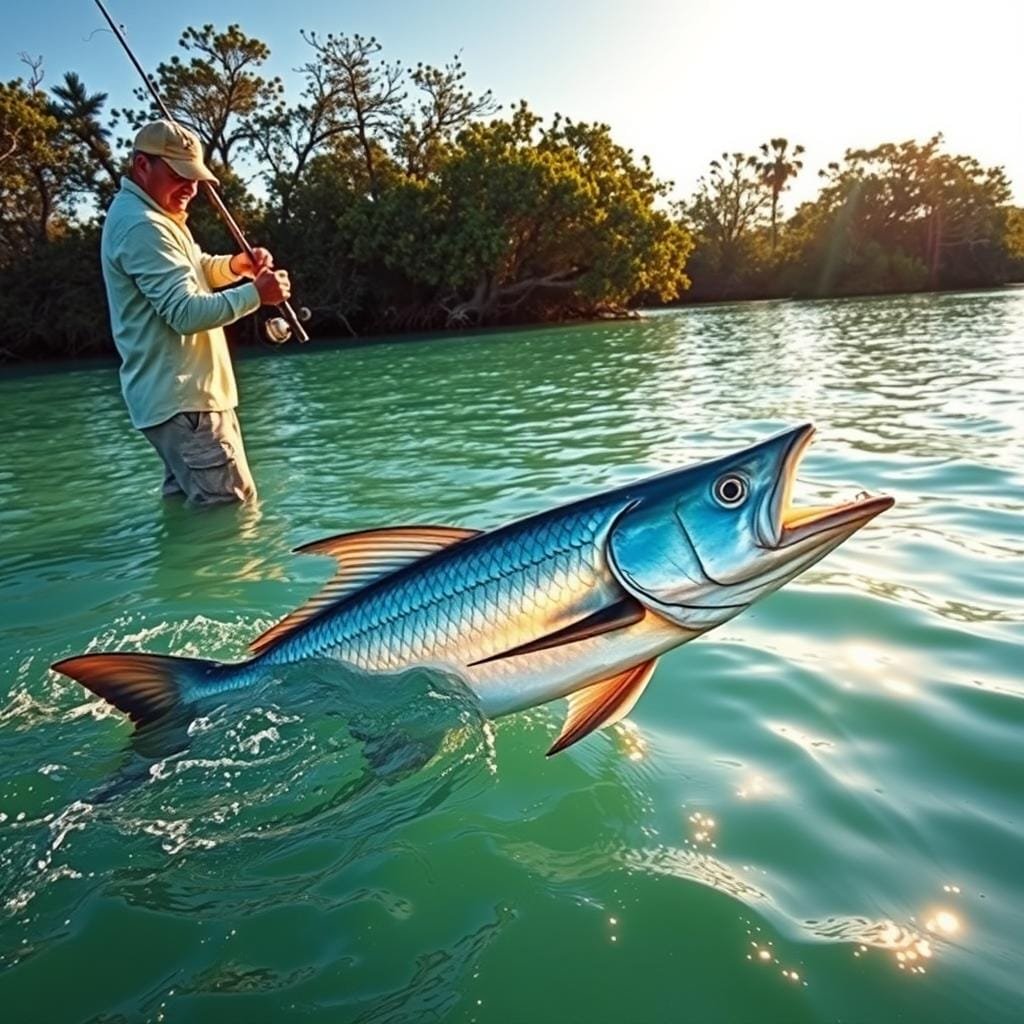
Start simple: use circle hooks with natural baits and focus on feel. The key is to reel to tight before lifting the rod. With braid, skip the hard hookset; add one steady thump only after you’re tight. These tarpon hookup techniques keep the hook in the corner and reduce jump-offs.
With live mullet, watch for nervous flips or sudden darts. If a fish swipes and misses, slowly lift to straighten the line, then drop to create a quick get-tight window. Reel fast to pressure, lift to about 45 degrees, and add one light thump if needed. Stay calm; smooth pressure beats force.
With live crabs, feel a strong bump, then a steady run. Wait for pressure, reel until tight, lift to 45 degrees, and, if the fish doesn’t pin itself, give a small thump. The instant it jumps, bow to the king to protect the hook and leader.
Dead baits shine when fish cruise troughs and sandbar edges. Set a light drag, leave the bait out, and point the rod at the bite. Let the fish run for a short count on circle hooks, then reel to tight, lift, and apply a light thump. Avoid constant bait checks that spook fish.
Artificial lures work when fish push bait near the surface. Favor single-hook jigs, soft plastics, and plugs. Use a steady retrieve with brief speed bursts or erratic jigging. When a strike comes, keep reeling, then add one firm thump. If it cartwheels, bow to the king and resume pressure once it lands.
After the hookup, think control, not chaos. Start with medium-light drag and be ready to follow big fish down the beach. Change angles often to unbalance them, and never high-stick near the wash. These tarpon fight tactics shorten battles and keep gear intact.
| Scenario | Trigger to Engage | Reel/Lift Sequence | Hook Action | Jump Response | Key Edge |
|---|---|---|---|---|---|
| Live Mullet | Nervous flips, sudden dart | Reel fast to pressure, lift to 45° | One light thump only if not pinned | Immediate bow to the king | Creates tight line window after miss |
| Live Crab | Strong bump followed by run | Reel to tight, lift to 45° | Optional light thump | Bow on every jump | Natural presentation in clear water |
| Dead Bait | Rod tip ticks, line walks off | Point rod, let run, reel to tight | Light thump with circle hook | Bow when airborne | Low effort, high soak time |
| Artificial Lures | Follow, swipe, or crush on retrieve | Keep reeling through strike | One firm thump after tension | Drop tip and resume pressure | Single hooks reduce thrown fish |
| Fight Management | Fish surges or changes direction | Adjust drag, move your feet | Angle changes over force | Bend and bow on leaps | Efficient tarpon fight tactics |
Essential tackle: rods, reels, lines, and leaders that land more fish
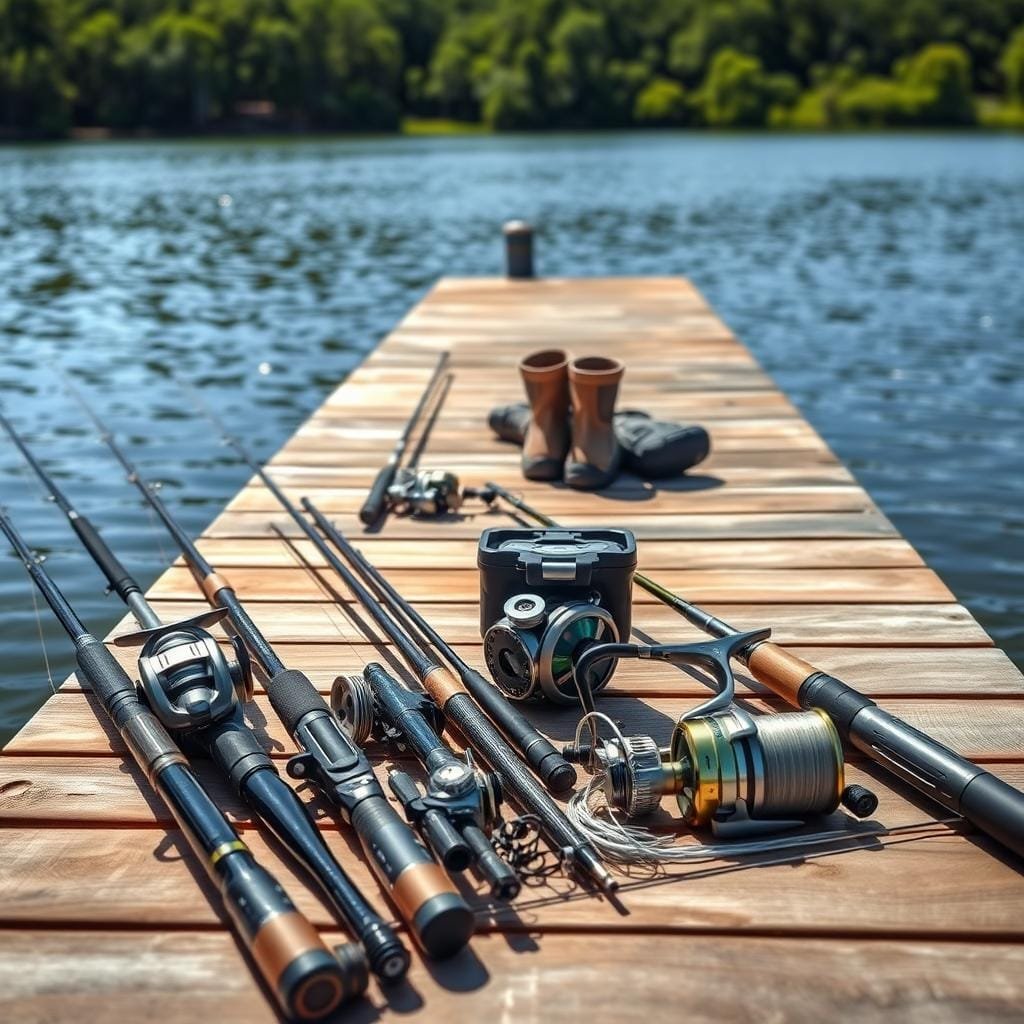
Good gear helps you stay connected when a tarpon jumps. Use a balanced rod and reel with the right line and leader. This way, you can catch fish faster and keep hooks in during jumps.
Rod and reel setups: 8-foot heavy spinning, 7000–8000 series reels
An 8-foot heavy spinning rod is great for casting. It has the power you need without feeling too heavy. Pair it with a 8000 series spinning reel from brands like Shimano, Daiwa, or Penn. These reels hold a lot and have a smooth drag.
This combo is perfect for throwing big baits and keeping knots tight. The 7000–8000 series reels also have extra power for quick turns near structures.
Line choices: 30–50 lb braid vs. mono shock absorption
Use 30–50 lb braid for better sensitivity and longer casts. Braid cuts through water and sends signals quickly. Some add a short mono topshot for extra cushion during jumps.
Thirty-pound braid is good for shorter fights and less stress on fish. Use 40–50 lb braid when it’s windy or you’re throwing heavy baits.
Leaders and hooks: 80 lb mono/fluoro; non-stainless, non-offset circle hooks (5/0–10/0)
Choose an 80 lb leader of fluorocarbon or mono for protection. Use a strong knot and a small swivel if needed.
Use non-stainless, non-offset circle hooks 5/0–10/0. Choose the right size for your bait. Circle hooks help you catch fish safely and release them easily.
Scaling down for juveniles while keeping hookup integrity
For young fish in backwaters, use a 4000–5000 reel and a medium-heavy rod. But keep an 80 lb leader for safety. In open areas, you can use 50–60 lb leaders for better action on small baits.
For small fish, use smaller circle hooks 5/0–6/0 and 30–50 lb braid. Even young fish jump a lot, so keep the drag smooth and pressure steady.
- Reel choice: 8000 series spinning reel for long runs and heat-dissipating drags
- Main line: 30–50 lb braid for sensitivity and casting distance
- Leader: 80 lb leader in fluoro or mono for abrasion resistance
- Hooks: Circle hooks 5/0–10/0, non-stainless and non-offset for reliable corner hookups
Live and dead bait gameplans that boost hookup ratios
These simple moves turn interest into fish-in-hand. Keep your drag light, your rod low, and your mind on the bite. Whether you choose live mullet tarpon, live crab tarpon, or dead bait tarpon, the goal is the same: steady pressure on a circle hook tarpon and a clean braid hookset tarpon.
Live mullet tactics start with placement. Free-line or run a bobber with a 6–8 foot leader. Watch for a mullet that panics, speeds up, or keeps burrowing. After a swipe and miss, high-lift to clear slack, then drop the tip.
When you feel real weight, reel hard to get tight. Lift to about 45 degrees and, if the hook has not seated, add one steady thump. Bow on jumps so the hook stays pinned.
Live crab approach is all feel. Bites show as a heavy bump, then a steady run. Wait for pressure, reel briskly until tight, and lift to 45 degrees. If needed, a light thump helps the circle hook tarpon find the corner of the jaw. Bow the instant the fish goes airborne.
For dead bait strategy, set the rod with the tip aimed at the bait and keep a light drag. On a take, let the fish run about half a minute while the rod stays unbent. Then reel to full tension, lift, and use a controlled thump. In slow tides, check for tip wraps and keep lines clear.
Sardines and ribbonfish shine for dead bait tarpon when crabs and mullet get ignored. Always use a circle hook tarpon to avoid deep hooking and to lock into the top or corner jaw under pressure.
Hook setting with braid is different. With a braid hookset tarpon, you reel first—no wild jerks. Once the fish is pulling drag, add one firm, measured thump. Keep the rod at 40–50 degrees and drive with the reel. The same principle holds for live mullet tarpon and live crab tarpon during that first surge.
Stay calm, keep tension, and let the gear work. Smooth reeling, smart angles, and patient pressure will carry each bite from tap to tight line.
Artificial lures: when to throw them and how to keep fish pinned
When bait gets ignored, try tarpon lures. Long casts and steady pressure help. Keep your rig clean and tight during jumps.
Best categories: single-hook jigs, soft plastics, poppers, and plugs
Start with single-hook jigs that tarpon anglers love. Bucktails with a soft paddle tail work well. Soft plastics are great in calm water or near channels.
Poppers and plugs like the Heddon Super Spook are good for surface strikes. The Yo-Zuri Hydro Pencil and Rapala Skitter Walk are also favorites.
For a minnow look, use a Yo-Zuri Crystal Minnow or Rapala X-Rap. But, switch to single hooks to land more fish.
Presentation tips: steady retrieves, speed bursts, and erratic jigging
Lead fish with a steady retrieve. If ignored, add quick cranks to get a reaction. Jigging near bottom can attract neutral fish.
In clear current, try a fast burn then pause. This often gets a bite from followers.
Reducing leverage: slide-away lures and single hooks to avoid thrown trebles
Leverage can lose fish. Slide-away lures and single hooks reduce throw rates. Use a single hook on poppers and plugs to keep the point buried.
On jigs, a stout single hook keeps the angle clean. This reduces torque when fish surge boatside.
Hookset and jump management with artificials
On the strike, reel until the line tightens, then thump hard. For bottom bites, set hard a few times before the first jump.
Bow on every jump to protect the hook. Keep the rod low and line tight. Drive the fish forward to keep the hook in.
- Reel to pressure first; no violent rips.
- Drop the tip the instant the fish goes airborne.
- After landing, resume steady pressure and change angles to stay connected.
Hookup to hand: bowing to the king and fight tactics that shorten battles
Once the hook sticks, the clock starts. Keep calm, breathe, and think in steps. Smart tarpon fight tactics save time, reduce breakoffs, and protect the fish for release.
Bow on jumps: drop the tip to create slack and protect the hook
When a fish jumps, bow to the king. Point the rod at the fish to feed a touch of slack. As it splashes back, reel fast and lift to a 45-degree angle. Repeat on every jump to keep the hook seated.
Pressure and angles: change directions to disorient and tire fish faster
Do not pull one way for long. Sweep left, then right, then straight at the fish. If it is not taking line, you should be reeling. These angle changes confuse the fish and shorten the fight.
Drag strategy: start medium-light, tighten after initial chaos
Set tarpon drag settings to medium-light at hookup to avoid pulled hooks. After five to ten minutes, add a click or two. Late in the fight, you can feather the spool with a thumb or palm, but ease off the moment the fish surges.
Small tarpon adjustments: ultra-light drag, rod low, avoid high-stick angles
With juveniles, go ultra-light on drag and keep the rod low. Often point the rod at the fish during early runs. Avoid high-sticking tarpon at all costs; keep angles shallow and steady to prevent breakoffs.
Boat-side safety: avoid high-sticking, line against hull, and structure hazards
As the fish nears the boat, think boat-side tarpon safety. Keep the rod near horizontal and make short, smooth pumps. Drop the tip into the water if it dives under the hull, and never let the line scrape the motor or trim tab.
Clear other rods, unclip the anchor, and give chase on big fish. Around bridges or markers, back off the drag and move the boat to protect the line. Most wins happen within 30 feet of the boat when you manage angles and pressure.
| Moment | Primary Move | Drag Cue | Rod Angle | Risk Reduced |
|---|---|---|---|---|
| Initial run | Stay tight, lift to 45°, steer away from hazards | Medium-light to protect hook | Low to mid | Popped hooks, line burn |
| First jump | Bow to the king and point at fish | Hold steady, no quick cranks | Tip down, then back to 45° | Thrown hooks |
| Mid-fight settle | Change angles; reel when line is not peeling | Add 1–2 clicks tighter | Moderate, sweeping | Long, exhausting battles |
| Juvenile surge | Point rod more at fish; keep sweeps short | Ultra-light, smooth give | Low, never vertical | High-sticking tarpon breakage |
| Boat-side turn | Tip in water if it dives under; short pumps | Back off near hull or structure | Horizontal, controlled | Hull rubs, prop cuts |
| Final control | Glove the leader and keep fish in the water | Neutral with quick release of pressure | Low, steady | Boat-side tarpon safety issues |
- Angle, then reel: if the fish pauses, gain line immediately.
- Use tarpon drag settings as a tool, not a crutch—adjust with every phase.
- Never lock down near the boat; safety and control beat brute force.
Beach-specific strategies and conservation-minded releases
Start by reading the water and life on the beach. Walk high to see tarpon lanes and sandbar edges. Look for baitfish and fish rolling to set your cast.
Go fishing when the water is 75–90°F and the tides are strong. Dawn and dusk are best on Florida’s coasts when it’s calm.
Use a heavy rod and reel to catch tarpon fast. An 8-foot rod with a 7000–8000 reel is key. Use 30–50 lb braid and an 80 lb leader.
Match your hooks to your bait size. Let the fish run without too much drag. Lift and come tight, keeping steady pressure.
Always keep the fish bow on to protect the hook. This helps your leader too.
Make catch and release tarpon a top priority. Follow state rules to keep fish over 40 inches in the water. Avoid beaching them.
For photos, step into knee-deep surf. Keep the fish upright and handle it little. Don’t grab the gills; use the leader instead.
Revive the fish facing the current until it kicks hard. This helps it recover.
On hot days, celebrate less. Cut the fish loose quickly if you’ve already taken photos. This helps the tarpon school and follows Florida’s best practices.
FAQ
What makes tarpon the “Silver King,” and how big do they get?
Tarpon, also called Sabalo, look like shiny chrome and jump high. They can grow over 7 feet and weigh more than 300 pounds. This makes them one of the biggest fish you can catch from the shore in the U.S.
Where do tarpon live along beaches and nearshore waters?
Tarpon live near the shore, in bays, and rivers. They like the edges of sandbars, inlets, and deep channels. They move to these places when they migrate, making it easier to find them.
Why are tarpon hookups so hard to convert to landings?
Tarpon have very hard mouths and jump a lot. This makes it hard to keep them hooked. Circle hooks with bait help keep the hook in their mouth better.
When is the best season to target tarpon from beaches in the U.S.?
The best time is when the water is warm, from April to September. In Florida, the Atlantic and Gulf coasts see a lot of tarpon in the spring and summer. The best times are early morning and late afternoon.
How do tides and weather affect tarpon feeds?
Strong tides make tarpon active in certain areas. The best times are when it’s light outside, like dawn and dusk. Weather changes can also make them more active.
What are the top Florida hotspots for beach and nearshore tarpon?
Miami, Clearwater Beach, Boca Grande Pass, and Sanibel Island are great places. Look for where the bait is moving and where you see tarpon swimming.
Do pressured fish act differently, and how should I adjust?
Yes, tarpon that are caught a lot can be picky. Try fishing when it’s not busy, cast farther, and use natural baits. Fishing in less crowded areas can help you catch more.
What legal rules matter most for tarpon in Florida?
In Florida, you have to release tarpon over 40 inches. This includes those caught from the beach. Follow the rules to help protect these fish.
Are circle hooks required, and why?
Yes, you need to use circle hooks with natural baits. They help keep the hook in the fish’s mouth better. This is good for the fish and helps you catch more.
How should I handle and photograph a tarpon for a quick, safe release?
Keep the fish in the water and don’t pull it onto land. Take photos in the water and release it quickly. On hot days, cut the line close to the hook after taking pictures.
What rod and reel setup works best from the beach?
Use an 8-foot rod and a 7000–8000 series reel. This setup helps you cast far and fight the fish well.
Should I spool with braid or mono for tarpon?
Use 30–50 lb braid for strength and feel. Monofilament helps with shock. Many use braid with a 80 lb mono or fluorocarbon leader for extra protection.
What leader and hook sizes should I use?
Use about 80 lb fluorocarbon or monofilament leaders. Choose circle hooks (5/0–10/0) that match the bait size. Use bigger hooks for mullet or ladyfish, and smaller ones for pinfish or threadfin herring.
Can I use lighter line to make the fight more fun?
Some anglers use lighter lines for fun. But 30 lb class is a good minimum. Using heavier tackle helps you catch and release more fish.
How do I scale down for juvenile tarpon?
For smaller tarpon, use lighter rods and reels. But keep using strong leaders and sharp circle hooks. It’s not easier to catch them, so aim for precision.
What live baits work best, and how do I fish them?
Use mullet, threadfin herring, pinfish, crabs, ladyfish, and sardines. Free-line or bobber-rig mullet on a 6–8 ft leader. Watch for nervous bait tells, reel to get tight, then lift to about 45 degrees and give one steady thump if needed.
Any tips for fishing live crabs for tarpon?
Expect a strong bump and a run. Wait for pressure, reel to tight, lift to 45 degrees, and add a light thump if needed. Always bow on jumps to keep the hook pinned.
How should I approach dead baits on circle hooks?
Set light drag, point the rod at the bait, and let the fish run. After roughly 30 seconds on circles, reel to tight, lift, and give a controlled thump. Avoid constant bait checks that spook fish.
What’s the right hookset with braid?
With braid’s zero stretch, reel first to come tight, then deliver one controlled thump. Skip aggressive “rip-lipping.” Keep steady pressure and bow on every jump.
Which artificial lures shine for tarpon?
Single-hook jigs, soft plastics, poppers, and plugs perform well. Jerkbaits like the Yo-Zuri Crystal Minnow get bites, but swap to single hooks to reduce thrown trebles during aerial headshakes.