Want a clear guide on catching snapper in U.S. waters? You’re in the right spot. This guide covers tactics from Florida grass flats to offshore reefs. It also includes travel tips for giant Pacific cubera.
Snapper species like red, mangrove, mutton, yellowtail, and cubera are fierce. They dive deep and try to escape on rocky reefs. They eat crustaceans and baitfish with their sharp teeth.
Heavy gear is key for offshore fishing. A 3500 reel, 7′ rod, and light fluorocarbon are best for inshore. We’ll share snapper baits and lures that work in changing conditions.
We’ll use real-water results to guide you. You’ll learn about snapper behavior and gear. Metal jigs, poppers, and jerkbaits are effective in different situations.
This guide is for anglers seeking snapper fishing tips. You’ll get step-by-step advice and the best rigs for each scenario. A mangrove snapper setup for bridges and docks is also included.
Understanding snapper species and behavior
Anglers across U.S. coasts catch many snapper species. They are fast, have sharp teeth, and love to hide. To catch them, use light tackle and smart rigs.
Common U.S. targets: red, mangrove (gray), mutton, yellowtail, cubera
Popular snappers include the American red snapper in the Gulf and Atlantic. Mangrove snappers are found near shorelines and bridges. Mutton snappers live on deeper reefs.
Yellowtail snappers hang out by reef edges. Cubera snappers are big and live near rough spots. They often catch grouper too.
Why they fight hard and head straight to the bottom
Snappers dive fast when hooked. This is most intense in a cubera snapper fight. Red snappers also dive hard, trying to break off on coral or steel.
Sharp teeth, crustacean- and baitfish-focused diets
Snappers have sharp teeth for catching crabs, shrimp, and baitfish. Yellowtail snappers eat small, frequent meals. This is why tiny baits work well.
Mangrove snappers prefer smaller hooks and are good at spotting heavy leaders. Their sharp eyes are a challenge.
Rocky reef and structure-loving habits that cause break-offs
Snappers love rocky reefs and structures. They hide in caves and fans, breaking lines quickly. Shallow rock areas are tricky, with big fights possible.
Understanding red snapper behavior and mangrove snapper habits helps. Matching yellowtail snapper diet with the right bait size increases your chances.
Seasonality and where snapper live across the United States
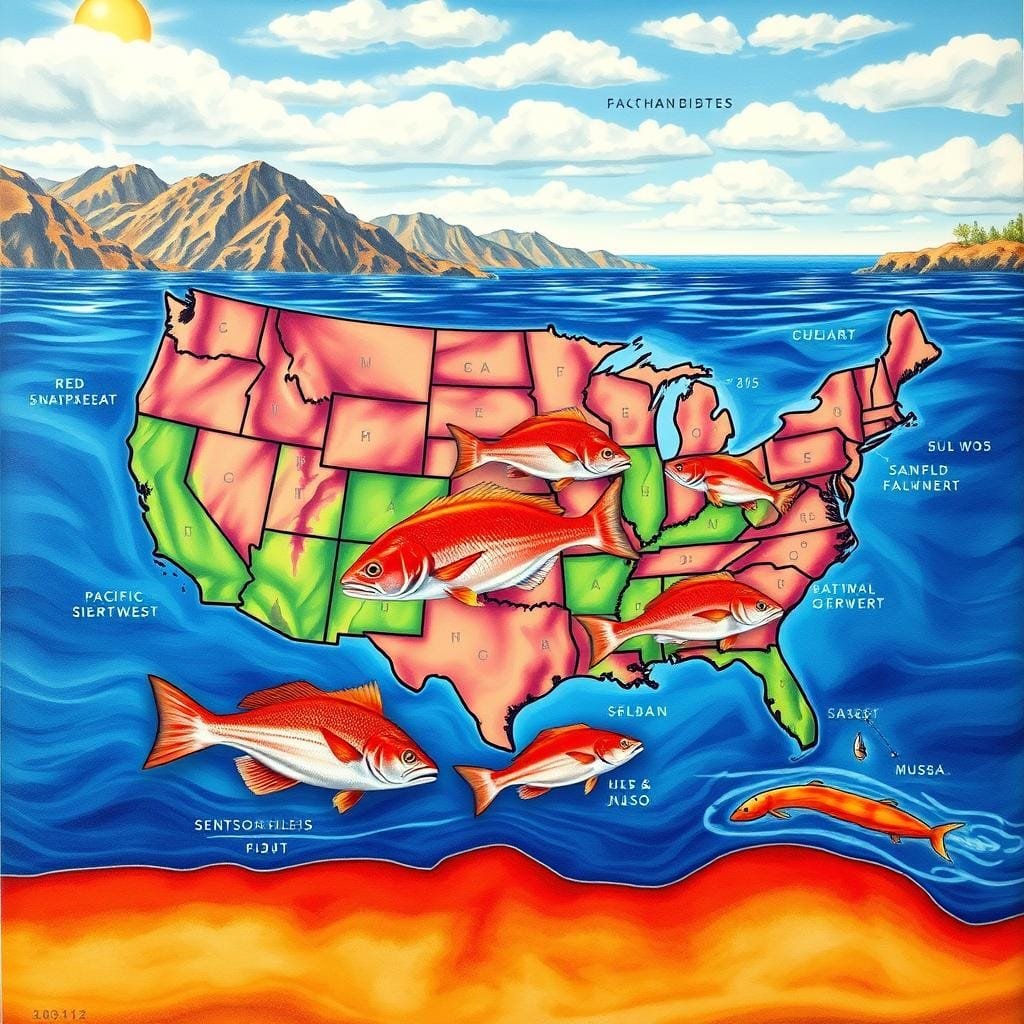
Snapper move with the seasons. They swim shallow in warm water and deep in cool currents. Always check local fishing rules before you go. The snapper season in Florida changes every year.
Florida: mangroves, docks, grass flats, bridges, inlets, and nearshore/offshore reefs
Florida has snapper all year. But, their habits change with the weather and tides. In summer, mangrove snapper are in mangroves, docks, and grass flats at dawn and dusk.
They move to bridges and inlets when it gets too hot. Big fish gather on reefs near Miami, Tampa Bay, and Destin during the spawn. This is the best time for travel fishing snapper.
Look for snapper in moving water and shady spots. They like to hunt shrimp and small baitfish. When the water is clear, use light leaders and present baits downcurrent.
Gulf and Atlantic reefs and wrecks for red, mutton, and yellowtail
Reefs and wrecks attract snapper across the Gulf and Atlantic. Red snapper like high spots, muttons like ledges, and yellowtail like current edges. The best time to fish is at dawn, when the bite is fierce.
Plan your trip for open dates and calm weather. Use the right bait for the conditions. Drift over each spot from different angles to find the fish.
Panama and Central America notes for big Pacific cubera (travel anglers)
Panama is famous for its big cubera snapper. Rocky areas, lava fingers, and nearshore humps are home to giants. Charter captains in Coiba and the Gulf of Chiriquí plan trips for strong tides and clear water.
Bring strong tackle for the big strikes. Bright jigs and large baits like skipjack or bonito work well. This is the ultimate travel fishing snapper adventure.
- Hot zones to prioritize: current-swept points, pinnacles with bait marks, and the up-current faces of reefs and wrecks.
- Seasonal clue: warmer months push forage shallow, which concentrates predators and simplifies where to find snapper along coasts and islands.
Essential tackle for snapper: rods, reels, and line
Snapper hit hard and dive for cover. Your setup matters a lot. Choose the best snapper rod and reel you can afford.
Pair it with a sharp snapper fishing line plan. You’ll land more fish with less drama. Keep it light for mangroves, then scale up fast when reefs and wrecks come into play.
Inshore mangrove snapper setup: 3500 reel, 7′ medium to medium-light, 10 lb braid, 15 lb leader
A 3500-size spinning reel on a 7-foot medium or medium-light fast rod is great for tight quarters. Use 10 lb braid and a 15 lb fluorocarbon leader. This combo casts small baits clean and turns fish before they cut you off.
The Daiwa BG is good for value and grit. It balances smooth drag with a tough frame. The Penn Spinfisher is also great for wading or fishing surf spray. It has a sealed body that shrugs off salt.
Heavy reef setups for big fish: strong drag, Accurate BX2-class reels, stout rods
On reefs and wrecks, step up in a hurry. Use a stout rod with a powerful butt section, a high-capacity reel, and serious drag. The Accurate BX2 series—like the BX2 30 or 600N—has the torque to stop big fish early and keep them coming your way.
Upsize your snapper fishing line for this game. Run 40–65 lb braid for cut resistance. Use a thick fluorocarbon leader to handle rocks and coral. This is heavier braid and fluorocarbon, and it pairs well with an Accurate BX2 or a sealed spinner when the structure is nasty.
Why to beef up gear to keep fish out of rocks
Snapper dive straight to the bottom. If your drag slips or your rod lacks backbone, the fish reaches the ledge and you’re done. Strong drag, a crisp rod, and the right snapper fishing line give you control in the first seconds, which is where the fight is won.
Choose a best snapper rod and reel that holds up to shock loads. A Penn Spinfisher or Daiwa BG covers the inshore bite, while an Accurate BX2 takes the heat offshore. With smart choices in braid and fluorocarbon, you gain abrasion resistance, sensitivity, and the leverage to turn heads before the rocks do the work for them.
Leaders, hooks, and terminal tackle that get more bites
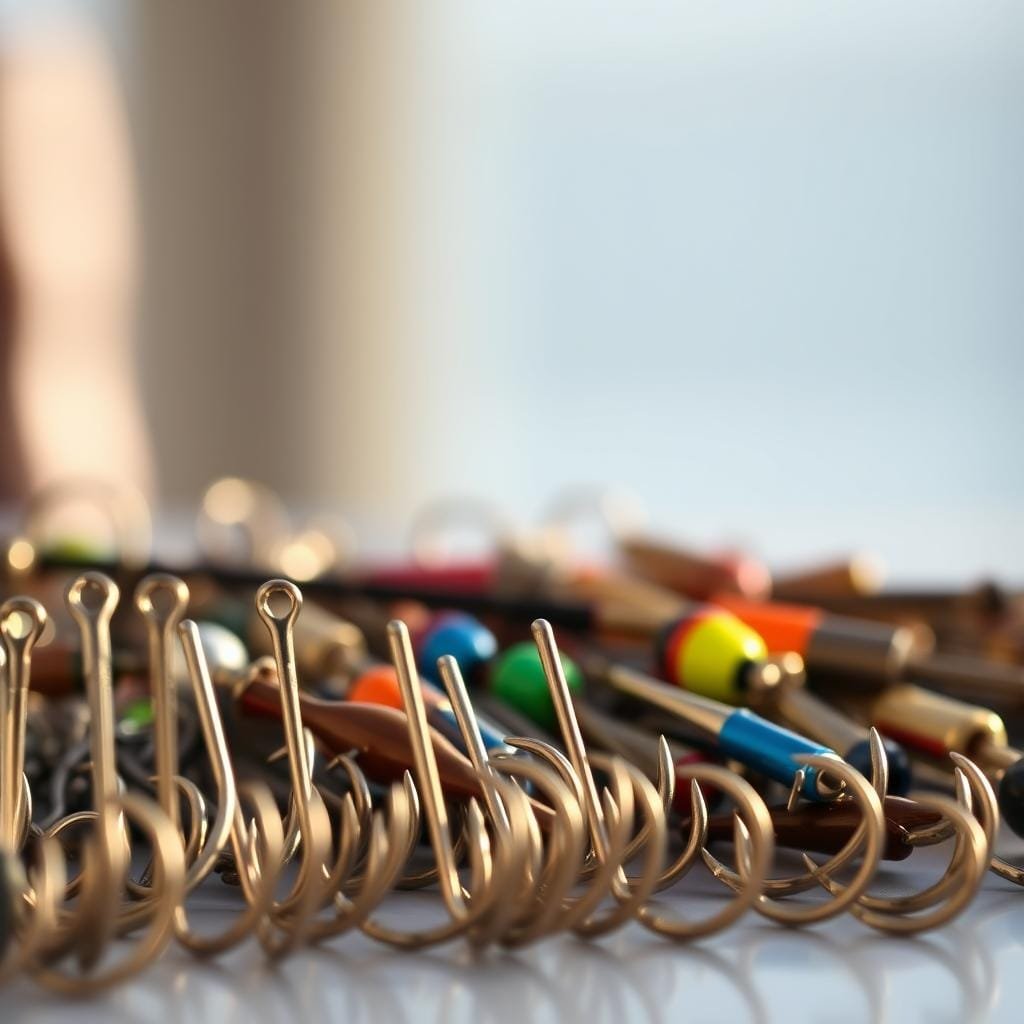
Using the right snapper leaders and gear can turn short strikes into catches. Keep your rigs simple and match them to the water. This lets the bait move naturally, just like real bait.
It’s important to balance being quiet with being tough. This way, you can fish close to rocks and docks without scaring the fish away.
Fluorocarbon for stealth; avoid wire leaders
In clear water, choose fluorocarbon over wire. Start with the heaviest fluorocarbon you can use and then adjust if needed. Big fish rarely need wire, so use it only for toothy fish.
Light leaders (8–15 lb) for clear-water mangroves and bridges
For mangroves and bridges, use 8–10 lb leaders. Pair 10 lb braid with a 15 lb fluoro leader in rough spots. Always retie after catching a fish to keep your presentation sharp.
Hook sizes: #2 J, 1/0 circle for mangrove snapper
Use #2 J hooks or 1/0 circle hooks for small baits. This helps snapper grab the bait. Circle hooks work best when you let the fish load the rod.
Long-shank hooks are good for threading shrimp or spearing. They help avoid short strikes.
Using small split shots, popping corks, and appropriate weights
Let the current guide your rigging. A split shot rig with a small weight keeps shrimp near docks. In grassy areas, a popping cork rig works well.
Free-lining? Nose-hook small shrimp or pilchards and add just enough weight. Keep leaders short under a cork and longer in calm water. A light tap on the float or line means a bite—reel in until it’s tight.
| Scenario | Leader (Fluoro) | Hook | Rig Choice | Why It Works |
|---|---|---|---|---|
| Clear flats with grass | 8–10 lb | 1/0 circle or #2 J | popping cork rig | Suspends bait 18–24 in. above grass; easy to see subtle takes |
| Bridges and docks | 12–15 lb | 1/0 circle | split shot rig | Light weight keeps bait near pilings without spooking fish |
| Rocky reef edges | 15 lb (step to 20 lb if fraying) | 1/0 circle | Free-line or minimal weight | Natural fall draws strikes; circle hooks for snapper prevent deep hooking |
| Current sweeps on passes | 10–12 lb | #2 J or 1/0 circle | split shot rig or small egg sinker | Just enough lead to stay in the lane; avoids unnatural drag |
Keep it simple: choose fluorocarbon, adjust leaders for clarity, and switch between rigs based on depth and flow. Small changes can outfish heavy tackle every time.
Best natural baits for snapper
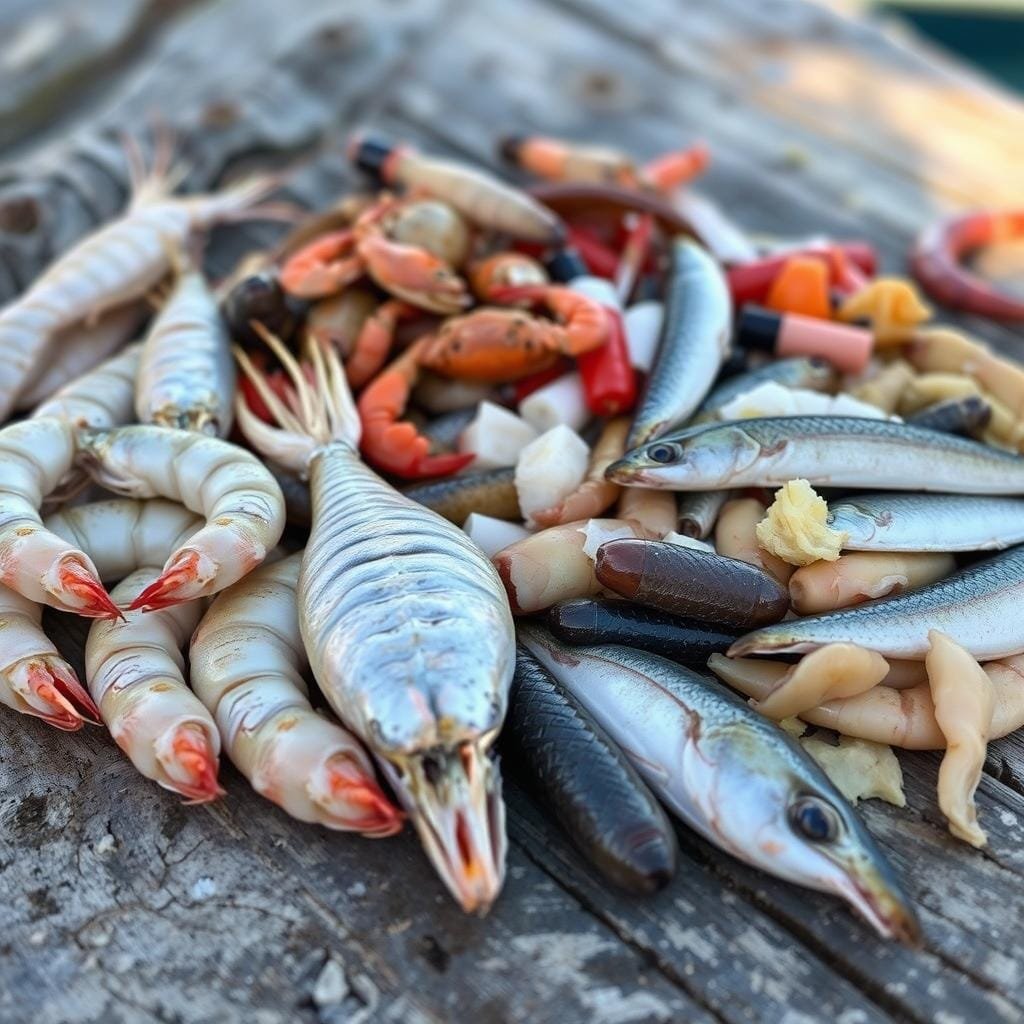
Snapper find food by smell and sight. They like fresh, moving things. Use what’s local and keep baits lively. Fluorocarbon helps them eat more.
Live shrimp, white baits, and small crabs for mangrove snapper
Live shrimp are the best for mangrove snapper. Fish docks, mangroves, and bridges with them. Pin a shrimp on a #2 J or 1/0 circle and free-line it tight.
If bait thieves are thick, use half-shrimp pieces. They stick more fish. Scaled sardines and threadfin are also deadly. Small blue crabs or fiddlers work when fish get picky.
Pilchards and glass minnows on grass flats
Pilchards are great over turtle grass at dawn. Use a popping cork to suspend a lively bait. Let it swim 18 inches above the grass.
During summer, glass minnows match the hatch. A tight school near potholes is a giveaway. Downsize leader and hooks when bites are tentative. Keep your drift natural.
Big baits for trophy cubera: skipjack, bonito
For giants, use big baits. Skipjack or small bonito are the best for cubera snapper. These strong swimmers dive to the bottom on their own.
Use stout gear and a clean drag. Let the bait settle near rock or reef edges. Be ready for big cubera to strike from below.
Keeping bait fresh and rigging tips for higher hookups
Freshness is key. Keep spearing on ice and re-freeze unused packs flat. A streamlined spearing rig improves hookups.
For control in current, add a float. Set depth at 18–24 inches for visual bites. Rotate baits often and cull weak ones. Lively action gets more attention.
Lures that consistently produce snapper
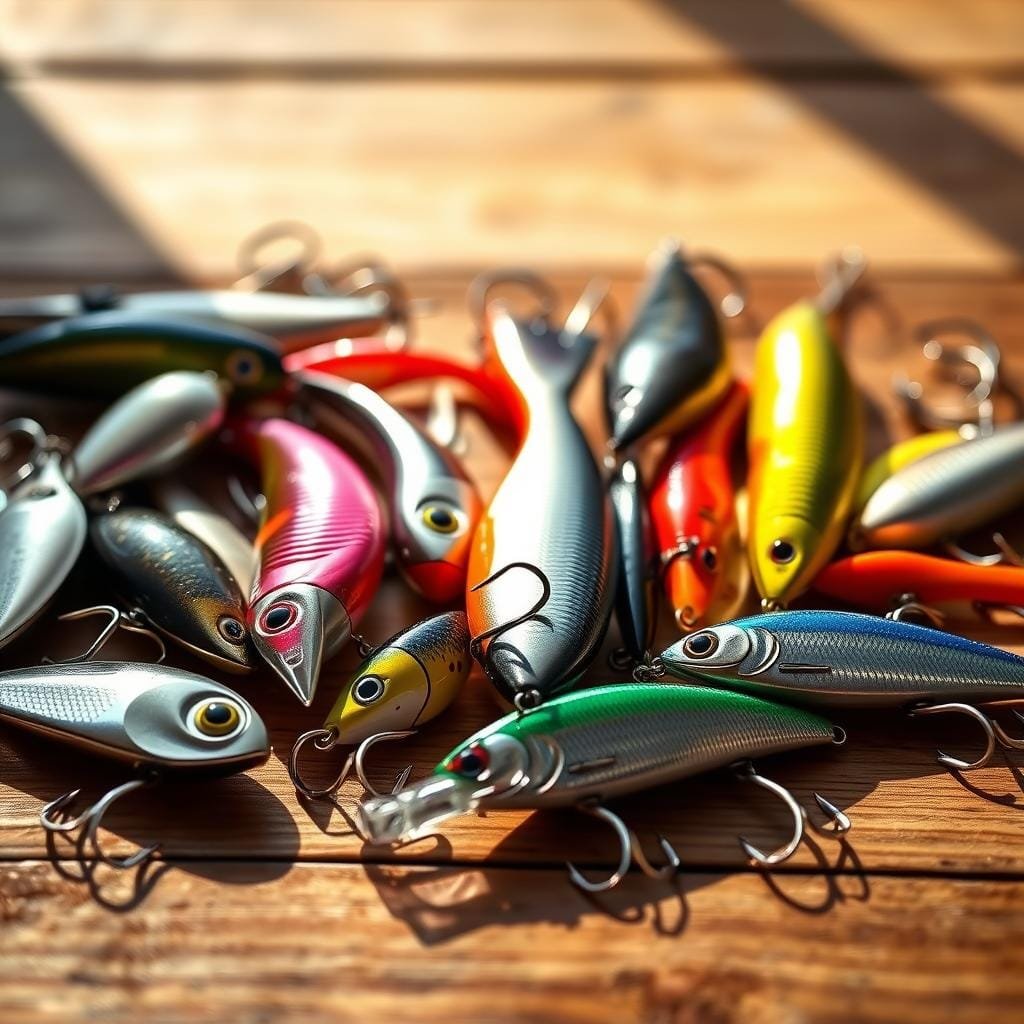
Choose the right lure for the fish’s depth and mood. Snapper like to chase, so move your lure quickly. For more tips on soft plastics and how to move them, check out this beginner’s guide to snapper on lures.
Metal jigs (Salas 7X, diamond jigs) for deeper fish
For fish at the bottom, use a Salas 7X jig snapper. Drop it, let it hit the bottom, then pull it up fast. Keep doing this to make bubbles.
A diamond jig snapper works too. Lift it a bit, let it fall, and keep it moving. This way, you’ll feel when a fish bites.
Poppers and jerkbaits over shallow reefs
In shallow water, topwater popper snapper bites are great. Chug the lure, pause, then snap it again. This imitates fleeing bait.
If a fish misses, try a suspending jerkbait. Twitch it a few times, then pause. This often gets a fish to follow.
Spoons, scented shrimp on jig heads, and paddle-tail shads inshore
On flats and near mangroves, use small gold or silver spoons. Move them just under the surface. A scented shrimp jig on a small jig head works well near docks.
For searching, use a white DOA CAL paddle tail on a small jig. It moves straight and hits through currents.
Retrieve speeds and water-column coverage
Start at the top with fast spoon strips. Then, use paddle-tails at mid-depth. Finish with slow hops on bottom jigs.
Keep your lures two feet down by moving them fast. Slow down to let them sink and flash. With metals, mix fast rips with short shakes.
- Deep: Salas 7X jig snapper cadence—drop, thump bottom, rip, flutter.
- Mid: DOA CAL paddle tail—steady roll with occasional rod pops.
- Top: topwater popper snapper—loud chugs, brief pauses near reef edges.
- Structure: scented shrimp jig—tight to pilings with short lifts.
- Roaming fish: diamond jig snapper—yo-yo through bait schools.
how to catch snapper
Start by choosing the right place and time. For Florida mangrove snapper, fish near mangrove roots, docks, and bridges. Also, try grass flats and inlets. Then, move to nearshore and offshore reefs from June to September.
Use the right gear for the fish. For inshore, use a 3500-size spinning reel on a 7-foot rod. Add 10-pound braid and an 8–15 pound fluorocarbon leader. Use a #2 J hook or a 1/0 circle.
For heavy reefs, choose stout rods and strong-drag reels. The Accurate BX2 30 or 600N is good for big fish.
Choose the right rig for the drift and depth. Use a free-line snapper presentation with live shrimp or white bait. Add a tiny split shot if the current is strong.
When fishing grass, use a popping cork snapper rig. It holds your bait above the weeds without snagging.
Let the conditions guide you. Inlets are best on an ebb tide. Post up up-current and send baits back with the flow.
In clear water, use the lightest leader that draws strikes. Keep your casts tight to pilings and edges.
Switch to artificials when fish fire. Use surface plugs on shallow reefs and diamond jigs in deeper water. Cover water with spoons and scented shrimp on jig heads.
Be ready for the first burst. Snapper drive for bottom. Set enough drag to turn the head without breaking light leaders.
Fish smart and safe. Heavy drag requires awareness and stable footing. Polarized sunglasses help you read grass lines and see bait.
Protect your bait like your hook point. Keep live and dead bait cold and fresh on ice. Hook shrimp or pilchards where strikes land.
Fishing structure: mangroves, docks, bridges, and inlets
Structure holds bait and shade, and snapper pile in. Think tight casts, light leaders, and quick pressure. In mangrove snapper structure fishing, keep the first run out of the roots and rocks, then steer the fish into open water.
Free-line live shrimp or white bait along mangrove roots
Slide a free-line shrimp or small white bait inches off the roots and let it drift. If current pulls too fast, pinch on a tiny split shot rig to keep the bait in the lane. A popping cork set 18–24 inches deep helps control depth when wind and tide don’t match.
Use fluorocarbon and stay quiet with the trolling motor. Short pitches underhanded, rod tip low, and thumb on the spool give you instant control when the bite hits.
Dock and bridge pilings: split shot plus live or dead shrimp
For bridge snapper tactics, present live or dead shrimp—or a small crab—on a 1/0 circle with the lightest leader you can get away with. Add a pea-size split shot rig to punch through surface chop and track beside the piling.
At busy docks, drop baits on the shadow edge first. If fish get wary, trim your leader and switch to thumbnail-size shrimp pieces; they thump when placed right.
Fishing tides: ebb effectiveness in inlets; stealth with light leaders
In boulder-lined passes, inlet snapper ebb tide feeds a conveyor of food. Position outside the rocks and drift baits so they tick along seams. Moving water is key; if the flow stalls, slide to the next ripline.
Downsize leader when clarity spikes and keep drifts natural. A gentle mend in the line keeps the bait from swinging wide and spooking fish.
Positioning up-current and drifting baits into the strike zone
Set the boat or kayak up-current of targets and let the drift do the work. Count it down, then feather line so baits thread along pilings and root lines.
This approach blends mangrove snapper structure fishing with precise boat control. It also pairs well with bridge snapper tactics during higher flow and shines on inlet snapper ebb tide when a free-line shrimp needs only a whisper of weight.
Grass flats and reef strategies
When fishing for snapper, two main patterns work well. On grass flats, use short casts and precise depth control. Over reefs and wrecks, speed and firm pressure are key. Mixing both strategies helps you catch fish without getting snagged.
Popping corks with live pilchards set just above the grass
Use pilchards under popping corks, about 18 inches above the grass. This keeps the bait clean and attracts fish. On grass flats, move quietly and use long leaders to get more bites.
When you snap the cork, pause, then let the pilchard swim. If glass minnows flash nearby, move faster. This simple trick gets fish to feed without getting tangled in grass.
Covering potholes and edges where snapper ambush
Drift over sandy potholes and grass edges. Cast to white spots first, then sweep the rims. Use small silver spoons, scented shrimp, or DOA CAL paddle-tails for a steady, fast retrieve.
Change your retrieve speed to control depth. If it’s windy, cast downwind to keep the line angle right.
Reef edges, wrecks, and rock piles: jigging and baiting tactics
For reef jigging, bounce diamond jigs or Salas 7X along edges. Short lifts keep you close to bottom. In strong current, use heavier metal to stay in contact.
Wreck snapper tactics involve fast drops and quick resets. Use big live baits like skipjack or bonito for cubera. Use strong gear and stay vertical to avoid sharp edges.
Managing drag to keep fish out of the structure
Set your drag tight for snapper. This stops the first dive but doesn’t pop light leaders. Thumb the spool during surges, then lift and gain line fast. Keep the rod low and angled to plane fish off the rocks.
When a fish turns for the wreck, move up-current and change your rod angle. This breaks the fish’s line of travel and gives you space to win.
| Scenario | Primary Presentation | Key Detail | Backup Option | Why It Works |
|---|---|---|---|---|
| Snapper grass flats | pilchards under popping cork | Leader depth ~18 in above grass | Spoons or scented shrimp on 1/8 oz jig heads | Holds bait in the zone while avoiding grass fouling |
| Potholes and edges | Steady-fast paddle-tail retrieve | Target white sand spots first | Short hops with pauses | Intercepts ambush fish at predictable lanes |
| Reef edges | reef jigging snapper with diamond or Salas 7X | Short lifts to maintain bottom contact | Surface poppers over shallow reef | Covers depth efficiently without snagging |
| Wrecks and rock piles | wreck snapper tactics with vertical drops | Stay vertical, quick resets | Large live baits for cubera | Controls angles and steers fish off structure |
| Drag control | drag settings snapper-tight | Thumb surges, low rod angle | Shift up-current to change line angle | Prevents cutoffs and shortens the fight |
Regional spotlight: Florida mangrove snapper
Clear water and a moving tide are key here. For Florida mangrove snapper, use light gear and move often. Look at the structure before you cast.
Polarized lenses in amber or copper help see grass edges and bait flickers.
Spawn timing: June–September around nearshore and offshore reefs
The mangrove snapper spawn is from June to September. They gather on reefs. Look for them on ledges, wrecks, and hard bottom.
Dawn and dusk are the best times to fish. This is when the water is clean and the current is steady.
In summer, fish move to shallower areas. Fish inlets, channel bends, and rock piles on outgoing tides. Keep your casts close to the structure and let the bait drift.
Best rigs: 1/0 circle, light leader, free-line or under a cork
The best rig for mangrove snapper is simple. Use a 1/0 circle hook on fluorocarbon. Choose 8–10 lb in clear water, and 15 lb near rough spots.
Free-line live shrimp or small white baits. Add a tiny split shot only if needed.
On grass, use a popping cork Florida flats approach. Pop, pause, and let the bait hang over the grass. Use a 3500 reel, a 7′ rod, 10 lb braid, and a 15 lb leader.
A Penn Spinfisher is good for spray. A Daiwa BG is a strong value on skiffs.
Where to look: mangroves, bridges, docks, grass flats, inlets
Pitch baits along mangrove edges. Shade meets flow there. At bridges and docks, target up-current sides. Let the drift sweep past pilings.
On grass flats, follow potholes and sand lanes. Inlets are good on ebb tides. Keep casts short and precise in skinny water.
When lures work vs. when bait outperforms
Lures are good when fish chase. Spoons and scented shrimp on 1/16–1/8 oz red jig heads cover water fast. Work edges, count down, and sweep the rod to feel that thump.
Natural bait wins during the mangrove snapper spawn and around heavy structure. A quiet free-line often beats hardware when fish get wary. If follows replace eats, downsize leader and slow the presentation until the bite returns.
Safety, handling, and conservation
Snappers like to crush baits and dive for rocks. To stay safe, keep your feet braced and knees bent. Always have a hand near the drag.
Stay calm when a snapper first bites. This helps you keep control and avoid getting rocked up.
Use steady pressure, not sudden pumps. If a fish heads for structure, angle your rod low and to the side. This helps steer it away.
Check your knots and leaders often. They can get worn out fast near reefs.
Staying alert for powerful initial runs and heavy drag settings
Set your drags before you go, not by feel. Heavy drag is good, but be ready for the first run. Keep your rod butt close to your hip or belt.
When a snapper surges, drop your rod tip a bit. Let the drag do its job. Then, lift and reel in short strokes. This protects your gear and helps you land more fish.
Using circle hooks to reduce deep hooking
Circle hooks are key for conservation on busy reefs. A 1/0 circle hook catches the jaw corner of mangrove snappers. This cuts down on deep hooking.
Wait for steady weight before reeling. Don’t swing the rod. Keep pliers ready and release small fish fast. Wet your hands, support the belly, and avoid the gills.
Sun protection and polarized lenses for sighting fish
Polarized sunglasses help you see structure and fish. Amber, rose, or copper lenses are best in stained or inshore water. Blue or gray lenses work well offshore on bright days.
Wear UV protection gear with a neck gaiter and gloves. Choose lightweight UPF shirts from Simms, Columbia, and Huk. They keep you cool and reduce glare. For family trips, use floats and popping corks for safe and easy bite detection.
- Set drags by measurement to avoid overloading gear or losing balance.
- Favor circle hooks conservation practices for cleaner releases.
- Wear polarized sunglasses fishing lenses matched to water color.
- Rely on UV protection fishing apparel to stay cool and focused.
Travel and big-fish destinations
For sheer power, a Panama cubera snapper trip is the best. Central America snapper live in jagged lava ledges. They can rip you into the rocks if you blink.
Bring big snapper tackle with real drag. Accurate BX2 30 and BX2 600N reels are strong. They can turn 40–50 pound fish after a tough first dive.
Pack bright yellow or green Salas 7X irons and classic diamond jigs. Use them to thump the bottom. Over shallow reefs, loud poppers attract Pacific Dogtooth/Cubera snapper.
Live bait is key for catching giants. Large skipjack or bonito often swim down without weight. This takes your hook straight to the boss.
Expect break-offs before a win in this terrain. Guided snapper charters help with boat handling. They also help find angles that keep fish clear of the reef.
Reports also point to outsized Cubera along parts of West Africa. This adds another frontier for travelers who want a true test.
Not heading offshore? Florida is great for summer mangrove snapper. You can find them on nearshore and offshore reefs during the spawn. Inshore structure offers steady action when seas kick up.
In the Northeast, late-summer “snapper” bluefish around Long Island are easy to catch. Families can try with small floats and tins. Check out proven surfcasting spots like New Zealand’s Ninety Mile Beach in this fishing destinations guide for ideas.
Wherever you roam, match the destination to your goals. For trophy Pacific Dogtooth/Cubera snapper, use heavy leaders and big snapper tackle. For mixed-bag travel, look at guided snapper charters in Florida.
Smart picks, tight drags, and calm nerves turn dream bites into grip-and-grin moments.
FAQ
What snapper species can I target in U.S. waters?
You can find red, mangrove (gray), mutton, and yellowtail snapper in the Gulf and Florida’s Atlantic side. Cubera snapper are found near heavy reef and rock structures, mainly in South Florida and the Keys. All these snappers like reefs, wrecks, and rock piles.
Why do snapper fight so hard and dive straight to the bottom?
Snapper fight hard to get to rocks or reef to cut you off. Their bottom-charging surge is their best defense. Keep steady pressure, angle the rod to turn the fish’s head, and use enough drag to stop the run without overdoing it.
Do snapper have sharp teeth, and what do they eat?
Yes—snapper have pointy teeth for grabbing baitfish and crunching crustaceans. They eat shrimp, crabs, pilchards, sardines, glass minnows, and small reef fish. Use live shrimp, white baits, or small crabs for consistent bites.
Why do I keep breaking off snapper near rocks and reefs?
They live tight to structure and use it to cut your line. Beef up your leader where needed, keep fish off pilings and coral, and fight them hard early to steer them into open water. Positioning up-current to drift baits naturally also helps.
Where should I fish for mangrove snapper in Florida?
Target mangrove roots, docks, bridges, grass flats, and inlets. During June–September, look to nearshore and offshore reefs for larger fish moving to spawn. Fish moving water and present baits naturally for best results.
What about red, mutton, and yellowtail—where do they hold?
Work Gulf and Atlantic reefs, wrecks, ledges, and rock piles. Yellowtail often school over reef edges, muttons prefer structure near sand, and reds frequent wrecks and deeper reef lines. Chum slicks can draw yellowtail into range.
Any travel tips for giant Pacific cubera?
Panama and Central America are prime. Focus on jagged reefs and rock headlands. Bring heavy tackle and large live baits like skipjack or bonito. Expect multiple break-offs before you land one—these fish are brutal.
What is a reliable inshore setup for mangrove snapper?
A 3500-size spinning reel on a 7′ medium to medium-light fast rod with 10 lb braid and a 15 lb fluorocarbon leader is a sweet spot. It casts small baits well yet has enough backbone to turn fish from cover.
When do I need heavy reef gear?
Use stout rods, strong drags, and reels like an Accurate BX2 30 or BX2 600N when targeting big fish on rugged reefs. Heavier line and abrasion-resistant leaders are essential to keep snapper out of rocks.
Why should I beef up gear around structure?
Snapper explode to the bottom and rub lines on coral, wrecks, and pilings. Strong drag and durable tackle let you pin them and steer clear of cut-offs. It’s the difference between landing or losing a trophy.
Are fluorocarbon leaders really necessary?
Yes—fluorocarbon is less visible and draws more bites. Use the heaviest fluoro that yet gets bit. Avoid wire; even giants often refuse it, and you’ll miss strikes.
What leader and hook sizes work for finicky mangrove snapper?
In clear water, 8–10 lb fluorocarbon shines; 12–15 lb is common around docks and bridges. Pair with #2 J hooks or 1/0 circle hooks, specially when using small shrimp pieces to beat bait thieves.
When should I add split shots or use a popping cork?
Add a small split shot in current or around pilings to keep baits down. Use a popping cork to suspend live baits about 18 inches above grass or to drift offerings along mangrove lines for natural presentations.
What are the best natural baits for snapper?
Live shrimp, pilchards, scaled sardines, and small crabs are top picks inshore. On reefs, fresh-cut bait or live baits excel. For trophy cubera, big live skipjack or bonito are hard to beat.
How do I fish pilchards and glass minnows on grass flats?
Rig a live pilchard under a popping cork set to keep it roughly 18 inches above the grass tops. Target sandy potholes and grass edges where snapper ambush. Keep leaders light for wary fish.
Any rigging tips to keep bait fresh and improve hookups?
Keep bait on ice and replace soft, washed-out pieces. Thread spearing carefully—mouth to gill and into the tail—to place the hook where short-striking predators bite. With shrimp, pinch small pieces for circle hooks to prevent bait stealing.
Which lures consistently catch snapper in deeper water?
Metal jigs like the Salas 7X in bright yellow/green and diamond jigs produce when bounced near bottom. Vary cadence to avoid snagging while staying in the strike zone along reef edges and wrecks.
Do poppers and jerkbaits work over shallow reefs?
Yes—poppers trigger explosive strikes on shallow reef tops. Jerkbaits and soft plastics also shine around edges. Keep retrieves crisp and be ready for immediate runs to the bottom.
What inshore lures should I try for mangrove snapper?
Small silver or gold spoons, scented shrimp on 1/16–1/8 oz red jig heads, and white paddle-tail shads like DOA CALs. They work best when snapper are actively feeding on baitfish.
How should I adjust retrieve speed?
Speed up to keep lures high, slow down to tick lower in the column. Aim to run spoons and jigs about 2 feet under the surface on flats or just above structure on reefs to avoid snags and trigger strikes.
What’s the basic step-by-step for catching snapper?
Match habitat, scale tackle to fish size, rig light with fluoro, and present live baits naturally—free-line, split shot, or under a popping cork. Switch to jigs or poppers when they’re chewing, fight hard to keep fish off structure, and mind sun and safety.
How do I fish mangrove roots effectively?
Free-line live shrimp or pilchards tight to the roots and let the current work. Stay stealthy with light leaders, and avoid heavy splashes. A subtle presentation gets more bites from wary fish.
What’s the best approach for docks and bridge pilings?
Use a small split shot and a live or dead shrimp on a 1/0 circle hook. Pitch up-current of the pilings and let the bait drift naturally into the shadow lines where snapper stage.
Which tides are best in inlets for mangrove snapper?
Ebb tide can be particularily productive, though any moving water helps. Go light on leaders in clear water, and keep baits near bottom without snagging.
How do I position the boat for better drifts?
Set up up-current and let baits drift into the strike zone. Use a cork for depth control around grass or a tiny split shot for bridges and rock jetties. Subtle line management makes a big difference.
How should I fish grass flats and potholes?
Suspend live pilchards under popping corks just above the grass. Cast to potholes and edges and keep moving to cover water. If fish are active, switch to spoons or scented shrimp on light jig heads.
What are smart tactics for reefs, wrecks, and rock piles?
Jig edges with metal and bounce bottom carefully. On rugged spots, try fresh baits and heavy leaders. Manage drag to turn fish quickly and avoid getting rocked.
How tight should my drag be around structure?
Tight enough to stop the first dive without risking breakage. Stay braced for the hit and immediate surge. If the fish turns, gain line fast to keep it off sharp edges.
When do Florida mangrove snapper spawn, and where?
June through September around nearshore and offshore reefs. Larger fish gather on those structures, but during summer, quality fish also roam mangroves, bridges, docks, flats, and inlets.
What’s the best all-around rig for Florida mangrove snapper?
A 1/0 circle hook with a light fluorocarbon leader—8–10 lb in clear water or about 15 lb near structure—free-lined or under a popping cork. Live shrimp and pilchards are go-to baits.
When should I throw lures instead of bait?
Use lures when snapper are chasing baitfish on flats or during active feeding windows on reefs. Natural baits usually outfish artificials, specially around docks and bridges.
How do I stay safe fighting powerful snapper?
Stay balanced, keep knees slightly bent, and brace for the initial surge. Don’t lean over the gunwale with heavy drag. Communicate with your crew and clear the deck before the bite.
Why use circle hooks for snapper?
Circle hooks improve hookups on bait thieves and reduce deep hooking. They’re better for catch-and-release and help keep undersized fish healthy.
What sun protection and eyewear should I use?
Wear UV-performance shirts and polarized sunglasses. Amber, rose, or copper lenses excel inshore; blue or gray lenses are great offshore. Good optics reveal grass edges, bait schools, and structure.
Where should I travel for big snapper?
For true giants, look to Panama and broader Central America for Pacific cubera. In the U.S., Florida’s reefs, wrecks, and the Florida Keys offer excellent red, mutton, yellowtail, and mangrove snapper opportunities with local charters.