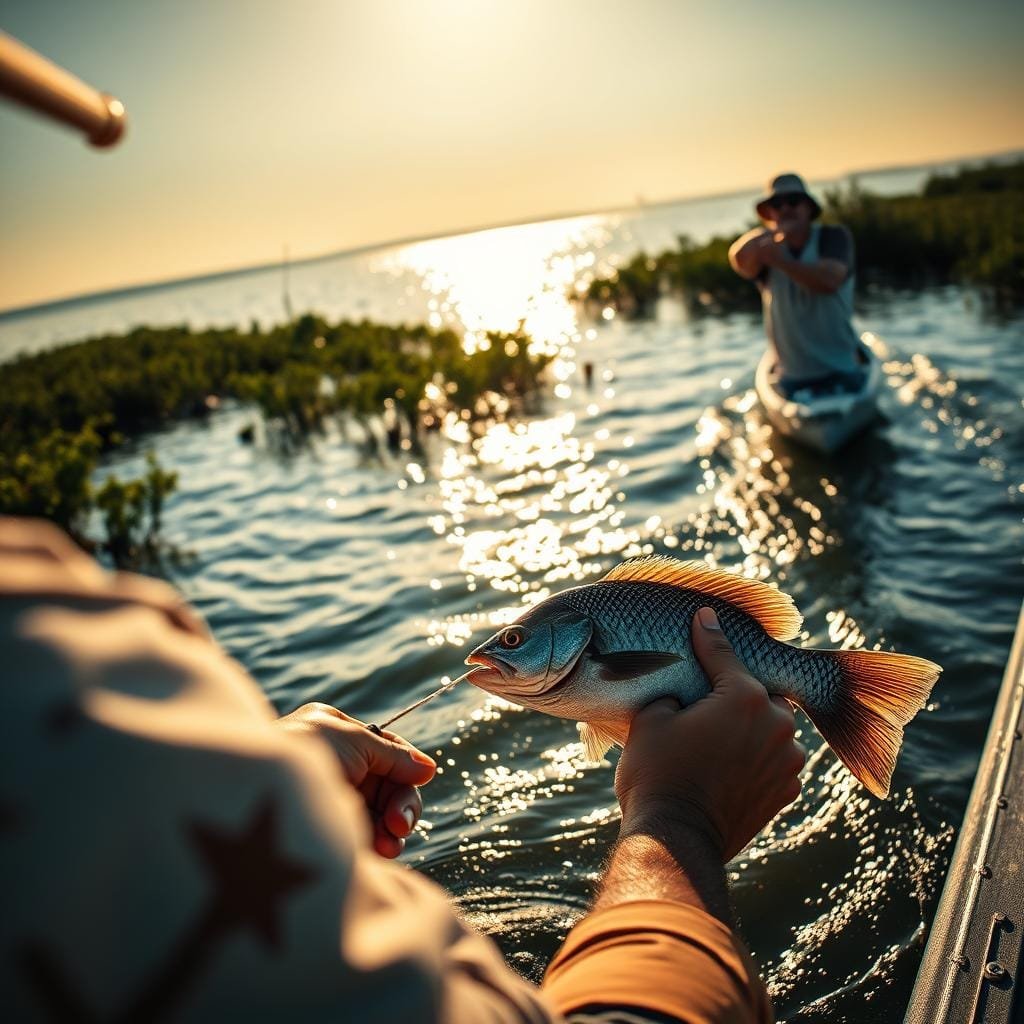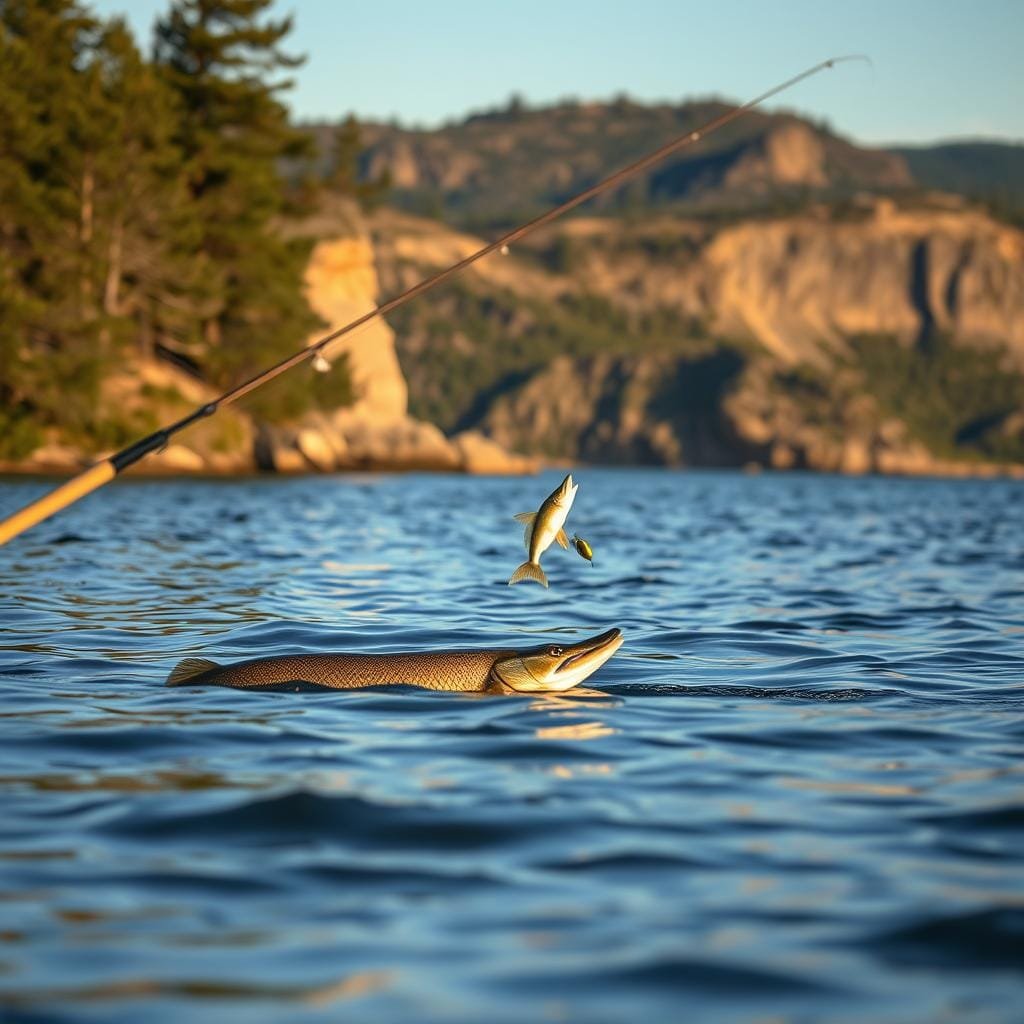

The bluegill (Lepomis macrochirus) is a North American sunfish. It eats anything that fits. In ponds, lakes, and slow rivers, they eat small insects and tiny fish.
This diet is natural for them. It changes with the seasons.
Bluegill live in many places, from farm ponds to big reservoirs. They like to hide in weeds, wood, and shade. They eat best when it’s light out, in the morning and evening.
Anglers often wonder what bluegills eat when they’re picky. The answer is to match what’s in their water. This will help you catch more fish.
They might eat bread or hot dogs at a dock. But for bigger fish, natural food is better. For a list of what bluegill eat, check out this article. Knowing what they eat helps you fish better.
What does bluegill eat
Bluegill hunt by sight and feel. They catch small creatures where weeds, rocks, and mud meet. Their diet changes with water clarity, light, and what’s available.
Natural prey they mostly target
Bluegill eat aquatic insect larvae like mayflies and caddisflies. They also eat zooplankton, freshwater shrimp, snails, leeches, worms, and sometimes minnows or fry. When insects are rare, they eat seeds, algae, and berries near shorelines.
This diet helps them save energy. It fits their feeding style of quick strikes and handling small prey.
How size and mouth gape limit prey choice
Bluegill mouth size limits what they can eat. Small fish eat tiny fry and microinvertebrates. As they grow, they eat bigger prey like scuds, young crayfish, and small baitfish.
Even big fish pick prey based on shape and softness. They prefer prey that fits easily into their mouths.
Seasonal shifts in feeding behavior
Bluegill diet changes with the seasons. In winter, they eat scuds in weeds. In spring, they look for eggs during nest-raiding.
In summer, they eat zooplankton and then hunt shallow at dawn and dusk. This helps them avoid predators.
Bluegill feeding basics: omnivores and opportunistic eaters
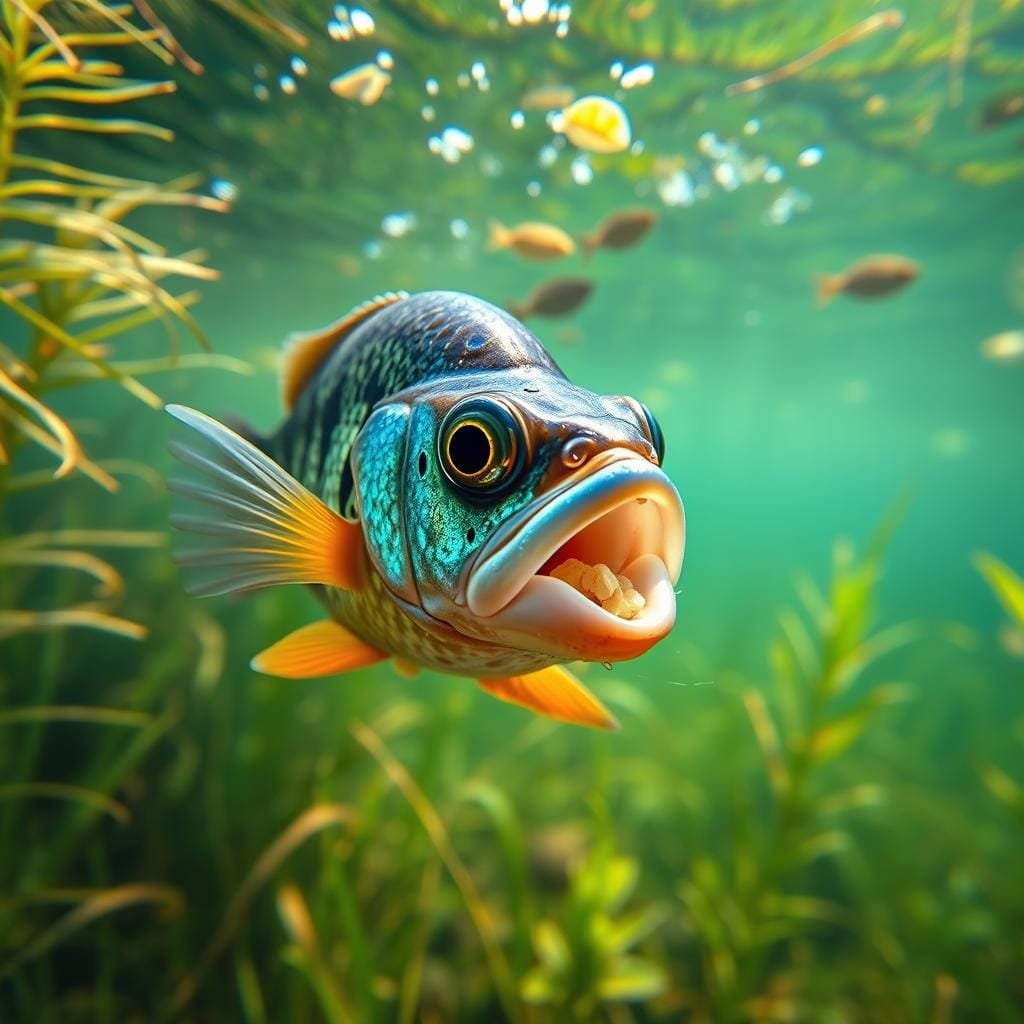
Watch a bluegill at the shoreline and you’ll see how it eats. It eats small food when it’s easy to find. But as it grows, it becomes a predator. In warm months, it eats about 3.2% of its body weight each day.
From microinvertebrates to baitfish
Young bluegills start with tiny food like rotifers and copepods. As they grow, they eat insect larvae, zooplankton, and more. Adults even eat shrimp, crayfish, and small fish.
This wide range of food makes them called omnivorous bluegill. They eat what they can find, like other fish do. You can learn more about feeding them in this guide on feeding bluegill in a.
Daylight feeding peaks: morning and evening
Bluegills hunt best in the morning and evening. They use their eyes to find food. Clear water lets them see farther, but cloudy water makes them strike closer.
In these times, they hide near grass, docks, and wood. They wait for bugs to float by or for fish to swim by. This way, they save energy and catch more food.
Suction feeding and close-range strikes
Bluegills suck in water and food with a quick mouth snap. They can only strike about 1.75 centimeters away. So, it’s important to be accurate when fishing.
This short range means they ambush their prey. They get ready to strike and then quickly grab their food. Small lures and natural baits work well in this zone.
| Life Stage | Primary Foods | Foraging Style | Best Window | Notes |
|---|---|---|---|---|
| Fry/Juvenile | Rotifers, copepods, microinvertebrates, zooplankton | Grazing and short chases | Calm daylight | Small gape favors tiny prey; benefits from dense plankton |
| Subadult | Insect larvae, periphyton, small shrimp, snails | Edge cruising with spot-feeding | Bluegill feeding peaks at dawn and dusk | Builds energy stores; expands prey spectrum |
| Adult | Larvae, crayfish, worms, leeches, eggs, baitfish | Ambush with bluegill suction feeding | Low-angle sun and evening | Close-range accuracy; bluegill strike distance about 1.75 cm |
Bluegills change how they eat as they grow. They hunt best in the morning and evening. They use suction feeding to catch prey close up.
Aquatic insects bluegill love in lakes and ponds
Bluegill look for food in weeds, brush, and rocks. They find tiny insects there. This is their main food source, mostly at dawn and dusk.
Mayflies, caddisflies, stoneflies, and dragonflies (larvae)
Mayfly larvae are a big hit for bluegill in muddy spots. Caddisflies are found in weedy areas. Stoneflies hide in rocky places, and dragonflies ambush in stems and pads.
Year-round availability around vegetation and substrate
Insects live under water all year. Bluegill find them in many places. This means fish can eat all year, even when it’s cold or hot.
Matching natural forage for better angling results
To catch bluegill, use small lures near cover. Move them slowly to look like insects. This trick works best when it’s light outside.
Try fishing early or late. Move slowly and stay close to where fish live. Change lure sizes to match what’s around.
Terrestrial insects that end up on the menu
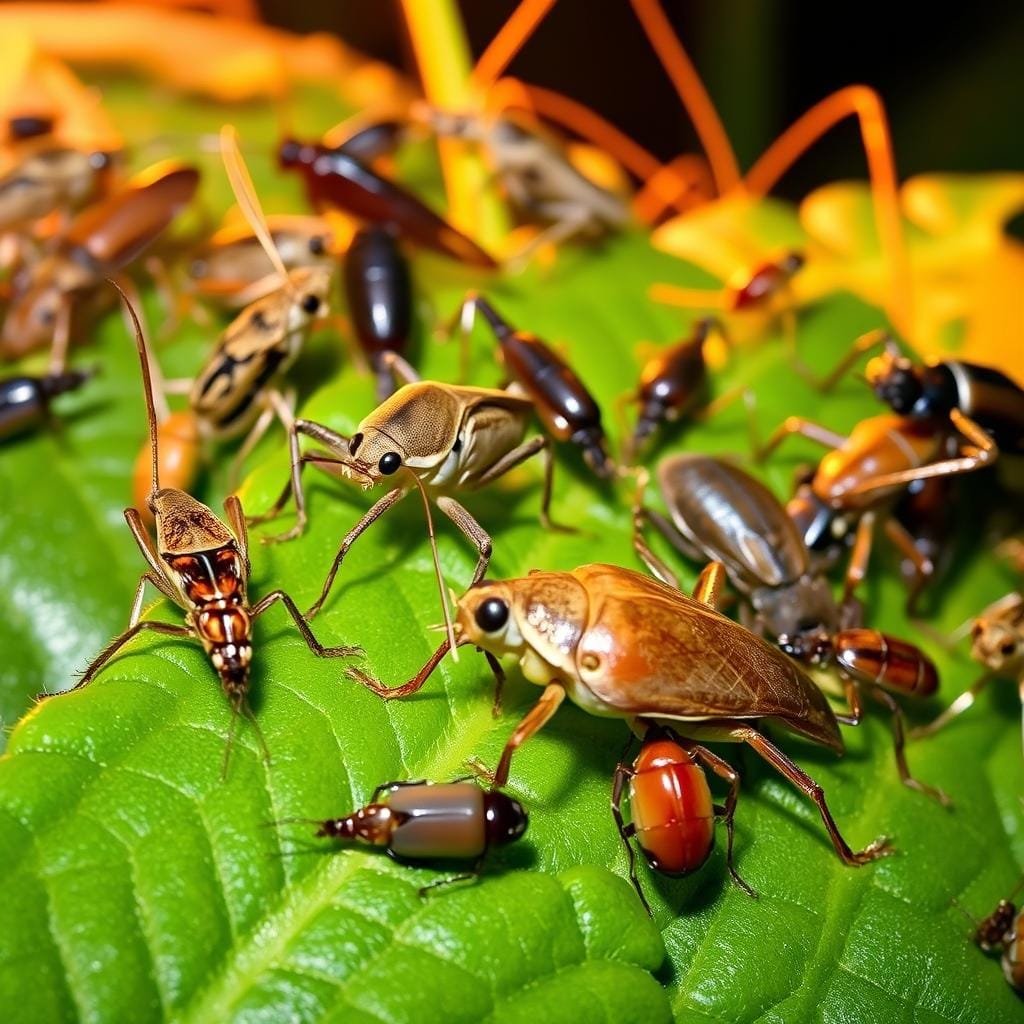
Warm afternoons make bluegill seek shade. They hide in grass edges and under willow branches. There, they wait for insects to fall from leaves and docks.
Wind and footsteps shake bugs loose. Mosquitoes, small beetles, and ants fall first. Bluegill quickly grab them from the surface.
Grasshoppers are a big deal in summer. They fall from tall grass and farm pond banks. A gust of wind can make them land on the water.
Bluegill look for bugs in bright light. They fish best in the morning and late afternoon. Small, buggy shapes are what they look for.
Ants and beetles look like real bugs to bluegill. They have patterns that look like insects. Most bites happen right after the splash.
In creeks that feed ponds, bluegill wait in soft spots. They hide under cattails and dock floats. To catch them, cast quietly and let the bug settle.
Crustaceans and mollusks: scuds, crayfish, snails, and mussels
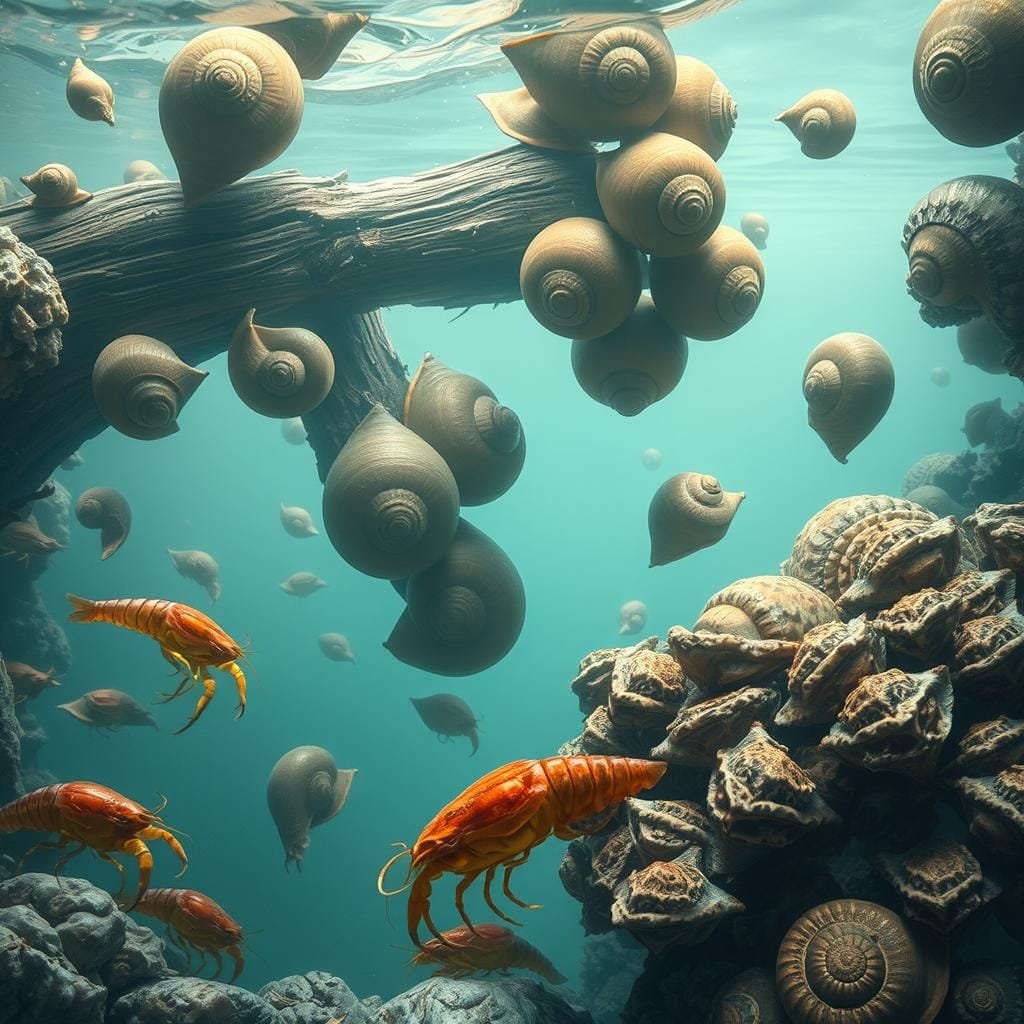
Bluegill fish like to eat near weeds, wood, and rocks. They find food like scuds, crayfish, snails, and mussels. This food is easy for them to eat and gives them lots of protein.
Freshwater shrimp (scuds) in vegetation
Places with lots of weeds are home to bluegill scuds. These tiny shrimp live all year. They are most important when it’s cold and insects don’t hatch much.
Bluegill eat scuds by snapping their jaws quickly. This is a good food source when other food is scarce.
Young crayfish for smaller fish; larger prey for trophy bluegill
Small crayfish live in rocky areas. Bluegill eat these crayfish, which are good for small fish. Fish that are not too big eat the small crayfish.
Bigger bluegill eat bigger crayfish. When crayfish molt, they are soft and easy to eat.
Shell-crushing jaws for snails and small mussels
Bluegill have strong jaws that can break shells. They eat snails that live on weeds. Snails stick to leaves and stems.
On gravel bars, big fish eat mussels. This gives them energy to stay strong and aggressive.
Worms, leeches, eggs, and plant matter
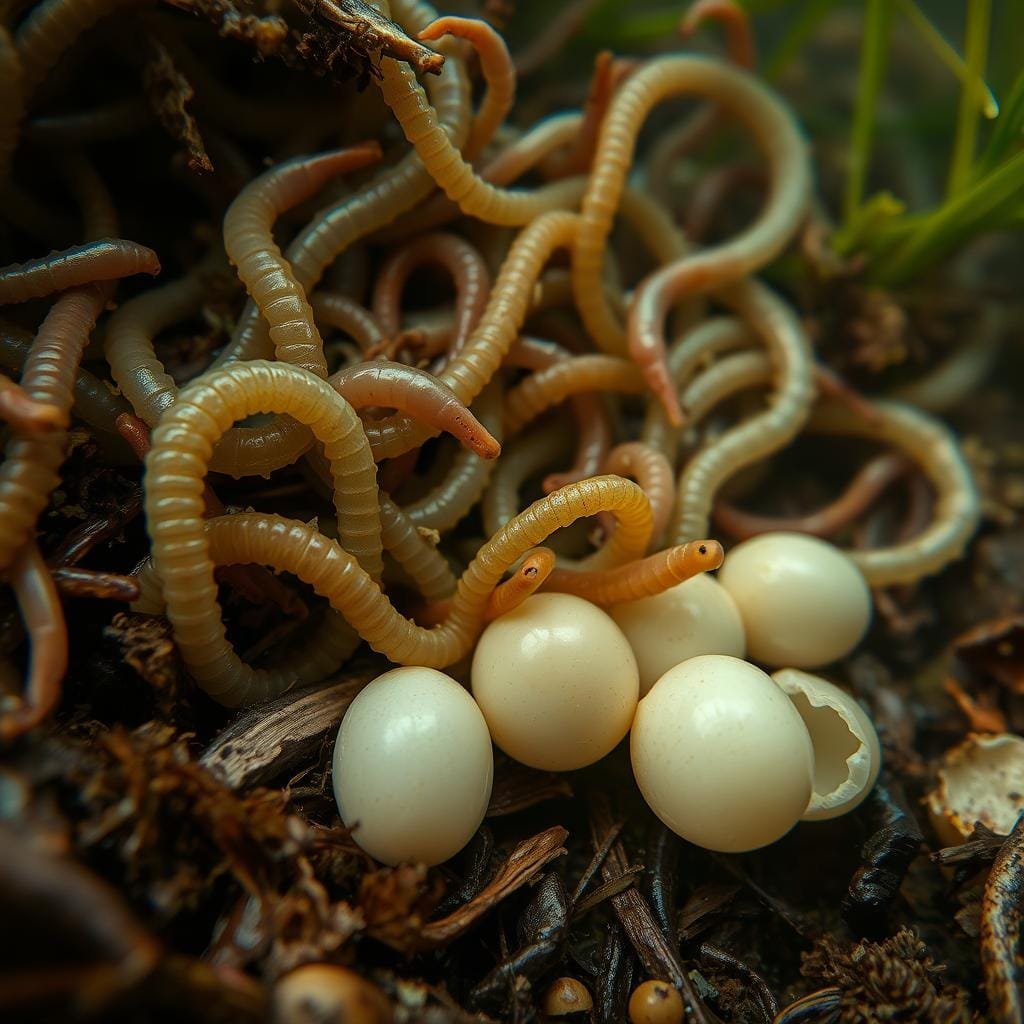
Bluegill quickly switch between eating animals and plants. This helps them grow in different places. It keeps them active all year.
Natural worms and leeches across freshwater habitats
In creeks, ponds, and reservoirs, bluegill find worms in mud and leaves. These worms help young fish grow. As they get older, they eat leeches and bigger worms near plants and rocks.
They use quick suction to catch their prey. When it rains, more worms come up, making it easier for them to eat.
Egg raiding during other species’ spawns
Bluegill eat eggs when bass and perch are busy. They work together to grab eggs. They also eat eggs stuck to plants when the adults are not looking.
This helps them in clear spots around structures. Places like MossBack Fish Habitat are good for this.
Aquatic vegetation, algae, seeds, and berries when abundant
When there are fewer insects, bluegill eat plants and algae. They eat these between hunting for snails or midge larvae.
Storms and trees bring seeds and berries into the water. Bluegill eat these like floating food. This mix of food keeps them going between big hunting times.
Early life diet: phytoplankton, zooplankton, and periphyton
Right after hatching, young bluegills eat tiny floating food. They drink phytoplankton and eat small creatures. As they grow, they start to eat zooplankton like rotifers and copepods.
When they get bigger, they eat algae and fungi from the water’s edge. This food is full of tiny animals and insects. It helps them grow fast in their first summers.
Shallow, sunny areas are great for bluegills. They find lots of phytoplankton and zooplankton there. These places also have insects for them to eat.
As they get longer, they can catch bigger prey. But they also go back to eating zooplankton. This keeps them strong between meals.
Baitfish and fry: when bluegill turn predator
When it’s warm and cover is thick, bluegill start eating minnows. They go from bug catchers to hunters. Their quick attacks work best in tight spots.
Juvenile minnows and gamefish fry
Small fish go after tiny baitfish first. Bluegill eat fry near shallow weeds. This is where many hatchlings gather.
Fathead fry are slow, so bluegill catch them easily. For pond owners, adding fathead minnows can make feeding time more exciting.
Larger bluegill targeting 1-inch-plus forage
As they grow, their diet gets bigger. They start eating small shiners and young sunfish when they’re about an inch big. The biggest ones pick off prey alone, saving energy.
Cover and ambush around weeds, wood, and structure
Edges are key for bluegill. They fish best near cabbage beds and dock posts. These spots help them catch prey and hide.
As the light changes, they move deeper or hide better. This keeps them hunting all day.
Pond management insights: boosting forage for healthier fisheries
In most U.S. ponds, bluegill are the main food for bass. They grow well and keep the pond full of food. This helps bass grow fast and makes fishing better.
Start by feeding bluegill regularly. Use pelleted fish food that they love. Feed them by hand or with automatic feeders at the same spots every day. This keeps them healthy and happy.
In big ponds, add pond fertilization to make the water green. This green food helps tiny animals grow. Soon, all the fish in the pond will grow too.
Want a quick fix? Add Fathead Minnows to the pond. They’re small and eaten fast by bluegill. This helps both bluegill and bass.
Make sure there’s enough space for fish to live. Keep the pond full of plants and hiding spots. This helps bluegill find food and protects their babies.
To keep the pond healthy, have simple rules for catching fish. Catch some small ones and let the big ones go. This keeps the pond balanced and full of food for bass.
FAQ
What does a bluegill eat in the wild?
Bluegill eat many things. They like aquatic insect larvae like mayflies and caddisflies. They also eat zooplankton, scuds, snails, worms, and small baitfish.
They take terrestrial insects that fall into the water. They also eat plant matter, seeds, and berries when they can.
What natural prey do bluegill mostly target?
Bluegill mostly eat aquatic insects. They like mayfly, caddisfly, stonefly, and dragonfly larvae. These insects live around rocks, mud, and submerged vegetation.
They are available all year in ponds, lakes, rivers, and wetlands.
How does size and mouth gape limit a bluegill’s prey choice?
Mouth size limits what bluegill can eat. Small ones eat tiny insects. As they grow, they can eat bigger prey like worms and baitfish.
Larger bluegill can even eat crayfish and bigger invertebrates.
How do bluegill feeding habits shift with the seasons?
In winter, they eat scuds and cold-tolerant insects. In spring, they raid fish nests for eggs. During summer, they eat zooplankton and insects in open water.
In fall, they move to weeds and wood to eat insects and small fish.
Are bluegill truly omnivores and opportunistic eaters?
Yes, they are. They eat everything from tiny insects to small fish. They eat what’s available and easy to catch.
What do bluegill eat from microinvertebrates to baitfish?
Fry eat tiny insects and plankton. Growing fish eat scuds, snails, and small insects. Adults hunt small minnows and juvenile fish.
Big bluegill eat prey over an inch long.
When do bluegill feed most—morning or evening?
They feed most during daylight. They eat a lot at dawn and dusk. Their vision helps them catch insects and small fish near cover.
How do bluegill capture prey up close?
They use suction feeding. They snap their jaws to pull water and prey into their mouth. This works only at close range.
Which aquatic insects do bluegill love in lakes and ponds?
They love mayfly, caddisfly, stonefly, and dragonfly larvae. These insects live in weeds, wood, and along the bottom. Bluegill cruise edges and pockets in vegetation to catch them.
Are these insect larvae available year-round?
Yes, in many waters. Cold-hardy larvae stay through winter, around vegetation and substrate. This steady supply keeps bluegill eating insects even under ice in northern regions.
Does “matching the hatch” help catch bigger bluegill?
Yes, it does. Small nymphs, micro-jigs, and soft plastics that mimic real larvae near weeds and wood often catch bigger bluegill. Fish where the bugs live and time it for dawn or dusk.
Do bluegill eat terrestrial insects too?
Definitely. In warm months, they pick off ants, beetles, grasshoppers, and mosquitoes that land or blow onto the surface. Shade lines, overhanging trees, docks, and lily pads are prime for surface feeding.
What crustaceans and mollusks do bluegill eat?
They eat scuds, crayfish, snails, and small freshwater mussels. Scuds thrive in weeds year-round and shine in winter. Young crayfish feed smaller bluegill, while big bluegill handle larger crustaceans. Snails on vegetation are a staple across sizes.
Why are scuds so important in bluegill diets?
Scuds are abundant in vegetation, available through the cold months, and easy to digest. That makes them a reliable energy source when other prey is scarce.
Can bluegill crush shells to eat snails and mussels?
Yes. Strong jaws and throat muscles let them crack small shells. They pick snails off plants and can crush tiny mussels to reach the meat.
Do bluegill eat worms and leeches?
Often. Tiny worm-like invertebrates fuel young fish, while larger bluegill gulp leeches and bigger annelids when they find them around weeds, mud bottoms, and wood.
Are bluegill known to raid fish nests for eggs?
They are. During the spawning seasons of species like largemouth bass and yellow perch, bluegill rush nests and steal eggs, sometimes distracting guarding adults by swarming.
Will bluegill eat plants, seeds, and berries?
When animal prey is scarce or when seeds and berries are plentiful, they’ll graze vegetation, algae, and any windblown foods. It’s part of their flexible, opportunistic feeding.
What do bluegill fry and juveniles eat first?
Fry start on microinvertebrates and phytoplankton, then move to zooplankton like rotifers and copepods. As they grow, they graze periphyton and pick tiny macroinvertebrates from it.
When do bluegill start eating baitfish and fry?
As soon as they’re big enough to swallow them. Small bluegill take juvenile minnows and gamefish fry. Larger bluegill go after baitfish over an inch, around weeds and wood where ambush is easy.
Where do bluegill ambush prey?
Along weed edges, submerged wood, stumps, and docks. They shift among shade, vegetation, and open water with time of day and season, using structure to get close for suction strikes.
How can pond managers boost forage for bluegill and bass?
Use supplemental feeding with pelleted fish food to grow bluegill and increase carrying capacity. Fertilize larger ponds to build phytoplankton and zooplankton. Short term, add Fathead Minnows to bump resources—though they’re quickly eaten. Maintain habitat with weeds and wood for better recruitment.
Why are bluegill vital in freshwater food webs?
They convert insects, plankton, and small crustaceans into energy that fuels predators like largemouth bass, northern pike, muskellunge, walleye, trout, herons, kingfishers, snapping turtles, and otters. Their abundance underpins healthy fisheries.
How big do bluegill get, and when do they feed most?
Most run 4–12 inches, with giants over 16 inches possible. The all-tackle record is 4 lb 12 oz from Ketona Lake, Alabama. They feed mainly by day, peaking at dawn and dusk, and in summer can eat about 3.2% of their body weight daily.