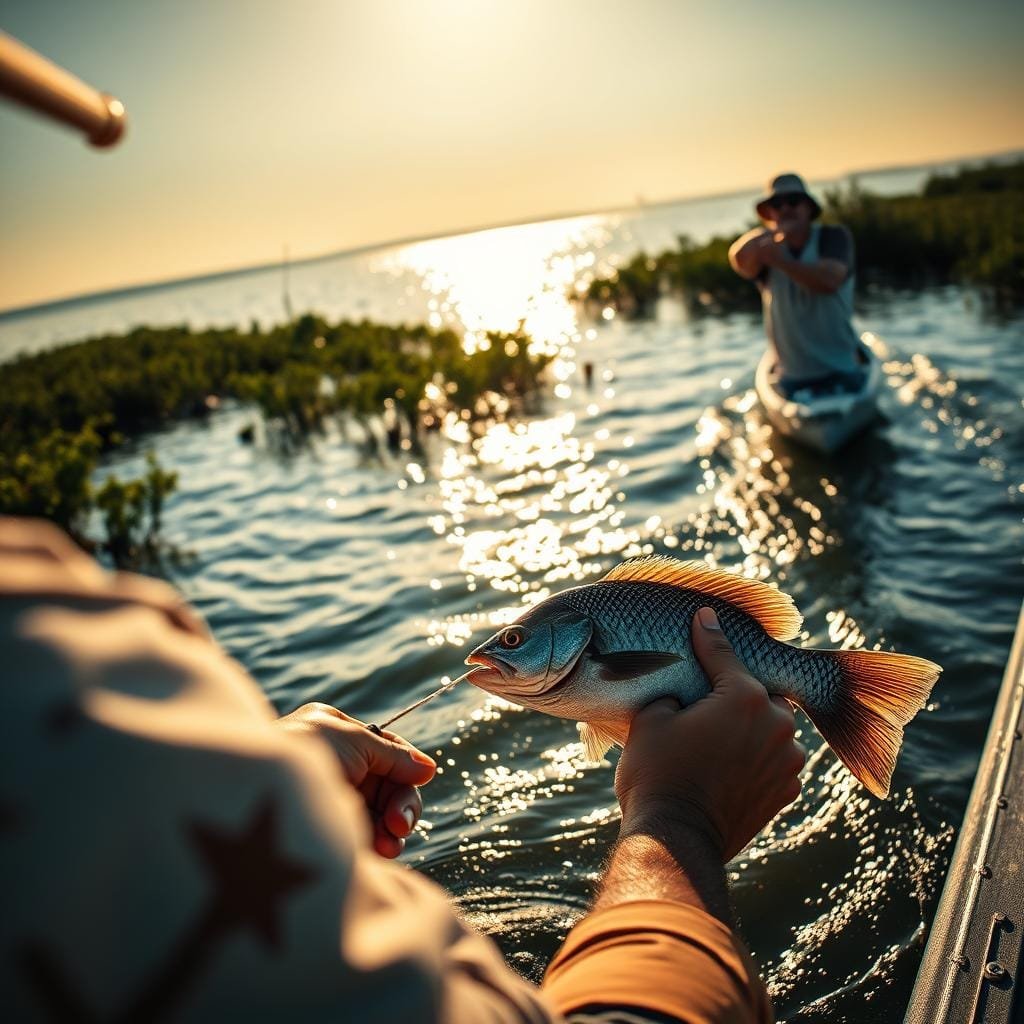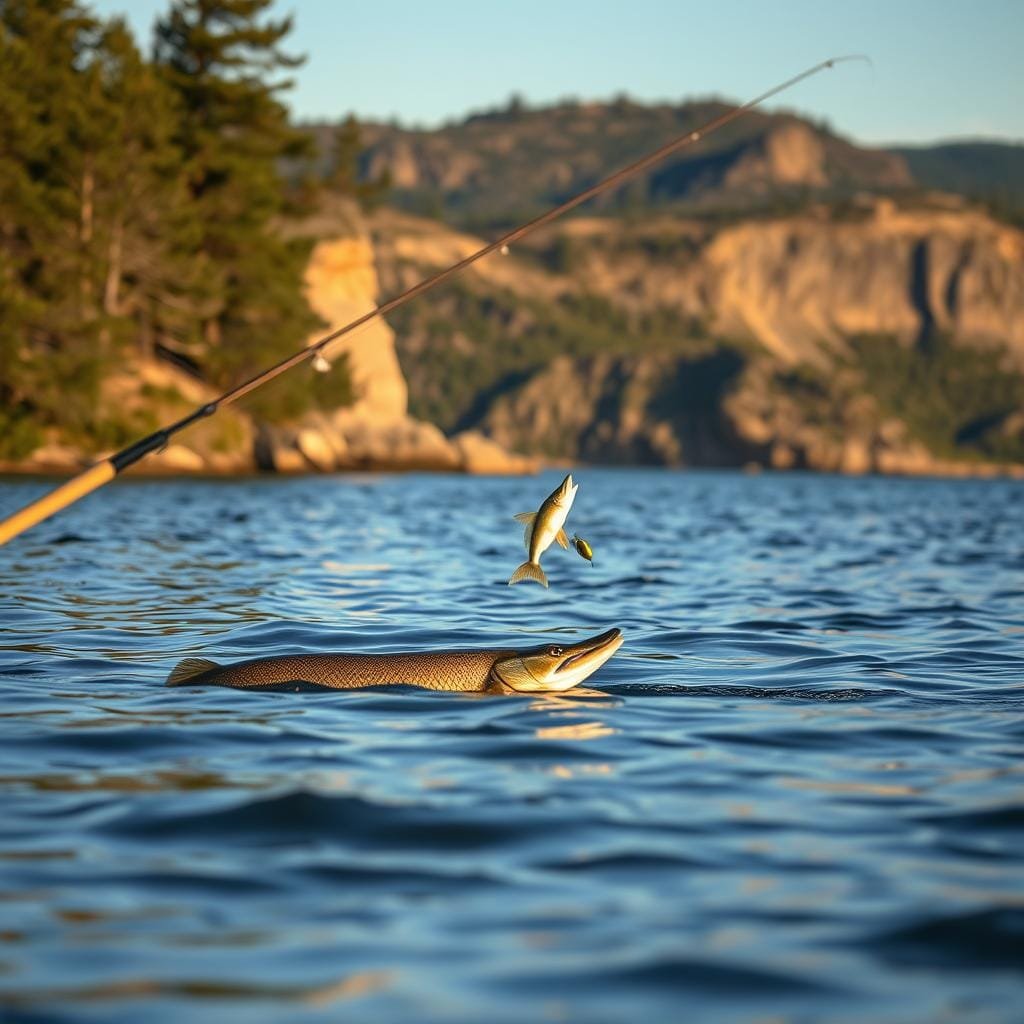
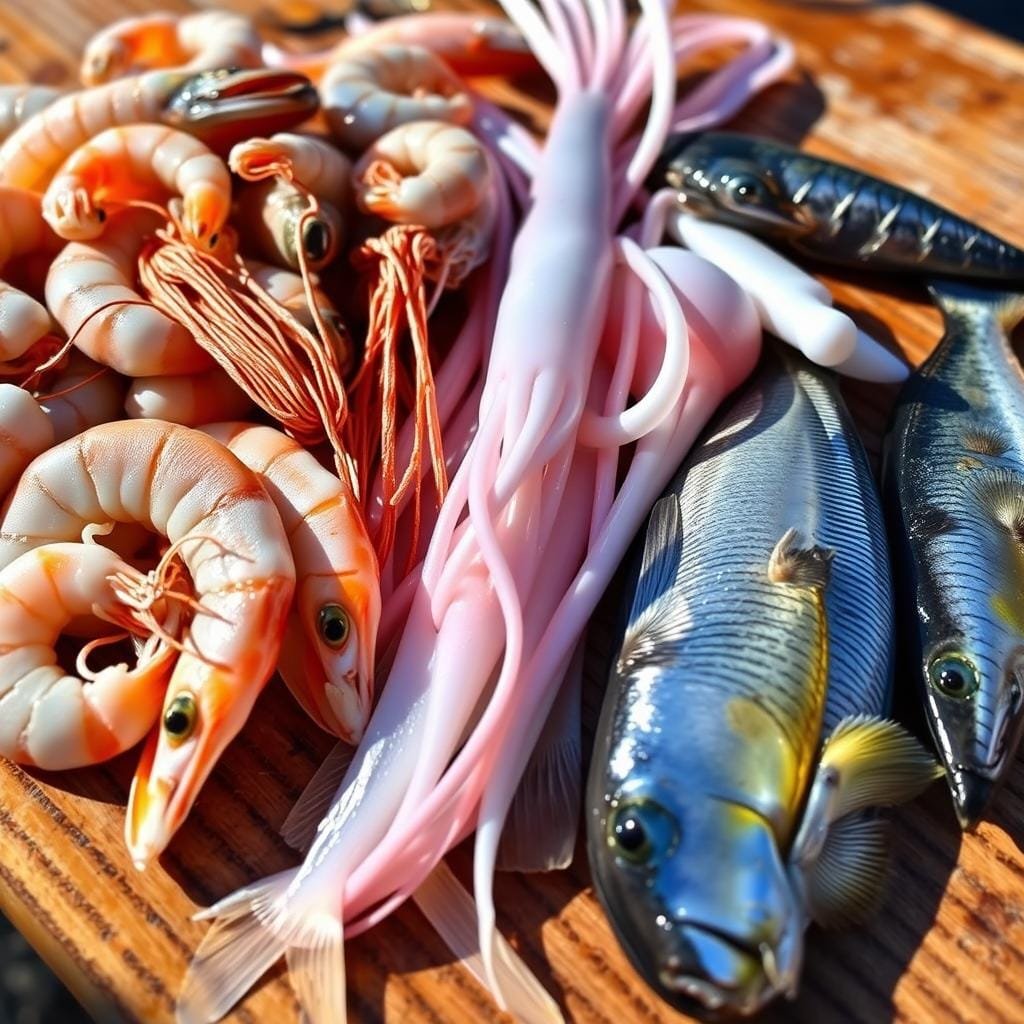
Want to catch more grouper and break off less? This guide will help. It shows how to pick the best bait and spot for grouper fishing in U.S. waters. Florida is a great place to fish, with reefs, wrecks, and bridges full of grouper all year.
Groupers are sneaky hunters. They grab bait and then hide. So, you need strong tackle and the right bait for bottom fishing.
Live bait works best in warm water. Try pinfish, grunts, or threadfin herring. But when it gets cold, frozen bait like Spanish sardines and squid is better. We’ll tell you how to use both for grouper fishing.
We’ll share grouper bait tips to get more bites. You’ll learn when to anchor and drift. Plus, how to choose the right tackle for the bottom.
Before you go fishing, check the rules. The Florida Fish and Wildlife Conservation Commission and NOAA have important guidelines. This includes rules on circle hooks and release tools.
Ready to catch more grouper? Keep reading for tips on bait, tackle, and fishing techniques. We’ll help you make every drop count.
Understanding Grouper Behavior and Habitat for Better Bait Choices
To catch grouper, you need to know how they act and where they live. These fish like hard bottoms and strike quickly. So, make sure your bait lands just right.
Match your bait to what they eat and stay close to the bottom. Be ready for them to quickly move back to safety.
Ambush predators: reefs, wrecks, ledges, and rocky bottom
Groupers hide in reefs and wrecks, then quickly grab their prey. They also like natural rocks, markers, and bridges. But ledge fishing is best because it traps bait.
They have big mouths and suck in small fish, crabs, and squid fast. Place your bait carefully to get a quick bite.
How structure and depth influence feeding windows
Depth changes with the weather and season. This affects when grouper eat. In cooler weather, they go shallower. When it’s hot, they dive deeper.
Steep reefs and wrecks can trigger bites in the middle of the water. On flat bottoms, move your bait slowly along the edge to stay in the strike zone.
Tides and current: timing drops on incoming and early outgoing
Current guides grouper on when to eat. The last two hours of the tide coming in and the first hour going out are best. Slack water lets them hide, so aim for the busy times.
Use short leaders and heavy weights to keep your bait in place during the busy times. When the current slows, change your angle or drift to match the grouper’s eating times.
Live Bait Staples That Consistently Produce
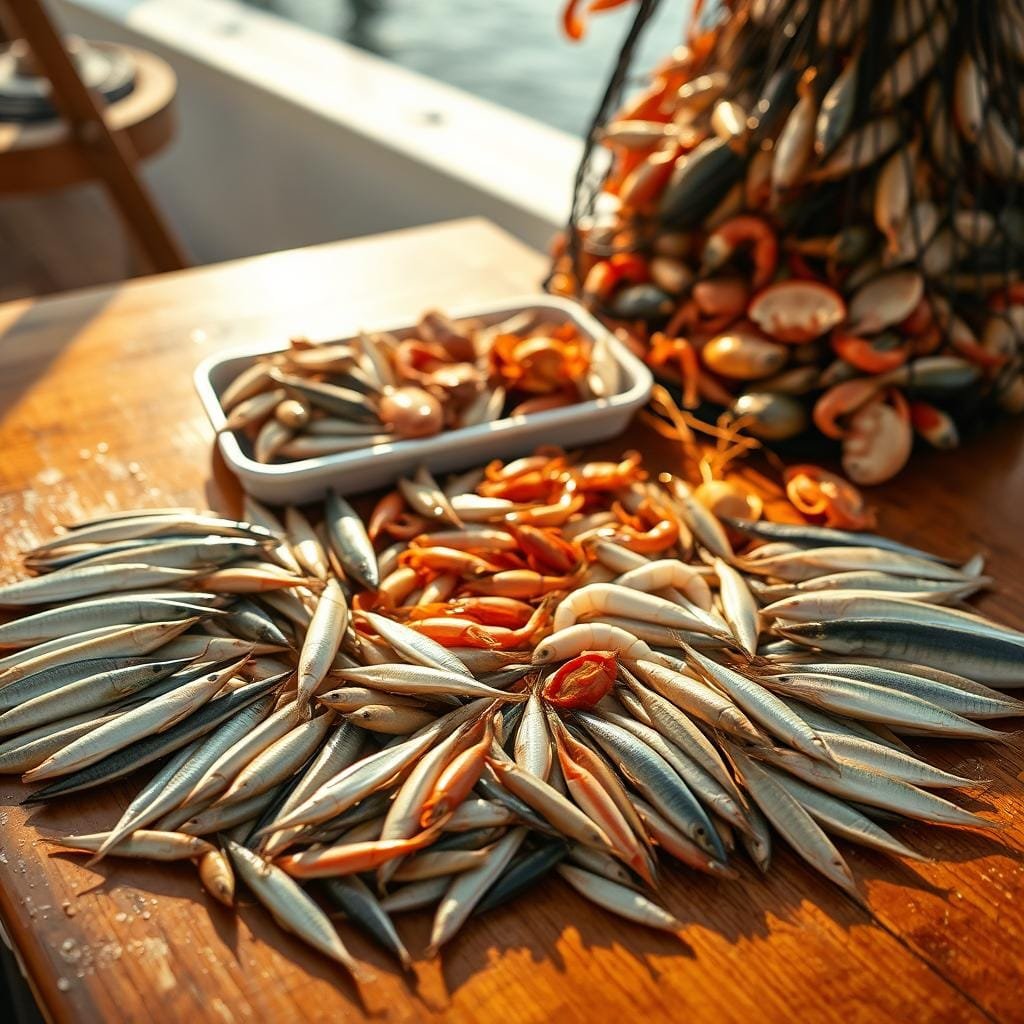
When grouper get moody, nothing beats a lively bait. The best bait is whatever swims thick where you fish. Drop it to the sand line, then crank up a turn or two and stay ready.
Pinfish, grunts, squirrel fish, and blue runners
Local forage wins. Pinfish and grunts are great on reefs and ledges. Squirrel fish are kicky and draw fast bites. Blue runners bait is for big ones.
Keep baits fresh, frisky, and sized right for your depth and current.
Rigging live bait: circle hooks, leader strength, and sinker selection
Use 6/0–10/0 circle hooks with a 40–80 lb fluorocarbon leader. Shorten the leader in shallow spots; lengthen it in clear water. An egg sinker rig in 4–8 oz range lets the bait reach bottom.
Ease the bait down until the sinker taps bottom. Lift a crank to hover over the strike zone. If the current bumps up, step the weight up, not the leader size, to keep the drift clean.
Pro trick: clipping fins to keep baits in the strike zone
Trim a small portion of the tail or dorsal on pinfish and grunts. This dulls their sprint. It keeps them from racing into rocks and holds them where bites happen.
The same tweak helps with blue runners bait when current is ripping. It gives grouper an easy target without killing the bait’s pulse.
Dead and Frozen Baits Grouper Can’t Resist
When grouper hide in structure, dead baits work best. A frozen bait can be as good as live bait. It often gets grouper to bite faster.
Spanish sardines, squid, mullet, mackerel, and bonito strips
Spanish sardines are great for grouper because they’re oily and shed scales. Squid is good for finicky fish because it stays on the hook. Mix mullet, mackerel, and bonito for a bait that lasts in current.
Cut sardines on a bias to open up scent lanes. Trim squid into long pennants for flutter. Bonito and mackerel strips hold up to pecks while bleeding oil.
When cold water favors oily, slow-thaw offerings
In cold weather, fish slow down and hide. Oily baits work well in this case. Drop a half-thawed sardine or cigar minnow to seep scent.
Pin the bait with a knocker or Carolina rig so it settles into the strike zone. Resist constant lifts—let the oil trail build over the structure.
Cut-bait strategy: starting small to fire up the bite
Start with small pieces of sardine or squid to wake up a spot. This will attract grunts and mangrove snapper. Their activity will signal grouper.
When pests leave or a light rod loads up, use bigger chunks of mullet mackerel bonito. If action slows, switch back to squid or a fresh Spanish sardines piece.
| Bait | Best Use | Hooking Method | Why It Works | Ideal Rigs |
|---|---|---|---|---|
| Spanish sardines | Cold snaps and pressured reefs | Nose-hook or half-chunk on bias | High oil, sheds scales for a long scent trail | Carolina/knocker for tight structure |
| Squid | Any season, finicky bites | Thread once at the tip; leave a flutter tail | Tough, universal appeal, steady movement | Dropper/chicken while drifting mixed bottom |
| Mullet strips | Current and rough bottom | Skin-on strip, single pass at the square end | Durable flesh, strong profile and scent | Carolina for precise drops |
| Mackerel chunks | Deep ledges and wrecks | Chunk or strip, hook through skin | Oily flesh, holds up to pecks, big-fish signal | Knocker to pin bait near bottom |
| Bonito strips | Active drifts and dawn bites | Long tapered strip, skin side out | Bleeds scent, stays intact after hits | Dropper for vertical control |
Artificial Lures That Work When Bait Won’t
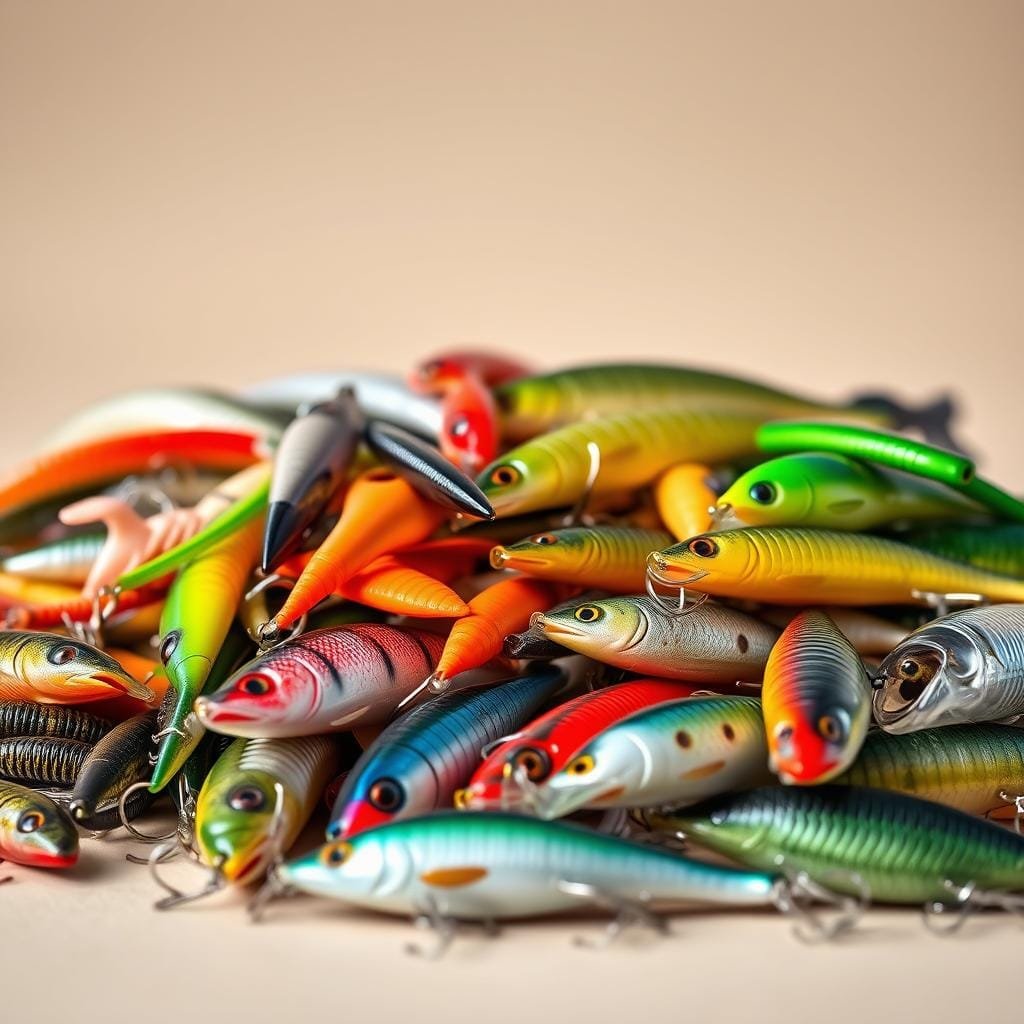
When live bait doesn’t work, smart grouper lures do. Keep your casts close to structures. Work the water column with purpose. Be ready to react fast when a fish bites.
Deep-diving plugs over reef edges for gags and blacks
Run deep diving plugs grouper just above reef edges. Trolling plugs for gag grouper work well in Florida’s Gulf Coast and the Bahamas. This is when fish swim closer to the surface.
MirrOlure deep divers in pink or orange are good. Yo-Zuri Crystal Minnows work with sharp twitches and pauses. Many strikes happen when you pause. For more on big profiles and colors, see effective artificial grouper tactics.
Vertical metal jigs, diamond jigs, and bucktails tipped with squid
Go vertical when you need to drop fast. Use Salas 7X and other metal jigs. Diamond jigs grouper work well by bouncing them off the bottom.
A 2- to 6-ounce bucktail jig squid combo adds scent. Short hops, then dead-stick for a beat. Gags and blacks often hit on the pause.
Slow-pitch and butterfly jigging in deeper drops
In 120 feet and beyond, slow pitch jigging grouper is great. Use compact, center-balanced slabs. Work a controlled lift-and-fall to let the lure flutter and kick.
Butterfly jigs are deadly near high-relief structure. Rotate weights to match current. Let the lure flutter near the bottom, not above the strike window. Keep steady pressure and be ready to turn the fish the instant you feel weight.
- Pro tip: Map new ledges while trolling, then mark, slide up-current, and re-attack with vertical presentations for a one-two punch.
- Color cues: Start with gold or silver on sunny days; switch to bone or pearl when the light drops or water muddies.
best bait for grouper
The best bait for grouper changes with the season, depth, and how fish are feeding. On active reefs and wrecks, local live baitfish are key. Pinfish, grunts, and other small fish stay lively and attract fish near structure.
Many anglers in the Gulf use classic Florida grouper bait. This bait hugs the bottom and kicks hard.
Cold snaps and tough bites need oily bait grouper tactics. Spanish sardines, squid, and mullet leak oil that draws fish. A thawing sardine near the ledge works wonders.
Debating live vs dead bait grouper? Start with small cut pieces to spark the food chain. Then switch to larger cuts or a lively bait once you get bites. Keep baits close to the bottom and trim a tail fin for better action.
Species matter. Gag grouper bait is live and quick in shallower water, 40–100 feet deep. Red grouper bait is cut, used over flat hard bottom. For deeper fish, slow-pitch jigs with mackerel or squid work well.
Pinfish vs sardines is a good test. Pinfish are tough and kick well in heavy cover. Sardines flash and bleed oil, turning neutral fish into biters. Use 40–80 lb fluorocarbon leader and 6/0–10/0 circle hooks.
When fishing for Florida grouper, keep it simple and close to the rock. Try both live and cut baits until you find what they want. A small change in hook size, bait cut, or sinker weight can make a big difference.
Match Your Rig to the Bait and Structure
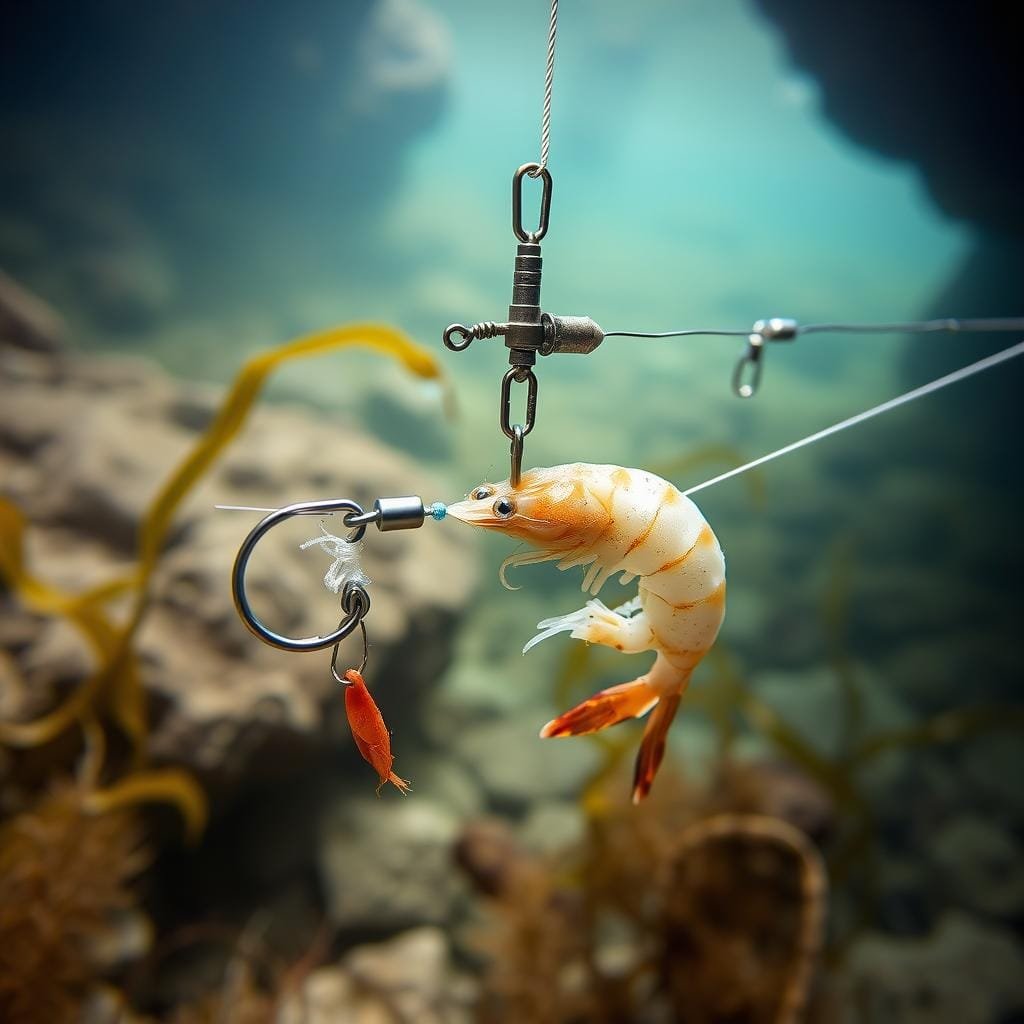
Choosing the right grouper rig is key. Pick one that fits the bait, depth, and current. Use circle hooks to keep more fish.
Carolina/fishfinder vs. knocker rigs: when each shines
A Carolina rig grouper is also called a fishfinder rig grouper. It has a sliding egg sinker and a 2–20 ft leader. This rig lets live bait swim naturally, encouraging bites.
A knocker rig grouper pins the sinker to the hook eye. It’s great for staying close to the bottom. It’s perfect for cold water and tight spots.
Dropper (chicken) rigs for drifting and mixed bottom species
A dropper rig keeps hooks off the bottom but close to the action. It’s good for drifting over mixed bottoms. Use it with cut sardines or squid.
Start with light egg sinkers for drifting. Add more weight if needed due to wind or tide.
Hook sizes and circle hook best practices
Circle hooks are the best for grouper fishing. Sizes range from 6/0 to 10/0. A 10/0 is good for big baits.
Don’t set the hook too hard. Keep the rod low and let the fish take the bait. Then, crank and lift to hook the fish.
Choose hook size based on bait width, not fish size. Use smaller hooks for small baits and larger ones for bigger baits.
| Rig Type | Best Use | Bait Pairing | Leader Length | Egg Sinker Sizes | Pros | Watch-outs |
|---|---|---|---|---|---|---|
| Carolina / Fishfinder | Live bait on reefs, wrecks, and ledges | Pinfish, grunts, blue runners | 2–6 ft shallow; 10–20 ft deep/clear | 2–6 oz, adjust to current | Natural swim, minimal resistance, versatile | Long leaders tangle if you drop too fast |
| Knocker | Tight structure, cold water, snaggy rocks | Live bait or compact cut bait | 1–3 ft for control | 2–8 oz, quick swap at hook | Great bottom contact, fewer hang-ups | Less bait freedom than sliding rigs |
| Dropper / Chicken | Drifting mixed bottom and edges | Cut sardines, squid, mullet strips | 12–24 in branch drops | 3–8 oz to stay vertical | Hooks above bottom, two-bait option | Not ideal for spooky, leader-shy fish |
Tackle That Turns Fish Before They Rock You
When a grouper jumps for the reef, you need strong tackle. Use a heavy reel and a short, strong rod. This lets you control the fish right away.
Choose 50-80 lb braid for less stretch and quick power. This is key when you need to move fast.
The Penn Senator 4/0 is great for tight spots and big fights. For more power, try the Accurate 2-speed. It helps you win against big fish.
Keep your drag tight. On shallow reefs, you can’t afford to lose line.
A big spinner reel like the Penn Battle 8000 works well in less than 100 feet. Use a 40–80 lb fluorocarbon leader for less stretch. Choose your tackle based on the reef and bait size.
Braid’s strength helps you control the fish at first. A short rod helps you lift the fish better. For more tips, see this guide on catching grouper.
Be confident with your tackle. A heavy reel, 50-80 lb braid, and a strong rod like the Accurate 2-speed or Penn Senator 4/0 are key. Add a spinning reel like the Penn Battle 8000 for shallower reefs. You’ll be ready to control the fish before they control you.
Species-Specific Preferences and Depth Ranges
Match your bait to the bottom and the depth where grouper are found in Florida. Use quick drops and steady pressure. This helps you catch fish before they hide in the rocks.
Red grouper: hard bottom generalists that love cut bait
Red grouper like oily bait on flat, rocky bottoms in 50–100 feet. Try Spanish sardines, squid, or mullet strips. Pinfish or grunts work well too.
Keep your drifts slow and reset often. This helps find new spots. For more info, check out this Florida grouper guide.
Gag grouper: shallower structure, responsive to plugs and fast live baits
Target docks, bridges, reefs, and ledges in 40–100 feet. Use threadfin herring or scaled sardines. Gag grouper plugs that dive deep work well on edges.
Troll briskly, then switch to live baits when the bite gets good. Short topshots and tight drags help keep fish out of the structure.
Black and scamp grouper: deeper haunts, live bait and jigs
Black grouper like warmer, deeper edges. Use blue runners and grunts as bait. Sardines or squid work for reaction strikes.
For scamps on offshore rocks in 100–200 feet, mix live bait with deep jigging. Slow-pitch and compact metals work well on the fall.
Goliath grouper: big live baits, catch-and-release focus
Target wrecks and reef corners with stout tackle. Use ladyfish, jack crevalle, or small bonito as bait. Keep fights short and support the fish boatside.
Follow current rules in state waters. Plan your drops for slack-to-moving water. This keeps you in the right depth for grouper in Florida.
Boat Positioning, Chum Strategy, and Bite Detection
Where you place your boat is key. Position it a bit up-current from reefs or wrecks. This lets bait and scent go back to the spot.
In deep water, go even farther up-current. This helps your bait reach the bottom. Use a GPS to stay steady without dropping your line. If you anchor, make sure it’s up-tide to fight wind and tide.
Start with small chum to get the fish’s attention. Use a little Spanish sardine to begin. Frozen chum is okay, but use it sparingly. This way, the current carries it down-tide nicely.
Tease the fish with small chum first. This will get the smaller fish going. When you feel a bigger bite, switch to bigger chum. Always have a backup rod ready for when the big one bites.
When you feel a bite, keep your rod tip low. Let it load up before you crank it. This helps you turn the fish and pull it off the reef. Set your drag tight to avoid losing the fish in the rocks.
Plan your trip according to the tide. The best times are when the tide is coming in and going out. This is when the grouper are most active.
Before you go, check the fishing rules. Know the seasons, size limits, and how many you can catch. You need a license unless you’re on a charter. With the right setup and knowledge, you’ll catch more fish safely.
FAQ
What’s the single best bait for grouper in Florida?
Live local baitfish are the best. Try pinfish, grunts, and threadfin herring. Drop them to the bottom and then move up a bit.
In colder water, use oily frozen baits like Spanish sardines or squid.
Where should I target grouper—what structure holds the most fish?
Look for reefs, wrecks, and rocky areas. Grouper like to hide in holes and ambush from there. Focus on depths of 20–300 feet.
How do tides and current affect grouper feeding windows?
The best times are the last two hours of the incoming tide and the first hour of the outgoing. Moving water brings baitfish and grouper together. Slack tide slows the bite, so plan your drops around the current.
What live bait rig works best for grouper?
A Carolina rig is great. It has a sliding egg sinker, 40–80 lb fluorocarbon leader, and a 6/0–10/0 circle hook. Adjust the sinker and leader length for the water and depth.
Why clip fins on live bait and how do I do it?
Clipping fins makes baitfish swim less. This helps grouper catch them. Use small scissors to trim the fins lightly.
Which dead and frozen baits consistently catch grouper?
Spanish sardines, squid, and mullet are top choices. In cool water, a slow-thaw sardine works well. Refresh baits often to keep the scent strong.
What’s a smart cut-bait strategy to start a spot?
Start with small pieces of sardine or squid. This attracts snappers and grouper. When the action slows, switch to larger cuts or live bait.
Do artificials really work for grouper?
Yes, they do. Trolling deep-diving plugs is deadly. Vertical metal jigs and diamond jigs work on deeper spots. Slow-pitch and butterfly jigs are great for deep drops.
Which plugs and jigs should I try first?
Try large deep divers in bright colors first. For vertical work, use diamond jigs or bucktails. Slow-pitch jigs are best for deep water.
What does “best bait for grouper” really mean day-to-day?
It depends on local forage and conditions. Live bait is best in warm bites. In cool water, oily cut baits and squid work better.
Carolina vs. knocker rig—when should I use each?
Use the Carolina rig for live bait. It’s natural and works when fish are picky. The knocker rig is better for tight spots and strong current.
When should I fish a dropper (chicken) rig?
Use it for drifting in moderate current. It keeps hooks off the bottom and covers ground. It’s good for both grouper and snapper.
What hook sizes and circle hook tips should I follow?
Use sizes 6/0–10/0 for grouper. Don’t set the hook. Keep the rod tip low and crank hard when you feel pressure. Circle hooks help fish survive and are required in some areas.
What tackle do I need to stop grouper from rocking me?
Use stout conventional gear with 50–80 lb braid. Tight drags and a heavy rod are key. Two-speed reels help in deep water. Heavy spinning gear works under 100 feet.
How do species and depth change bait choice?
Red grouper like cut bait on hard bottom. Gag grouper prefer live fast baits and deep-diving plugs. Black and scamp grouper eat live bait and jigs in deeper water. Yellowedge and snowy grouper like deep cut baits and slow-pitch jigs.
What about Goliath grouper—what baits and rules apply?
Goliaths eat large live baits like ladyfish on wrecks and reefs. In Florida state waters, they must be catch-and-release. Check current FWC regulations for updates and required gear.
How should I position the boat on a wreck or ledge?
Position slightly up-current to let baits drift back. The deeper the spot, the farther up-current you should be. Use GPS trolling motors to stay on spot without anchoring.
What’s a smart chum plan for grouper?
Start with a few sardine pieces to spark activity. Frozen chum blocks work too, but control the flow. The goal is to stimulate the bite and pull fish out.
How can I detect bites and avoid missing hookups?
Keep your rod tip low and line tight. With circle hooks, let the fish load the rod, then crank hard and lift smoothly. Apply max pressure right away to keep the fish from diving into the rocks.
What regulations and gear rules should I know?
Seasons, size limits, and bag limits vary by species and location. Always check current FWC and NOAA rules before fishing. Use required release tools and circle hooks where mandated, and carry the proper licenses.