Want fast action on Florida’s surf? Start with the best bait for pompano and a plan that fits real beach conditions. This guide pulls from surf-tested days around Fort Pierce Inlet, Hutchinson Island, and the Treasure Coast. Anglers work shifting bars, cloudy water, and strong current.
You’ll learn which pompano bait gets bit, how to rig it, and when to pair naturals with synthetics. This is for long casts and steady hookups.
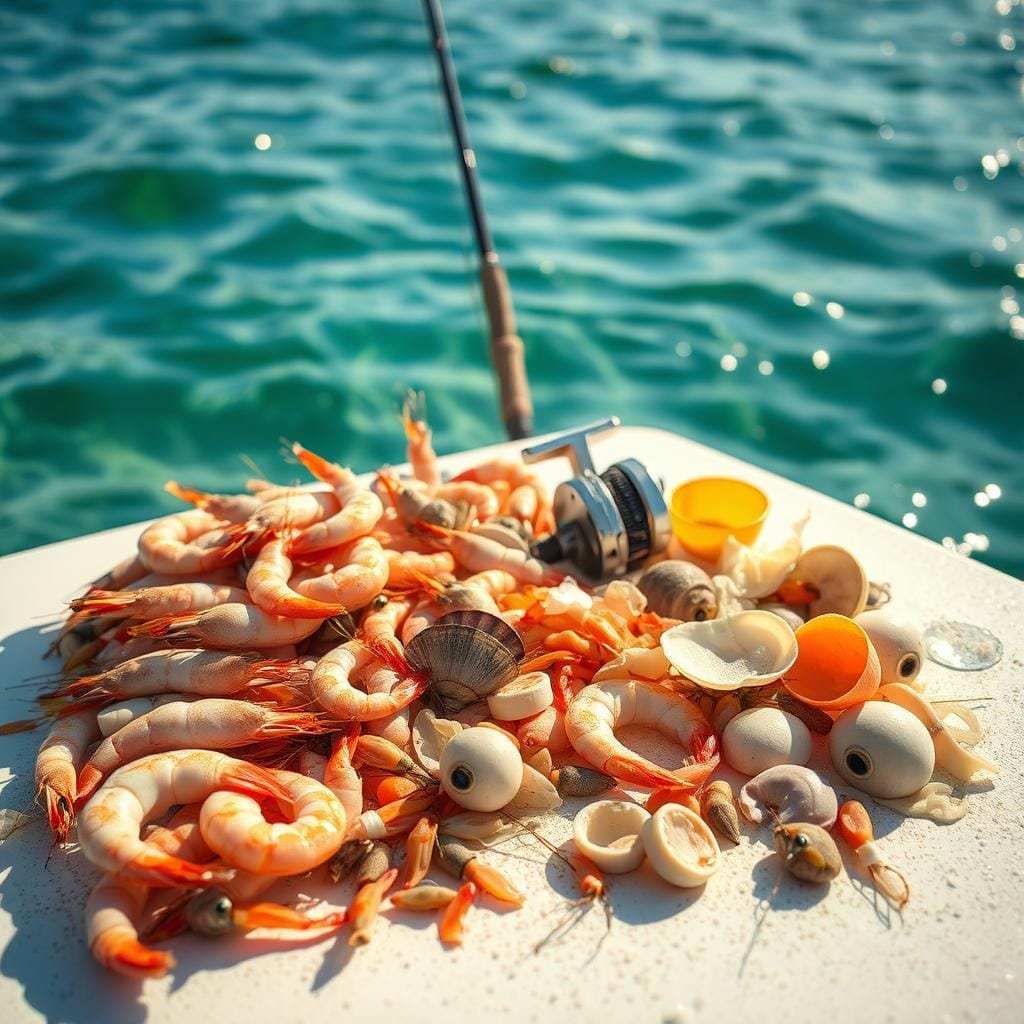
Our focus is simple: combine fresh sand fleas bait, clams, shrimp, and small crabs with tough strips. Use Fishbites for pompano or Fishgum. Pair them with two-hook pompano rigs, 2/0 Eagle Claw circle hooks, and 20 lb Ande Ghost mono for stretch.
In heavy wash, Sputnik sinkers anchor the spread. This lets you stagger casts at short, medium, and long range. It’s a classic surf fishing pompano strategy.
These pompano fishing tips reflect patterns tied to water temps and real surf pressure. Record-warm Decembers can hold fish north toward Melbourne and St. Augustine. So, mobility matters.
Fresh bait wins, but synthetics shine when you need durability and scent. This playbook shows how to deploy the best bait for pompano. It also teaches you to adapt fast when conditions change.
Why Bait Choice Matters for Pompano Success
Choosing the right bait can lead to more bites. It’s about matching what fish expect and keeping scent in the water. This mix of realism and durability turns lookers into eaters.
Pompano feeding behavior: always on the move along beaches, cuts, and channels
Pompanos roam the shore, then move through sandy cuts and channels. This pattern means bites can happen on one rod and then another. Knowing their behavior helps you place baits where they pass by.
As the surf changes, cast at different distances. This way, you cover their paths and meet them where they move.
Freshness first: avoid old frozen shrimp, spoiled fleas, or stinky clams
Fresh bait is key for pompanos. Avoid old shrimp, fleas, or clams. They should smell clean and feel firm.
Live sand fleas and fresh clams work well. For more on bait, check out this guide on pompano bait choices.
Scent and durability: when synthetics like Fishbites and Fishgum shine
In tough waves, synthetics like Fishbites outperform natural bait. They keep scent going after long casts and hard landings. This is key when naturals don’t last.
Many use a clam or flea with a thin synthetic strip. This mix offers both realism and durability. Fishgum pompano setups also perform well in tough conditions.
| Scenario | Best Primary Choice | Why It Works | Smart Add-On |
|---|---|---|---|
| Roaming schools along troughs | Live sand fleas or fresh clam | Natural look matches pompano feeding behavior in travel lanes | Tip with Fishbites strip for extra scent trail |
| Heavy surf and long casts | Fishbites or Fishgum | High bait scent durability and excellent hook hold through launches | Add a small fresh flea piece for realism |
| Pesky bait thieves | Fishgum pompano rigs | Synthetics resist pecks while releasing scent | Pair with a tough shrimp tip for flash |
| Clear water, finicky fish | Fresh bait for pompano (clam, shrimp) | Clean, natural scent reduces refusals | Light Fishbites vs natural bait blend to extend soak time |
Seasonal Patterns and Water Temperature Windows
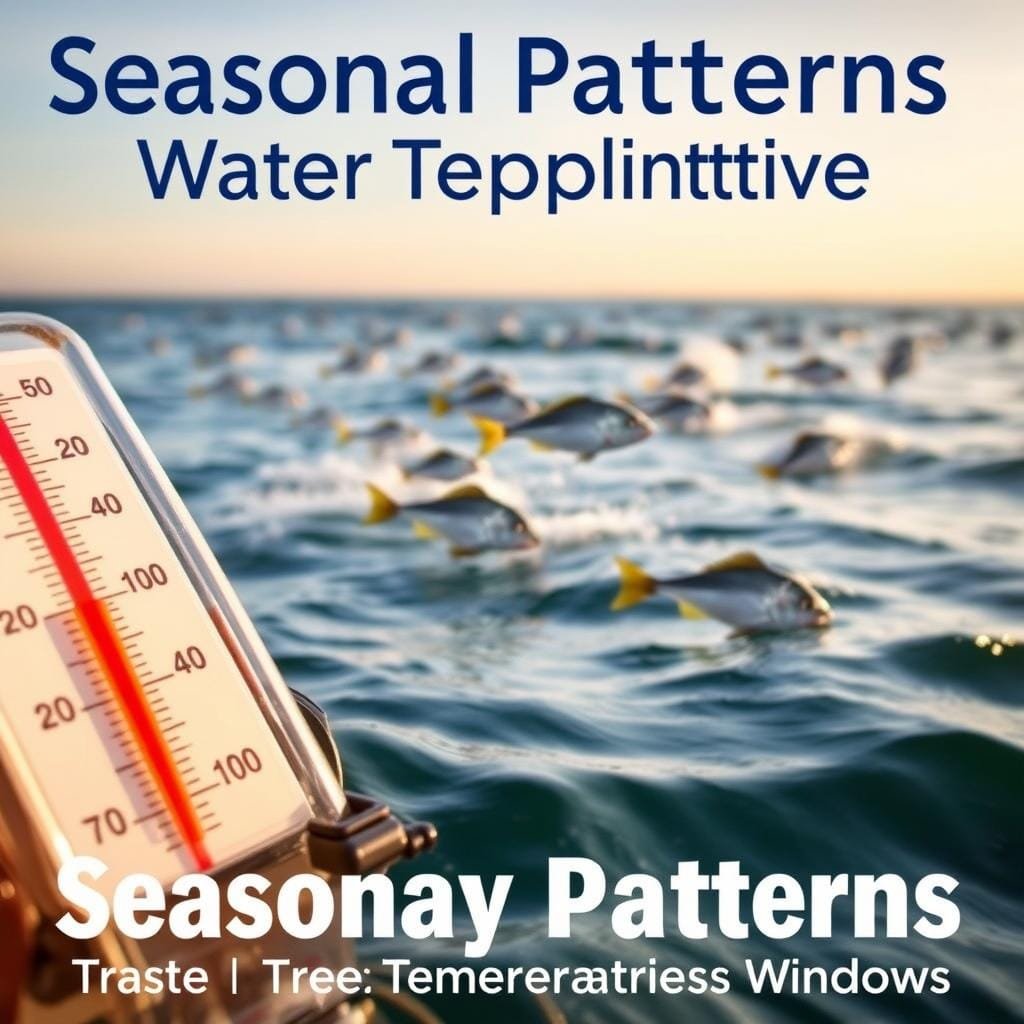
Watch the coast like a weather map to find fish. The key is water temperature data. Plan your beach time when temperatures change.
The 65–75°F sweet spot that drives migrations up and down the coast
The 65–75°F range is perfect for pompano. When the surf is this temperature, fish come to feed. Look for satellite charts and pier readings to find the warm spot.
When water gets into the low 70s, fish spread out. In the mid-60s, they gather in cuts and bars. This makes them easier to find.
Using cold fronts and warm spells to predict where schools push
Cold fronts make pompano move south. They look for mid-60s water. After a front, fish the first day with calm water.
Warm spells make fish stay put. If it warms up for three days, wait for it to cool down again.
Reading local conditions: when record-warm winters keep fish north
Warm winters make pompano stay north. Central Florida gets more fish. St. Augustine might have fish if it stays warm.
Check sea surface temps and inlet color daily. Be ready to move to find the best fishing spot.
Live Sand Fleas (Mole Crabs): The Classic Choice
Nothing beats the real thing when pompano cruise the wash. Live mole crabs bait stays natural, kicks sand, and draws fast strikes. For many surf anglers, surf fishing sand fleas is the first move on a rising or falling tide.
Why pompano love sand fleas and how to find them on the beach (tiny V’s in the wash)
Captains from Florida to Alabama report fish darting into ankle-deep water to chase sand fleas for pompano as waves fall back. To gather them, watch the receding wave face for finding sand fleas tiny V ripples clustered in a patch. Scoop fast with a sand flea rake where those V’s appear and reload your bucket often.
Target beaches with steady wave energy and clean sand. After a set rolls through, pause and scan the glistening wash line. If you see repeated V patterns in the same stretch, you’re likely on a bed that can supply hours of mole crabs bait.
When to fish fleas: surf zones, sandy cuts, and inlets
Set up along outer bars, troughs, and sandy cuts that funnel food. Inlets push crabs and shrimp on moving water, and pompano track that flow. Short casts into the first trough shine when schools slide tight to the beach during surf fishing sand fleas sessions.
Work a spread at different ranges. Keep one rod tight to the wash, another past the first bar, and a third near the deeper cut. Rebait often; fresh, lively sand fleas for pompano outproduce tired baits, and fresh-dead or blanched fleas can keep you in the game.
Pinning baits to the bottom with enough lead to beat waves and current
Holding bottom is everything with pompano rigs with sand fleas. Start with 3–4 oz in moderate surf and jump to 5–6 oz when the tide or swell builds. Sputnik sinkers lock in so your bait sits and pulses scent instead of rolling down the beach.
Use a two-hook rig with short leaders to reduce spin. Cast, tighten to the sinker, and let the rod load in a sand spike. If a rod drifts, add weight or shift angles until the fleas stay pinned on the feed lane.
| Scenario | Where to Place Bait | Recommended Weight | Rig Tip | Why It Works |
|---|---|---|---|---|
| Calm morning surf | First trough, 20–40 yards | 2–3 oz pyramid | Short leaders on pompano rigs with sand fleas | Keeps natural action while holding just enough |
| Moderate swell with side current | Cuts between bars | 4–5 oz Sputnik | Stagger casts to find the lane | Anchors baits where pompano travel and feed |
| Fast-moving inlet tide | Upcurrent seam near eddies | 5–6 oz Sputnik | Tighten line and lock drag | Prevents drift and presents mole crabs bait naturally |
| Wind-onshore chop | Behind outer bar | 4–6 oz pyramid or Sputnik | Fresh fleas; rebait every 10–15 minutes | Strong scent trail cuts through turbulence |
Clams, Shrimp, and Small Crabs: Natural Alternatives That Work
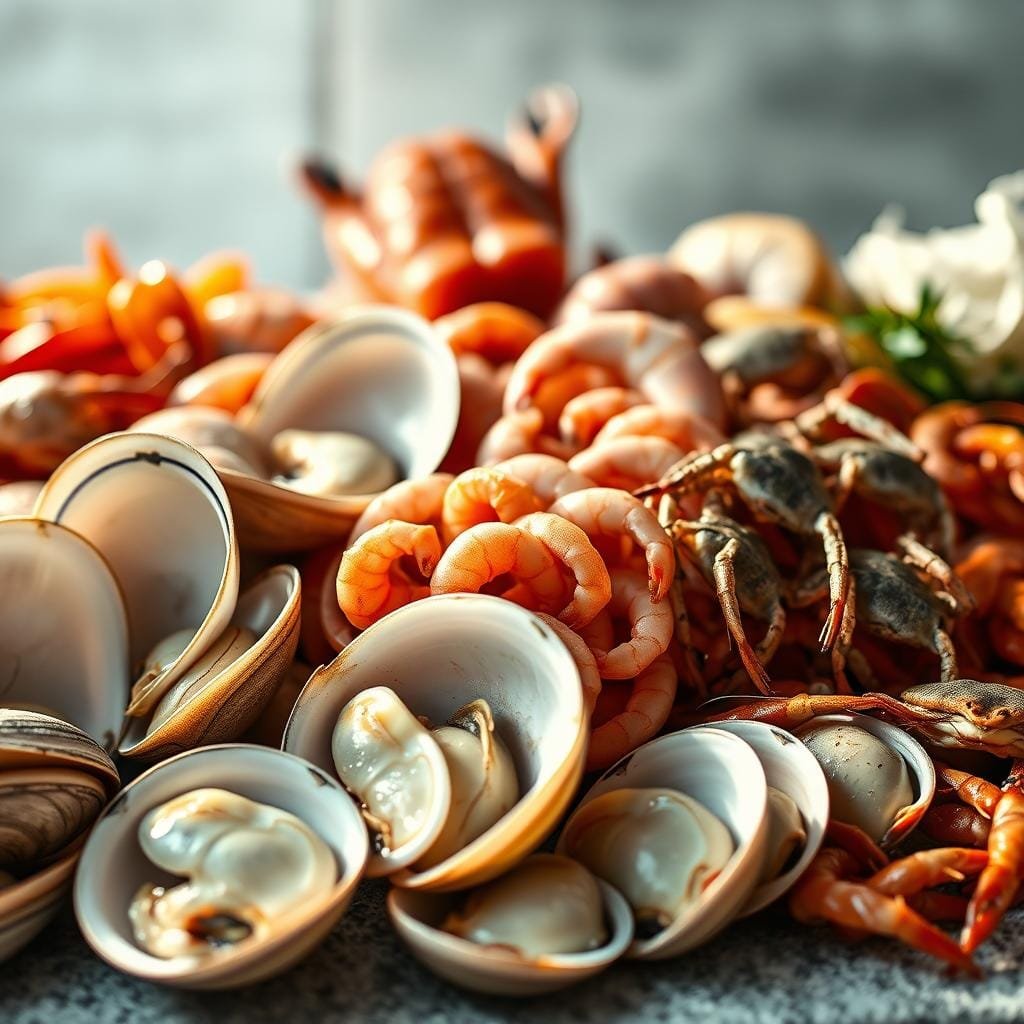
When sand fleas are hard to find, natural baits work great. Clams, shrimp, and small crabs have a scent that fish love. They draw fish to the bars and cuts.
Fresh clams and shrimp as top-tier natural baits
Get clam meat from today’s catch or a seafood counter. Cut firm strips for clam bait. For shrimp bait, use medium raw shrimp, shell off, and thread the meat.
Small crabs are great for fish in the wash. Use mole crabs or tiny blue crab chunks. Keep pieces small to match what fish expect.
Hooking tips for two-hook dropper rigs with circle or Kahle hooks
A two-hook dropper is good in the surf. Use 2/0 Eagle Claw circles for a circle hooks pompano rig. Run clam or shrimp up the shank, then through a tough edge of meat.
Kahle hooks pompano rigs work well too. The wide gap pins soft baits without tearing. Add small floats in stained water to lift the bait.
Keeping baits clean and intact in surf and inlet current
Heavy current needs a strong rig. Use a Sputnik or pyramid sinker to lock the rig. Check baits often; rebait fast if pinfish or puffers clean them.
Rinse sand from clam and shrimp before re-rigging. Trim ragged edges, re-thread tight, and rotate baits. A small synthetic strip behind the hook eye can help in pounding surf.
| Bait | Best Use | Hook Choice | Prep & Rigging | When It Shines |
|---|---|---|---|---|
| Fresh Clams | Clean scent in clear to lightly stained surf | 2/0 circle hooks pompano rig | Cut firm strips; thread up shank and pierce a tough edge | Steady beach runs and gentle outer bars |
| Raw Shrimp | Universal draw in mixed schools | Kahle hooks pompano | Shell off; thread tail-first; leave point barely exposed | Cloudy water, light chop, short to mid casts |
| Small Crabs | Crab-heavy zones and sandy cuts | 2/0 circle or Kahle | Use whole mole crabs or firm chunks; secure with half-hitch | Active troughs, inlet eddies, bait-thief pressure |
| Natural + Synthetic Tip | Long casts and rough surf | Circle or Kahle | Add a thin Fishbites/Fishgum strip behind the meat | Durability boost without losing natural profile |
best bait for pompano
Choosing the best bait for pompano is simple. Live sand fleas are the top choice, found in the surf where you see tiny V’s. Next up are fresh clams and shrimp, with small crabs as a reliable backup. This order is a trusted guide from beach to pier.
When waves get big or pinfish start pecking, durability matters. That’s where Fishbites for pompano and Fishgum come in. These scented strips last through long casts and steady currents, keeping scent alive. Adding a strip to a flea or clam can be a smart move when bites are hard to come by.
Choosing between sand fleas and Fishbites is like picking between realism and durability. Fleas are the best when they’re plentiful and lively. But if the surf is rough or bait is hard to find, synthetics keep you fishing. For more on the best baits, check out this guide to pompano baits and match it to your local fishing spots.
| Bait or Lure | Strengths | Best Use Case | Notes |
|---|---|---|---|
| Live Sand Fleas (Mole Crabs) | Natural profile, instant strikes | Surf beaches with visible “V” pushes in the wash | Often the top pompano bait when available and lively |
| Fresh Clams | Strong scent, soft texture fish love | Clean sand troughs and cuts with moderate current | Pin to hooks firmly to avoid short strikes |
| Fresh Shrimp (Pieces or Small Whole) | Universal appeal, easy to source | Inlets and beaches where shrimp wash naturally | Keep fresh; avoid old frozen pieces for best results |
| Small Crabs | Durable, matches natural forage | Sandy bars and edges near passes | Great backup when fleas are scarce |
| Fishbites (Shrimp/Crab Flavors) | Long-lasting scent, cast-proof, thief-resistant | Rough surf, long casts, or high bait pressure | Fishbites for pompano excel in tough conditions |
| Fishgum | Durability, persistent odor trail | Heavy current or when naturals get stripped | Ideal for hybrid rigs with fleas or clams |
| Banana Jigs (Pink/Orange) | Flash and flutter mimic fleeing crustaceans | Active schools along sandbars and troughs | Work jigs with short hops near bottom |
| Pompano Feather Jigs (White/Pink) | Clean profile, easy to see | Clear water with roaming fish | Great search tool when bites are scattered |
| Scented Imitation Shrimp (1/8–1/4 oz) | Combines jig action with scent | Higher tides and mild chop | Pink or orange heads boost visibility |
For the best bait for pompano, start with live fleas. Then, switch to clams or shrimp when needed. Add synthetics for extra staying power. This way, you can rotate between sand fleas and Fishbites. It keeps your bait game strong from dawn to dusk.
Scented Synthetics: Fishbites, Fishgum, and Other Durable Options
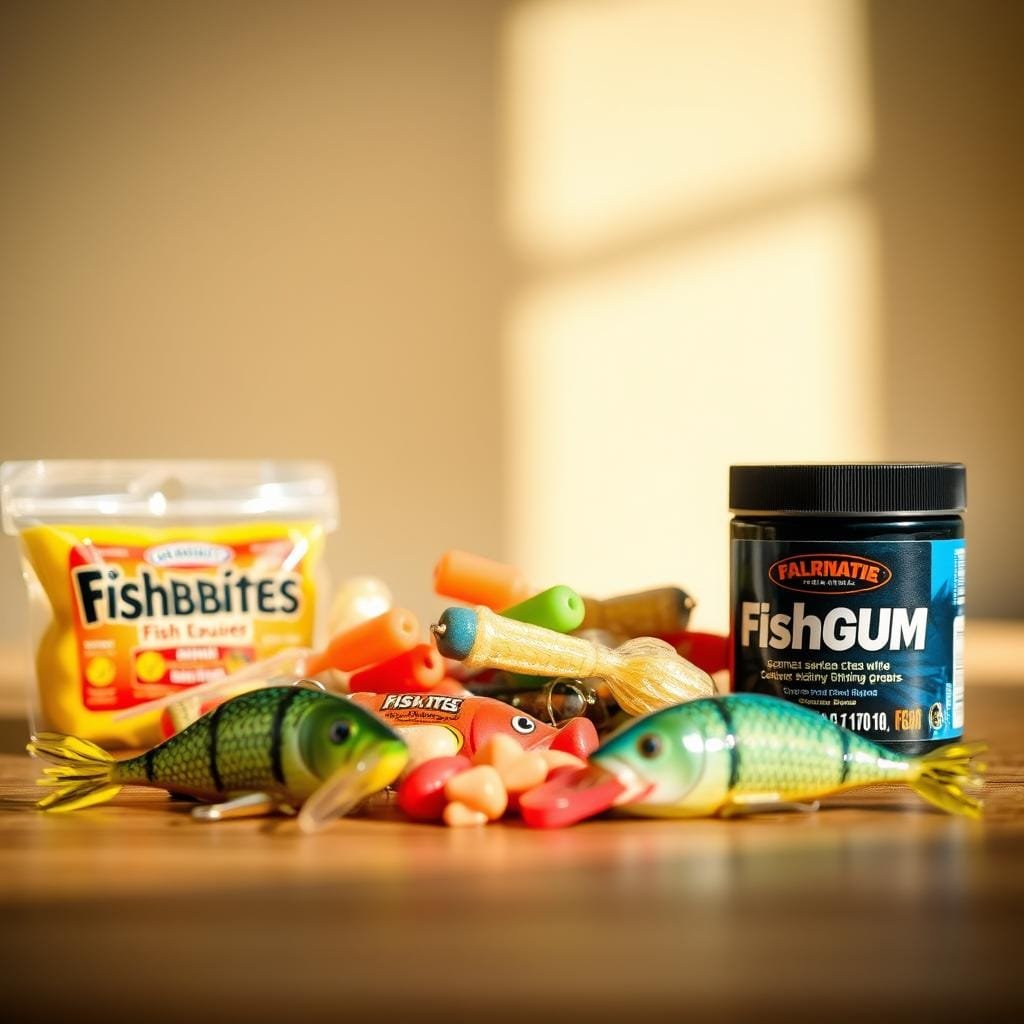
When the surf gets rough, scented synthetics help you keep fishing. Anglers use Fishbites pompano and Fishgum pompano. These strips last long and keep their scent and shape.
When synthetics out-fish naturals: tough surf, bait thieves, or long casts
Shrimp and clams get damaged quickly in heavy surf. But, Fishbites E-Z Shrimp and Fishgum stay strong. They keep bleeding scent and stay in place on long casts.
They also work well when small fish steal your bait. A strip keeps your hooks ready for the next bite.
These baits are easy to carry. No need for a cooler. They’re perfect for fishing from piers and beaches.
Color and flavor choices: shrimp, crab, and “yellow” strip anecdotes
Most days, shrimp or crab Fishbites work well. Many surf casters use both. A bright “yellow” strip is great for clear water and pompano floats.
For more variety, try Gulp! But, it’s wetter to store. Fishbites Fight Club Lure and E-Z lines are simple and durable for catching pompano.
Combining baits: tipping fleas or clams with a synthetic strip
Put a small synthetic tab on a live sand flea or clam. The natural bait starts the action. The strip keeps scent going after the first bite.
Use small pieces. Too big and it won’t cast well. Just the right size is perfect for a two-hook pompano rig.
Rigging and Terminal Tackle That Make Bait Work Harder
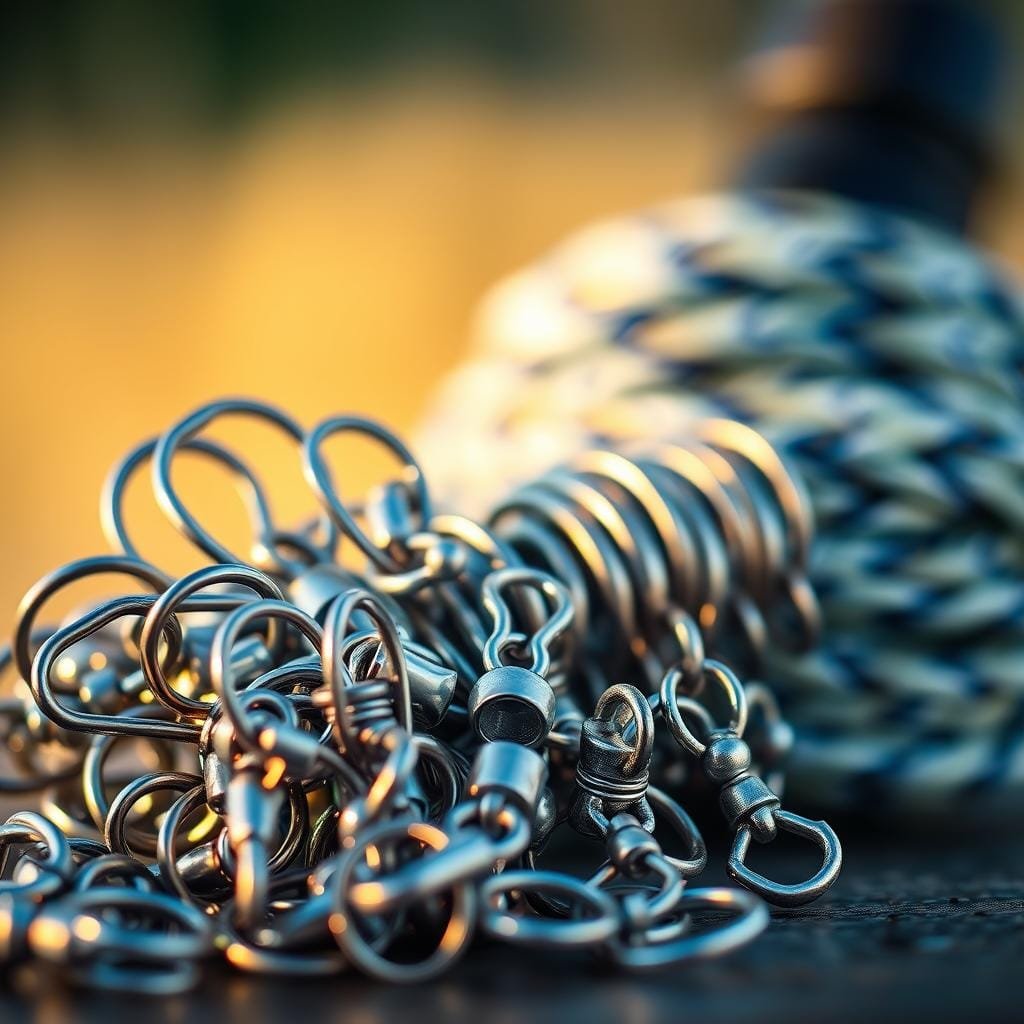
A clean setup keeps baits in the strike zone longer. Build a pompano rig two-hook that fishes steady, holds bottom, and casts true. Small parts matter, and each choice affects how often you check your rod tip.
Standard two-hook rigs with 2/0 circle hooks and floats
Use a 30-inch double dropper with even spacing and short tag lines. Match 2/0 circle hooks, like Eagle Claw, to natural or synthetic baits to keep the profile tight. Add subtle floats in dingy water for lift and visibility without making the bait spin.
Keep the leader clear and tough. Many anglers tie 20 lb Ande Ghost mono for abrasion resistance and a low sheen that blends with sand. For a deeper dive on sizing and color choices, see this quick primer on the pompano rig.
Using Sputnik sinkers to anchor baits in heavy surf and strong tides
Switch sinkers to match current. On calm days, a pyramid works. When swells build or inlets rip, the Sputnik sinker pompano option locks in with wire legs, reducing drag and walk-offs. A Duo Lock snap lets you change lead fast as the tide turns.
Choose enough weight to pin the rig, but not so much that you blunt the bite. Long rods in the 10–13 ft class make it easier to cast heavier lead and keep line high over the wash.
Mono vs. braid: stretch to hold bottom vs. casting distance
In mono vs braid surf fishing, each has a role. Thin braid adds distance and sensitivity, yet its lack of stretch can pop sinkers free during sets. Many surf casters spool 12–14 lb mono on the main reel for give, and tie leaders with Ande Ghost mono to manage abrasion at the knots.
If you favor braid for reach, pair it with a longer shock leader and a firm drag. That extra cushion helps your 2/0 circle hooks pin fish without tearing out when a wave lifts the rig.
| Component | Recommended Specs | Why It Works | Best Conditions |
|---|---|---|---|
| Main Line | 12–14 lb mono or 20–30 lb braid | Mono stretch helps hold bottom; braid boosts casting range | Mono for steady surf; braid for long casts and calm days |
| Leader | 20 lb Ande Ghost mono | Low sheen, abrasion resistant around sand and shell | Clear water, shellly bars, mixed bottom |
| Hooks | 2/0 circle hooks | High hookup ratio with small bait profiles | All baits, from sand fleas to Fishbites |
| Rig Style | Pompano rig two-hook, 30 in overall | Two baits staggered to cover water and speeds | Beach troughs, cuts, and gentle channels |
| Floats/Beads | Subtle colors; add only in stained water | Visibility and slight lift without spooking fish | Cloudy water, low light, light chop |
| Sinker | Sputnik sinker pompano or pyramid (3–6 oz) | Wire legs anchor in current; pyramids for lighter surf | Heavy tide lines, inlets, or wave sets |
Distance and Placement: Short, Medium, and Long Cast Strategies
Cover the water fast by spreading your baits at different ranges. This builds a quick map of where fish cruise and marks the bite zone surf fishing in real time.
Pro tip: Keep notes on which rod gets the earliest tap. Adjust all rods toward that lane before the next wave set arrives.
Staggering rods to locate the bite zone quickly
Run three rods with staggered casts pompano style at about 20, 40, and 60 yards. Tag each sand spike so you remember which distance gets action first.
Once a rod fires twice, slide the spread to cluster around that lane. Tighten the grid by five to ten yards to ride the school and hold the bite zone surf fishing longer.
Reading the beach: bars, troughs, and lateral movement of schools
Start by reading the beach bars troughs where waves break, flatten, and reform. Aim short casts into the inside trough, medium to the near bar edge, and long just beyond the outer foam line.
Watch sandpipers chasing fleas, clean green-blue water, and a light sideways push. Pompano slide laterally, so a quiet rod can light up without a recast when the school passes.
Move or stay? Timing your relocations every 15–30 minutes
If the spread sits dead for 15–30 minutes, move to find pompano. Shift up or down the beach to a fresher cut, clearer water, or a cleaner rip.
No love after a few rounds? Leapfrog access points within the tide window. Note neighbor success and match their range and bait while keeping courteous spacing.
- Short: inside trough during low chop and flea sign
- Medium: bar edge when waves stack evenly
- Long: beyond the outer break on calm, clear mornings
Where to Deploy Your Bait: Surf, Sandbars, Flats, Bridges, and Inlets
Find the right spot before you cast. Look at the water color, current, and bottom shape. Choose the right sinker and jig for the terrain. Be quiet when fishing near the beach or structure.
Surf beaches near sand fleas for classic runs
Look for clean, misty-blue water and light weed on surf beaches. Find tiny V’s that mark sand fleas. Cast beyond the first bar and let the rig settle as waves push scent down the trough.
Use fresh fleas, clams, or Fishbites on a two-hook rig. Keep lines tight and change spots every 15 minutes to follow schools.
Inshore sandbars and cuts funneling crabs and shrimp
Target sandbar cuts pompano where current digs lanes between bars. These sandy channels funnel shrimp and small crabs. Keep baits low and moving.
Hop banana or “goofy” jigs along the bottom, or slide natural baits down the seam. If drift is brisk, step up sinker weight to hold your spot.
Grass flats with sandy potholes for stealthy, long casts
On clear flats, aim for grass flats sandy potholes and edges of thin channels. Pompano spook here, so stay quiet and make long, shallow-angle casts.
Work subtle jigs in short hops. Tip with shrimp scent if pinfish are thick, and pause in each pothole before lifting again.
Low bridges for vertical jigging and set baits
Under low spans, bridge jigging pompano shines when tide sweeps bait under the deck. Drop banana jigs straight down and bounce within a foot of bottom.
If you prefer bait, stage a pompano rig with sand fleas upcurrent of the pilings and let the flow present it naturally.
Inlets with strong current—bring heavier sinkers
For inlet fishing heavy current, fish the edges of rocks and seawalls where schools slide with the tide. Currents can be extreme, so carry 3–5 oz and Sputnik options.
Cast at a 45-degree angle upcurrent, then let the rig pin and soak. Shift angles as the tide flips to stay in the strike lane.
| Spot Type | Primary Target Zone | Best Approach | Go-To Tackle | Why It Works |
|---|---|---|---|---|
| Pompano surf beaches | Troughs near active sand fleas | Short to medium casts; rotate lanes | Two-hook rig, 2–4 oz sinker, fleas/Fishbites | Natural forage plus wave-driven scent trail |
| Sandbar cuts pompano | Sandy channels between outer bars | Bottom-hopping jigs or pinned baits | Banana/goofy jigs; 3–4 oz when current builds | Current funnels crabs and shrimp to waiting fish |
| Grass flats sandy potholes | Potholes and thin channels on clear flats | Long, quiet casts; slow hops and pauses | Light braid, fluorocarbon leader, 1/8–1/4 oz jigs | Stealthy presentation to spooky schools |
| Bridge jigging pompano | Down-current side of low bridges | Vertical jigging near bottom or set baits | Banana jigs; pompano rigs with sand fleas | Structure compresses flow and concentrates fish |
| Inlet fishing heavy current | Rock edges, seawalls, and rips | Cast upcurrent; hold bottom with heavier leads | 4–5 oz sinkers, Sputniks, abrasion-resistant leader | Stable hold keeps bait in the strike lane longer |
Smart Scouting and On-the-Beach Intel
Plan before the sun hits the dunes. Use Magic Seaweed for swell forecast and wind charts. Look for short fishable windows between heavy surf.
Choose clean green water with mild chop. Avoid chocolate milk or weed mats. This helps with smart pompano scouting.
Once parked, read the scene. Look for clues like rod racks and coolers. Watch body language for signs of bites.
Give space and ask about local rules. Slide into gaps without crowding. This helps find pompano schools.
Be ready to roam. If unsure, scan the coast before setting up. Use binoculars to spot bent rods.
If rods are quiet, move after 15–30 minutes. Cap a dead set at three hours. Move fast if sharks appear.
Carry a flexible bait plan. Pack sand fleas, clams, shrimp, and synthetics like Fishbites. Swap baits as conditions change.
Blend naturals with scented strips for extra draw. With sharp scouting and intel, you’ll find pompano schools more often.