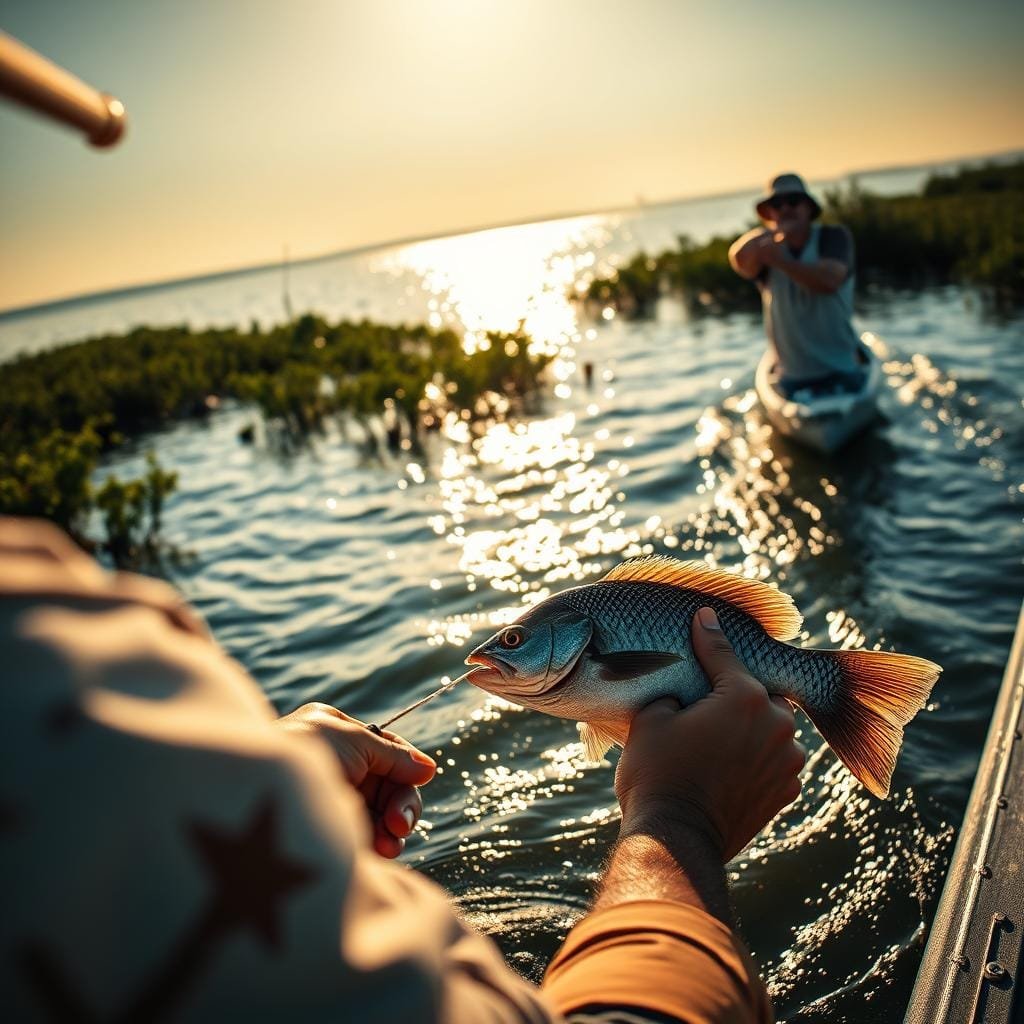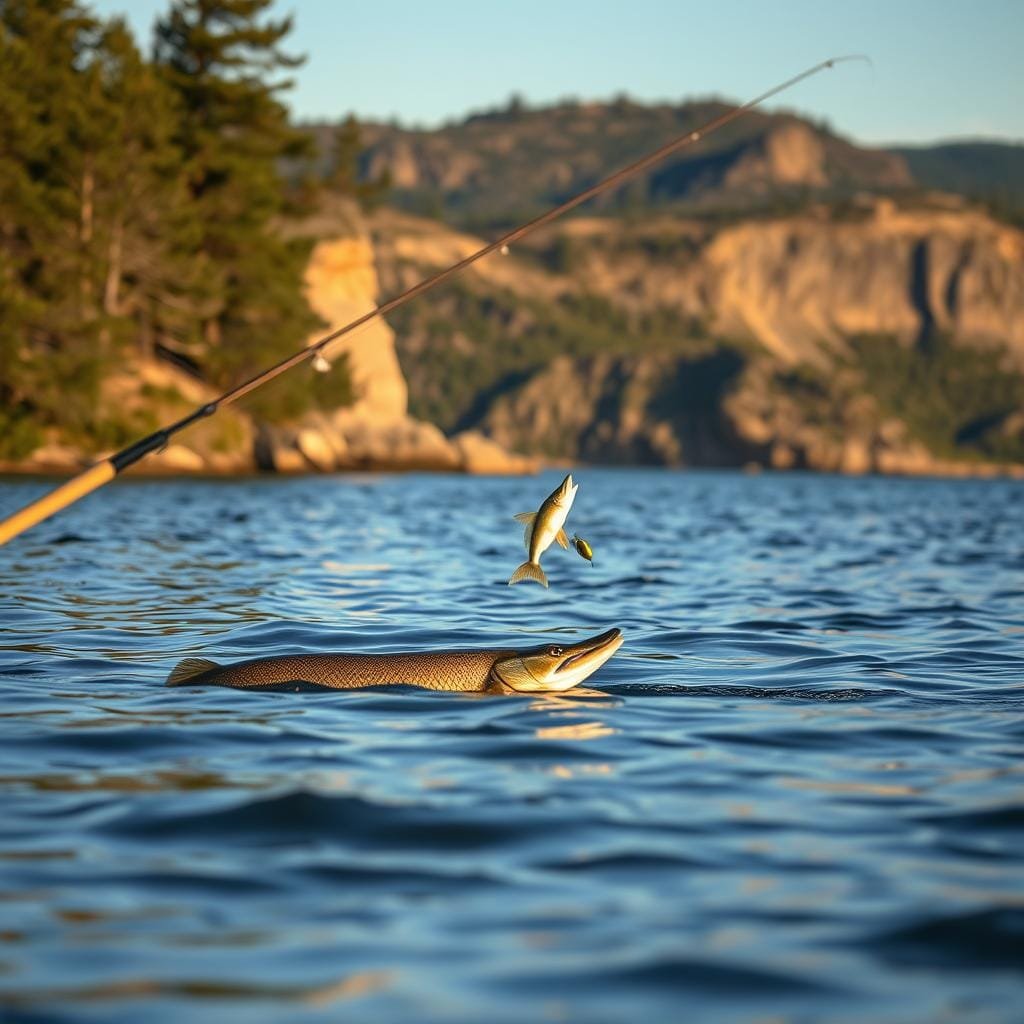
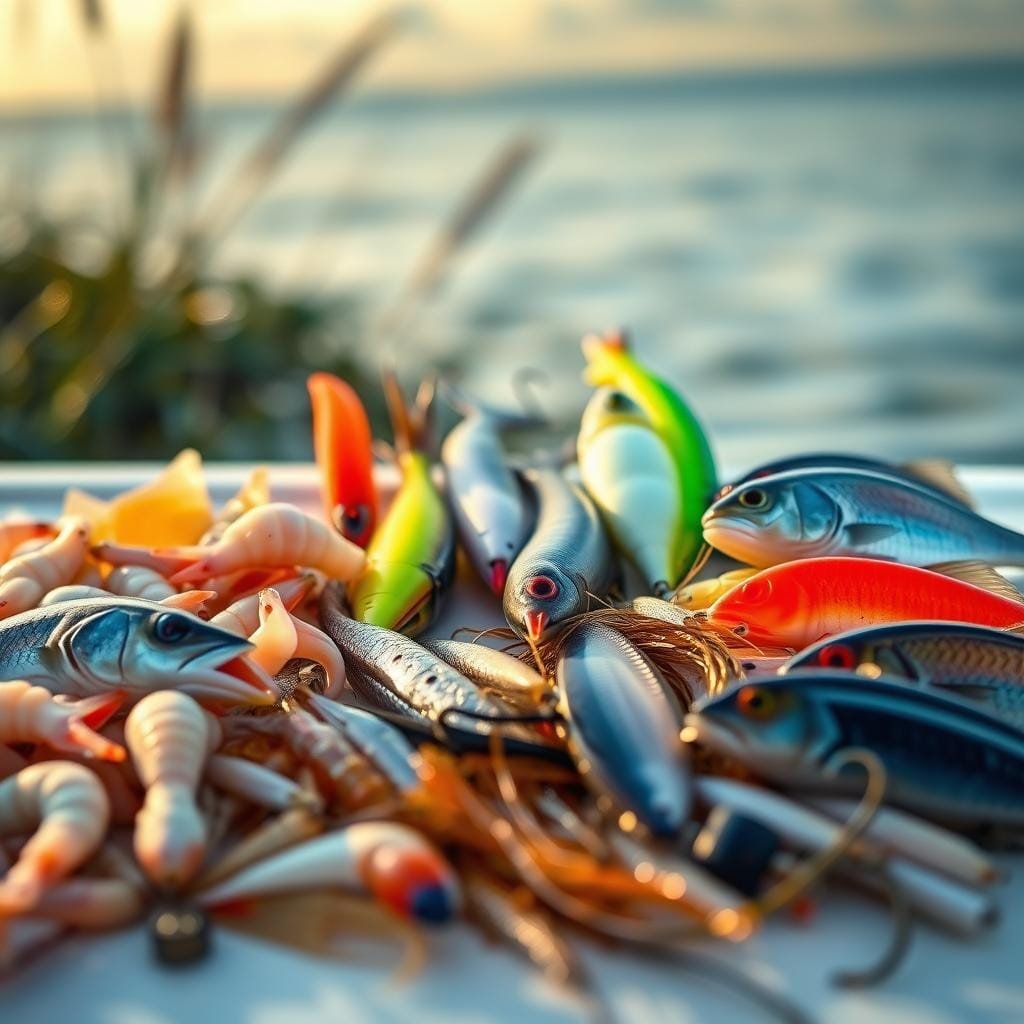
Anglers in places like Laguna Madre and Pamlico Sound say it’s simple. Choose the best bait for seatrout, be quiet, and match the hatch. This guide uses field-tested results from the Gulf, Southeast, and Mid-Atlantic. It shows the top seatrout lures USA anglers use when fish get shy.
Here’s what works best. Z-Man Trout Trick is the top choice for its action, buoyancy, and durability. Berkley Gulp! Alive! Paddleshad is the best scented bait when fish are hard to find. Heddon Super Spook and Super Spook Jr. are great for dawn on calm water.
MirrOlure MirrOdine is the best for winter with its slow sink and tight shimmy. D.O.A. Shrimp is the best budget option that moves like real shrimp. Rapala X-Rap is the best jerkbait for quick strikes.
Live shrimp on sliding floats work well on deep water in cool weather. In shallow water and low light, topwater and jerkbaits attract big bites. These tips use the best inshore trout baits and the right rhythm and depth.
Fall means bigger food, so start with a bone Super Spook Jr. at dawn. As the sun rises, switch to 5-inch jerk shads in clear water or 5-inch paddletails in murky water. Use weighted swimbait hooks or jig heads based on depth and current. With these lures and a simple plan, you’re set to catch more fish.
Why Seatrout Are Picky: Vision, Vibration, and Realism
Speckled trout have sharp senses. Small details matter a lot. Making your lure look real helps it get eaten, not just followed.
Laser-sharp eyesight and lifelike profiles
Clear water makes your lure look like a bug under a microscope. Use baits that look like mullet, menhaden, and shad. This includes natural-finish MirrOlure MirrOdine and muted plastics.
Start with slim profiles in early spring. Then, as fall comes, use bigger ones. Keep the lure’s texture and flash subtle.
A clear outline and steady posture make it look alive. Avoid stiff shapes. Let the current lift the tail and keep the hooks balanced.
When to choose bright vs. natural colors
In clear water, use browns, blacks, pearl, and baitfish prints. These colors are believable. When the water is stained, bright colors like white, hot pink, or chartreuse work well. Add a bit of glitter to make it stand out.
In low light, use dark colors like dark purple or black. This creates a bold silhouette. Match the hatch size first, then adjust the color to the water’s clarity.
Action cues: twitch, pause, and walk-the-dog
Most strikes happen on the pause. Use a quick twitch bait cadence. This lets the lure flash and hang.
With soft plastics, a lift-drop rhythm works well. It keeps the bait in the strike zone. This invites ambushes.
For the walk-the-dog retrieve, move slowly and side-to-side. Don’t rush it. When a fish strikes, wait for the weight before you sweep. Small rod-tip movements make the lure look wounded but controlled.
| Condition | Seatrout lure color | Trout lure action | Go-to Style | Key Tip |
|---|---|---|---|---|
| Clear water, mid-day | Natural browns, pearl, baitfish patterns | Subtle twitches with long pauses | MirrOlure MirrOdine, slim soft plastics | Light leader, keep cadence tight and quiet |
| Stained water, windy | White, chartreuse, hot pink with flash | Lift-drop thumps to call fish | Paddletails on jig heads | Heavier jig to hold depth and rhythm |
| Low light or night | Solid dark purple or black | Slow side-to-side or glide | Topwater or slow-sink twitchbait | Walk-the-dog retrieve; wait for weight |
| Fall bait push | Natural tones with hints of silver | Dart-pause with longer hangs | 5-inch jerk shads, larger profiles | Match hatch size; extend pause on strikes |
Z-Man Trout Trick: The Confidence Soft Plastic
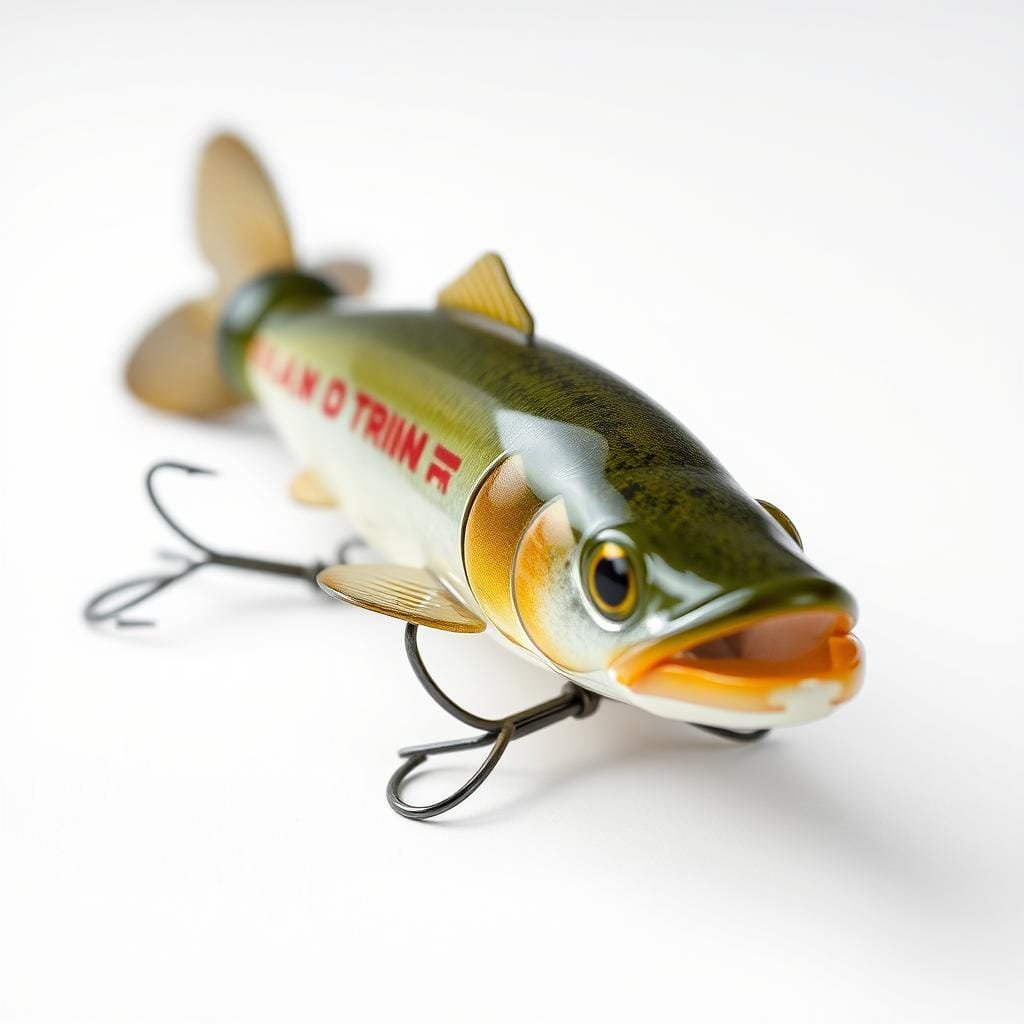
The Z-Man Trout Trick is loved by many. It finds fish quickly and catches them well. Anglers use it to cover a lot of water and then slow down when they get bites.
Key specs and must-have colors
This 5-inch bait is about 1/8 oz and floats well. Its tail vibrates fast and rolls side to side. This makes it look like a wounded bait.
Anglers say Fried Chicken, Pumpkin Chartreuse, and Bad Shad are the best colors. They work well in both clear and murky water.
Use 1/8–3/8 oz heads to fish flats, edges, and channel mouths. It dives to different depths without losing its action. This helps you find where fish are biting fast.
Rigging options: Trout Eye jighead vs. weedless hooks
For open water or light grass, use a Trout Eye jighead. It has a big eye that fish can see in choppy or stained water. It also keeps the bait moving smoothly.
In thick grass or where oysters are, use a weedless rig. Thread the bait on a 4/0 Gamakatsu Superline EWG or a weighted swimbait hook. This lets the bait move through cover without getting stuck.
Retrieve cadences that trigger bites on the pause
Cast it far, let it settle, then twitch and pause. Most bites happen when it pauses. Adjust your speed and depth based on where the fish are.
- Windy flats: sharp twitches, half-second pause
- Clear water: soft taps, one–two count
- Deep edges: single pop, three–five count
ElaZtech durability and environmental benefits
The ElaZtech soft plastic is very tough. It can withstand many bites without breaking. This means one bait can last a long time.
It’s also made without PVC, so it’s safe if lost. This bait lasts longer and gives you more information with each cast.
| Feature | On-Water Advantage | Recommended Setup | Use Case |
|---|---|---|---|
| Z-Man Trout Trick specs (5 in., ~1/8 oz body) | Fast sink control with natural roll | 7’ medium light rod, 10–15 lb braid, 12–20 lb fluoro leader | Cover water quickly from flats to channel edges |
| Trout Eye jighead | High hookup rate, stable tracking | 1/8–3/8 oz depending on depth and current | Open water, shell bars, sparse grass |
| Weedless rig seatrout | Slides through grass and oysters | 4/0 Gamakatsu Superline EWG, optional weighted shank | Thick grass lines, marsh drains, oyster-laced lanes |
| Best colors for speckled trout | Confidence match in clear to stained water | Fried Chicken, Pumpkin Chartreuse, Bad Shad | Sunrise low light, midday glare, tannic creeks |
| ElaZtech soft plastic | Extreme durability, buoyant action | Stretch-resistant, resists tearing | Multiple fish per bait, consistent tail pulse |
Berkley Gulp! Alive! Paddleshad: Scented Advantage
Berkley made this paddletail for trout that follow scent and motion. It smells like oily fish like menhaden and shad. This makes it a top choice when fish are hard to catch.
It has a strong nose and thick body. This means it lasts longer than other Gulp baits. Yet, it moves well and is easy to feel.
Rechargeable scent and porous plastic dispersion
The bait’s plastic lets scent spread into the water. Put it back in the Gulp! Alive! bucket to refresh it. This keeps the scent strong in the water.
If you’re using other plastics, let Gulp do the work. Its material is great for scent delivery without extra gels.
Best sizes and colors for trout and mixed bags
Choosing the right size and color is key. Use 3–5 inches for trout and redfish. The weight should be about 1/8 oz, depending on the rig.
Colors like Pearl/Chartreuse work well in stained water. New Penny is good for grass flats. Black/Gold is best for murky areas. These colors work in different light and water conditions.
| Size | Rig | Use Case | Color Match |
|---|---|---|---|
| 3 in | 3/8 oz jig head | Prospecting wind-blown banks | Pearl/Chartreuse in chop |
| 4 in | 1/8 oz jig head | Mid-depth grass lanes | New Penny over turtle grass |
| 5 in | Weighted swimbait hook | Weedless over thick flats | Black/Gold at dawn |
Steady retrieve vs. bottom-bounce search tactics
Use a slow, steady retrieve to keep the bait active. This lets the scent trail work its magic. When fish are spread out, use short lifts to kick up sand.
Start with a 3-inch body on a 3/8 oz jig for fast searching. Switch to a lighter head once you find a spot. Over grass, use a weedless rig to stay clean. This mix of motion, scent, and contact is great for catching fish in tough conditions.
Heddon Super Spook and Super Spook Jr.: Topwater Classics
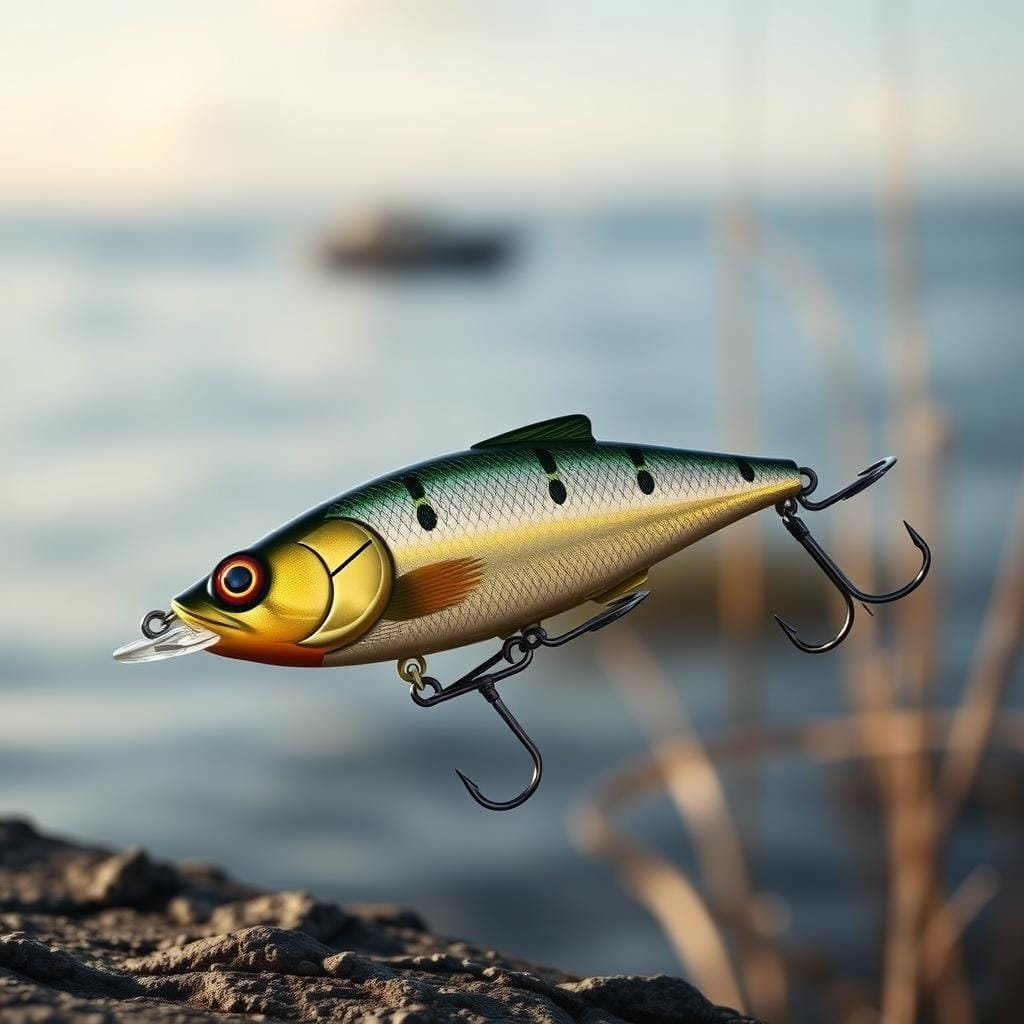
The Heddon Super Spook and Heddon Super Spook Jr. are great for catching seatrout in shallow water. They look like finger mullet and make a nice sound. This makes them perfect for fishing in the morning, evening, and on cloudy days.
Walk-the-dog mechanics that convert strikes
Hold your rod tip low and point it at the lure. Use slow, steady reel turns. Add light twitches to make the lure zigzag.
This walk-the-dog technique keeps the bait in the strike zone. Stay calm if a fish bites. Lean into the hook when you feel weight.
For more action, pause after two to four zigs. If a trout misses, speed up your movements. This might make it eat again.
Color picks for dawn, dusk, and overcast
In the morning and evening, bone and Bone Silver are good choices. They don’t scare fish away. Pink accents are also popular, and red/white works well in murky water.
On sunny days, try Speckled Trout or mullet patterns. They match the hatch and reduce flash. For more tips, see this topwater tactics insight.
Single-hook swaps and hardware considerations
Use light-wire trebles that are sharp but can bend. Change them often or use Owner single replacement hooks. This keeps fish pinned and makes releases easier.
Both sizes have corrosion-resistant hardware. Rinse them after every use. Use a heavier front split ring to keep the lure moving smoothly.
MirrOlure MirrOdine for Cold Water and Lethargic Fish
When it gets cold, trout get slow. A slow-sinking twitch bait is perfect. The MirrOlure MirrOdine 17MR is great for this. It stays in one spot and attracts fish that don’t move much.
Slow-sink twitch bait for winter patterning
The 17MR is 3 1/8 inches long and weighs 1 ounce. It falls slowly and stays in the right spot. Make short, sharp twitches with your rod, then pause. This makes the bait look real to big trout.
Use light braid and a short fluorocarbon leader. This lets you feel small movements. Cast at an angle to follow the current and stay near underwater structures.
Life-like finishes that match mullet, shad, and menhaden
New finishes look like local fish. Choose Chartreuse Back/Pearl for stained water. Pick Pilchard, Shad, or Pinfish for clear water. Electric Chicken works well on gray days. A menhaden pattern lure is great for bays and sounds.
Change colors often to match what’s swimming above. This is more important in cold water.
Ultra-slow retrieves for deep edges and channels
Look for spots where the current is slower. Count down, twitch, and pause. Repeat this. It’s perfect for fish that like to stay near the bottom.
In strong tides, cast up-current. Let the lure drift naturally. Add a pause to make it flash. This is how you catch winter trout.
D.O.A. Shrimp Under Corks and Over Grass
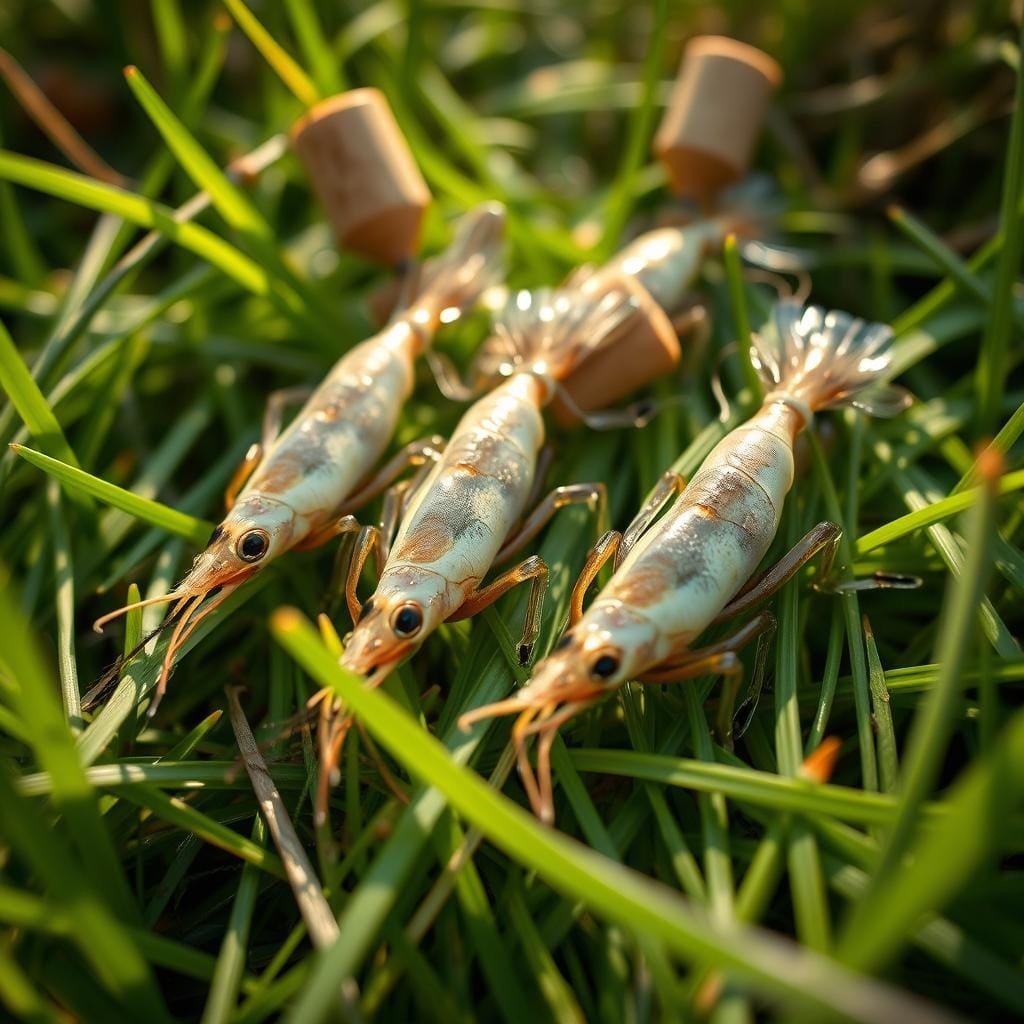
When seatrout go shallow, a D.O.A. Shrimp under popping cork is hard to beat. It works best on inshore grass flats at dawn or when it’s cloudy. The setup lets you control depth and adds sound, keeping the bait in the strike zone longer.
Scented soft shrimp that falls and darts naturally
The 4-inch, 1/2-ounce scented shrimp lure from D.O.A. has real shrimp essence and a tough body. It sinks slowly and then darts on short twitches, mimicking fleeing forage. You can bounce it off the bottom, twitch it on the fall, or suspend it under a cork to attract pressured fish.
The small, factory hook works well for trout, even in heavy grass. Choose rod pops based on water depth. Use gentle taps in shallow water and sharper snaps in deeper water to avoid getting stuck.
Popping cork setups for sound and depth control
Use a 20–30 lb mono leader and a loop knot for the trout cork rig. Set the leader length to ride just above the grass tops. This setup calls fish with a click and splash while the shrimp is at eye level. Adjust your pops based on wind and water conditions.
- Shallow potholes: 18–24 inch leader, subtle pops.
- Wind-swept flats: 24–36 inch leader, louder pops to cut noise.
- Edges and drains: drift, pop, then let the scented shrimp lure fall into current seams.
Color selection across seasons and water clarity
Choosing the right DOA shrimp color is key. Holographic and Near Clear work best in clear water and on glassy mornings. Rootbeer Gold Glitter adds flash for tannin-stained bays. Figi Chicken contrasts well on gray skies or dingy water.
Change colors with the conditions on inshore grass flats. Start with natural colors at first light, then switch to brighter hues when the wind muddies the flat. Return to subtle tones as the sun rises. Keep a D.O.A. Shrimp under popping cork ready to adjust color and depth quickly without re-rigging.
Rapala X-Rap Versatility: Cast, Jerk, Troll
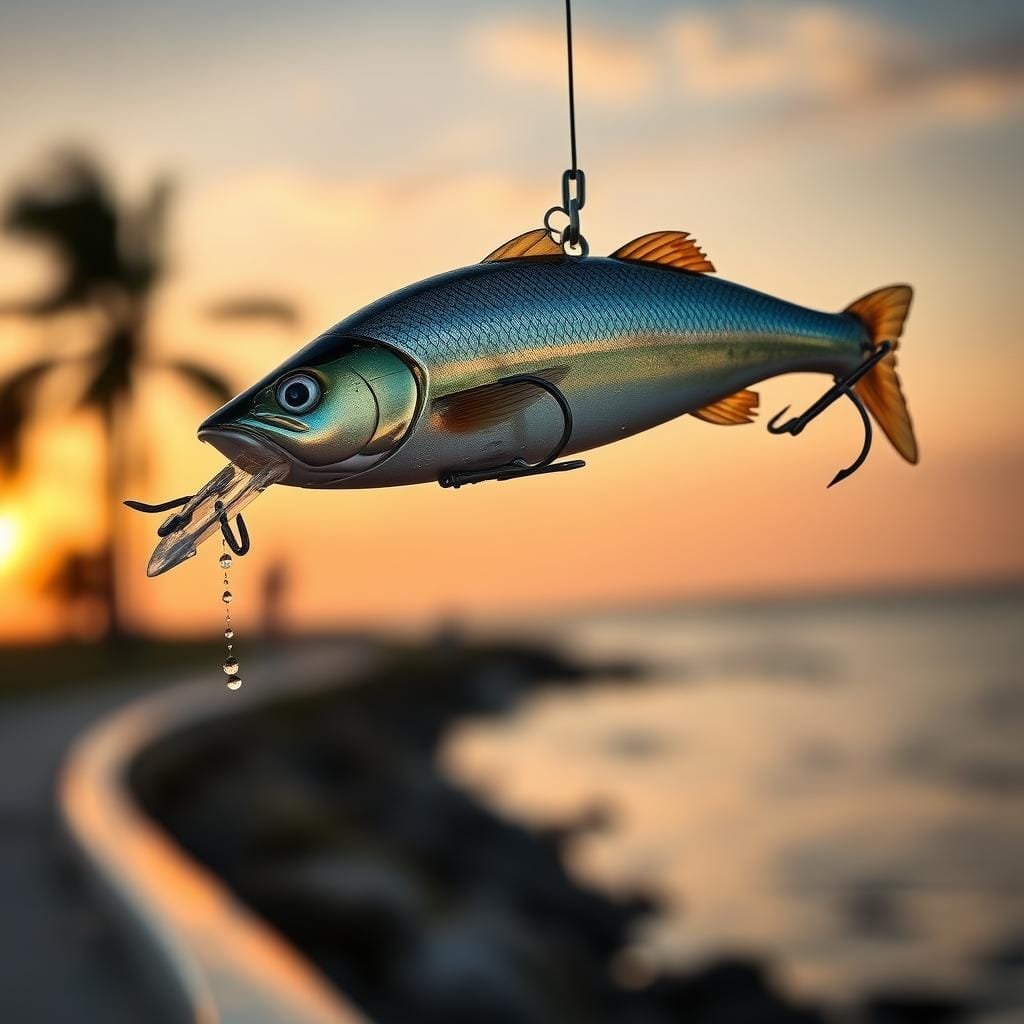
The Rapala X-Rap saltwater is great for trout that are picky. It has an internal weight that makes it fly straight and true. This is true even when it’s windy.
It’s 5 1/4 inches long and weighs 1 1/4 ounces. It comes with 3X strong hooks in size 2/0. These hooks are tough and help the lure reach far.
Internal casting weight and 3X hooks
The internal weight makes the plug land softly. Then, it settles down for the first twitch. The 3X strong hooks are strong against fish shaking their heads.
Check the split rings and hardware often. You might need to sharpen or replace them if you hit rocks or oyster bars.
Have different colors ready. Use Glass Ghost for clear water, Hot Pink for gray skies, and Bunker for near menhaden. Run it shallow at dawn near docks and grass points to catch roaming fish.
Pause-and-jerk cadence for finicky trout
Use it as a jerkbait for seatrout. Make short, crisp slashes, then pause for two to five seconds. Most bites happen during the pause, not the pull.
If bites are shy, try a lighter leader and longer pauses. This makes the lure suspend and shiver.
Use a moderate rod to keep the trebles pinned. Sweep, reel down, and tap twice. Repeat the pause. Slow down your wrists in cold or clear water to make the pause even longer.
Slow-trolling strategy when fish spread out
When schools spread out, troll at about 2 mph. Let out enough line to hit the top of the strike zone. Then, add a hard yank every 20 to 30 yards to make the lure flash.
This mix of speed and reaction bites is effective. Cover wind-blown banks, bay troughs, and outer points. If you see bait mid-column, drop back longer.
The same jerkbait for seatrout works well when trolling. You don’t need to change your gear.
Live Shrimp Tactics When Nothing Else Works
When artificials don’t work, try live shrimp for seatrout. Let the current help sell the bait. This works well in deep channels and cold water.
Sliding float rigs for 20–40 feet of water
A sliding float rig is great for trout. It covers water without needing to re-tie. Set the bobber stop to match the bottom.
Start deep and move up until you feel the bottom. Ride the seam where bait moves over shells. Let the shrimp fall naturally.
Use a slim float and a small egg weight. Add a swivel and a 18–30 inch fluorocarbon leader. If fish go deeper, make the leader longer and move the stop down.
Kahle hooks and drift control with spot lock
Choose a Kahle hook that keeps shrimp alive. A 1/0 is good for small baits. Use a 2/0 for bigger shrimp or strong current.
Nose-hook or tail-hook for extra action. Watch the float for a soft dip to catch a fish. Hold your spot with spot lock fishing.
Matching current speed, depth, and bait liveliness
Match the sink rate to the current. This keeps the shrimp just above the bottom. Add or remove split shot to adjust.
Change baits often. Fresh shrimp catch more fish than tired ones. For more tips, see this guide on speckled trout fishing with live.
| Component | Recommended Choice | Why It Works | Adjustments |
|---|---|---|---|
| Rig Type | Sliding float rig trout setup | Covers 10–40+ ft without retying | Move bobber stop to track ledges |
| Hook | Kahle hook size 1/0–2/0 | Wide gap, gentle curve for live shrimp | Up-size in strong current or big baits |
| Leader | 15 lb fluoro, 18–30 inches | Low-vis for wary trout; abrasion help | Lengthen when fish hug bottom |
| Weight | Egg sinker 1/4–1/2 oz + split shot | Tunes fall rate to current speed | Lighten if float drags sideways |
| Boat Control | Spot lock fishing | Holds boat on the break or shell bar | Bow into current; stagger drifts |
| Bait | Live shrimp for seatrout | Natural scent and action in cold, deep water | Replace often to keep baits frisky |
best bait for seatrout for Fall: Scale Up Profiles
When mullet and menhaden get bigger, use bigger lures too. Start with loud lures in the morning. Then switch to quieter ones as the sun gets higher. Keep a few lures that work well for fall seatrout.
Topwater at first light; switch as the sun climbs
At dawn, use a Heddon Super Spook Jr. in bone color. Look for bait schools, windward points, and where currents meet. If it’s dark or dawn lasts long, use a darker lure to be seen better.
Move it with quick twitches and short pauses. Do this near where bait is nervous.
5-inch jerk shads for clean water stealth
As the sun rises and water clears, use a 5-inch jerk shad. Z-Man’s Alabama Leprechaun is good for this. It moves quietly, perfect for calm areas and shy fish.
Use weighted hooks like Owner TwistLock 3/0–4/0. For thin shores, use 1/16 oz. For 4–5 feet deep, go with 1/8 oz.
5-inch paddletails for dirty water thump and flash
When the wind makes the water murky, use a 5-inch paddletail. The Slam Shady BOMBER works well here. Its tail makes a lot of noise, and gold or silver flake makes it easy to see.
Keep moving it steadily with short pauses. This helps it move through grass and find fish in holes.
Weighted swimbait hooks vs. jig heads by depth
For areas with grass and shallow shell, use weighted swimbait hooks. They help you avoid getting stuck and fall smoothly. For docks, channels, and after cold fronts, use jig heads. They help you stay close to the bottom.
Use both types of lures for both jerk shads and paddletails. This keeps you in the best position to catch fish.
- Clear water: natural hues, subtle cadence; jerk shad on 1/16–1/8 oz.
- Stained water: brighter bodies, added flash; paddletail with stronger thump.
- Early light: Super Spook Jr. fall choice around bait schools; dark top if bone stalls.
- Depth shift: weighted hooks shallow, jig heads deeper after early cold fronts.
Seasonal Playbook: From Shallow Flats to Deep Ledges
Start by reading the water, light, and bait to find seatrout patterns. On calm mornings, trout hide in shallow flats to catch mullet and minnows. When it gets sunny or boats come by, they move to the edges.
After rain, move down-bay to find trout. Go upriver when it’s dry to find clear water and bait.
In winter, trout are slower. Use a MirrOlure MirrOdine with long pauses to catch them. Live shrimp works well when it’s cold.
In spring, summer, and fall, trout go shallow when it’s cloudy or at dawn. Use a Heddon Super Spook over grass. Then, switch to a Z-Man Trout Trick or D.O.A. Shrimp as it gets brighter.
On clear days, fish deeper with a Berkley Gulp! Alive! Paddleshad or a spoon.
Work together to find trout. One person uses topwater, another a jerkbait, and the third a jig. Keep moving until you find fish. Then, match your rhythm to theirs.
| Season & Light | Zone | Primary Target | Go-To Approach | Why It Works |
|---|---|---|---|---|
| Winter, mid-day | Channels, ledges, shell drops | Deep ledge trout | Slow-sink twitch baits, live shrimp on sliding floats, heavy jigs | Cold water pushes trout deep; long pauses meet neutral fish |
| Spring/Fall, low light | Grass flats, shorelines, potholes | Shallow flats trout | Topwaters, jerkbaits, light plastics | Active bait shallow; subtle wakes and darts trigger ambush strikes |
| Bright sun, clear water | Edges, troughs off the flat | Transitioning schools | Stout jigs, spoons, live bait | Fish slide deeper; flash and tight vibration cover water efficiently |
| After heavy rain | Down-bay, saltier water | Roaming pods | Search with paddletails, shrimp under corks | Salinity concentrates bait; noise and scent locate bites fast |
| Dry spell, stable tides | Upriver clear zones | Mixed sizes | Natural-color plastics, subtle spoons | Clarity favors natural hues and refined cadence |
Keep it simple: start shallow at dawn, slide to the edge by mid-morning, and probe deep by midday. Change baits and rhythms as the weather changes. Let water, clarity, and bait density guide you.
Color Rules that Catch: Dark-on-Dark, Bright-on-Bright
Get your trout lure color rules ready before you cast. Think about the light, water, and what’s in the water. Keep it simple, then adjust as needed to match the hatch trout.
Solid silhouettes at night and low light
Dark lures work well in low light to stand out. Use black, purple, and dark brown for a strong shape. A black lure with a bright tip is a safe choice.
In sunny days, choose natural colors like bone, silver, and mullet. On cloudy days, use bright colors to be seen from far away.
Adding flash and feathers to slow-sink baits
Use a feathered treble twitchbait for a longer hang time. Red or white bucktail adds flash and pulse. This makes fish tap the lure more.
For extra pop, mix metallic sides with a rattle. This combo works well when trout are suspended and you need to count down slowly.
Adapting to turbidity, salinity, and bait size
After rain, use bright colors like chartreuse, hot pink, or white. In clear water, go for natural colors. Early season, use small lures; fall, use bigger ones.
When light and water don’t match, mix signals. A dark back with a bright belly works well. This advice is from this seatrout color guide and helps you adapt as conditions change.
| Condition | Primary Color Move | Backup Combo | Profile Size | Tweak for Bites |
|---|---|---|---|---|
| Night / Dawn / Dusk | Solid black, dark purple for strong silhouette | Black body with bright tip or tail | Medium to large | Feathered treble twitchbait to extend hang time |
| Sunny & Clear Water | Natural bone, silver, mullet, or glass-minnow | Natural back with faint flash | Match the hatch trout in smaller sizes | Subtle cadence with long pauses |
| Stained or Wind-Chopped | Chartreuse for dirty water, bright white, hot pink | Dark back over bright belly | Medium | Add flash strips; slow sink and steady thump |
| Heavy Rain / Low Salinity | High-contrast brights with reflective sides | Black with chartreuse tail | Medium to large | Pause near current breaks and drains |
| Fall Bait Runs | Scaled-up mullet and menhaden patterns | Dark-over-bright to cover light swings | Large | Walk, pause, then slow roll on the drop |
Pro Tips to Find and Trigger Bigger Trout
Start by fishing at first light. Use a Heddon Super Spook or Super Spook Jr. Move it in a steady way. Don’t swing it right away—wait for a bite.
Big specks like to strike short. So, you need to be very patient. As the sun gets higher, switch to 5-inch jerk shads in clear water. Use 5-inch paddletails in stained water. This change helps catch bigger trout and keeps your fishing rhythm steady.
Focus on twitch-pause fishing. Use soft plastics like the Z-Man Trout Trick and twitchbaits like the MirrOlure MirrOdine. These baits work best when you pause them. Keep the line tight and wait for a tick before setting the hook.
When trout spread out, use drift fishing to cover more ground. Use a popping cork to control the depth of your D.O.A. Shrimp or live shrimp. This helps you fish more effectively.
Take care of your gear. Replace broken hooks on Super Spooks and keep MirrOlures shiny. Use ElaZtech soft plastics to make them last longer. Add scent to your baits with Berkley Gulp! Alive! or gel attractants. This can make trout hold onto your bait longer.
Expect to spend between $3.99 and $18.99 on your gear. Quality jig heads or weedless hooks can make your soft plastics last longer. They also help you catch more fish.
Look for trout in the quiet spots below the action. Let your jigs fall with the current. Count them down to find the best spots. If artificial lures don’t work, try live shrimp on a sliding float rig. Use Spot-Lock to stay in place on deep edges.
In the fall, start with topwater fishing. Then, switch to weighted swimbaits or jig heads for docks and holes. Work together to find the right speed and pause. Stick with what works to catch big speckled trout.