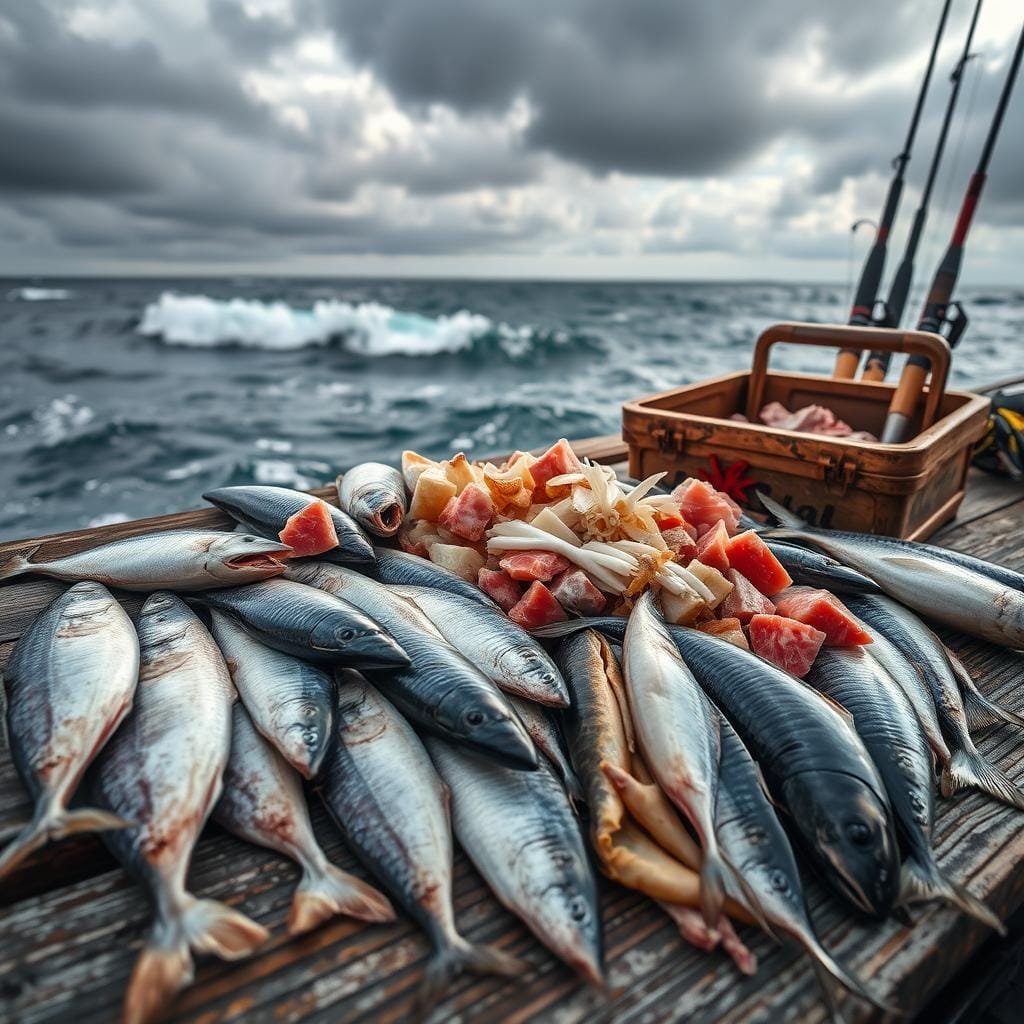
Want to catch sharks fast and clean? Use the best bait: fresh, bloody, and oily. Bait like mackerel, tuna, and sardines works well. They smell good and attract sharks from far away.
Surf, boat, or kayak fishing, fresh bait is key. It makes a big difference.
Oily bait spreads a wide scent trail. Bloody bait makes sharks hungry. There are three main types of bait:
- Red meat from fish like tuna and mackerel
- White meat from fish like bluefish and mullet
- Dark meat from fish like rays and eels
Each type works best in different situations. They help you catch big fish quickly.
Season also plays a role. Summer is good for stingrays. Winter and early spring are best for sandbar sharks. Spring is great for jacks and mackerel.
Keep your bait fresh. Ice it quickly and avoid freezer burn. Clean cuts are important. These tips will help you catch more sharks.
Next, we’ll talk about how to make bait even better. We’ll cover rigs, circle hooks, and where to fish. Get ready for a simple plan for your next fishing trip.
Why Fresh, Oily, and Bloody Baits Outperform for Sharks
Sharks use their noses to find food. So, baits that smell strong are best. Fresh, oily, and bloody baits send out a strong scent that sharks can follow.
For more tips on making a strong scent trail for shark fishing, check out this guide from best bait for shark fishing.
Match the hatch: using local forage species
Feeding sharks what they already eat is smart. When jack crevalle are around, sharks know they have an easy meal. In colder months, use baits like Boston and tinker mackerel to match the season.
Local mullet, menhaden, sardines, and threadfin herring are great for shark bait. They are oily and bleed well, making a scent cloud that sharks can follow.
Oil content and scent dispersion in currents
Flesh with a lot of oil helps the scent travel far. Mackerel, bonito, sardines, and bluefish are good for this. Adding chopped pieces or a tied carcass can make the scent last longer.
Make sure your bait is clean and firm. This helps it stay on the hook longer and send out scent with each wave. This beats baits that lose scent quickly.
When frozen works—and when it fails
Freezing bait right can make it almost as good as fresh. Freeze once, remove air, and portion for single use. This keeps the bait from getting freezer burn.
But, red meat baits can get mushy in the cold. This makes them hard to keep on the hook. If you’ll use bait in 48 hours, keep it in the fridge instead.
| Bait Type | Why It Works | Best Use Case | Handling Tip |
|---|---|---|---|
| Mackerel (Atlantic/Pacific) | High oil for long-range plume | Anchored sets in steady current | Bleed lightly; keep on ice to stay firm |
| Bonito/False Albacore | Bloody, oily slabs trigger fast tracks | Boat drifts with chum assist | Use belly strips to keep scent flowing |
| Jack Crevalle | Local match during beach runs | Surf deployments for tiger and hammerhead | Rig whole or large quarters for durability |
| Bluefish | Greasy flesh, tough skin | Long soaks near sandbars | Bridle head pieces to survive pickers |
| Menhaden/Sardines | Rapid scent dispersion | Chum line plus chunk baits | Keep cold; avoid freezer burn bait |
| Tuna (chunks or heads) | Dense, bloody bait for big draws | Deep drifts for makos and threshers | Use vacuum-sealed bait if freezing is needed |
Red Meat Baits: Tuna, Mackerel, Jacks, and Bonito for Fast Strikes
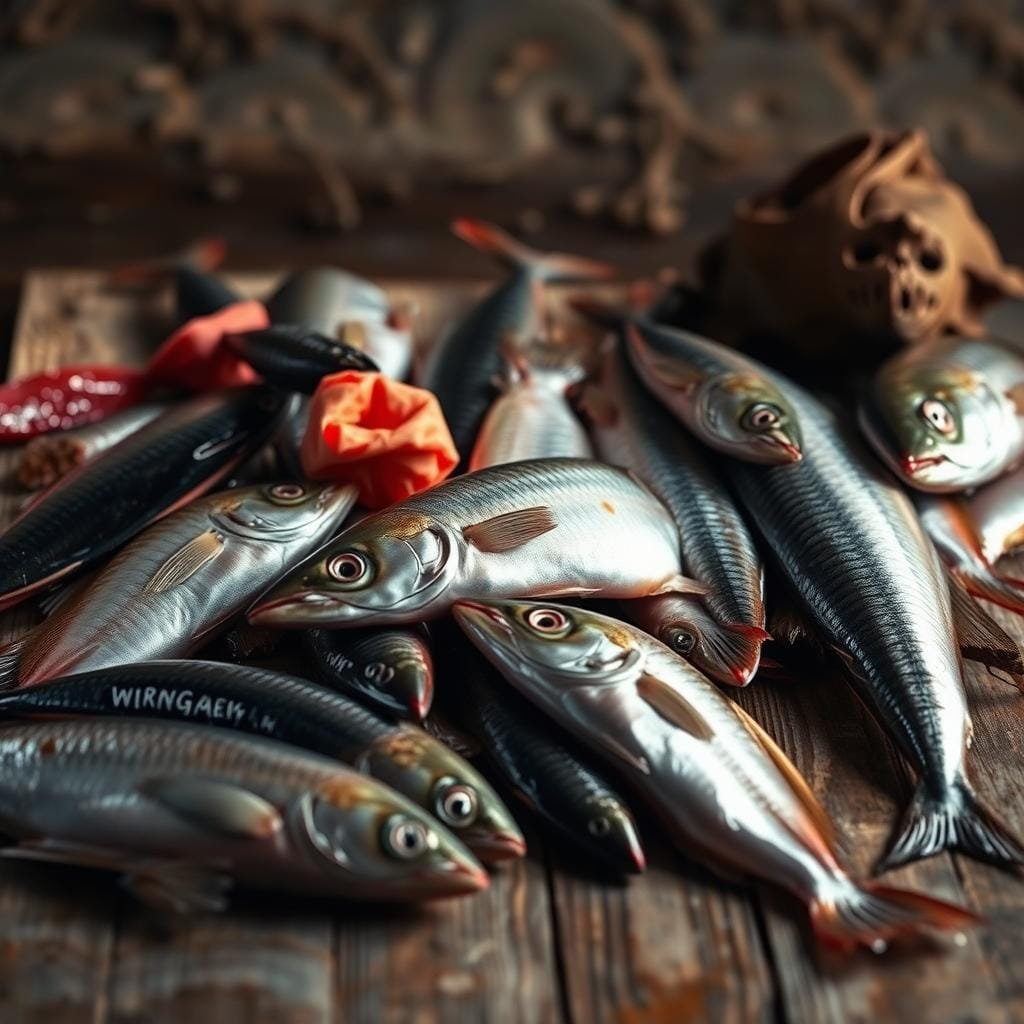
Red meat baits pour scent and oil into the water fast. This pulls sharks from far away. Fresh cuts work quickly, while whole fish slow down pests.
Keep it simple: use sharp circle hooks, clean cuts, and steady tension.
Top picks by region: East Coast, Gulf, Pacific
For East Coast, use local false albacore and bonito bait in the fall. Add bluefish, mullet, menhaden, jack crevalle bait, and mackerel when they’re plentiful.
In warmer bays, Gulf shark bait uses jacks, Spanish mackerel, tuna, ladyfish, threadfin herring, and mullet. Choose what you see on your sounder or around birds.
Cold upwellings in the Pacific are best for tuna and mackerel. Use fresh belly slabs and head sections for scent on long drifts.
Pros: strike rate, multi-species appeal
These baits get fast eats from blacktips, spinners, and sandbar sharks. Tuna and mackerel bait have a long scent trail. Bonito and jack crevalle bait also attract cobia and king mackerel, adding extra bites.
Cons: durability, pick-biters, storage issues
Soft flesh tears, so rig through the head or tail plate. Pick-biters like crabs and small fish shred chunks fast. Freezing weakens fibers, so keep everything fresh and icy.
Float rigs and whole-fish deployments to extend soak time
Lift offerings with floated shark rigs to get them off the bottom. Whole jacks, small mackerel, or compact bonito bait last longer than small chunks.
Where circle hooks are required, pin the hook in the big end. Use tuna sections or jack crevalle bait for solid coverage. Tighten up quickly and let the rod load before leaning in.
White Meat Baits: Scaled Inshore Species That Stay on the Hook
White meat shark bait is great for waves and crabs. These fish are tough, easy to find, and perfect for fishing near the sandbar. They may not bleed much, but their smell stays strong.
Best options: bluefish, mullet, menhaden, croaker, snapper (where legal)
Bluefish bait is good because it’s oily and strong. Fresh mullet and menhaden have a strong smell and easy hook-ups. Croaker bait is common in many bays and lasts a long time.
Use snapper bait where it’s legal, but follow local rules. Make sure to check size and bag limits.
Longer soaks near bottom with tougher skin
These baits are tough and stay on the hook longer. Fish them near the bottom with a small sinker. This keeps the bait in the right spot.
Creative hook placement for better coverage
Hook a fillet along the dorsal area for clear hook points. Use a head hook for whole baits and a tail hook for extra coverage. On big pieces, add a trailer hook to reach the back.
“Match the hatch” from the same beach
Catching the same forage on your beach works well. Use mullet bait if mullet are around. Menhaden bait is good when there are small menhaden.
Inlets with croaker schools need croaker bait. If allowed, snapper bait legal is a good choice. This local approach makes your bait more effective.
Dark Meat Baits: Rays, Eels, and Small Sharks for Trophy Bites

Big predators love dark meat. They ignore almost everything else. A single rod baited right can turn a slow tide into a memory.
Use stingray bait for sharks or a tough strip of eel bait sharks. This keeps you in the bite window and scent near the sand.
When rays and shark baits outfish everything
Large tigers and hammerheads often pin rays in the wash. Ray wings bait or whole cownose ray bait can draw fast, heavy runs. For extra thump, small shark bait from legal carcass trims holds up through pickers and current.
Anglers have long noted that dusky and bull sharks key on these profiles. Rays, eels, and small sharks are natural prey, as outlined in this field note on predator diets. Keep baits tight to bottom where the ambush happens.
Best ray types: cownose, eagle, bat, southern, roughtail
Cownose ray bait throws a wide scent cone and cuts into clean, firm slabs. Eagle and bat ray wings bait offers dense muscle that rides long sets. In summer surf, southern stingray bait and roughtail stingray bait match what big sharks already hunt.
Trim wings into palm-size panels for long casts, or deploy larger halves by kayak. Always check local laws and size rules before harvesting rays.
Durability and 12-hour long soaks on bottom
These baits are leathery and stay pinned. They shrug off crabs, pinfish, and chop, making 6–12 hour soaks realistic when tides align. With small shark bait or ray wings bait, a slow drip of oil and blood keeps a lane of scent locked to the sand.
Set heavy anchors, use steel leaders, and refresh only when the bait loses edge or gets sanded over. Let current carry the plume to roaming fish.
Situational use of moray eels in reefy tropics
In coral zones, strips of moray mimic local forage and endure toothy hits. Eel bait sharks excels around ledges and points where crosscurrents bend the scent trail. Pair a stiff rod with a short wire bite leader to keep hooks seated on the surge.
When surf is calm, a slimmer eel strip can outlast softer red meats and pulse scent. In reef passes, stagger one eel and one southern stingray bait to cover both lanes.
Seasonal Strategy: Summer Rays, Winter Sandbars, and Spring Bait Runs
Water temperature and forage shifts shape every choice you make on the beach or boat. Use seasonal shark bait that mirrors what’s thick in the surf line, and you’ll see steadier hookups from the Gulf to the Atlantic and up the Pacific.
Summer: stingray dominance for tigers and hammers
Hot months drive stingrays into skinny water, and big tigers and hammerheads cruise right behind. Summer ray bait holds scent, rides out current, and stays tough on the hook for long soaks when the sun is high.
Along Florida and the Carolinas, southern and roughtail ray sections shine as a primary set. In Texas and Louisiana, cut wings paired with a stout circle hook sit tight through crab pecks and swells.
Winter/early spring: sandbar sharks on drum, sheepshead, pompano, whiting
As temps dip, winter sandbar sharks push onto bars and troughs. Downsize to chunked black drum, sheepshead collars, pompano heads, or big whiting fillets for cleaner takes in chilly water.
Keep baits streamlined and fresh. Short leaders and modest weights help hold bottom without spooking fish that feed low and slow.
Peak times for jacks, mackerel, and false albacore
Transitional months spark the spring bait run on many beaches. The jack crevalle bait season, the mackerel run, and waves of little tunny create a buffet that draws bigger sharks tight to shore.
Whole jack crevalle, meaty mackerel slabs, and oily false albacore bait cast long and bleed scent into cross-currents. In New England and the Mid-Atlantic, Boston and tinker mackerel, herring, bluefish, and tuna chunks rotate in as schools build.
| Season | Primary Forage | Best Bait Style | Target Notes | Regions Where It Peaks |
|---|---|---|---|---|
| Summer | Stingrays in surf and flats | Summer ray bait: wing sections, spine-off slabs | Long soaks for tiger and hammerhead patrols | Gulf Coast, Florida, Carolinas, Southern California bays |
| Winter to Early Spring | Cool-water bottom feeders | Chunks of black drum, sheepshead, pompano, large whiting | Dial down size for winter sandbar sharks in troughs | Mid-Atlantic, Northeast warm pockets, Northern Gulf |
| Spring to Early Summer | Jacks, mackerel, little tunny | Whole jacks, mackerel run slabs, false albacore bait steaks | Follow the spring bait run near bars and rips | Atlantic beaches, Keys, Panhandle, Southern California kelp line |
| Regional Swings | Boston/tinker mackerel, herring, bluefish, tuna | Fresh fillets or heads matched to school size | Rotate with local pulses for consistent scent | New England, Mid-Atlantic, Northern Pacific |
Match bait to the season, read the water, and work the migration calendar; that alignment keeps your spread in the lane all year.
best bait for shark
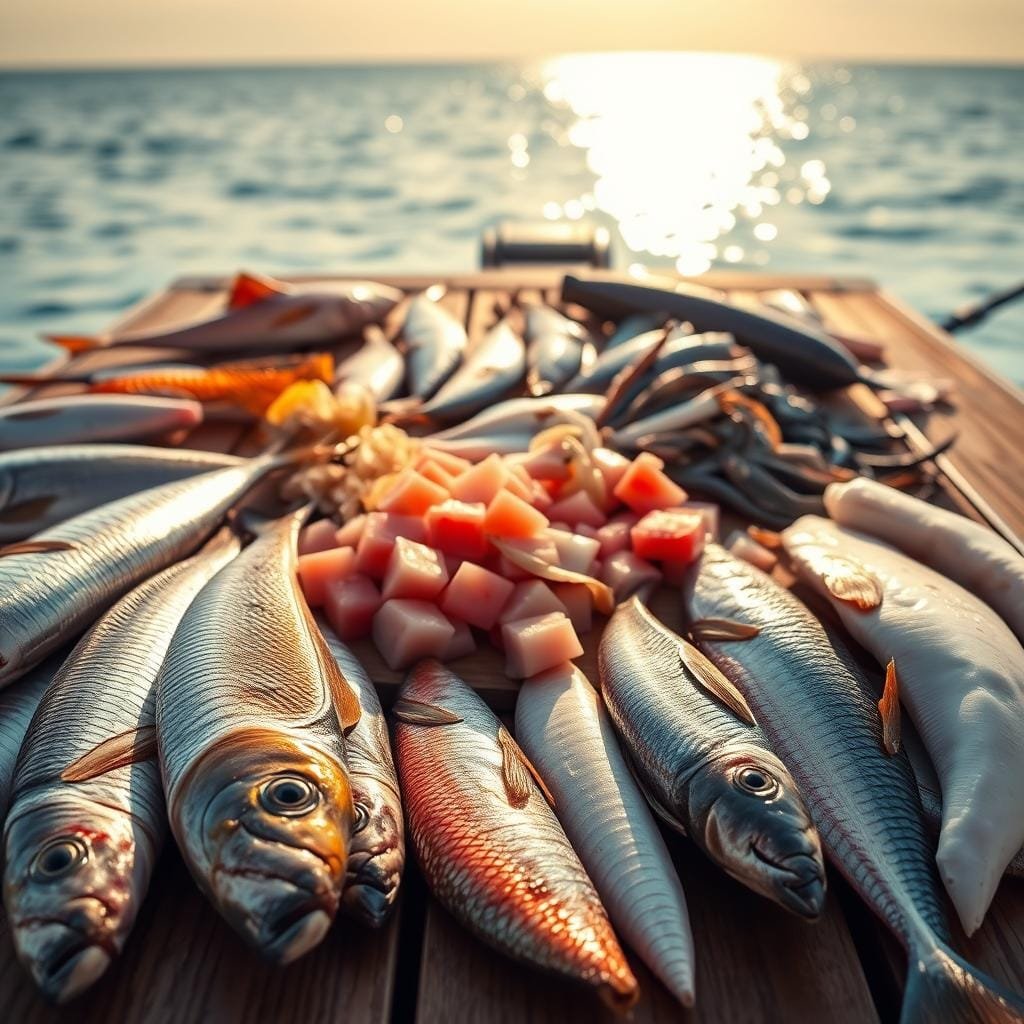
The best bait for shark is fresh and oily. Use jack crevalle, Spanish or Boston mackerel, tuna, and more. In cold Pacific areas, tuna and mackerel are best.
Keep a simple list of shark baits. Match it to your location and the current bite.
Fresh bait is key. It smells better and lasts longer. Use circle hooks and steel leaders with your bait.
For big catches, try rays and small sharks where legal. In cold months, use black drum and whiting for sandbar sharks.
Use a simple shark bait list. Keep baits firm and skin on. Change baits based on time, not guesswork.
| Bait | Region Focus | Why It Works | Best Presentation | Notes |
|---|---|---|---|---|
| Jack Crevalle | East Coast, Gulf | Oily, bloody, strong scent cone | Whole head or belly slab on bottom | Top shark bait species for dusk runs |
| Spanish/Boston Mackerel | Atlantic, Pacific | High oil; firm skin stays pinned | Head/tail combo, floated or mid-water | Reliable fresh shark bait USA option |
| Tuna (skipjack, bonito/false albacore) | All coasts | Dense red meat, huge scent trail | Belly strip with assist hook | Great for surf and boat shark bait tactics |
| Bluefish | Mid-Atlantic, Northeast | Greasy flesh, tough skin | Chunked heads on bottom rigs | Holds up in heavy current |
| Mullet/Menhaden | South Atlantic, Gulf | Local forage; easy match-the-hatch | Butterflied or fillet strip | Ideal when bait pods are near |
| Herring/Sardines/Threadfin | Atlantic, Gulf | Fast scent dispersion, quick bites | Double-hook stinger rig | Replace often; softer flesh |
| Spot/Whiting | Atlantic surf, Gulf beaches | Common prey for sandbars | Whole small fish, bottom | Peak in winter/early spring |
| Rays (southern, roughtail, cownose, eagle, bat) | All coasts | Tough, long soak; trophy draws | Large flank sections on bottom | Top shark bait species for big tigers and hammers |
| Small Sharks (where legal) | All coasts | Durable; strong scent | Chunked trunk with skin on | Check local laws before use |
Field tip: if birds work over bait schools, slide in with a modest chunk of mackerel or tuna. If crabs or pickers chew fast, switch to ray or bluefish to extend soak. Keep your surf and boat shark bait plan flexible and your hooks sharp.
Bottom line on the best bait for shark remains simple: go fresh, go oily, go local, and rotate through the top shark bait species until the bite pattern locks in.
How to Acquire Fresh Shark Bait Fast
When you need shark bait fast, speed is key. Use a light setup while your main rod is soaking. Keep your moves simple and legal to catch nearby fish.
Catching your own: spoons, jigs, and Sabiki rigs
Cast small silver spoons and metal jigs in schools to catch bait quickly. Jack crevalle, bluefish, mackerel, and ladyfish are great for bait. Use a Sabiki for bait when you find herring or sardines near piers or channels.
Tip: add a tiny strip of squid to the bottom Sabiki hook when bites are slow. A spare rod with shrimp can catch spot and whiting for durable chunks.
Cast nets for mullet, sardines, and herring
Use a cast net for mullet when fish won’t touch metal. Throw it at dawn by sandbars and marina lights. A well-placed toss can fill your bucket with sardines or herring.
Bleed and ice your catch fast. Minced extra bait makes a slick that attracts sharks.
Using cleaning stations and carcass scraps (belly strips shine)
Visit marina cleaning stations for scraps when tuna and mackerel are around. Ask for heads, frames, and bellies headed for the bin. White bait belly strips from tuna or bonito cast scent far and stay pinned on a circle hook.
Network with pier staff and charter landings for texts when fresh carcasses arrive. The right call can set you up for a full weekend of soaking prime cuts.
Smart buying at markets: firm bellies, clear eyes, ocean smell
If buying fresh bait, check Asian groceries or coastal fish markets. Look for firm belly slabs with clean, clear eyes and an ocean scent. Avoid anything with a sour or ammonia smell.
Ask for whole mackerel or bonito when available. Solid bellies make strong bait belly strips that cast well and last through pickers.
| Method | Target Bait | Best Gear/Tip | Why It Works | Extra Use |
|---|---|---|---|---|
| Metal Spoons & Jigs | Bluefish, mackerel, ladyfish | 1–2 oz metals; fast retrieve | Flash triggers strikes in schools | Immediate chunks to catch shark bait |
| Sabiki for bait | Herring, sardines, threadfin | Gold hooks; add tiny squid bits | Multi-hook loads livewell fast | Live baits or fresh cut for chum |
| Cast Net | Mullet, sardines, herring | 8–10 ft, 3/8–1/2 in mesh | One throw fills the bucket | Spare haul becomes chum; cast net mullet pays |
| Cleaning Station Scraps | Tuna, mackerel, jack bellies | Cooler, bags, gloves | Oily cuts leak scent for hours | Cut bait belly strips; frame for anchor chum |
| Market Pickups | Whole mackerel, bonito, mullet | Look for firm bellies, clear eyes | Consistent supply when bite is on | Reliable play when buying fresh bait |
Bait Care and Storage: Keep It Cold, Clean, and Potent
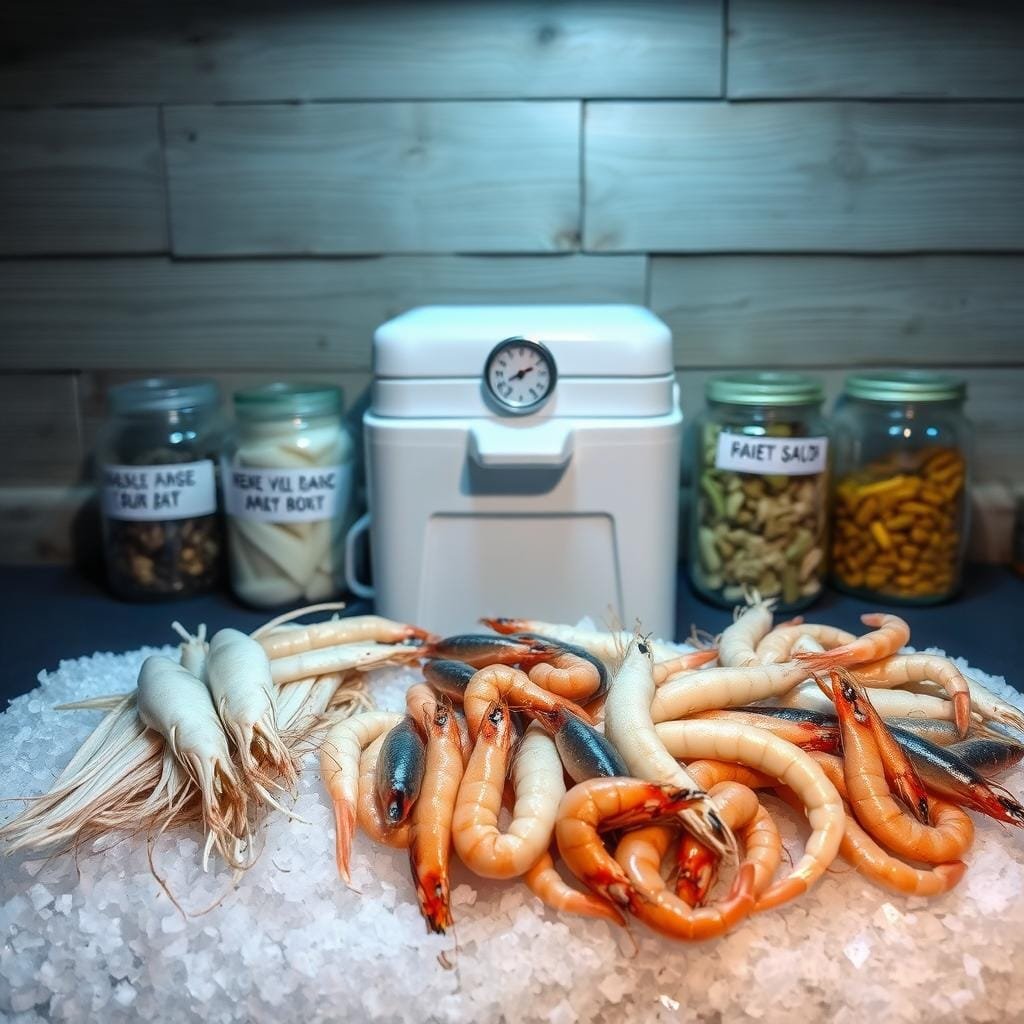
Good bait starts with fast chill and clean handling. Set up your cooler before the trip. This way, bait icing is instant, not an afterthought. Keep cuts firm, scent-rich, and free from freshwater dilution.
Immediate icing and saltwater slush
Drop fresh bait into a saltwater slush the moment it’s caught. This super-cooled mix pulls heat fast. It won’t wash out oils like plain ice water can. Top with more ice as it melts to hold temp and lock in scent.
Fridge vs. freezer: when to avoid freezing
If you’ll fish within 48 hours, refrigerate bait in sealed bags over ice. Chilled, not frozen, keeps red meat baits firm and hook-ready. Skip the deep freeze unless you need more than two days of shelf life.
Vacuum sealing, portioning, and avoiding mush-out
For longer holds, vacuum seal bait or use heavy zip bags with most air removed. Practice bait portioning in single-session packs so you only thaw what you use. Rapid freezing on a flat tray helps avoid freezer burn and limits mush-out in tuna, mackerel, and bonito.
Rotate inventory: date bags and stack after fully frozen
Label every pack with the catch date and species. Lay bags flat and don’t stack until rock solid to prevent smashing. Use strict bait rotation: older bags on top, newest on the bottom, so nothing lingers into off-smelling territory.
- Day trips: refrigerate bait for best texture and easy rigging.
- Extended storage: vacuum seal bait, freeze fast, and thaw gently on ice.
- Quality check: firm feel, clean ocean smell, and no gray edges to avoid freezer burn.
Rigging and Hook Placement That Boost Hookups
Small changes in rigging can make a big difference. Think about how sharks eat and match your hook placement and leader to that. Keep your rigs simple, strong, and neat so the bait swims right.
Circle hooks: required in many areas and better for releases
Many states now require circle hooks for shark fishing. Let the fish load the rod, then pull tight. This design helps avoid gut hooks and keeps the pressure right.
For whole jacks, bury the hook point in the head or shoulder. Wait for steady weight before lifting.
Head/tail hooks for red meat; skin-hooking white meat
Red meat baits like tuna and bonito do best with head or tail pins. This stops them from tearing off. Place the hook where bites start.
White meat baits work with a light skin-hook near the dorsal. This keeps the point out and the bait secure. Adjust as needed for current and bait size.
Trailer/assist hooks on big or awkward baits
For big or odd-shaped baits, add a trailer hook. Pin it lightly into meat or let it swing free near the tail. This lets the circle hook rotate cleanly.
Use this on big eels, rays, barracuda, or small sharks. It catches short strikers without blocking the bait’s action.
Steel leaders and bottom weights vs. floated presentations
Use a steel leader to beat bite-offs and teeth. Choose bottom rigs for sand areas and size sinkers just right. If crabs and pickers are a problem, use floated rigs to lift red meat and soak longer.
For more on bait style, hook size, and a sliding paternoster layout, see this guide to gummy shark bait rigs. Adapt these ideas for local rules.
| Bait Type | Primary Hooking Point | Assist/Trailer Use | Leader Choice | Best Rig Style | Why It Works |
|---|---|---|---|---|---|
| Red meat (tuna, mackerel, jacks) | Head or tail to reduce tear-out | Optional on whole fish to cover tail bites | Short steel leader sharks to prevent bite-offs | Floated rigs sharks in heavy crab zones | Places circle hooks shark fishing where first strikes land and keeps bait off pests |
| White meat (mullet, bluefish, menhaden) | Skin-hook near dorsal for exposure | Rare; add only for oversized slabs | Steel or heavy mono if toothy bycatch is low | Bottom rig sharks with minimal weight | Tough skin holds; exposed point speeds clean corner hookups |
| Large/awkward baits (eels, rays, small sharks) | Primary in shoulder or thick section | Yes—trailer hook sharks free-swinging near tail | Long steel with chafe gear at hook eye | Bottom rig sharks for stability | Coverage front to back without blocking circle rotation |
| Chunked baits | Single point through tough skin edge | No—keep it simple and streamlined | Steel leader sharks if blues or macs are present | Floated rigs sharks in grass or debris | Straight presentation, fewer spin-ups, longer soak |
Boat, Surf, and Kayak-Deploy Tactics That Trigger Bites
From a boat, start with a steady scent trail. Anchor or drift and build a clean line by chumming sharks with ground menhaden, sardines, or mackerel. Let cut baits free-line back through it and refresh the slick by tying oily carcasses to a stern cleat and giving them a shake now and then. A floated shark bait rides higher in the column, stays visible in chop, and often draws faster eats when the chum slick sharks pulls fish up-current.
On the beach, think patience and placement. Long soak shark fishing shines with tough baits on the bottom—ray wings and other dark meat hold for hours and resist crabs. When pick-biters swarm, a floated shark bait keeps red meat off the sand and in the zone longer. These surf shark tactics work best where currents sweep past bars and cuts, pushing scent lines along travel lanes.
Kayak shark bait deployment is all about precision. Drop baits just past the outer bar, on rip edges, or along the shadow side of bait schools so the current carries scent into patrol routes. During bait-ball chaos, free-line a lively jack or blue runner around the school and wait for the slashing hit. In summer, aim nearshore ray zones for big tigers and hammerheads; in winter and early spring, set smaller profiles—drum, sheepshead, pompano, or whiting—along sandbar lanes.
Across all styles, keep it simple and sharp. Use circle hooks, match stout steel leaders to the bait’s size, and pick the freshest, oiliest cuts you can find. Combine a disciplined chum slick sharks approach, smart surf shark tactics, and tight kayak shark bait deployment to turn more looks into confident eats.