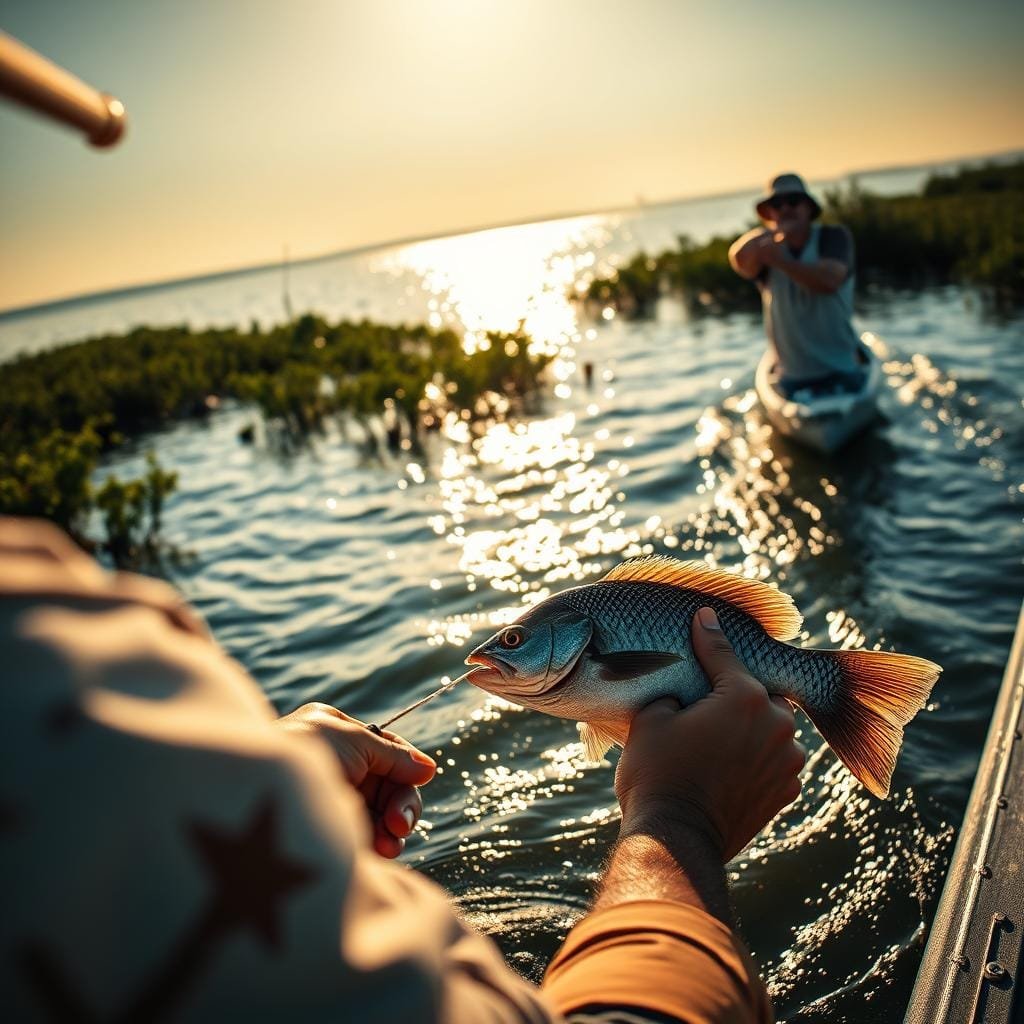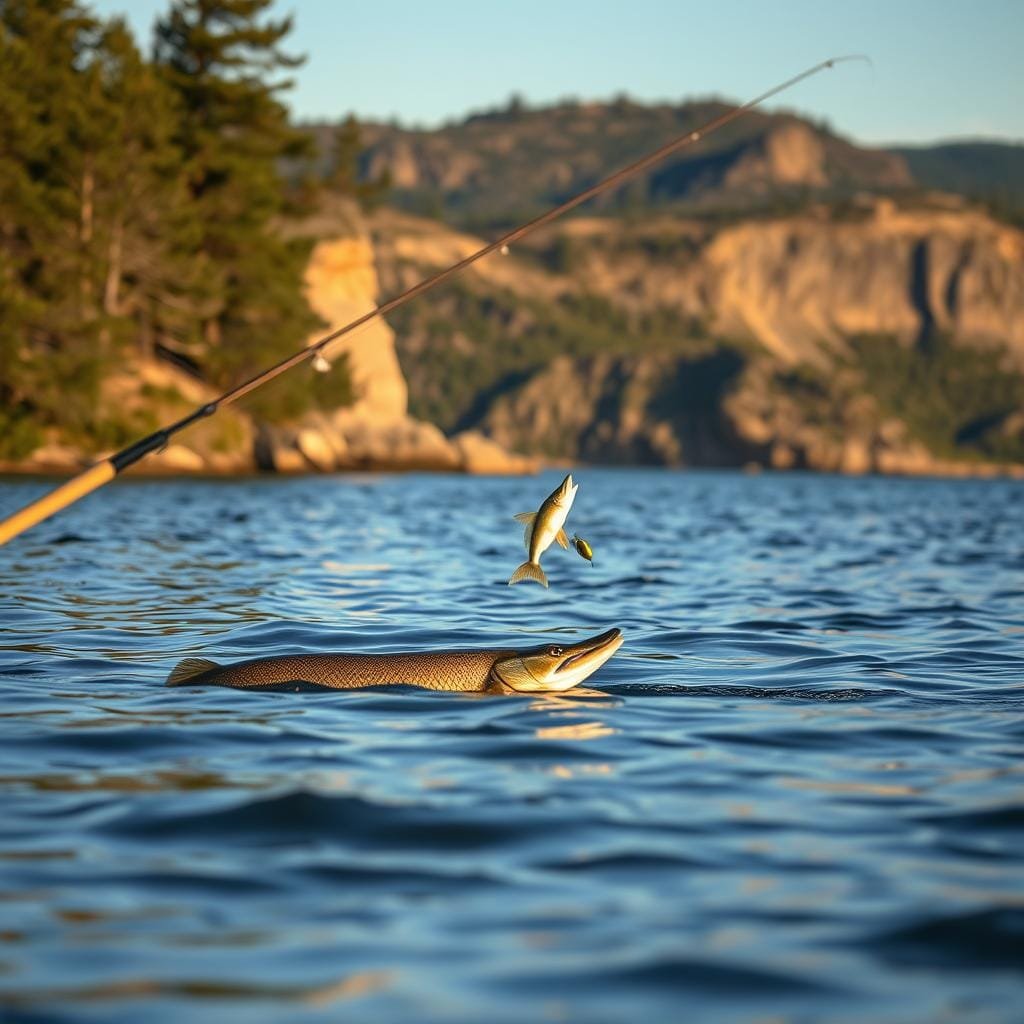
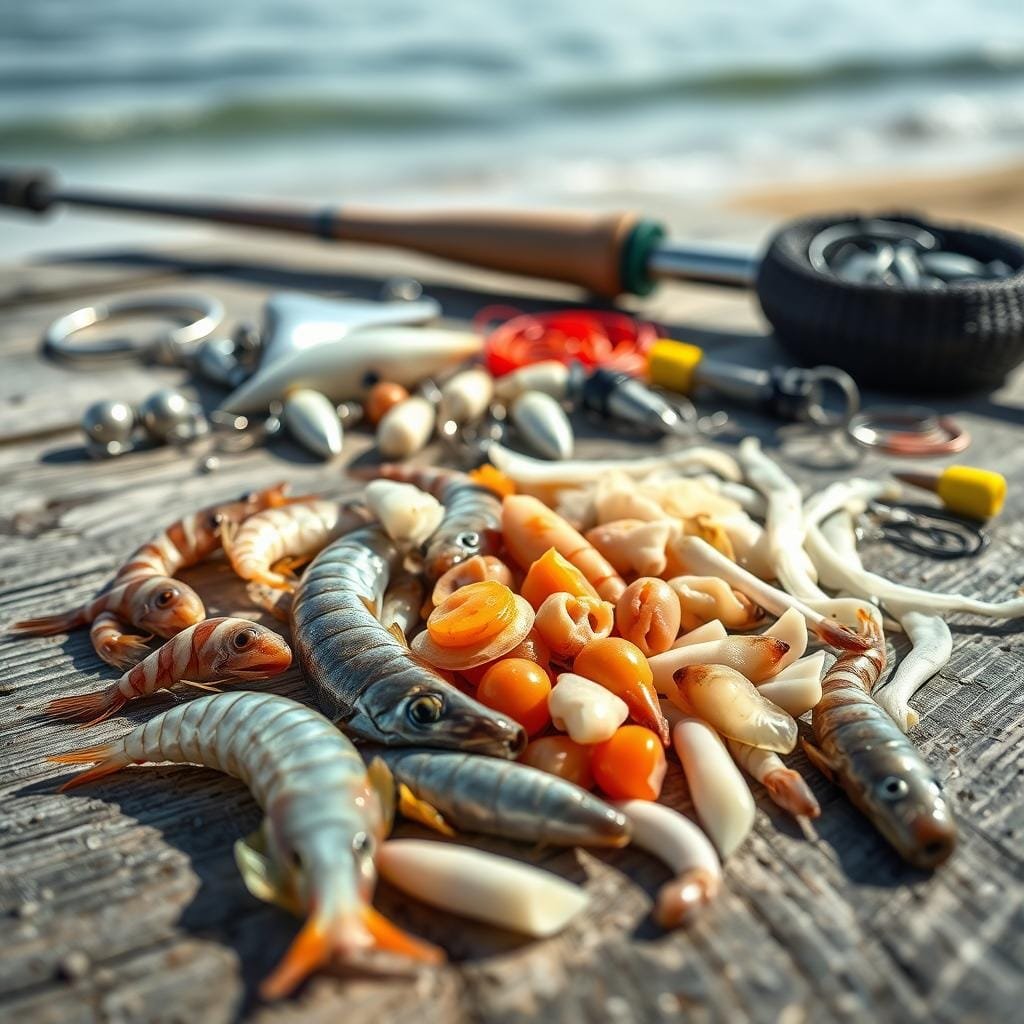
Want more bites and fewer misses? This guide shows the best bait for snapper. It also talks about the places they like and the gear you need. Snapper are strong and fast, so you need the right rig and tackle.
Pros use live bait like shrimp and squid for snapper. They also use artificial lures when needed. Big fish like skipjack and bonito work well because they go deep.
For a quick guide on snapper baits, check out this best snapper bait guide.
We’ll cover when to fish and where. You’ll learn about reefs, wrecks, and mangroves. Plus, get tips on snapper rigs and tackle. And, find out about red snapper in Destin, Florida.
Understanding Snapper Species and Feeding Habits
Anglers see fast hits and sharp teeth. But knowing snapper species, diet, and behavior is key. These fish like structure, eat in bursts, and test gear when hooked.
Key species: Red, Mangrove, Mutton, Yellowtail, Cubera, and Pacific Dogtooth
There are many snapper species. The red snapper is common in the Gulf and Atlantic. It likes reefs and ledges.
Mangrove snappers are found near pilings and mangroves. Mutton snappers like edges and flats. Yellowtail snappers are seen in clear water.
Cubera snappers are the biggest, sometimes over 100 pounds. In the Pacific, dogtooth snappers hunt in deep water.
Diet: small fish, squid, shrimp, and crabs
Snappers eat small fish, squid, shrimp, and crabs. They like to eat near hard bottom. Clean baits that match local food attract them well.
Fresh, natural baits last longer. They help a picky mutton snapper or wary mangrove snapper feel safe.
Behavior: structure-oriented, powerful initial run to the bottom
Snappers like to hide in wrecks, reefs, and mangrove roots. They ambush and hide from predators. When hooked, they dive straight down.
Staying close to the bottom helps catch them. But, turning them early can prevent trouble.
Why bait choice beats lures for trophies
Lures work when fish chase, but big fish prefer real food. In heavy structure, a good bait lets big fish eat without moving far. A natural bait is more appealing than a lure.
Choose local prey and size the bait right. This helps catch more trophies.
Where Snapper Live: Reefs, Wrecks, and Coastal Structure
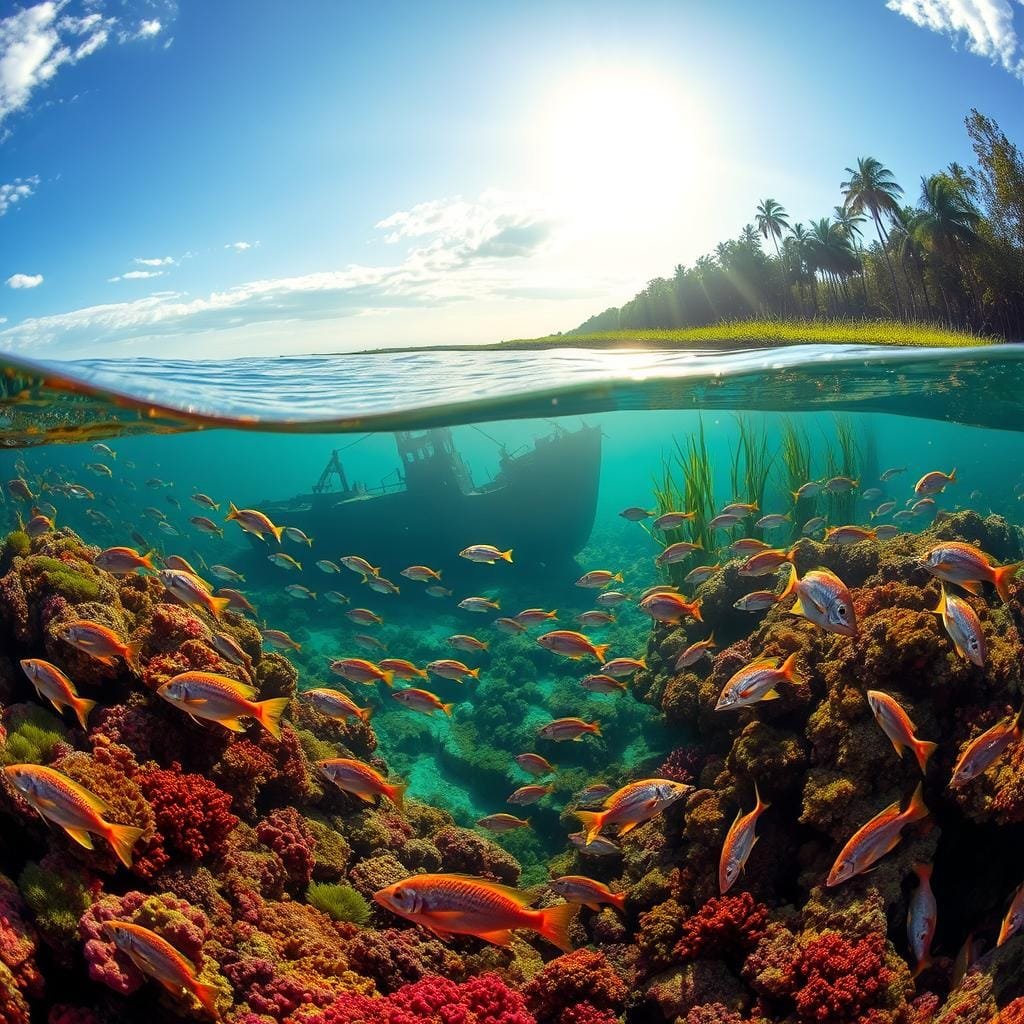
To find fish, start by understanding their home. Look for structure, then check the current, light, and bait. Snappers live inshore and offshore, each needing its own fishing style and gear.
Reefs and wrecks: prime feeding lanes with abundant prey
Reefs and wrecks are full of life. Small fish, crabs, and squid live here. They’re perfect spots for snappers to ambush their prey, best at dawn and dusk.
Fishing the bottom near these spots with shrimp or sardines is very effective.
Coastal waters and mangroves: juveniles on grass flats
Young snappers hide in shallow bays and mangroves. Fish the edges of grass flats with light tackle and small baits. This is where patience and knowing the current is key.
Deep ledges and oil rigs: targeting larger, older fish
Big snappers live on deep ledges and oil rigs. Use vertical jigging or live baits to catch them. They fight hard, so use strong leaders.
Transitional areas: channels, ledges, and mixed bottom
Where sand meets rock, snappers find plenty to eat. Fish these areas with live shrimp or sardines. Keep your bait just off the bottom to avoid getting snagged.
Seasonality and Timing for More Bites
Knowing when to fish for snapper is key. It helps you plan and find the best spots. You can catch fish all year, but knowing the right times makes it better.
Spring moves inshore: active, less cautious fish
In spring, snapper move to the coast. They go to channels and flats. They eat live bait like sardines quickly.
This is a good time for beginners. It’s also great for fishing near home.
Summer deep bite: dawn/dusk windows and cooler depths
In summer, snapper go deep. They like cooler water. Fish early morning and late afternoon.
Use squid and minnows. These are best when it’s busy.
Fall feed: experiment with squid, crabs, fish strips
Fall brings a big appetite. Snapper eat squid, crabs, and fish strips. Try different baits to match what’s around.
Winter schooling on structure: shrimp, crab, and cut bait shine
In winter, snapper gather in cold water. They like wrecks and reefs. Use shrimp, crab, and cut bait.
Drift your line near structure. This is the best time for snapper in schools.
- Quick cue for when to fish snapper: Spring = shallower; Summer = deep and dim light; Fall = varied baits; Winter = tight to structure.
- Regional note: Around Destin, early and late in the day align with peak summer snapper patterns.
Live Baits That Consistently Produce
Natural forage triggers snapper fast. Use these live bait tips to match the hatch around reefs, wrecks, and ledges. Then, present each bait so it swims true and stays lively.
Live shrimp shine when fish get picky. Rig smart if you’re asking how to hook live shrimp: slide the point under the horn, just ahead of the brain, or through the last tail segment to keep it flicking. Work live shrimp for snapper around grass edges, mangroves, and tight structure during warm months.
Pinfish are tough and stay frisky. As pinfish bait, nose-hook one on a circle hook and drop to deep reefs, wrecks, or ledges. Their vibration pulls bigger fish, and they handle current well without spinning.
Cigar minnows offer a slim, glittering profile that draws strikes offshore. Nose- or dorsal-hook them so they track straight on a slow drift. Pair cigar minnows with a fluorocarbon leader when the water is clear.
Threadfin herring add flash and scent that travels. Nose-hook threadfin herring to keep them pumping water and flashing on the move. They excel around nearshore structure in spring and early summer, specially with a gentle chum line.
Crabs fit the snapper menu when fish crush hard shells. Use crab bait like fiddlers, small blue crabs, or stone crabs. Leg-hook or underside-hook to keep a natural crawl, then ease them down to the strike zone on lighter weight for a smooth drop.
| Bait Type | Best Hook Placement | Where It Excels | Seasonal Edge | Pro Pointer |
|---|---|---|---|---|
| Live Shrimp | Under horn or last tail segment | Grass lines, mangroves, tight structure | Spring to early fall | Light weight to keep it fluttering; how to hook live shrimp matters |
| Pinfish | Nose with circle hook | Deep reefs, wrecks, ledges | Year-round | Stagger depths to find bigger fish with pinfish bait |
| Cigar Minnows | Nose or dorsal | Offshore drifts and slow trolling | Summer | Use fluorocarbon and minimal hardware for natural shimmer |
| Threadfin Herring | Nose | Nearshore structure and channels | Spring to early summer | Keep baits lively with gentle current and steady boat control |
| Crabs | Leg or underside | Rocky bottom, reef edges | Winter to early spring | Crack a claw tip for extra scent when using crab bait |
Rotate live shrimp for snapper, pinfish bait, cigar minnows, threadfin herring, and crab bait based on depth, current, and season. Simple rigs, sharp hooks, and steady drifts keep your presentation in the zone and your baits alive longer.
Artificial Lures That Imitate Natural Prey
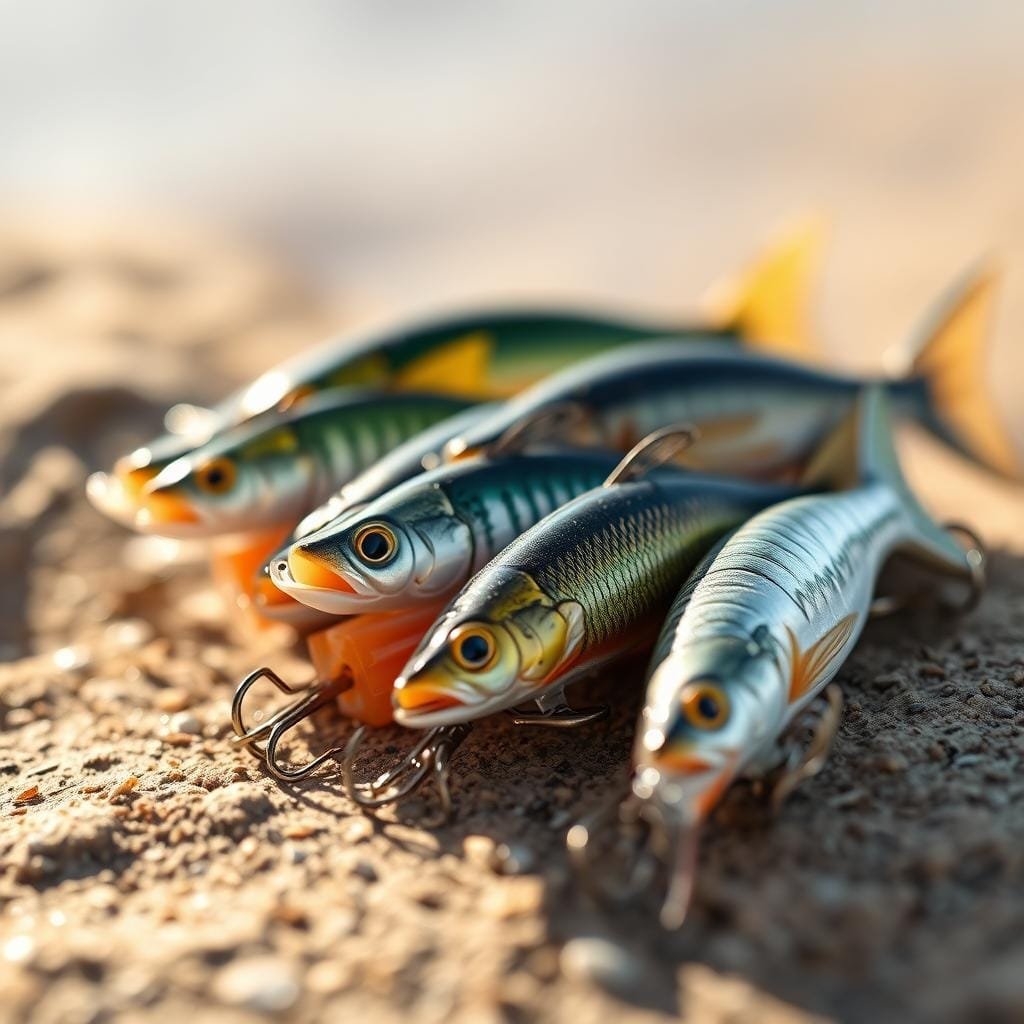
When bait fish scatter, snapper lures work best. Match the local forage and keep the lure tight to reefs. Vary the cadence until you get a bite.
Soft plastics on jig heads: shrimp, squid, and baitfish profiles
Rig soft plastic shrimp or squid on jig heads. Bounce them along ledges and mangroves. Use white, pink, silver, and natural browns for clear to stained water.
A Texas-rig is good for grass or rock. Short hops and pauses often get the bite.
For baitfish profiles, use paddle tails in silver or green. Swim them just off bottom in spring and fall. Lift the jig clean when you feel it tick rock.
Bucktail and metal jigs: vertical tactics on ledges and wrecks
A bucktail jig snapper setup is deadly. Use a white or chartreuse bucktail with squid or a soft trailer. Switch to bone or olive in clear water.
For metal jigging snapper, drop 1–4 oz irons. Work sharp lifts with controlled falls. Target oil rigs and wreck spurs. Most hits come mid-water.
Crankbaits for inshore structure
When fish pin minnows to docks, crankbaits work well. Choose silver, gold, or green backs. Bounce a shallow diver off rocks for reaction bites.
In warmer months, a medium diver works channel edges. Pause near current seams, then crank hard.
Squid-style rubber baits for low light or deeper water
Squid rubber baits work at dawn, dusk, or down deep. Rig on a jig head or drop-shot. Work slow near reef spines. Use glow, pink, or orange in murk or at depth.
Let the lure hover, pulse, then settle. This convinces wary fish. Rotate through these lures as light and current change.
Rigging and Tackle to Keep Fish Out of the Rocks
Snapper bait is a big deal. They dive fast and test your gear. You need the right tackle to catch them before they hide.
Rods and reels: light to medium inshore, heavy for reefs
For bays and mangroves, use a 6.5–8 ft rod. It should be light to medium. Pair it with a spinning reel that holds 12–30 lb.
On reefs, you need something stronger. A sturdy rod and reel with fast action is key. Some anglers use conventional gear for big fish.
Braid main line with fluorocarbon leaders—avoid wire
For snapper, use braided line that’s 15–30 lb. It’s strong and lets you feel bites. The thin line also cuts through water.
Then, add a fluorocarbon leader to hide your line. Don’t use wire. It scares fish away. Choose the heaviest fluorocarbon you can.
Circle hooks for solid hookups and safer releases
Circle hooks are great for snapper. They hook in the mouth and hold tight. They also make releases easier.
Choose the right size hook for your bait and the current. Keep the hook point sharp and steady.
Heavier leaders for abrasion around reefs and wrecks
Reefs and wrecks are tough on gear. Use a 40–80 lb fluorocarbon leader to protect it. It gives you time when fish rub against the bottom.
Don’t forget your reef fishing gear. Wear polarized sunglasses, a landing net, and gloves. They help when the fight gets tough.
| Scenario | Rod Length/Power | Reel Type | Main Line | Leader | Hook | Why It Works |
|---|---|---|---|---|---|---|
| Inshore juveniles over grass | 6.5–8 ft, light–medium fast | 3000–4000 size spinning | 15–20 lb braided line for snapper | 20–30 lb fluorocarbon leader | 2/0–3/0 circle hooks snapper | Sensitivity and quick drags protect light baits and keep fish clear of docks. |
| Reef edges and wreck tops | 7 ft, medium-heavy fast | 5000–6000 spinning or small conventional | 30 lb braided line for snapper | 40–60 lb fluorocarbon leader | 4/0–6/0 circle hooks snapper | Power to turn fish early; abrasion guard against coral and metal. |
| Deep ledges, strong current | 6.5–7 ft, heavy | Compact conventional with high drag | 40–50 lb braid | 60–80 lb fluorocarbon leader | 6/0 circle hooks snapper | Low stretch for bite feel and solid sets; leader survives hard scours. |
| Trophy Cubera on reefs | 6–6.5 ft, extra-heavy | Accurate BX2 30 or BX2 600N | 65–80 lb braid | 80 lb fluorocarbon leader | 7/0–8/0 circle hooks snapper | High drag and short lever rod stop first dive into rocks. |
- Match snapper tackle to depth, current, and structure density.
- Check knots at every move from sand to steel; retie the fluorocarbon leader after scuffs.
- Keep essential reef fishing gear handy: split-ring pliers, glove, and a wide-mouth net.
best bait for snapper
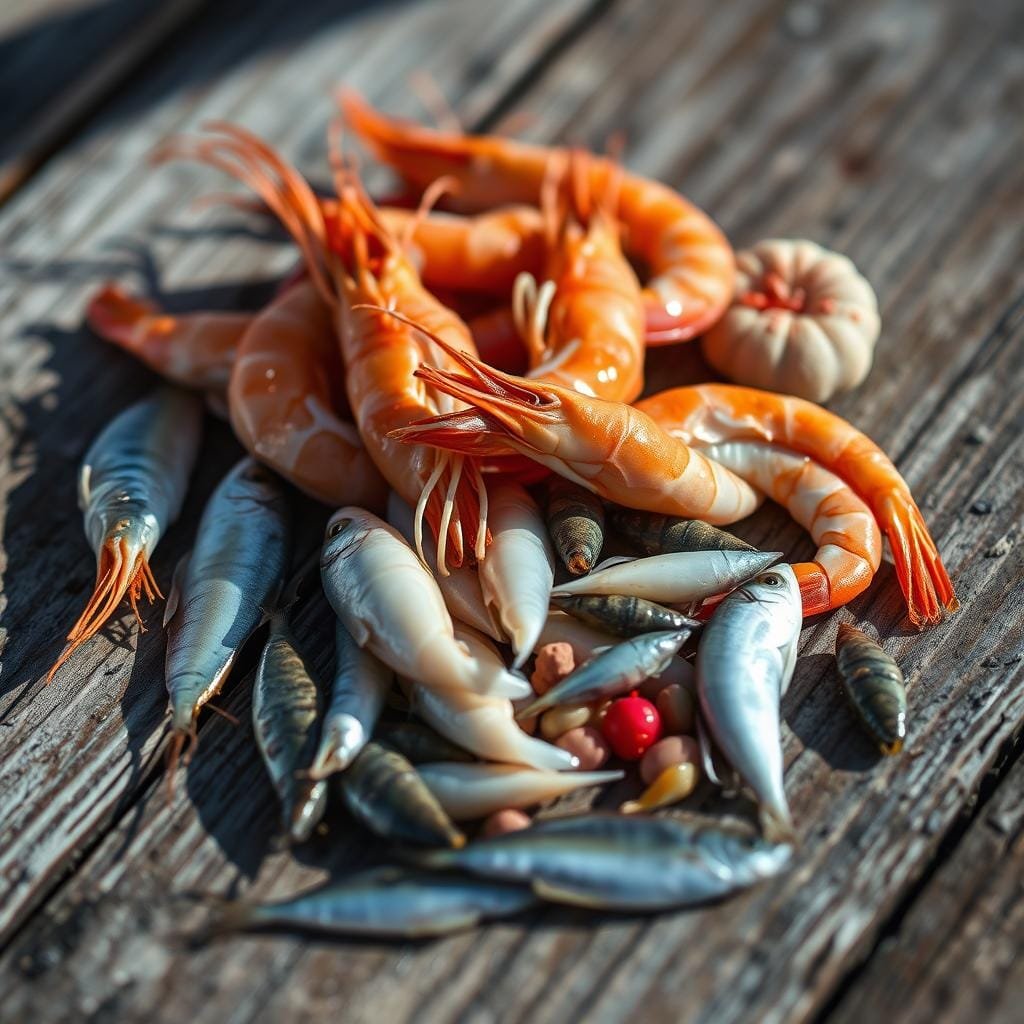
Finding the best bait for snapper depends on where you fish and the size you want. Shrimp are great for inshore and near docks or jetties. Rig them through the tail or horn to keep them lively.
When it gets cooler, crabs are the way to go. Fiddler and small blue crabs work well.
For deeper waters, live bait like finfish is best. Cigar minnows and threadfin herring attract fish with their shimmer. Squid and fish strips are good in fall and winter when fish gather near structures.
For big snappers, use big bait. Skipjack is a good choice for catching large snappers in the Eastern Pacific. Start with bait that looks like what’s local, then adjust as needed.
| Bait | Best Use Case | Prime Season | Rigging Tip | Why It Works |
|---|---|---|---|---|
| Shrimp for snapper | Inshore structure, bridges, jetties | Year-round; peak on winter schools | Hook through tail or horn on light fluorocarbon | Natural scent and motion trigger quick eats |
| Cigar minnows snapper | Offshore ledges, wrecks, oil rigs | Summer dawn/dusk; clear water | Live or dead drift with small circle hook and weight to suit current | Flashy profile matches common baitfish offshore |
| Squid for snapper | Reefs and deep structure | Fall and winter | Thread on a circle hook; trim to current for flutter | Tough, scented, and visible in low light |
| Crabs for snapper | Rocky edges, channels, and reef tops | Winter to early spring | Hook through corner of shell; remove claws for better hookup | Matches crustacean-focused feeding windows |
| Skipjack for cubera | Eastern Pacific drop-offs and rugged reefs | Warm-water periods | Bridle rig live bait so it dives naturally | Big, powerful swimmers call up trophy strikes |
| Live bait for red snapper | Deep wrecks and natural ledges | Summer offshore runs | Use stout fluorocarbon leaders; keep baits near bottom | Durability and scent keep bites coming in current |
Techniques: Bottom Fishing, Drifting, and Vertical Jigging
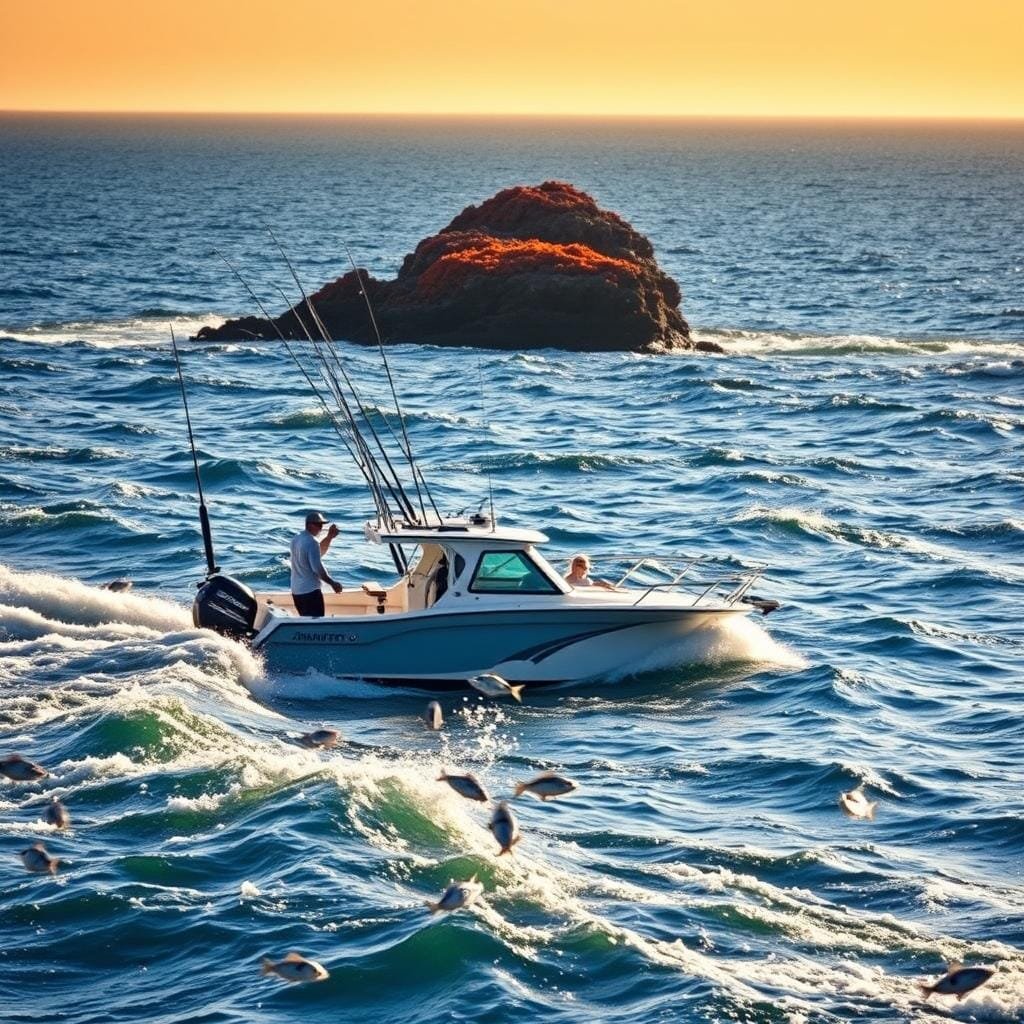
These boat tactics help you stay close to where fish live. Use simple rigs and watch for small bites. Choose the right bait for the depth and current for good catches.
Bottom fishing: keep baits just off the seafloor
For bottom fishing, anchor near reefs or wrecks. Use shrimp, sardines, squid, or live bait. Make sure the bait is just above the bottom.
Wait a little after you feel the first bite. Then, pull the hook tight. This helps you catch fish without losing them to sharp edges.
Drift fishing: cover ground over structure with live or cut bait
Drift fishing works over structure with the wind and current. Use a sinker that touches bottom. Lift the line a bit to feel bites.
Try pinfish, cut sardines, or squid. Change the leader and weight as you go deeper to avoid getting stuck.
Vertical jigging: aggressive strikes in deeper water
Vertical jigging is great for deep spots. Drop metal or weighted jigs and pop them up. This mimics a hurt baitfish.
Use a strong drag and braided line to turn big fish fast. Change the speed of your jigging to get them to bite.
Chumming and chunking to fire up the school
Chumming attracts fish to your area. Use chopped bait to keep them close. Then, drop a bait back in the water.
Chunking brings in bigger fish. Use bigger pieces of bait to get their attention. Keep changing the bait to keep them interested.
| Method | Best Use Case | Core Bait/Lure | Key Tip | Ideal Gear |
|---|---|---|---|---|
| Bottom Fishing | Anchored on reefs, wrecks, or ledges | Live shrimp, squid, sardines, pinfish | Keep bait inches off bottom; wait, then tighten with circle hooks | Medium-heavy rod, 30–50 lb braid, 30–60 lb fluoro |
| Drift Fishing | Covering structure lines with current | Cut sardines, squid strips, live cigar minnows | Adjust weight to maintain bottom contact without dragging | Medium rod, 20–40 lb braid, sliding sinker rig |
| Vertical Jigging | Deep ledges, oil rigs, tall wrecks | Metal jigs, speed jigs, knife jigs | Work sharp snaps and controlled drops; hit marked depths | Fast-action jig rod, high-speed reel, 40–65 lb braid |
| Chum & Chunk | Anchored over active structure | Chopped bait mix; larger chunks for targets | Keep a steady slick; free-line a matching bait | Spin or conventional, 20–40 lb braid, 25–50 lb fluoro |
Pro Tips for Trophy Cubera and Dogtooth Snapper
Hunting giants is all about focus. Act like a reef king and fish for the bottom. Mix Cubera snapper bait with dogtooth snapper tactics. Every drop is a chance to catch big game.
Oversize live baits: skipjack and bonito for Eastern Pacific Cubera
Big fish want big meals. Use big live skipjack bait and small bonito for Cubera and Pacific dogtooth. They swim hard, stay deep, and flash to get a bite.
Free-line when the current is right. If they swim straight, they hit the strike zone without weight. This is key when fish are picky.
Let strong swimmers head to bottom—where giants live
Let your bait swim down on a long leash. Strong swimmers go straight to caves and ledges. This calls out the biggest fish. Keep your thumbs ready and the reel ready to go.
As the bait hits bottom, hover over the structure. The first thump can turn into a fast run. Hold the rod low and push the fish away from rocks.
Use the heaviest fluorocarbon you can get bit on
Forget wire. Use a heavy fluorocarbon leader that blends in and withstands scuffs. Go up in weight until bites slow, then go back down a class. Many teams use 130–200 lb fluorocarbon in tough spots.
Make sure crimps and knots are perfect. Test every connection before dropping a $50 baitfish into danger.
High-drag readiness to turn fish from jagged structure
Set high drag before dropping and be ready. The first seconds are critical. Lock down, lift, and sweep the head away from danger.
Two-speed reels like the Accurate BX2 30 or BX2 600N give you power to win the fight, then control. Smooth pressure saves your gear and hands.
| Target | Prime Bait | Rigging Edge | Drag Strategy | Why It Works |
|---|---|---|---|---|
| Cubera Snapper | Live skipjack bait or small bonito | Heavy fluorocarbon leader with strong circle hook | Pre-set high drag settings; immediate turn on hookup | Large profile triggers dominance; abrasion resistance near rocks |
| Pacific Dogtooth | Live skipjack or bonito bridled | Long leader to reduce visibility; no wire | Short-stroke pressure, drop to low gear as needed | Stealth plus power for jagged ledges; control during violent runs |
| Reef Ambush Zones | Cubera snapper bait deployed above caves | Balanced rod, two-speed reel, abrasion-tough knots | Firm initial clamp, then smooth modulation | Dogtooth snapper tactics meet reef fishing big game demands |
Regional Spotlight: Red Snapper in Destin, Florida
Destin is known as the World’s Luckiest Fishing Village. The red snapper season in Destin is a big draw. Anglers go to the Gulf of Mexico reefs to fish. They book Destin fishing charters to find the best spots and know the fishing rules.
Season windows: typically June–August with regs in force
The red snapper season in Destin starts in early summer and ends in August. Fishing on weekdays is less crowded. The calm seas help boats position better. Always check the fishing rules before you go.
Hotspots: artificial reefs, limestone ledges, and wrecks
The best fishing spots are from 50 to 200 feet deep. The Edge and the 100-Fathom Curve are favorites. Wrecks and limestone ledges also attract fish because of the bait and current.
Go-to baits: pinfish, cigar minnows, squid, and cut bonita
Use lively baits and present them well. Anglers in Destin like pinfish, cigar minnows, and cut bonita. Squid is good when the bite is slow or the current is strong.
Tech choices: bottom fishing, chumming, and vertical jigging
Use strong leaders and circle hooks. Bottom fishing is common. Chumming can bring fish up. Vertical jigging with bucktails or butterfly jigs gets hard strikes.
- Gear basics: medium-heavy rods, conventional reels, 30–50 lb braid or mono, 40–80 lb leaders.
- Boat tactics: short drifts across relief, spot-lock on bites, and steady bait rotation.
- Ethics: follow Florida snapper regulations, and use descending devices when required.
Whether you fish from your own boat or book a charter, focus on clean knots and fresh bait. Being precise with your boat helps catch fish all season.
Safety, Regulations, and Ethical Practices
Snapper spots are full of dangers. Sharp reefs, fast currents, and slippery decks can be risky. Always wear non-slip shoes and gloves. Carry a small first-aid kit with you.
Polarized sunglasses are key for seeing underwater dangers. They help you avoid other boats and stay safe. This is all about keeping everyone safe while fishing.
Before you go fishing, check the rules. NOAA and FWC have specific snapper fishing laws. These rules help keep fish populations healthy.
Using circle hooks helps catch fish better. They reduce deep hooking. In deep water, use tools to help fish survive when you release them.
Always handle fish safely. Wet your hands and keep fish cool. If a hook is stuck, cut it close to the leader.
Follow the Florida Fish and Wildlife Conservation Commission’s safe fish handling tips. This will help you catch and release fish better.
Keep your fishing area clean. Pick up trash and use the right fishing gear. This protects the fish and the environment for everyone.