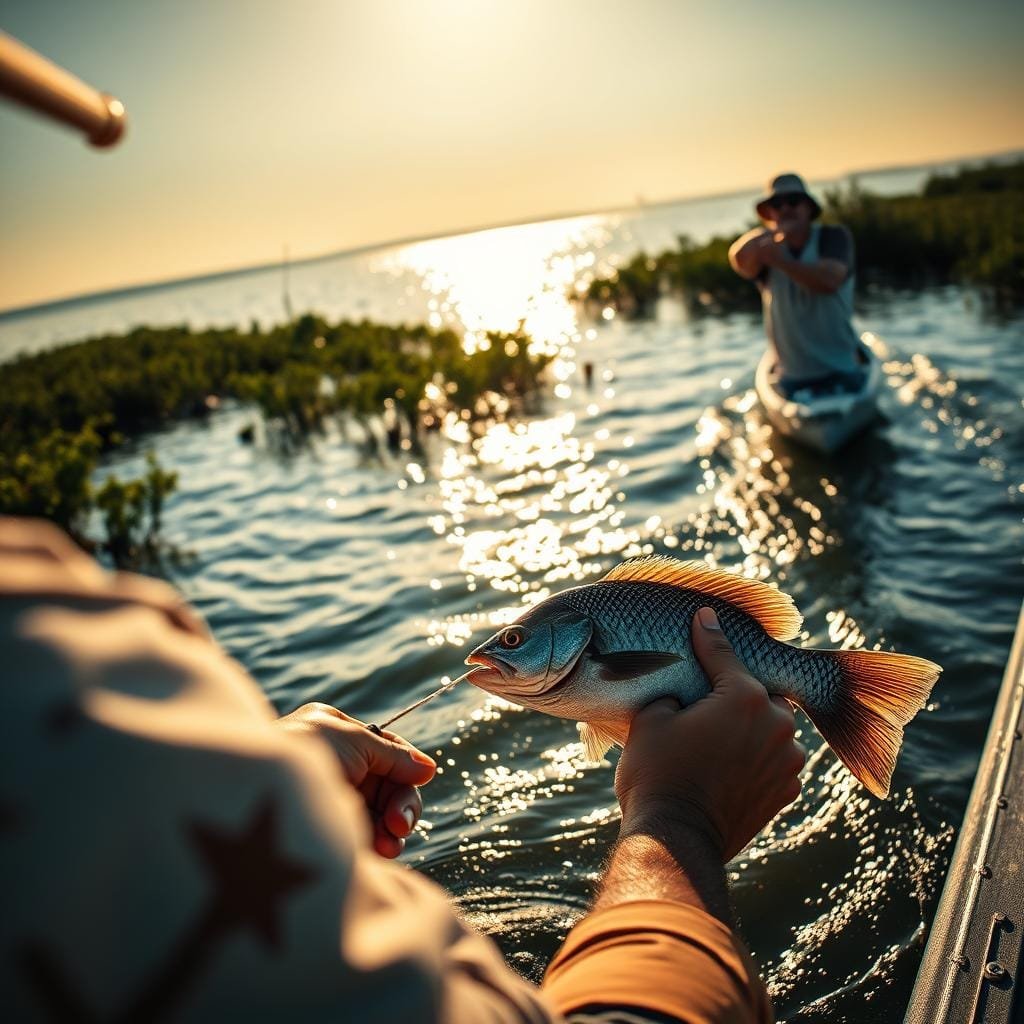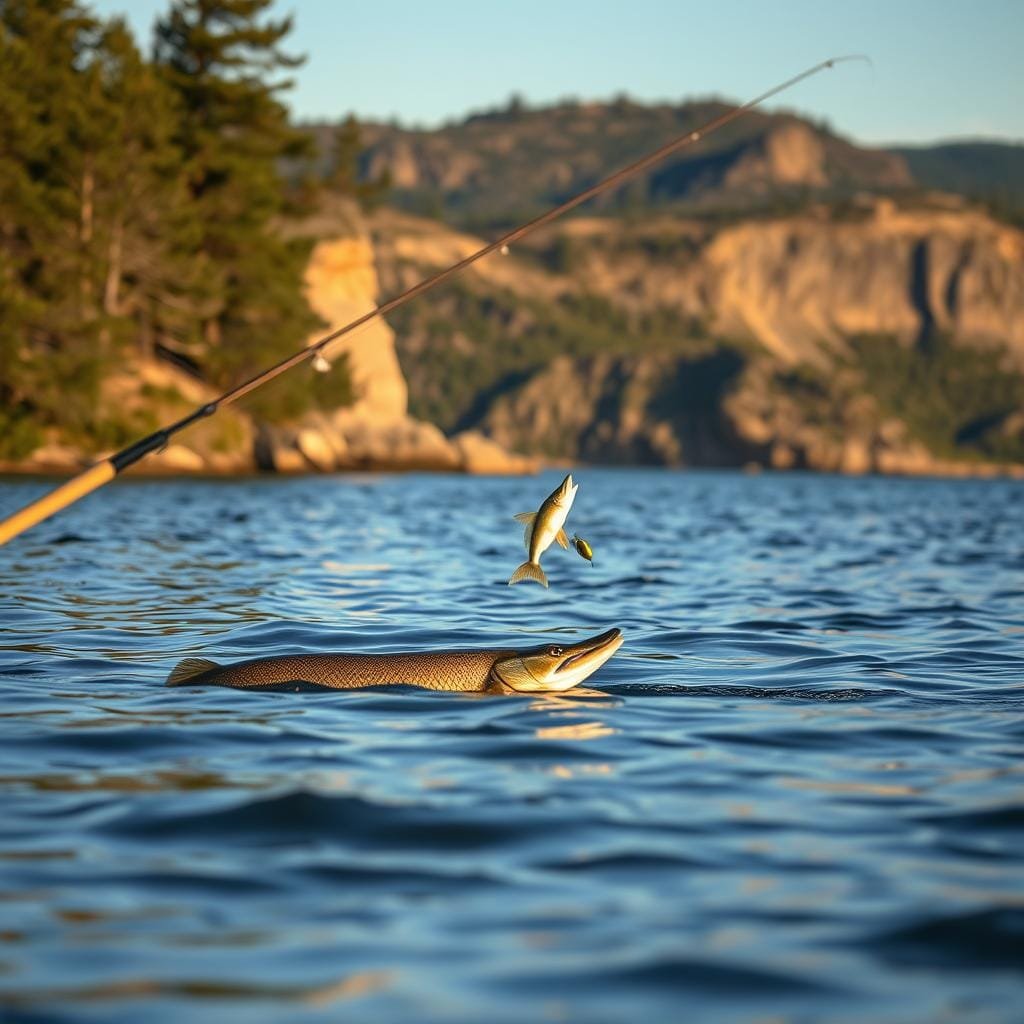
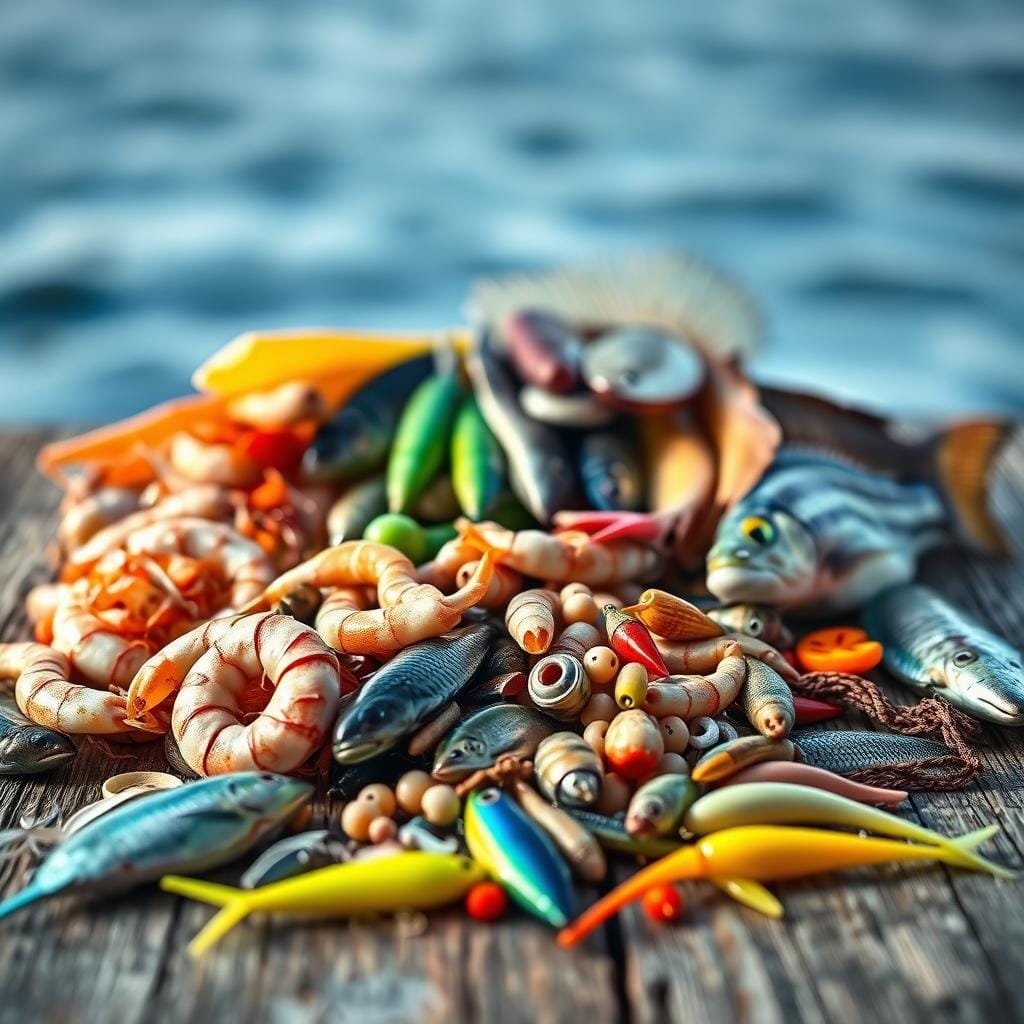
You want simple answers to catch fish. The top bait for triggerfish is peeler crab and mackerel strips. They stand up to bites, cast well, and get fast bites. This guide will show you how to use them from piers, jetties, and breakwaters.
We focus on the best bait for triggerfish along U.S. coasts. You’ll learn where they feed and how to fish with the tide. Float fishing and a lift-and-fall ledger get more bites.
Primary picks are the best, but sandeel, squid, mussel, and worms also work when fish are shy. You’ll learn how to make small changes to get more bites. This plan is tested and works from the first cast.
Triggerfish behavior and where to find them for consistent bites
Think about cover, current, and daylight. Triggerfish like hard edges and places where food flows. When the sea is calm and the sun is out, you can find them by being patient and casting steadily.
Rock ledges, kelp beds, and man‑made structure
Start by fishing rock ledges. These spots have wide cracks and pushbacks. Triggers eat crabs and small mollusks from these spots, then move to the next one.
Kelp bed fishing is great where fronds block the current and trap bait. Man‑made structures like piers and jetties also attract triggerfish. They like the open support legs and use shade lines to hide.
Depth and water clarity cues (10+ feet, settled seas)
Look for triggerfish in 10 feet or deeper when it’s bright and calm. They stay just off the bottom or mid-column when it’s busy. If it gets cloudy, they might move shallower, looking for food.
If it’s murky, go to the cleanest water you can find. This could be near kelp or outside it. Structure and clear water are key to finding them.
Tide windows: middle of the flood, ebb possibilities
The bite gets better with movement. During the flood, the best time is from the second to the fourth hour. There’s a lull at slack tide as they move or hide.
Don’t leave too soon. There’s another chance around fixed structures during the early ebb. Bait funnels past, attracting them.
Seasonality and warming trends expanding range
Summer to early fall is the best time. As it gets warmer, they move north. Watch for late-season warming to find new schools.
Adjust your plan to the conditions. Read the ledges, kelp, and structures. This pattern works across the country.
Gear that boosts hookup rates around snags and structure
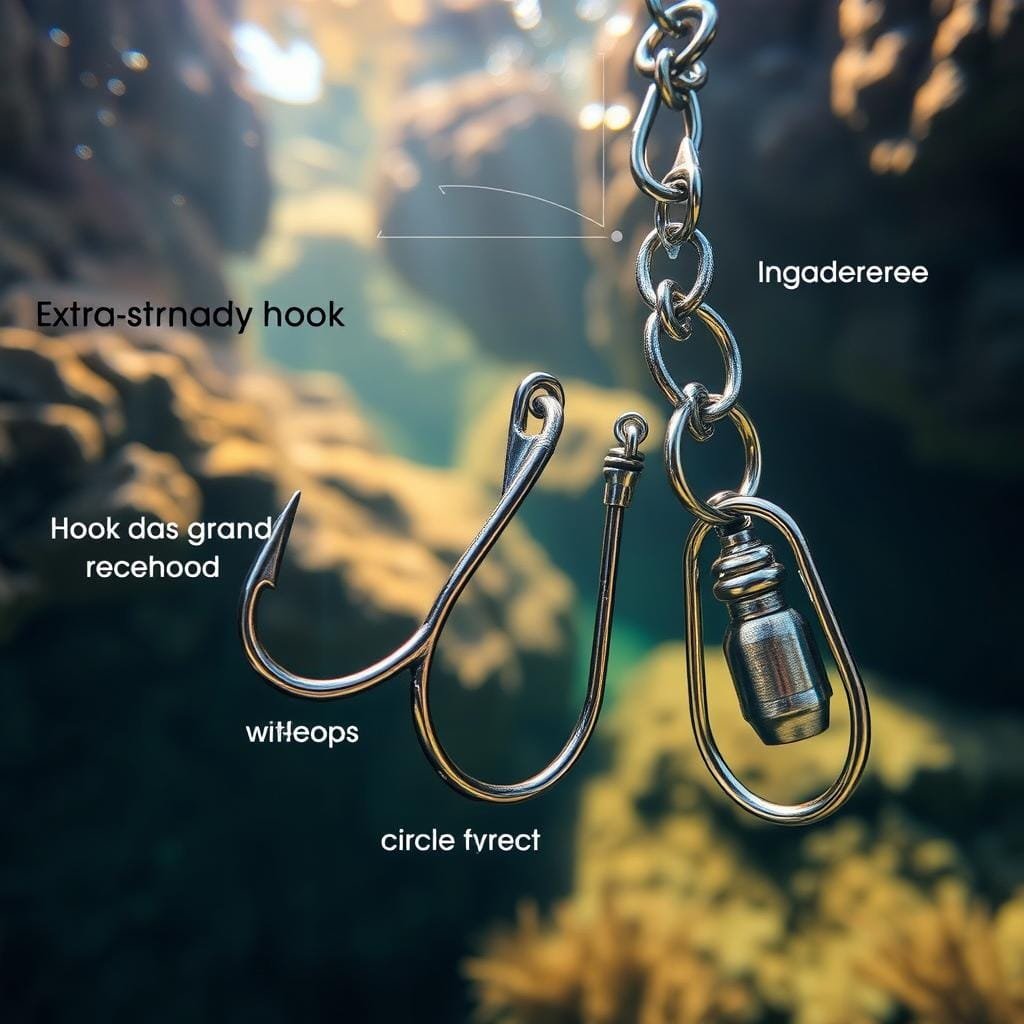
A good triggerfish rod and reel setup makes short pecks into solid hooksets. This is true even when fishing tight to rocks and pilings. Choose gear that is simple, tough, and sensitive. This way, you’ll feel every bite and turn fish before they hide in cover.
Rod choices: fast‑taper 11–12 ft for control and fun
An 11–12 ft fast taper rod rated 2–4 oz is perfect. It has a crisp tip and a strong butt. This mix lets you control hard dives and enjoy the fight.
For clean ground 10+ feet deep, a lighter 11 ft rod up to 3 oz works well. Around piers and jetties, use a more powerful bass‑style 11 ft 2–4 oz rod. It gives you control and quick lifts.
Reel sizing: 4000–6000 with smooth multi‑disc drags
Match your rod with 4000 5000 6000 reels for light to heavy duty. Use about 200 m of 15 lb class line on a rigid aluminum spool.
A quality multi-disc drag is key. It has stacked carbon and stainless washers for near‑locked pressure. This control saves fish when they surge for structure.
Mainline: 20–30 lb braid for zero stretch and power
For triggerfish, choose 20 lb braid for reach and feel. Or go with 30 lb when fishing between pier legs. Zero stretch helps set hooks in tough mouths and keeps contact in swell.
Well‑made eight‑strand options like Tronixpro X8 Pro or Power Braid resist wind knots under steady pressure.
Leaders and hook styles to beat sharp teeth
Add a short fluorocarbon leader in the 20–30 lb range for abrasion resistance and stealth. Brands like AXIA Fluorocarbon stay clear and hold up after repeated bites.
Use long shank hooks in size 2 to 1/0. Aberdeen‑style or other long‑shank patterns keep teeth away from the knot. This reduces bite‑offs without bulking up the bait.
| Component | Recommended Spec | Why It Works | Real‑World Picks |
|---|---|---|---|
| Rod | 11–12 ft fast taper rod, 2–4 oz | Soft tip for bite detection; strong butt to turn dives | 11 ft bass‑style for piers; lighter 11 ft up to 3 oz on clean ground |
| Reel | 4000 5000 6000 reels, aluminum spool | 200 m of 15 lb class line; rigid spool resists compaction | Smooth multi-disc drag with carbon/stainless stack |
| Mainline | 20–30 lb braid | Zero stretch for fast hooksets and control in current | Tronixpro X8 Pro/Power Braid |
| Leader | 20–30 lb fluorocarbon leader, short length | Stealth plus abrasion resistance around rock and metal | AXIA Fluorocarbon |
| Hooks | Size 2–1/0 long shank hooks | Shank keeps teeth off the knot and cuts bite‑offs | Aberdeen‑style long‑shank patterns |
Rigs that present small baits naturally near cover
When triggerfish hide near rocks and pier legs, the right rig is key. A lift ledger or sliding float rig keeps small baits visible. They offer a natural look without getting stuck.
Lift ledger paternoster: off‑bottom, lift‑and‑fall action
Make a small lift ledger paternoster for tight spots. Start with a size 6 three-way swivel. Then, add 30 inches of 12–15 lb mono.
Finish with a 2-inch loop and a double overhand knot. This makes a breakaway lead loop.
Next, attach 12–15 inches of 20–30 lb fluorocarbon to a size 2–1/0 hook. This setup keeps bait off the bottom. It also makes a gentle lift-and-fall action that attracts triggerfish.
Put a cannonball or pear lead on the loop. If it gets stuck, the mono breaks, saving the rig. Adjust the setup as needed to keep the bait at the right depth.
Breakaway lead loop for snaggy ground
The breakaway lead loop is great for rocky areas. Pass the loop over the weight’s eye and around the stem. This creates a strong hold.
If it gets stuck, the light mono breaks. You lose the weight but keep the swivel, hook, and fish. This saves time and lets you fish more spots.
Sliding float setup for adjustable depth control
For fish in the middle, use a sliding float rig. Start with a 5 mm bead, then a cigar or Tronixpro float. Add another bead and a 0.5–2 oz weight.
Tie a rolling swivel, then 18–30 inches of 20 lb fluoro to a size 1–2 hook. Above the top bead, tie a Grinner stop knot. This lets you adjust the depth easily.
The rig drifts naturally, matching the fish’s movement. It keeps you in touch without losing control.
best bait for triggerfish
To catch triggerfish, use fresh and neat baits. Make sure to hide the hook. Small baits work better than big ones. Fish close to where the fish live.
Top producers: peeler crab chunks and mackerel belly strips
For peeler crab, cut small pieces. Use Tronixpro Baitex to hold them together. Fish these near cover.
Mackerel belly strips are great when cut small. Make a small hole in the meat. This makes the bait look natural.
Secondary options: sandeel, squid, mussel, and worms
Small sandeel chunks are good for a slim bait. Squid strips work well in moving water. Mussel bait is good near piers.
Worms can catch fish too. But they are not as good as crab or mackerel on busy shores.
Hook concealment and bait sizing for pressured fish
Triggers can see hooks easily. So, always hide them. Use elastic to tie crab legs.
Keep baits small to avoid short bites. Change them often if they look worn out.
Securing soft baits with elastic wrap for durability
Soft baits get eaten quickly. Wrap them with elastic to make them last. Use the right amount of tension.
Finish with a few half-hitches. This keeps the wrap from coming undone during the cast.
Match the bait to the method: ledger vs. float
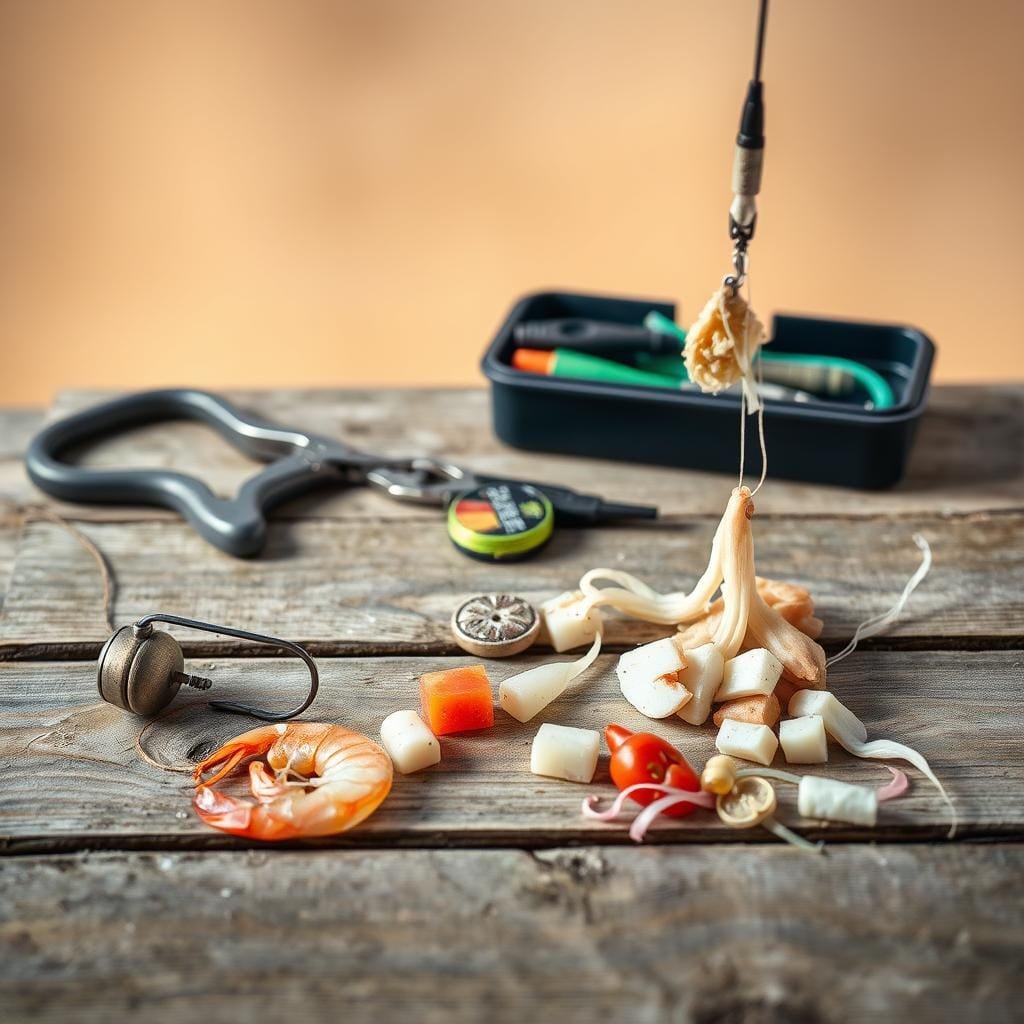
Triggerfish can be caught in two ways. You can fish the bottom carefully or use a float to attract them. Move slowly and quietly to catch them.
For ledgering, place crab bait exactly where water meets land. Use rocks and pilings to hide your bait. Then, gently lift and drop your rod tip a few times.
Float fishing is all about being seen and in control. Use a float to keep your bait 1–3 feet off the bottom. Mackerel strips work well here, leaving a scent trail.
Start with a light weight to avoid scaring fish. Adjust the weight a little to stay in place. For deeper water, use a heavier float and weight to control your bait.
Remember these tips: Use crab bait near structures and lift your rod gently. For mackerel under a float, adjust the stop as fish come closer. Small changes can make a big difference in catching fish.
Groundbaiting to pull the shoal and keep them close
Feed the water, not just the hook. A stream of triggerfish chum draws fish close. Watch for fish turning in the scent line, then keep feeding steady.
Simple mix: bran or bread + mashed mackerel + pilchard oil
Make a mix that triggerfish can’t ignore. Use bran or bread, mashed mackerel, and pilchard oil. Mix it until it forms firm balls that sink.
Then, break the balls apart to stream the scent down-tide. Refresh the mix after each catch to keep fish coming back.
For more on keeping fish in place, check out this guide on shore triggerfish tactics.
Delivery: fist‑size balls or a shaking mesh bag on piers
On breakwaters, throw fist-size balls close to the structure. This lets the scent stay near the stones. Try to throw in the same line each time to create a clear trail.
For a mesh bag setup, hang the bag half-immersed. Shake it every few minutes. This releases oil and mackerel crumbs, attracting fish from afar.
Cadence matters: small, steady trickle beats big dumps
Chum cadence is key. Throw a small ball every five minutes instead of dumping a lot at once. If you stop, fish may wander off. A quick burst of chum can bring them back.
Match your bait to the chum’s rhythm. Keep your casts in line. With the right chum and timing, you’ll attract and keep fish close.
Depth dialing: how to quickly find the feeding zone
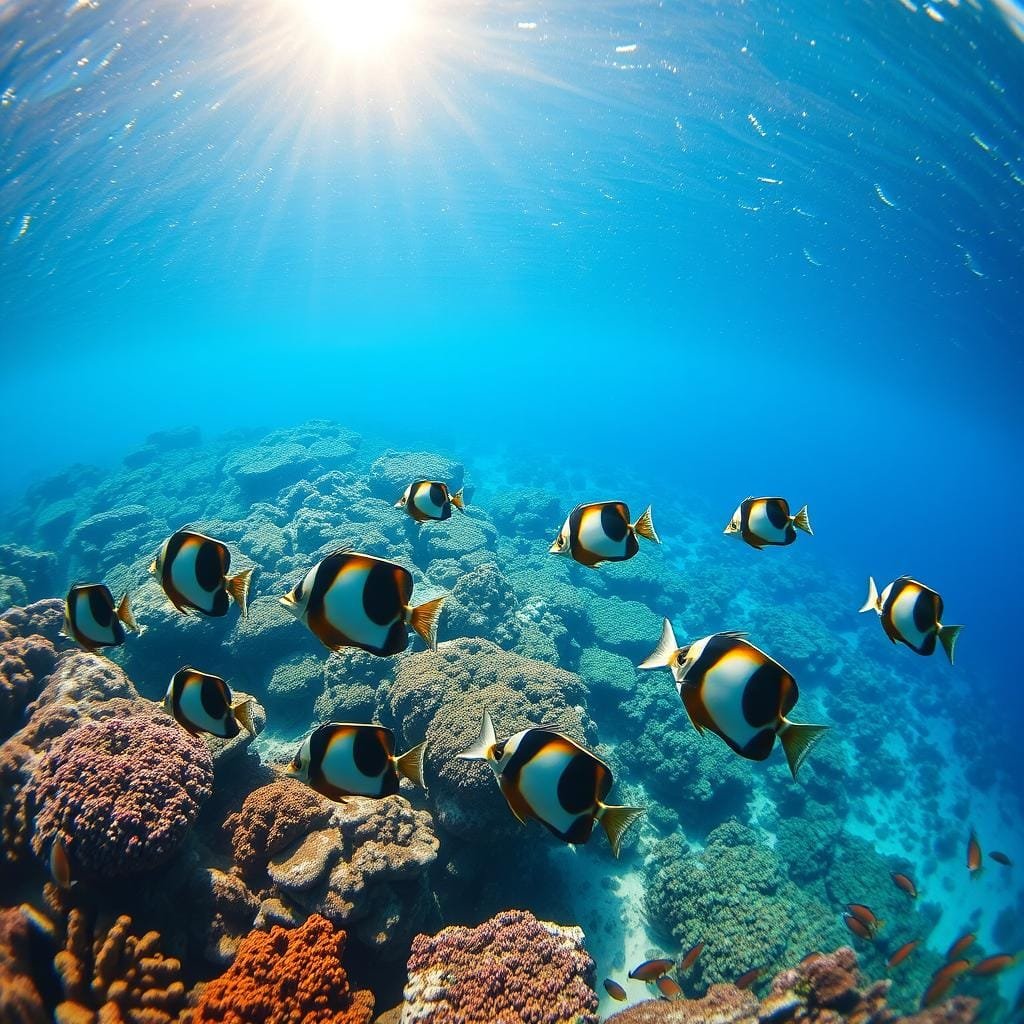
Start hunting for the triggerfish feeding zone with quick, repeatable moves. Think small changes, fast feedback, and steady bait depth control. Keep your eyes on the water and your hands ready to tweak.
Adjust float stops to track fish moving up the column
With a sliding float, make a precise float stop adjustment using a rig-gum or stop knot. Start 1–3 feet off the bottom, then shorten in six-inch steps as the school rises. If bites fade, deepen again until taps return.
Feeding shifts with tide and light. Keep casts short, watch the float travel, and note where takes occur. Lock that depth, then fine-tune bait depth control with tiny knots moves.
Vary lift‑rig hooklength to change bait height
On lift rigs, a quick hooklength adjustment changes how the bait rides above snags. Lengthen the hooklength as current builds to hold the lift‑and‑fall in the strike lane. Shorten when the tide eases to keep contact and feel.
You can also tweak the weaker mono to the lead to alter swing. Small increments keep the bait in view without drifting past fish. Reset often so the bait stays where their eyes are, not where you wish they were.
Use visual tells: turning fish in the chum line
Watch the slick and start reading chum line cues. Flashes, shoulder turns, and tight, jittery arcs mark the layer to target. Match bait depth to that level, then add brief lifts and controlled drops to seal the deal.
As the school slides higher, mirror it with another float stop adjustment or a quick hooklength change. Keep working the scent lane, and you’ll track the triggerfish feeding zone instead of chasing it.
Strike, fight, and land: tactics to beat their power dives
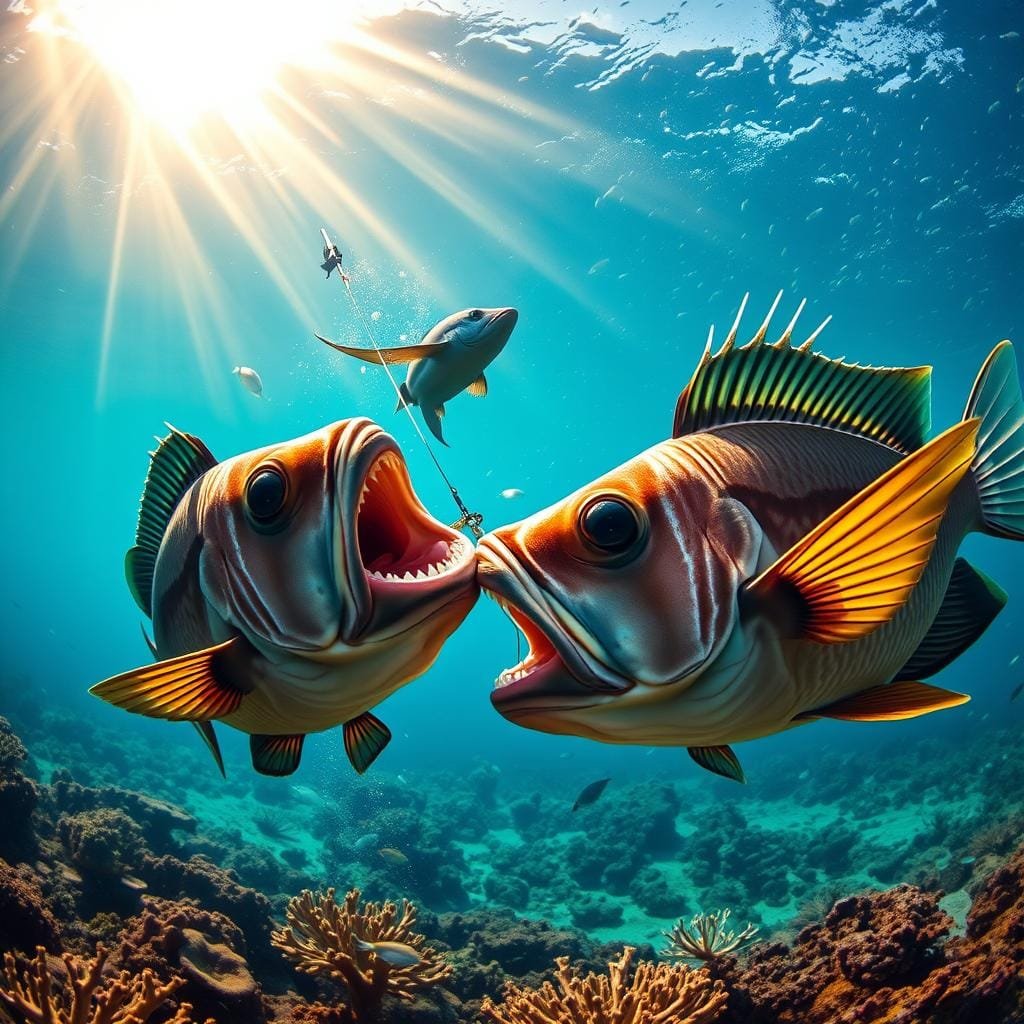
On ledger gear, bites feel like a firm pull. Don’t wait to set the hook. Use a sharp sweep to drive a long-shank hook into their mouth. Braid’s zero stretch helps, so keep the rod high, then drop the tip and lean to control.
Expect them to dive for rocks or pier legs. Use a fast-taper rod and apply side pressure fast. This helps steer them away from structure. Keep them moving in an arc, not a tug-of-war. If the sinker snags, a weak mono dropper should pop free and save your upper rig.
Adjust your drag for smooth resistance. Use multi-disc drag settings with carbon and stainless stacks. This lets you push hard without shock breaks. If they surge, the spool should slip a bit, then clamp again as you turn their head. Lift and pump short to plane them off the bottom.
On a float, when the stem slides under or darts, sweep to set and swing the rod away. Keep line angles clean, and walk the rail if needed. Land fast with a rubberized net, unhook, and get the bait back out to hold the school.
Quick checklist for the surge: firm but forgiving multi-disc drag settings, confident long-shank hook set, and calm, early steering from structure. Keep pressure constant, keep the head turned, and keep the shoal interested with steady bait flow between casts.
Lead and weight choices that won’t spook finicky triggers
Triggerfish have great eyes and ears. Make your fishing gear quiet and light. This way, you’ll catch more fish around rocks and kelp.
Cannonball or pear leads for minimal snagging
Rounded shapes move smoothly through tight spots. Cannonball and pear bomb leads are great for this. They roll instead of sticking, so you snag less.
Use a weak mono loop with them. This way, they’ll fall off if they get stuck. It saves your bait and hook near underwater structures.
Choose the lightest weight that maintains contact
Use the lightest weight you can to feel more. Lighter leads make your bait move naturally. This helps you catch fish without scaring them away.
If you’re using a float, pick a round weight. About 0.5–1 oz is good most of the time. You might need 2 oz in deeper water or when the fish are strong.
Inducing takes with subtle lift‑and‑drop
Move your rod softly to mimic a natural action. The lift and drop method adds a gentle touch. This often gets a fish to bite.
Raise your bait a bit, then drop it slowly. This way, it settles down quietly. Rounded weights help keep the bait in contact without making a loud sound.
In tough spots, mix feeling and timing. Keep your line tight and let the weights glide. This gives you quiet control and fewer snags, leading to more bites.
Weather, tides, and timing that stack the odds
Pick your windows with care and the bites come fast. In high pressure fishing, seas settle, light ripples hide you, and clear water triggerfish push in tight. Stay low, keep casts short, and work water deeper than 10 feet where they feel safe.
High pressure, light ripple, and bright conditions
Sunny or lightly overcast skies make sighting easy and keep fish on station. A gentle riffle breaks your outline and masks small splashdowns. When a front slides in and swell builds, expect the school to slide off the lip and hold deeper.
Neap to mid‑size tides rising in the cycle
Plan around neap tides and build toward mid-cycle tides as flow strengthens. The flood tide window often flips the switch, specially around piers and jetty corners. As current steadies, chum lines tighten and baits track true.
When to move or stay based on bite patterns
Log the rhythm: a hot flurry, a lull, then a reset once water moves again. On man‑made structure, an extra ebb bite triggerfish phase can pop when current wraps along the wall. If action dies at slack, adjust depth, refresh groundbait, or shift a short distance and re‑set on the seam.
Keep profiles low and footsteps light near the edge. In clear water triggerfish zones, noise and shadows push fish off; small moves and tight presentations keep you in the game.
Smart scent strategy: attractants and masking human odor
Triggerfish love to smell things, like in clear water and near pressure. Using the right fish attractant for saltwater can make them bite. It also helps hide human smell from baits and rigs.
When to add natural‑based gels or sprays to strip baits
Use natural gels or sprays when the tide is calm, the water is clear, or the fish are shy. Apply a thin layer of Pro-Cure Super Gel to mackerel belly or squid strips before casting. Use Berkley Gulp Alive attractant on tough days for quick scent spread, and refresh it often.
Smelly Jelly sticks well to hooks and elastic-wrapped baits. It’s great for fishing in currents and near structures. Baitmate adds fish oils and works well with scent masking anise to hide human smells.
Oil vs. water‑based options and stick applicators
Oil-based blends last longer in currents and spread scent steadily. Pro-Cure Super Gel and Smelly Jelly stay on through the water’s ups and downs. Berkley Gulp Alive attractant spreads scent widely at first. Bass Assassin BANG uses real fish oils in a spray for quick scent coverage.
For clean and easy use, try Fish Sticks KVD Lure Enhancer. They’re good for pier fishing or in a kayak, but may soften in heat. Reapply any scent as it gets washed away by water and casts.
Myths debunked: what not to use as “attractant”
Avoid using WD-40. It’s for lubricating and protecting metal, not for bait scents. It’s not ethical or legal in many places. Use real fish attractants like Pro-Cure Super Gel, Berkley Gulp Alive, Smelly Jelly, Baitmate, or Bass Assassin BANG for better results.
Quick setups: from truck to first cast in minutes
Keep a small crate of grab-and-go tackle ready to go. Spool reels with 20–30 lb braid and a short fluorocarbon leader. Check the drag smoothness before leaving the truck.
Pre-tied rigs for triggerfish save time. Build lift ledger paternosters on size 6 three-way swivels. Use 12–15 inch 20–30 lb fluorocarbon hooklengths. Weak 12–15 lb mono lead loops are also good.
Bag Shorecast cannonball and pear leads by weight. This setup is quick when a bite window opens.
For a float option, pre-rig leaders with Tronixpro beads. Add a slim float, small ball weights, and a rolling swivel. Use a sliding float stop knot with Tronixpro rig gum for quick depth changes.
Do quick bait elastic prep at home. Cut 1.5–2 inch mackerel belly strips and peeler crab chunks. Wrap soft baits tight with Tronixpro Baitex to hide the hook.
Mix groundbait in a bucket before driving. Use bran or bread with mashed mackerel and pilchard oil. Portion into fist-size balls or set a mesh bag and cord for steady shake-and-release.
On arrival, pick a spot with 10+ feet of water next to rocks, pilings, or reef. Start a light, steady chum cadence. Set the float 1–3 feet off bottom using the sliding float stop knot, or drop the lift rig tight to cover.
With this fast rig setup and grab-and-go tackle, you’re casting in minutes. You’ll stay on the fish.