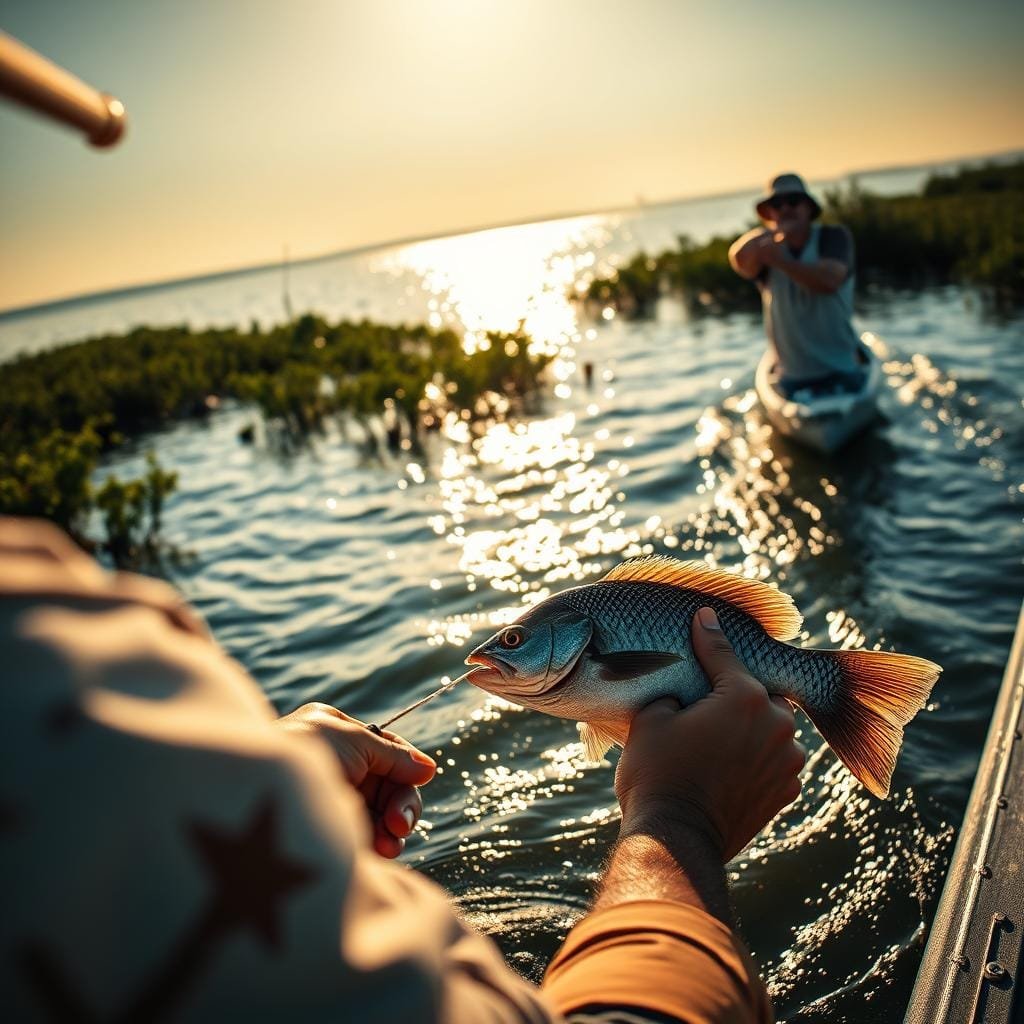
Weakfish are back in New Jersey, making anglers happy. They remind us of the 1990s. In 2022, fish were found from 2 to 12 pounds all over the state.
For steady action, use the best bait for weakfish. Keep your fishing below the surface.
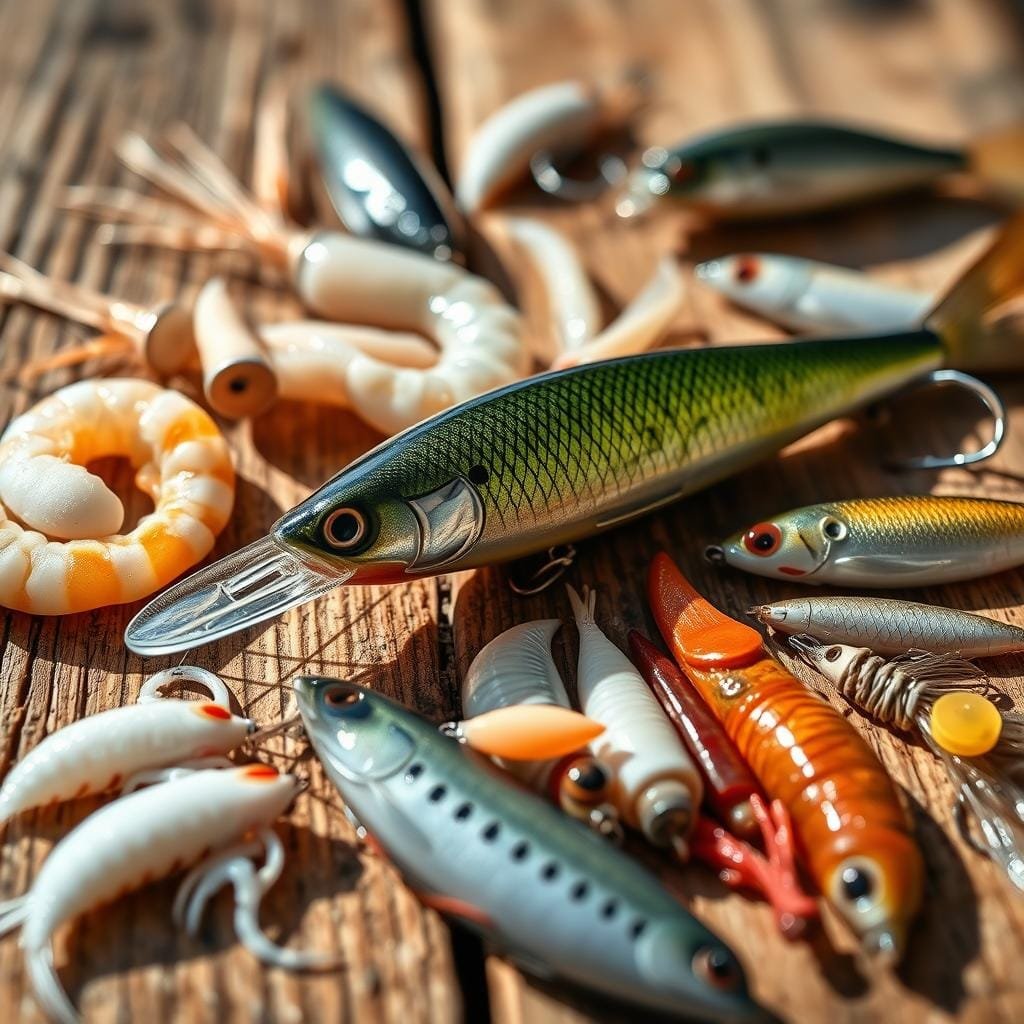
Soft plastics on jigheads are top choices for weakfish lures. Try YUM Break’N Shad, YUM Houdini Shad, and YUM Pulse. Also, Gene Larew Long John Minnow and Al Gags Whip-It Fish work well.
Krocodile spoons are great when bait is thick. Yo-Zuri Mag Darters, Bombers, and RedFins do well in moving water. Focus on subsurface baits because weakfish feed mid-column most days.
Color is key. Use weakfish colors like pink, purple, bubblegum, pearl, and chartreuse. Keep your retrieves slow and smooth. Use loop knots and a loose drag to protect the fish’s mouth.
Follow these tips in classic spots across New Jersey. Look for deeper bay channels, confluences, sedge points, and more. The Manasquan River system, Barnegat Bay, Great Bay, and Cape May are great places to fish.
Weakfish behavior, seasonal patterns, and why bait choice matters
Weakfish move with water and food. They follow the current and eat what’s available. This means you need to match the bait to what they like.
Spring “tide-runner” action in back bays and channels
In spring, weakfish move into deeper channels. They bite best at night and early morning. Look for areas where the current slows down.
Use lures that look like shrimp, anchovies, and small bunker. Bucktails and Yo-Zuri Mag Darters in orange over gold work well.
Summer spikes on shrimp and small baitfish around lights and structure
In summer, weakfish gather near lights and structures. They eat shrimp and small fish. Short casts can trigger bites.
Choose small, slow-moving lures. Use 3–4 inch plastics and light jigheads. Keep your retrieve steady.
Fall sand eel feeds in 25 to 45 feet near the surf line
In fall, weakfish move closer to the surf. Look for them in 25 to 45 feet of water. They eat sand eels.
Use lures that look like sand eels. Keep them just above the bottom. Adjust weights to avoid plowing the bottom.
Why subsurface presentations outproduce topwater most days
Weakfish mostly eat below the surface. This is why subsurface lures are best. Mag Darters and soft plastics work well.
Move slowly and match the current. The right bait at the right depth is key.
Primary forage: shrimp, spearing, sand eels, peanut bunker, and squid
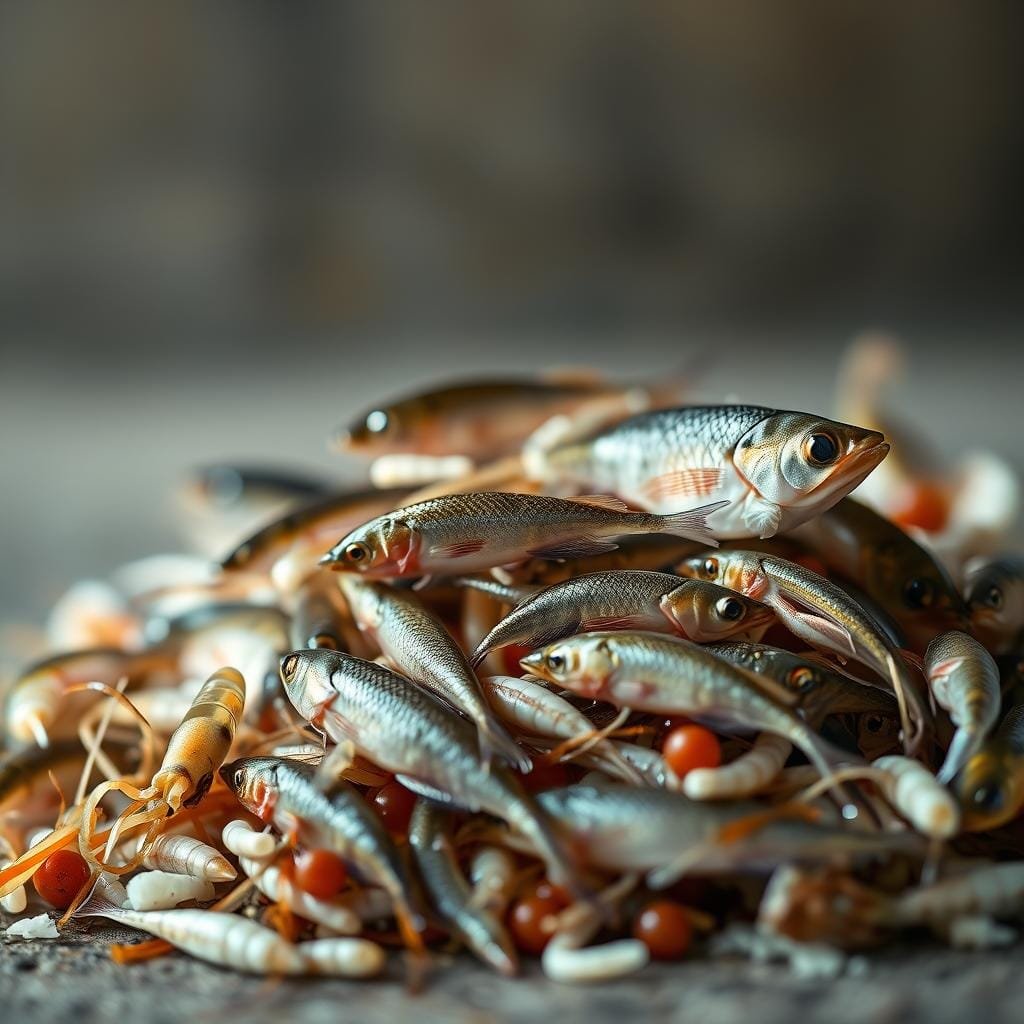
Weakfish eat what the tide brings. In back bays, channels, and marsh drains, bait changes often. Use bright colors and slim shapes, then get bigger if you see marks.
Grass shrimp and rainbait drives inshore bites
When salt ponds overflow, weakfish eat grass shrimp. Schools of shrimp and rainbait swim in the current. They strike fast. Use small plastics that move like the shrimp.
Spearing and bay anchovies: match-the-hatch profiles
Thin baits work best near sod banks and bridge shadows. Use 3–5 inch flukes or paddletails in bright colors. Swim them steadily to keep the fish coming back.
Peanut and adult bunker scenarios along channels
Deep edges are for bigger baits. Shad bodies and Krocodile spoons work when bunker schools pass by. If big bunker come, use bigger baits and slow down.
Squid and mantis shrimp: overlooked triggers
Not many fish for squid and mantis shrimp. But they get weakfish moving. Inlets and bays see squid on moon tides. Flats have mantis shrimp. Use pink, purple, and chartreuse to stand out.
Soft plastics that consistently fool weakfish
Long, lean soft plastics work well for weakfish. They have a single hook to protect the fish’s mouth. Swim them slowly and steadily to catch their attention.
For more on soft plastics, check out this angler’s guide.
Straight-tail flukes: YUM Break’N Shad and Houdini Shad
In strong currents, straight-tail flukes are the best. The YUM Break’N Shad in bubblegum or pearl swims smoothly. The Houdini Shad in Pearl White looks like spearing and sand eels, attracting fish slowly.
Use 5-inch bodies on light jigheads. Don’t twitch the rod. Let it load and wind slowly. This way, you’ll catch more fish.
Small paddletails: YUM Pulse, Al Gags Whip-It Fish
In rainfish piles, use small paddletails. The YUM Pulse in 3.5–4.5 inches moves quickly and straight. The Al Gags Whip-It Fish in chartreuse or pink adds a bit of action.
Swim them at a moderate pace. If the bait is small, use even smaller ones. Keep in touch with the lure, not the bottom.
Colors that convert: bubblegum, pink, purple, pearl, chartreuse
Keep your colors simple. A bubblegum pink lure stands out in murky water. Pearl and white match spearing. Purple is like an old-school jelly worm. Chartreuse is great under bridge lights and on cloudy days.
Change colors as the light and water clarity change. Small changes can make a big difference.
Rigging on 1/4- to 1/2-ounce jigheads for steady, slow retrieves
Thread baits straight on 1/4- to 1/2-ounce jigheads. Choose sizes based on depth and current. Swim them steadily, not bouncy. In strong currents, straight-tails catch more fish.
Use light wire hooks and smooth drags. A slow wind can turn taps into tight lines.
| Soft Plastic | Style | Best Colors | When to Use | Notes |
|---|---|---|---|---|
| YUM Break’N Shad | Straight-tail fluke | Bubblegum, Pearl White | Moderate to strong current; mid-column feeds | YUM Break’N Shad weakfish choice for a flat, level swim |
| Houdini Shad | Straight-tail fluke | Pearl, Natural Baitfish | When spearing or sand eels are thick | Subtle tail quiver seals the deal on wary fish |
| YUM Pulse | Small paddletail | Arkansas Shiner, Pearl | Rainbait and bay anchovy hatches | Tight roll that holds in current on light heads |
| Al Gags Whip-It Fish | Small paddletail | Chartreuse, Pink | Low light, stained water, bridge shadow lines | Al Gags Whip-It Fish weakfish staple with controlled thump |
| Old-School Worms | Straight-tail worm | Purple, Grape | Calm water and finicky bites | Color lineage proved on jelly worm patterns; pair with light heads |
Bucktails, spoons, and swimmers for selective tides
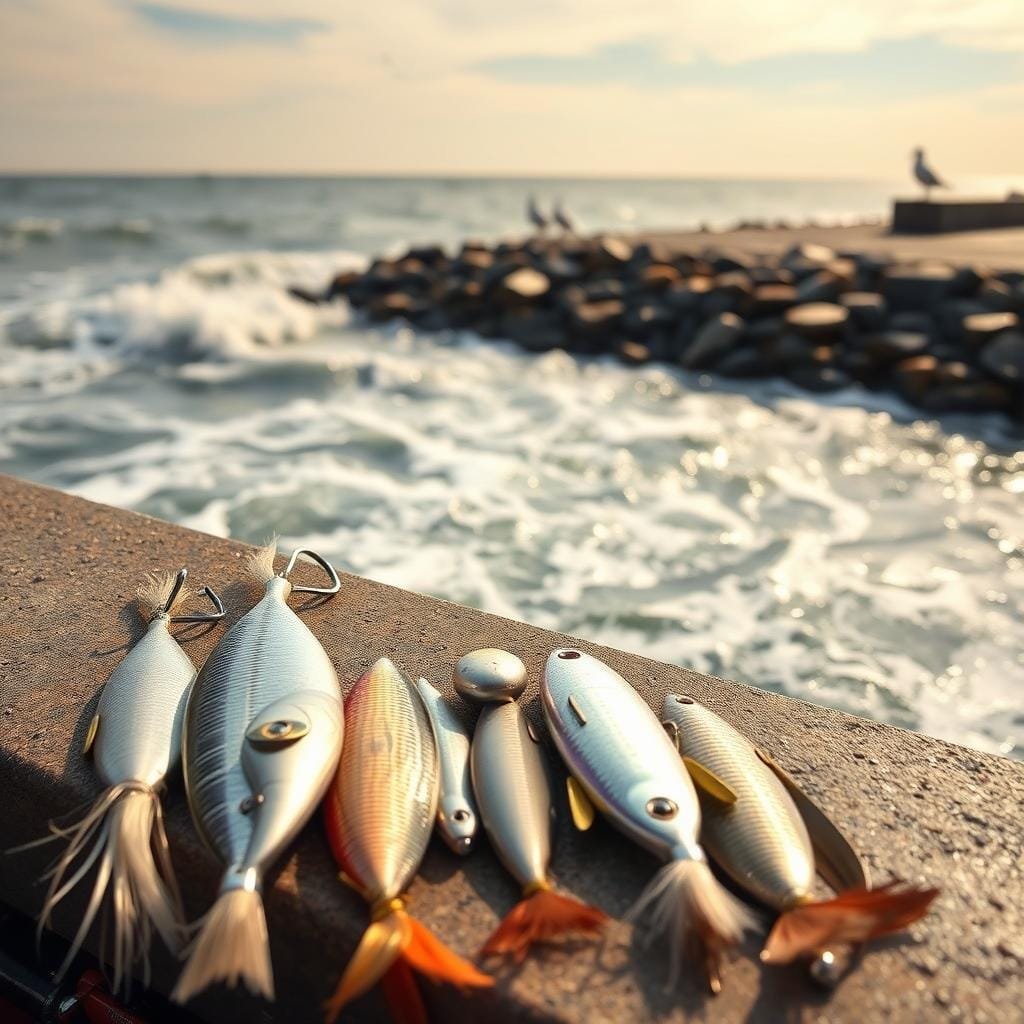
When tides get picky, change tools to match current speed and depth. Use steady pressure, light taps, and near-bottom contact. Learn the tells and switch between weakfish bucktails, metal, and slim swimmers as conditions change.
Proven weakfish tactics show that subtle color shifts and retrieve angles can flip a slow bite into a run. Keep casts crossing the flow, then let the lure swing and settle before short lifts.
White/pink and white/yellow bucktails tipped with soft plastics
Start with 3/8- to 3/4-ounce weakfish bucktails in white/pink or white/yellow. Add a thin soft plastic like a YUM fluke. Then, crawl the jig just off bottom with two-inch rod lifts. Pause on the drop; most strikes pin the bucktail as it settles.
Krocodile spoons when bunker recruits are thick
When young bunker stack on flats or rip lines, a Krocodile spoon weakfish setup shines. Cast beyond the school, count down, and sweep the rod in short bursts. The spoon flashes like a stray baitfish and tracks true in cross-current.
Mag Darters, Bombers, and RedFins on moving current edges
On strong tide seams, swimmers rule. A Yo-Zuri Mag Darter weakfish presentation—5/8 ounce in bunker or blue over black—digs and wobbles without blowing out. Mix in a Bomber RedFin weakfish plug on the same edges when fish slide higher in the column.
The “jelly worm” secret: purple rubber worms on light heads
Old-school wins: rig a purple jelly worm weakfish choice, like a 7-inch Berkley Power Worm in Electric Grape, on a 1/8- to 1/4-ounce jighead. Let it glide, then give tiny shakes. On sand bars, a 3/4-ounce head with a 6-inch chartreuse shad dragged in two-foot lateral sweeps can draw bigger bites.
best bait for weakfish
The best bait for weakfish is soft plastic. It should be fished just under the surface. Match the size and shape of local forage and swim it slow.
A 1/4- to 1/2-ounce weakfish jighead is perfect. It lets you stay in the zone without ripping through the water. This is key for soft mouths.
Standout picks include the YUM Break’N Shad in Bubblegum, the YUM Houdini Shad in Pearl White, and the YUM Pulse in 3.5–4.5 inches. Also, the Gene Larew 3-inch Long John Minnow and the Al Gags Whip-It Fish are great. These lures work well when grass shrimp, spearing, sand eels, or small bunker are around.
Use colors like bubblegum, pink, purple, pearl or white, and chartreuse. These colors pop in green water and work well in low light. A steady, slow retrieve and short rod twitches will draw strikes.
When bunker are plentiful, add a Krocodile spoon to probe mid-depth drifts. At night or on heavy tide, Yo-Zuri Mag Darters, Bomber Long As, and Cotton Cordell Redfins are good. But a purple “jelly worm” on a light weakfish jighead often gets the job done when bites are hard to come by.
Match your timing to the forage. Use grass shrimp and rainbait in spring and early summer backwaters. Sand eels are good along the surf line in fall. Bunker are best around channels.
Single-hook rigs protect delicate mouths. A patient sweep on the hookset keeps fish buttoned without tear-outs.
Night and low-light strategies that increase hookups
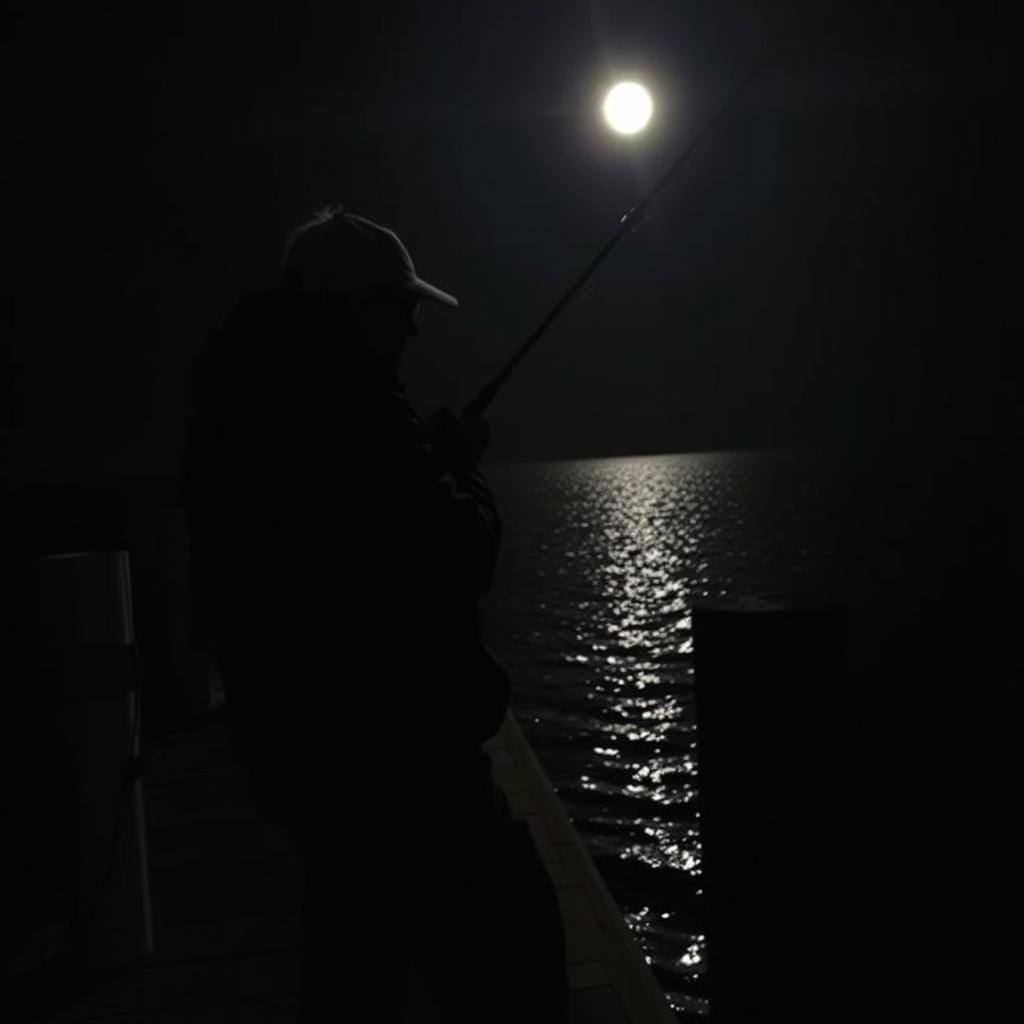
After sunset, weakfish move to edges and channel turns. This is why night fishing is best. Bait gathers in moving current and soft light.
Pre-dawn and after-dark bites around bridges and dock lights
Bridge shadows and dock lights attract weakfish. Use dim headlamps to sneak up. Let lures drift from bright to dark.
Count down your jig to mid-column, then glide it through the halo. This is where ambushes happen.
Outgoing tide windows that pull forage from estuaries
The outgoing tide brings bait from creeks. Set up below a cut where flow meets deeper water. Start with a slow swim, add short pauses, and ride the seam until you feel that faint tap.
Perpendicular casts to let baits swing over drop-offs
Cast across the current, not upcurrent. This angle lets weakfish track your lure. Let the lure flutter on a semi-slack line, then lift and ease it, keeping contact without dragging.
When “wrong” retrieves suddenly work: speed up to trigger
If the bite fades, try a faster retrieve. A fast cadence can trigger weakfish around bunker tails or nervous rainbait. Crank steady and brisk for ten turns, pause one beat, then repeat until strikes return.
Finding weakfish: productive structures and hotspots
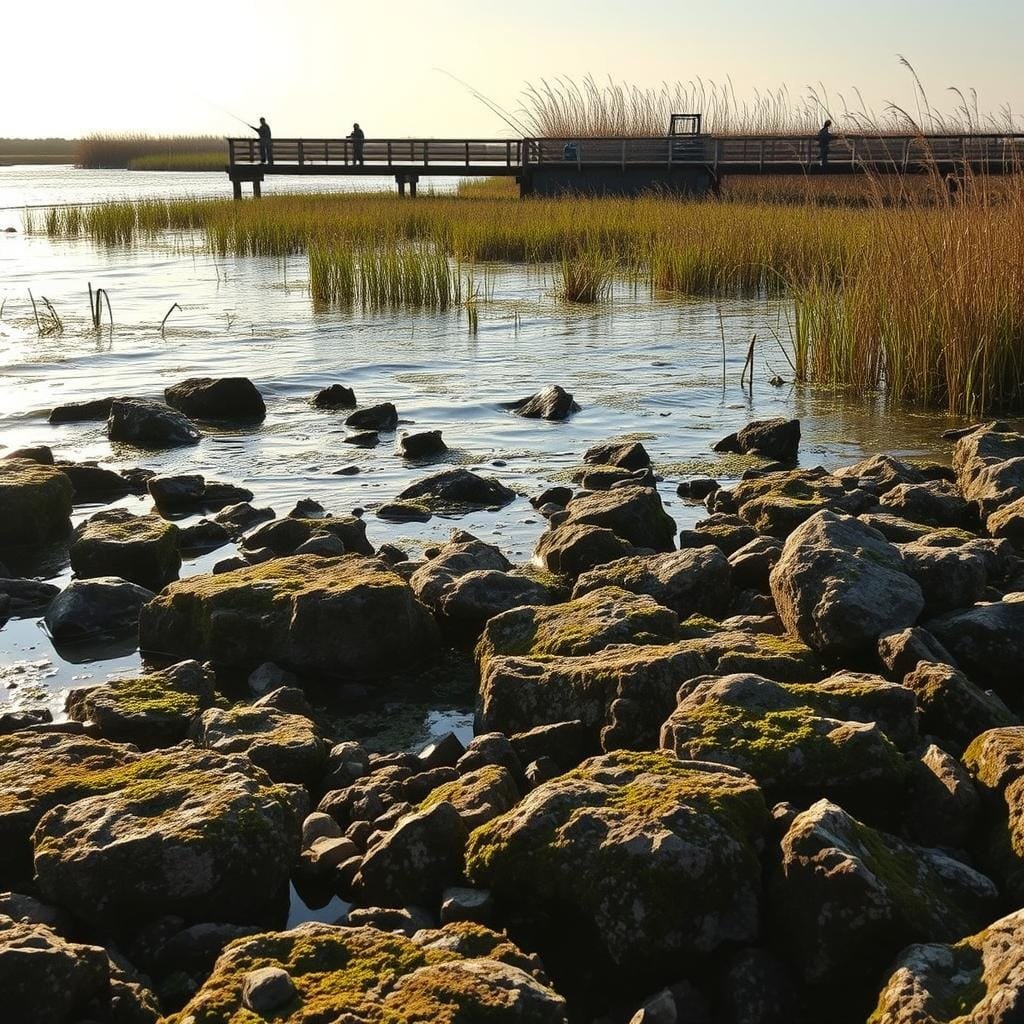
Start by looking at the current. Find spots where the water slows down and bait gathers. These areas become great places to catch weakfish in NJ when the tide and light are just right.
Keep your fishing movements smooth and near the bottom. Then, slowly move up a bit to check the middle layer of the water.
Deeper bay channels, confluences, and sedge points
Look for deeper channels in the bay at mid-tide. This is when the water moves through and turns. Places where two creeks meet are like feeding lines. Drift along the seam and feel the bottom with soft plastics.
Sedge points and overhangs offer shade and calm spots. These areas are perfect for weakfish to feed.
Bridge pilings, canal bends, and river mouths
Bridge pilings and abutments create areas where water swirls. Cast your line up-tide and let it swing past the shadow. Then, lift your line slightly to feel a bite.
Cast your line to the sides of canal bends and river mouths. This helps you cover more area and find where fish are hiding.
New Jersey standouts: Raritan Bay, Manasquan, Barnegat, Great Bay, Cape May
In Raritan Bay, weakfish often gather near Great Kills Harbor. They also like the areas around the Shrewsbury and Navesink outflows by the Highlands Bridge. Try to fish when the water is moving and keep your line close to the bottom.
In the Manasquan River, weakfish are most active during a strong mid-tide. They like the channel turns.
Barnegat Bay is home to weakfish on the flats and channels between the BB and BI buoys. They also like the area around the 40 marker. Use a 1/4-ounce jig to fish along the drop.
In Great Bay, weakfish are found in ICW channels leading to Sea Isle City and Ludlam Bay. Townsends and Corsons inlets are key spots.
Cape May is known for its weakfish at the Cape May Point jetties and near the Cape May Ferry lanes. Look for bait on the ebb tide. In the fall, fish for weakfish in the surf line at 25 to 45 feet deep. Keep your retrieve steady and low.
- Key cues: clean water edges, bait dimples, and current seams
- Drift plan: short, controlled passes over structure; mark bites and repeat
- Targets: weakfish hotspots NJ across Raritan Bay weakfish, Manasquan River weakfish, Barnegat Bay weakfish, Great Bay weakfish, and Cape May weakfish routes
Tackle and rigging to protect “weak” mouths
Weakfish hit hard and shake a lot. So, we use smart tackle to keep hooks in place without hurting them. A good spinning setup, soft drags, and clean knots help protect their mouths.
6.5- to 7-foot medium, moderate spinning with 8- to 12-pound line
Choose rods that are 6.5- to 7-feet long. They should be medium power and bend a bit. This helps with headshakes.
Pair these rods with 8- to 12-pound line and single-hook lures. From shore, a 7- to 9-foot light-action rod is even better. It’s great for sub-2-ounce jigs and protects their mouths during long fights.
4000–5000 reels, 12-pound braid, 3-foot 12-pound fluoro leader
Match the rod with a 4000–5000 size reel. Use a 12-pound main line and a 3-foot, 12-pound fluoro leader. This setup casts small jigs far and handles tight spots well.
For a list of gear and lures, check out this weakfish spinning setup. It’s what many Northeast anglers use.
Loose drags, loop knots, and patient fights to avoid tear-outs
Set the drag to be loose. This lets fish run cleanly. Then, lift and reel with steady pressure.
Tie your lure with a loop knot. Weakfish like this for free action. Use the Alberto or similar for braid-to-leader connections. Keep angles low and avoid horsing to protect their mouths.
Fly tackle and proven weakfish flies
Get your gear ready before the tide changes. An 8-weight rod is great for calm bays. For windy spots, use 9–10 weights. Choose an intermediate fly line to reach mid-depths.
8–10 weight setups with intermediate lines
Choose a balanced outfit from Orvis, Sage, or G.Loomis. Pair it with a smooth-drag reel from Abel or Tibor. An 8-weight is perfect for tight creeks.
For windy areas, go with a 9 or 10. Use an intermediate fly line. Cast up-current to sink before the swing.
Clousers, Bunny Flies, and sparsely tied Flatwing Deceivers
Weighted Clousers work well near channel edges. They have a slim profile and little flash. Bunny Flies move slowly and stay in the strike zone.
For picky fish, try a sparse Flatwing Deceiver. It’s 3–6 inches long with two hackles and a thin bucktail. It looks like a spearing or sand eel.
Shrimp patterns for grass shrimp hatches
Switch to shrimp fly patterns when grass shrimp hatch. Use both floating and sinking versions. Drift them under dock lights or in marsh cuts.
If fish swirl but don’t eat, downsize and lighten the leader. This keeps the fly in the right spot.
Chartreuse-over-pink and red-over-yellow color schemes
Use chartreuse-over-pink for cloudy water and bait-rich tides. Switch to red-over-yellow when it’s sunny or rainy. Work near the tail of bunker schools.
Speed up the retrieve if the fish stall. This keeps them interested and may trigger chases.
Water-column game plan: from surface to bottom
Start high and read the weakfish water column for clues. Birds, dimples, and flicked rainbait say try surface to bottom lures in a top-down sweep. A few early pops may happen, but a subsurface weakfish strategy wins most tides.
Slide into mid-depths with a slow, even cadence. Mag Darters, Bomber Long As, and Cotton Cordell RedFins track true on light jigheads or clips. Slim soft plastics, like YUM Break’N Shad, glide well on 1/4-ounce heads when current is mild. These depth-specific weakfish tactics keep the bait in their face without forcing speed.
When marks sit lower or the tide runs, touch bottom without plowing. Bucktails in white/pink or white/yellow, tipped lightly with a 3–5 inch plastic, tick sand and lift. Paddle and straight-tail plastics need just enough lead to kiss bottom, then rise. That gentle rise-fall is the heart of a subsurface weakfish strategy.
If bunker stack in the bay or near inlets, add flash and reach. Krocodile spoons sweep wide and stay honest in pushy current. Shad bodies dragged across sand bars with lateral rod sweeps often draw the bite from fish pinned low in the weakfish water column.
Match weight to flow so surface to bottom lures stay in the strike zone. Too light and they skate; too heavy and the glide dies. Small tweaks unlock depth-specific weakfish tactics without losing the natural slide that trips strikes.
| Zone | Primary Lures | Retrieve Style | Ideal Conditions | Why It Works |
|---|---|---|---|---|
| Upper third | Surface to bottom lures started high; slim plastics on light heads | Slow, straight swim with brief pauses | Light chop, visible rainbait, first/last light | Tests the weakfish water column without spooking fish |
| Mid-column | Mag Darter, Bomber Long A, RedFin, YUM Break’N Shad | Steady, even retrieve; subtle rod tip pulses | Moderate current, bait mid-depth | Classic subsurface weakfish strategy for neutral feeders |
| Near bottom | White/pink or white/yellow bucktails; paddletails and straight-tails | Tick bottom, lift 6–12 inches, glide | Deeper cuts, channel edges, faster tide | Depth-specific weakfish tactics that hold in the zone |
| Low with bunker | Krocodile spoon; shad bodies with lateral sweeps | Slow sweep, controlled drop, repeat | Bunker schools, sand bars, pushy current | Reaches fish hugging bottom while keeping a natural slide |
| Weight tuning | 1/4 to 1/2 oz heads; scaled bucktails | Adjust to touch, not drag | Tide shifts, wind-against-current | Keeps presentations lifelike across the weakfish water column |
Matching bait to conditions: current, depth, and bait size
Choosing the right weakfish jig weight is key. It depends on the current, depth, and bait size. Use straight-tail flukes in fast currents and small paddletails in slow ones. Keep your tactics simple and repeat them.
Light jigheads and steady swims on flats and edges
On flats and edges, use a 1/4-ounce jighead with a slim fluke or paddletail. Swim it steadily without jigging. This makes the bait look like it’s not moving much.
Choose colors that are easy to see but look natural, like pearl or pink. Make sure the jig weight matches the flow. Speed up your retrieve when it hits bottom.
Heavier heads and slow hops in deeper holes and cuts
In deeper water, use 3/8–1/2-ounce heads and hop them gently. White or pink bucktails with soft plastics work well here. Keep your line light to protect the fish’s mouth.
Use straight-tail lures in strong currents. Adjust the jig weight as the tide changes. This helps you stay in touch with the bottom.
Downsizing to 3–4 inch plastics when rainfish are thick
When rainfish are everywhere, use 3–4 inch baits. Try YUM Pulse, Gene Larew Long John Minnow, or Al Gags Whip-It Fish. These colors and sizes mimic the rainfish well.
Downsizing to smaller plastics is a smart move. Use small baits and light taps to mimic the rainfish. Swim them straight and smoothly.
Dragging shad bodies across bars with lateral rod sweeps
On sand bars near bunker, use a 3/4-ounce head with a 6-inch chartreuse shad. Let it settle, then drag it with two-foot sweeps. This makes the bait move slowly across the bottom.
This method is great for catching bigger fish. It works by teasing them with slow movements. It’s a good addition to your weakfish tactics.
| Scenario | Recommended Lure | Weakfish Jig Weight | Retrieve Cue | Why It Works |
|---|---|---|---|---|
| Flats & channel edges, moderate flow | Straight-tail fluke or small paddletail | 1/4 oz | Steady, no jigging | Holds a stationary profile that weakfish track in light current |
| Deeper holes and cuts, 15–30 ft | White/pink or white/yellow bucktail tipped with soft plastic | 3/8–1/2 oz | Short, subtle hops | Keeps contact just off bottom, reducing tear-outs |
| Thick rainfish or spearing | YUM Pulse, Gene Larew Long John Minnow, Al Gags Whip-It Fish (3–4 in.) | 1/8–1/4 oz | Straight swim with small cadence changes | Downsizing plastics weakfish approach matches tiny forage |
| Sand bars with bunker nearby | 6 in. chartreuse shad body | 3/4 oz | Drag with 2 ft lateral sweeps | Sand bar shad body weakfish pattern triggers quality bites on edges |
| Strong current, clear water | Straight-tail fluke (pearl or pink) | 1/4–1/2 oz (tide dependent) | Controlled swim near bottom | Streamlined profile improves tracking and weakfish current tactics |
Ethical considerations: pressure, stock cycles, and handling
Weakfish go through ups and downs. They had big runs, then a long drop in the 2000s. But in 2022, they came back strong in New Jersey.
This pattern helps us fish better today. We should fish quietly when there are many fish. And we should plan our fishing to avoid too much pressure.
Many places have rules to protect weakfish. They say you can only catch one at a time. This helps keep the fish population healthy.
Good fishing ethics start with how we fish. We should use special hooks and fight fish carefully. This helps prevent harm to the fish.
When it’s dark and fish are biting a lot, we need to be extra careful. We should wet our hands or use a special tool to handle fish. This keeps them safe.
For catch and release, we should help the big fish. They are important for the future. We should release them first and handle them gently.
We should also follow the rules about catching fish. We should fish in a way that matches the current and tide. And we should stop fishing if we see that the fish are stressed.
Let’s fish for the long term. We should fish in a way that respects the fish and their cycles. If we do, we’ll all have a chance to catch them when they’re biting well.