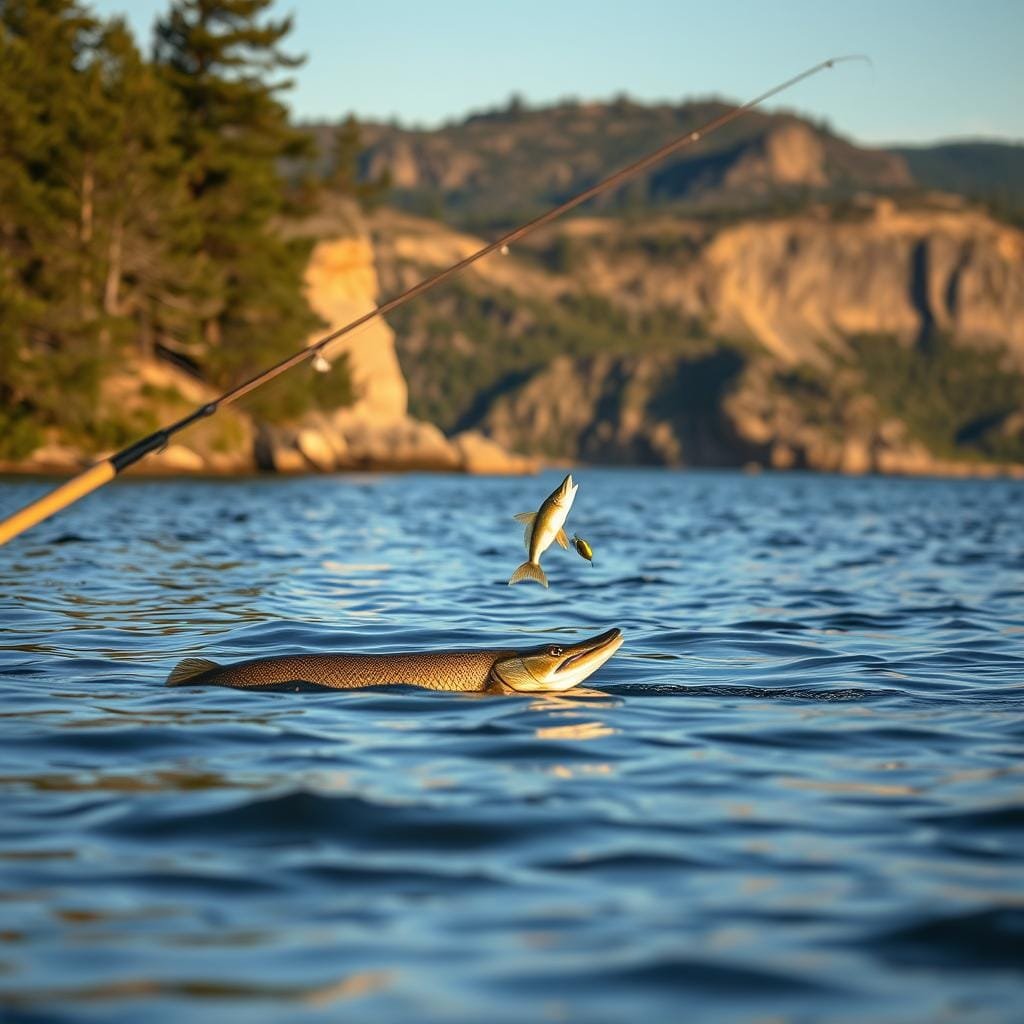
Every state in the U.S. requires a fishing license for most adults, and a one-day permit in New York costs just $5 for residents. That is the cheapest part of your start. The rest can stay cheap too: a medium-action spinning rod with monofilament line, a small hook and bobber, and worms. Fish a nearby pond for bluegill, check your state’s rules first, and cast near cover at dawn or dusk.
We’ll walk you through each step in the order you’ll do it, from license to first fish.
Start With the License and Local Rules
Check the license before you buy a single hook. Fishing without one can bring a fine, and the rules change by state and even by water body. This takes about ten minutes online, and it is the step beginners skip most often.
How to Find Out If You Need a License
Search for your state’s wildlife agency, often called the Department of Natural Resources (DNR) or Fish and Wildlife. Most states require a license once you are 16 or older. Many also let you fish for free on set free fishing days each year, which is a good way to try the sport before paying anything.
Prices are modest. New York, for example, charges residents $5 for a 1-day license, $12 for 7 days and $25 for a full year (ages 16 to 69). Nonresidents pay more: $10, $28 and $50. Some places skip the license entirely, such as licensed fishing preserves and free learn-to-fish clinics.
Rules That Catch Beginners Out
The license is only half of it. Each water body can have its own limits on how many fish you can keep, how long they must be, and which seasons are open. New Jersey, for example, set the opening day for trout season on the second Saturday in April and cut its yearly trout limit from 4 to 2 fish after Opening Day season ends on May 31.
Read the regulation booklet or web page for your state before you go. Look for three things: the daily limit, the minimum size, and any special rules for your pond or lake. Some state and city lands also need a separate access permit, so check that too.
Pick a Pond First: Where to Fish as a Beginner
Start at a small pond or a calm lake, not a big river. Ponds hold lots of small, hungry fish, they have no current to fight, and you can often fish from the bank. New Jersey stocked 23 new small ponds with trout in populated areas for this reason: catch rates there are typically high and they suit kids.
Find your spot with a quick search for “fishing ponds near me” plus your state’s wildlife agency. Many agencies publish maps of public access and stocked waters. Local bait shops are also happy to tell you where the fish are biting this week, and they cost you nothing to ask.
Look for a place with easy parking, a clear bank to stand on and a bit of shade. Docks and fishing piers are ideal because you can drop a line right next to the structure fish like. Avoid steep, muddy banks on your first trip, especially with children.
Why Rivers Can Wait
Rivers are fun, but current pulls your bait away and makes your line harder to control. You also have to read the flow to find fish. Save that for your fifth or sixth trip, after you have learned to cast, set a hook and land a fish in still water.
The Starter Gear You Need (and What to Skip)
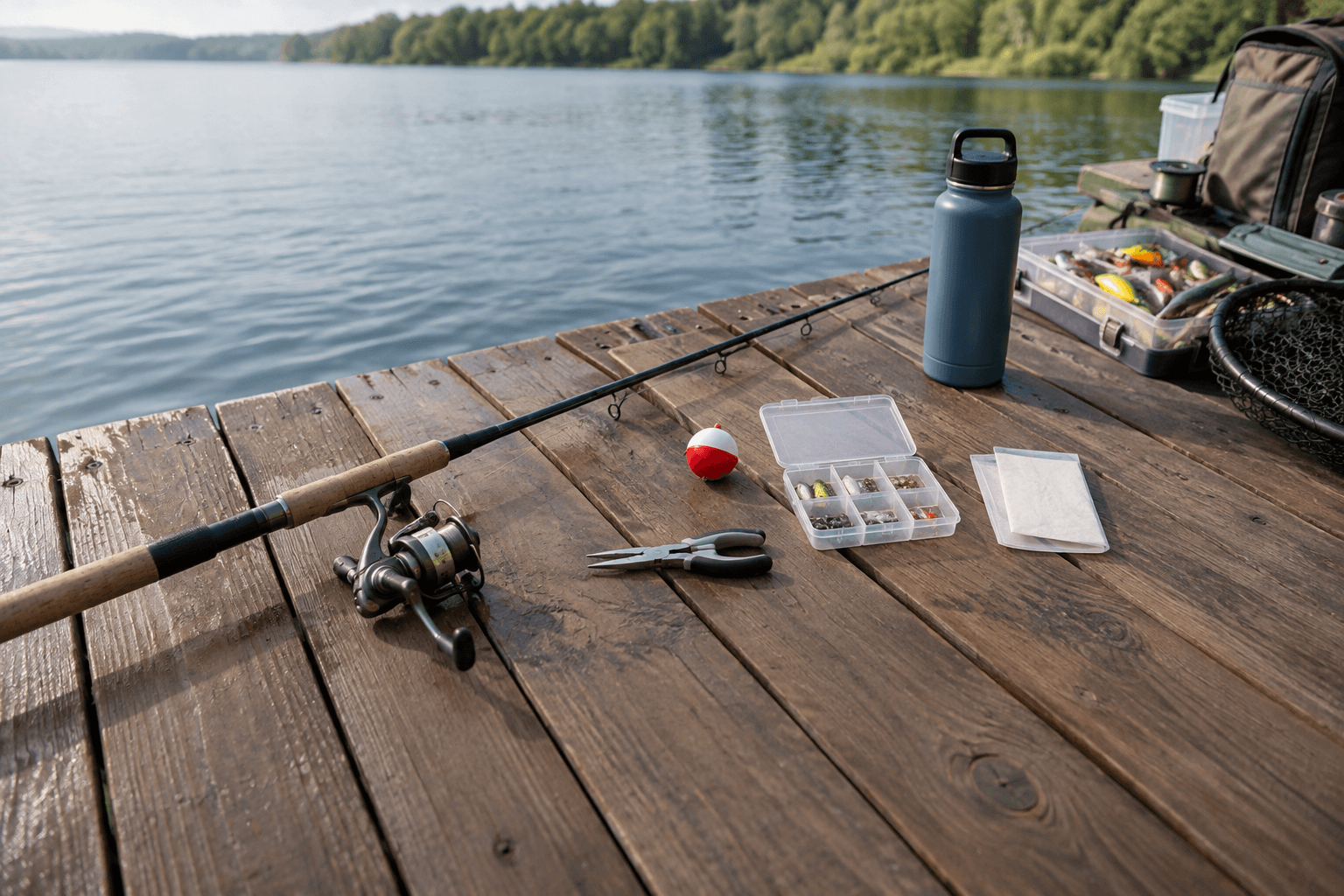
You need one rod, one reel, line, a few small hooks, some split shot weights, a bobber and a way to carry bait. A complete starter kit usually costs about $40 to $80. Buy it in one go and don’t add anything until you’ve fished at least three times.
Rod and Reel: A Medium-Action Spinning Setup
A medium-action spinning combo is the most versatile choice. Action means how much the rod bends: medium bends through the top half, which is soft enough to feel small bites and strong enough for a bass or catfish. Look for a 6 to 7 foot rod. A pre-spooled rod-and-reel combo from a big-box store or tackle shop saves you guesswork.
Don’t buy cheap junk, though. A rod that snaps on your first big fish is a real setback. A name-brand combo in the $30 to $60 range is plenty. A spincast reel (the push-button kind with a closed cover) is an even simpler option for kids and total first-timers, and it tangles less.
Line, Hooks and the Small Stuff
Use monofilament line, often called mono. It is cheap, a bit stretchy (which forgives mistakes) and easy to knot. Four- to eight-pound test is right for ponds. Heavy line spooks small fish and makes bait move unnaturally, so skip the 20-pound stuff.
Buy a pack of size 6 to 10 hooks. Small hooks match small mouths, and bluegill can’t swallow a large one. Add a pack of split shot weights (tiny lead or tin balls you pinch onto the line) and a few round bobbers.
What Not to Buy Yet
This table shows where your money should and should not go on your first trips.
Item
Buy now?
Typical cost
Why
Medium spinning combo
Yes
$30-$60
Does almost everything
Mono line (6 lb)
Yes
$5-$8
Easy to handle and cheap
Hooks, split shot, bobbers
Yes
$5-$10
The whole basic rig
Tackle box or small bag
Yes
$10-$20
Keeps small gear organized
Baitcasting reel
No
$80+
Tangles easily for beginners
Big lure collection
No
$50+
You’ll use 3 or 4 at most
Fish finder
No
$100+
Not needed from the bank
Bait and Lures: Live Worms Beat a Tackle Box Full of Lures
Start with live bait. A container of worms costs about $4 to $6 at a bait shop or many sporting goods stores, and nearly every freshwater fish will eat one. Panfish such as bluegill bite almost anything they can fit in their mouths, so worms, small bugs and even bits of bread can work.
Artificial lures imitate small fish or insects. They shine once you target bigger predators like bass, but they take skill to work well. Learn first with bait, then add lures when you want a new challenge.
Best Beginner Baits by Fish
Bluegill and sunfish: a small piece of nightcrawler or a red worm on a size 8 hook.
Crappie: small minnows or tiny jigs under a bobber.
Catfish: chunks of cut fish, chicken liver or a big nightcrawler fished on the bottom.
Largemouth bass: nightcrawlers, live shiners or a plastic worm once you’ve gained confidence.
Don’t use oversized baits for small fish. A whole nightcrawler is too big for a bluegill, which will nibble the end and escape. Break it into pieces about an inch long and thread one on the hook so the end wiggles.
Keeping Bait Alive
Keep worms in their container in a shady spot or a small cooler, never in a hot car. Heat kills them quickly, and dead bait catches fewer fish. If you buy minnows, change their water as it warms.
Tie and Cast the Basic Bobber Rig
The basic bobber rig is the most widely used setup in fishing, and it works from the bank or a boat. It has three parts: a hook tied to the end of your line, split shot weights pinched on the line, and a bobber above them. When the bobber twitches or sinks, a fish is on.
Here is how to build it step by step:
Thread the line through your rod guides and tie a hook to the end with an improved clinch knot (tie it five or six wraps, then pull it tight).
Pinch one or two split shot onto the line about 6 to 12 inches above the hook.
Clip or slide a bobber on the line several feet above the hook. In shallow water, set it 2 to 3 feet up.
Hook a piece of worm so it hangs freely and wiggles.
Cast and wait. Reel in slack line so you can feel any bite.
When the bobber dips under, lift the rod tip firmly and start reeling.
Casting Without Tangles
Hold the rod with your reel hand at the base and your index finger on the line. Open the bail (the wire arm on a spinning reel), point the rod where you want the bait to go, swing it back and forward smoothly, and let go of the line at the front of the swing. Practice in a yard with a plastic casting weight first if you can. Casting lightly beats casting hard.
Setting the Hook
A bluegill bite is a quick tug or a bobber that sits low. Don’t yank. Lift your rod tip and reel steadily. If your bobber just trembles, wait a moment for it to go under. Fish often nibble first and commit second.
Which Fish to Chase First (and Why Bass Can Wait)
Target bluegill first. They live in almost every pond, bite most of the day and are small enough that you can’t lose a rod to one. Crappie, also panfish, are nearly as easy and are good eating. Channel catfish are a strong second step because they fight hard and bite bait left on the bottom.
Bass are the glamour fish, and they teach lessons, but wait. Largemouth bass are smart, aggressive and often hold in tricky cover. Many new anglers go for bass on day one, get nothing for hours and quit. Catch 20 panfish first and you’ll learn your gear, your timing and how bites feel.
Species
Difficulty
Best bait
Where to look
Bluegill
Easiest
Worms
Shallows near docks and weeds
Crappie
Easy
Small minnows, jigs
Brush piles, dock posts
Channel catfish
Moderate
Cut bait, nightcrawlers
Deeper holes, river bends
Largemouth bass
Harder
Plastic worms, live shiners
Lily pads, fallen trees
Reading the Water: Time of Day, Cover and the 80/20 and 90/10 Rules
Fish bite best at dawn and dusk, when light is low and bugs and baitfish move. Midday sun pushes them into shade or deeper water. Plan to arrive about 30 minutes before sunrise or stay until just after sunset. In spring, fish move into shallow water about 2 to 5 feet deep to build nests, so shallow casts work well then.
Fish the Edges, Not the Middle
Most of a pond is empty. Fish gather near cover (things they hide behind, like weeds, logs, rocks and docks) and structure (changes in the bottom, like drop-offs and ledges). Cast next to these, not into the middle of open water. A cast that lands within a few feet of a dock post is worth ten blind casts across the center.
What the 80/20 and 90/10 Rules Mean
You may hear anglers say that 90 percent of fish are in 10 percent of the water. This is a saying, not a law, but it is useful: the same idea gets called the 90/10 rule, and the 80/20 rule is the milder version. Both mean that fish group in a few good spots, and the rest of the water holds very few.
For you, this means don’t spread your effort. Walk the bank, test the spots with cover, and spend your time where the fish are. If you get no bites in about 15 minutes, move 20 or 30 feet and try again.
Safety, Etiquette and Catch-and-Release
Good habits keep you safe and keep your spot open to you next season. Wear sunglasses, which protect your eyes from stray hooks as well as glare. Wear a hat and bring water. Look behind you before every cast, and keep children well clear when you swing the rod back.
Handling Fish Gently
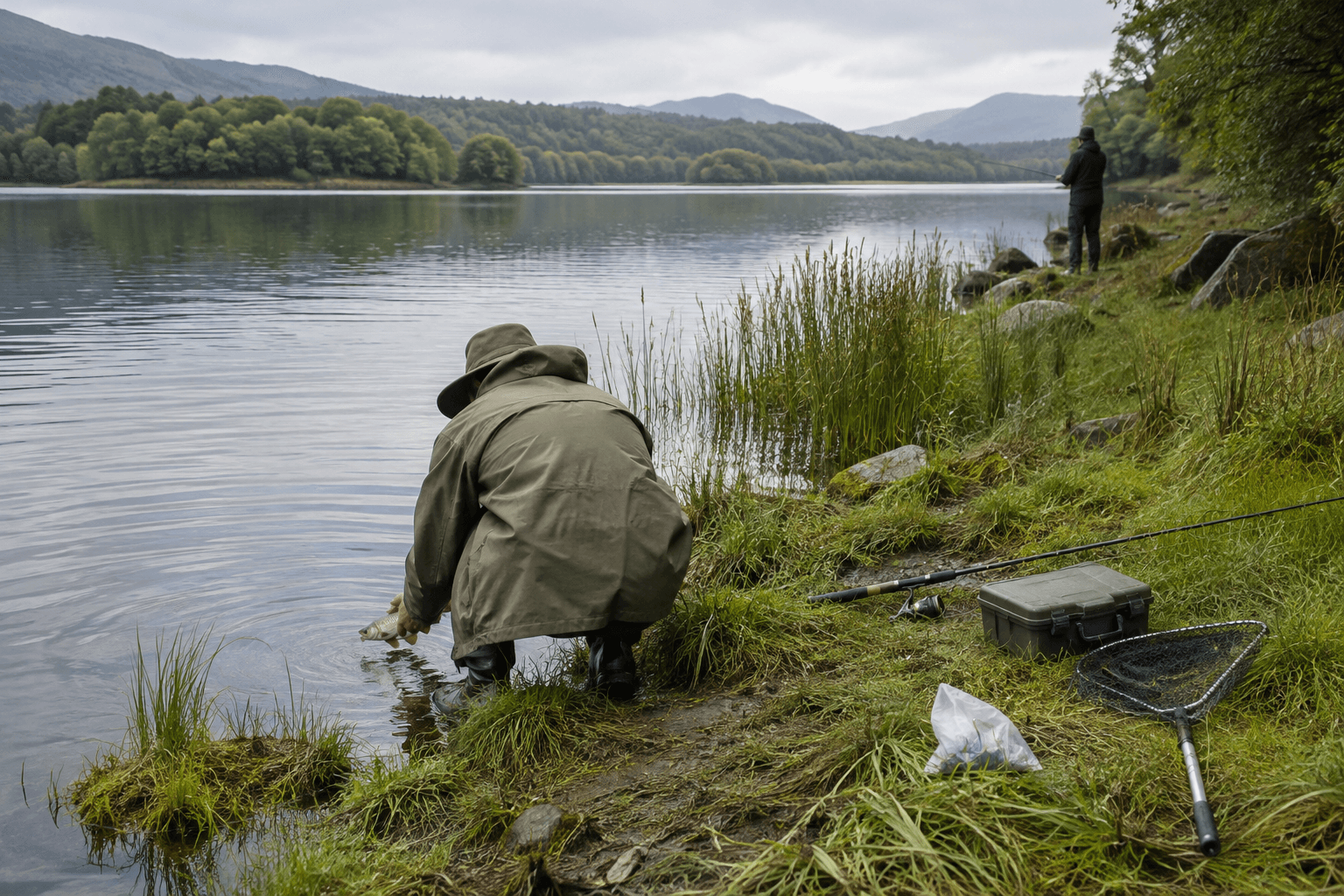
If you plan to release the fish, wet your hands first. Dry hands remove the fish’s protective slime. Hold it gently, don’t squeeze, and use needle-nose pliers or a hook remover to take out the hook. Return it headfirst to the water as soon as you can. If a fish swallowed the hook deeply, cut the line close to the mouth instead of pulling.
Check the local size and limit rules before you decide to keep anything. Many ponds ask you to release bass, for example, but allow you to keep panfish up to a daily limit.
Courtesy on the Bank
Give other anglers room, about 30 feet or more. Don’t cast over their lines. Pack out all your trash, including old line, which can trap birds and turtles. Cut it into short pieces and put it in a bin. Ask permission before fishing on private land. A well-run bank is a gift to the next angler, and good manners keep access open.
If you want more detail on baits for specific species later, Rod Rush has guides you can read once your first panfish are in the bucket.
Frequently Asked Questions
What are some tips for starting freshwater fishing as a beginner?
Check your state’s license rules, fish a small pond, use a medium-action spinning rod with mono line, and bait a small hook with worms under a bobber. Target bluegill first, and cast next to cover at dawn or dusk.
What is the easiest freshwater fish for beginners to catch?
Bluegill are usually the easiest. They live in most ponds, bite worms readily and are small enough to land with simple gear. Crappie are a close second and make good eating where keeping them is allowed.
Do I need a fishing license for freshwater fishing?
In most cases, yes. Every state requires a license for most adults, usually from age 16, though free fishing days and some preserves are exceptions. You can buy a 1-day or 7-day license online through your state’s wildlife agency.
What bait should beginners use?
Use live worms. Nightcrawlers cut into small pieces work for bluegill, crappie and even catfish. Once you are comfortable, try minnows for crappie and cut bait for catfish, and add artificial lures later for bass.