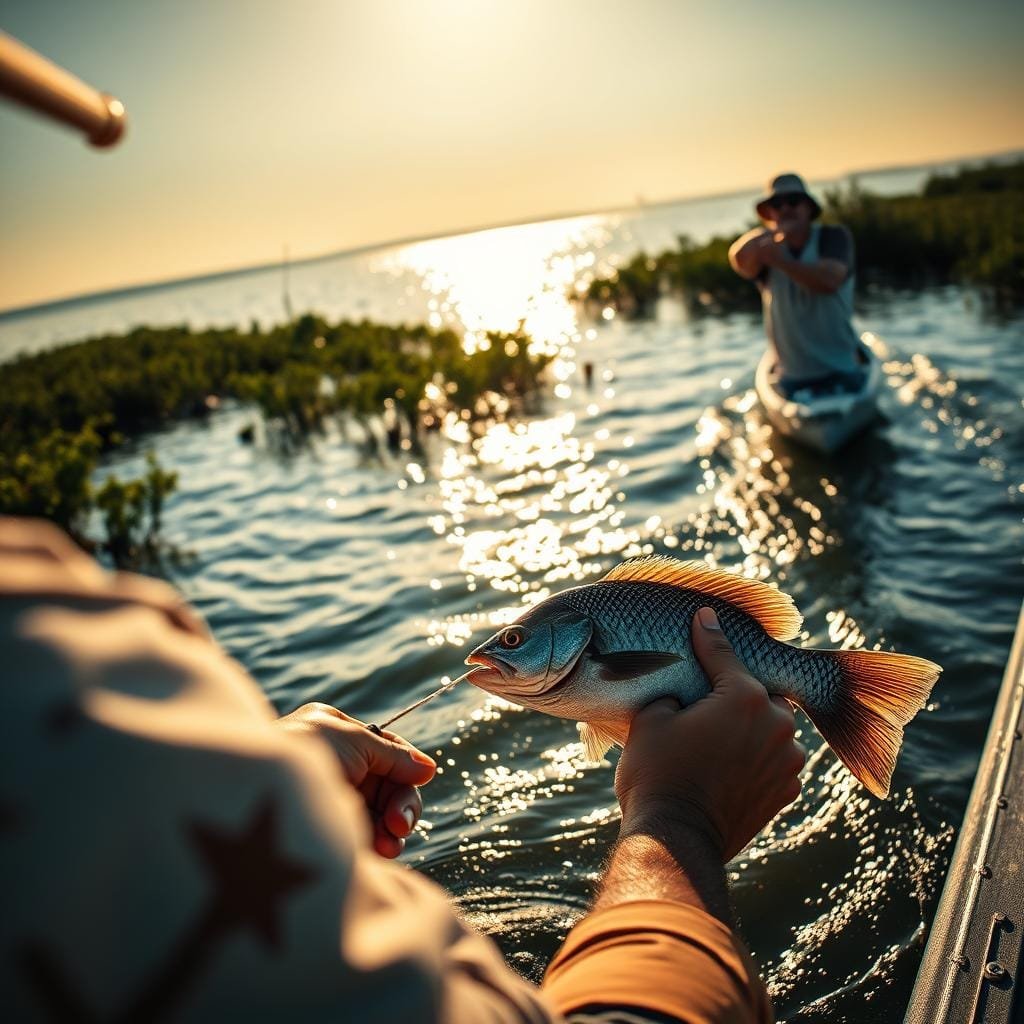
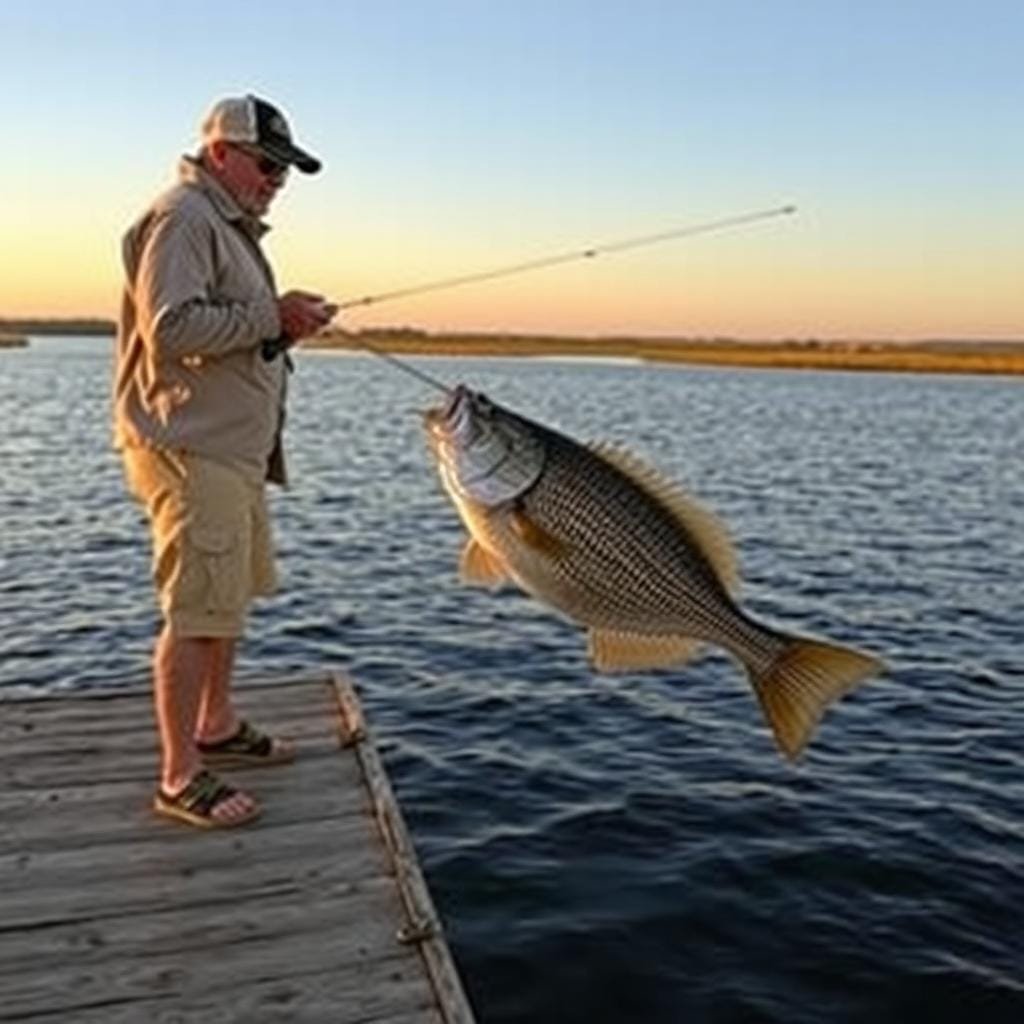
Anglers rejoice as we dive into the exciting world of inshore species. Our inshore fishing guide is here to help you catch black drum. These saltwater giants are a thrilling challenge for all fishermen.
We share time-tested black drum fishing tips and effective black drum fishing strategies. These will make your fishing experience better.
The black drum is a standout in the drum family. They can live up to 35 years and weigh almost 100 pounds. Their home is from Florida’s warm waters to Texas’s marshy coasts.
They love areas with lots of structure. Whether you’re fishing near mangrove roots or sight fishing near oyster bars, we’ve got you covered. Learn to find the best places and use the low tides to your advantage.
Use the right baits and scents to lure them. Berkeley Gulp baits are irresistible to them. This guide is your key to inshore fishing success. Get ready for a memorable fishing adventure.
Understanding Black Drum Habits and Habitats
Black drum live in inshore environments. They are loved by anglers and important in their homes, like oyster bars and estuaries. We’ll look at where they live, how they eat, and how they move with the seasons.
Where Black Drum Thrive
Black drum love places full of marine life. They hide in docks, bridges, and mangrove roots. These spots give them food and safety.
Oyster bars are special for them. They have lots of food like mussels and crustaceans.
Feeding Patterns and Behaviors
Black drum eat in interesting ways. They use their strong mouths to open hard shells. They also show their tails while eating in estuaries and flats.
Seasonal Movements
Black drum move with the seasons. In warm months, they stay in shallow water to find food. When it gets cold, they go deeper to stay warm.
Fishing for black drum can be great. Knowing their habits helps you catch them. Whether you fish in calm waters or near busy oyster bars, understanding black drum can make your fishing better.
Gearing Up: Rods, Reels, and Line for Black Drum
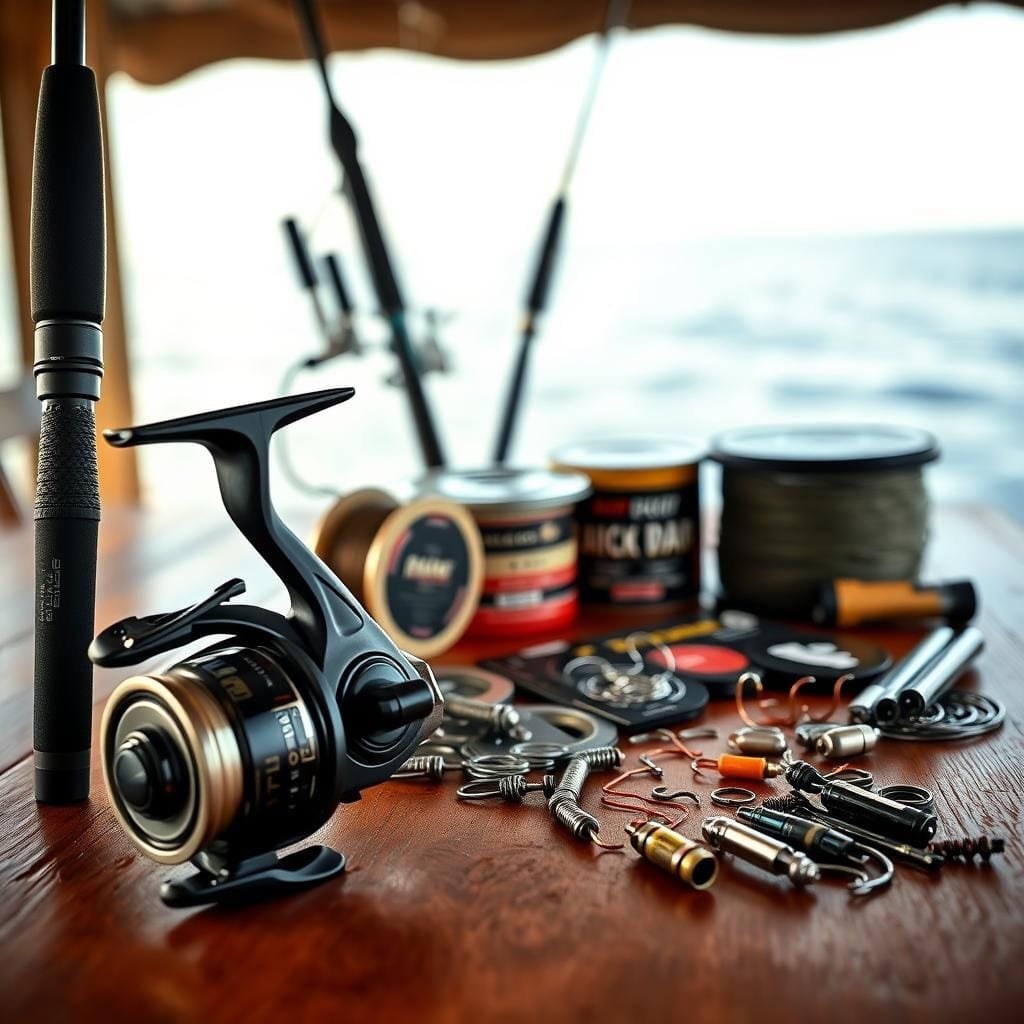
Choosing the right gear for black drum fishing is key. It makes your fishing better and helps you catch more fish. Knowing about rods, reels, lines, and leaders is important.
Choosing the Right Rod
The rod for black drum should be strong but also feel bites well. A 7 to 7’6″ rod with medium power is best. It’s strong enough for the big fights but also bends a bit.
Reel Selection for Maximum Efficiency
Reels need to work smoothly and be tough. A 2500 to 4000 series reel is good for small drum. It has enough line and feels the fish well. For big drum, a 5000 series reel like the Penn Spinfisher is better. It has strong drag for big fish.
Line Types and Strengths
Braided line is best for black drum because it doesn’t stretch. For small drum, a 10-pound line works well. But for big drum or in strong currents, use a 20 or 50-pound line. It’s stronger and lasts longer.
| Fish Size/Location | Rod Type | Reel Model | Line Type | Leader Strength |
|---|---|---|---|---|
| Under 10 lbs / Tidal Creeks | 7′ Medium | 2500 Series | 10 lb Braided | 15-20 lb |
| Under 10 lbs / Bridges | 7’6″ Medium | 4000 Series | 20 lb Braided | 30 lb |
| Over 10 lbs / Inlets | 7′ Medium/Heavy | 5000 Series (Penn Spinfisher) | 50 lb Braided | 40-50 lb |
Choosing the right tackle is all about the fishing situation. Pick the right rod and reel for the fish, place, and how you fish. This will help you catch more fish and make sure your gear is ready.
How to Catch Black Drum: Essential Baits and Lures
To catch black drum, you need to know about different baits and lures. They love to smell things, so baits with strong smells work best. You also need to use methods that make them sniff around.
Natural Baits: Crabs, Shrimp, and More
Using real bait is a great way to catch black drum. Half blue crabs and shrimp are favorites because they smell good. Fresh clams are also great because they smell and feel like food.
Artificial Lures: Jigs, Spoons, and Soft Plastics
For artificial lures, jigs are a top choice. Bucktail or flair hawk jigs work well. Pick a jig that fits the water depth and current so it hits the bottom.
Adding scents to artificial lures helps a lot. Berkeley Gulp lures, for example, smell like real bait. This makes artificial lures more appealing.
The Power of Scent: Enhancing Your Lures
Adding scents to lures can really help. You can use oils or sprays on jigs and spoons. This makes them smell like food and attracts black drum.
| Bait Type | Description | Why Effective for Black Drum |
|---|---|---|
| Blue Crabs | Half or whole, depending on size | Strong natural scent attracts black drum |
| Shrimp | Live or fresh dead | Realistic fluttering mimics prey movement |
| Clams | Fresh, with shells cracked | Soft, easy-to-eat bait with appealing scent |
| Berkeley Gulp Lures | Artificial, scent-releasing | Emits strong odor that mimics real bait |
Choosing between natural and artificial baits depends on the situation. The right bait and technique can help you catch black drum. Be smart and flexible, and you’ll have a good chance of catching them.
The Best Fishing Techniques for Black Drum
Fishing for black drum needs different methods for different places. You can fish in quiet estuaries or busy inlets. Knowing the right techniques is important for catching these fish.
Bottom fishing is great for black drum. They live on the bottom, near oyster beds. Use rigs like the dropper loop to bait them.
Natural baits like shrimp or crabs work best. They make black drum come out of their hiding spots.
Sight Fishing in Shallow Waters
Sight fishing is good in shallow waters. Here, you can see black drum tailing. It’s like fishing in a big aquarium.
Use natural baits like live shrimp. They attract black drum with their scent and movement.
Trolling Methods for Troubled Waters
Trolling works in deep, busy waters. Use heavy tackle and circle hooks. This keeps your bait down in strong currents.
It covers more area. You’re more likely to catch black drum in deep channels.
Setting the Perfect Hook for Black Drum
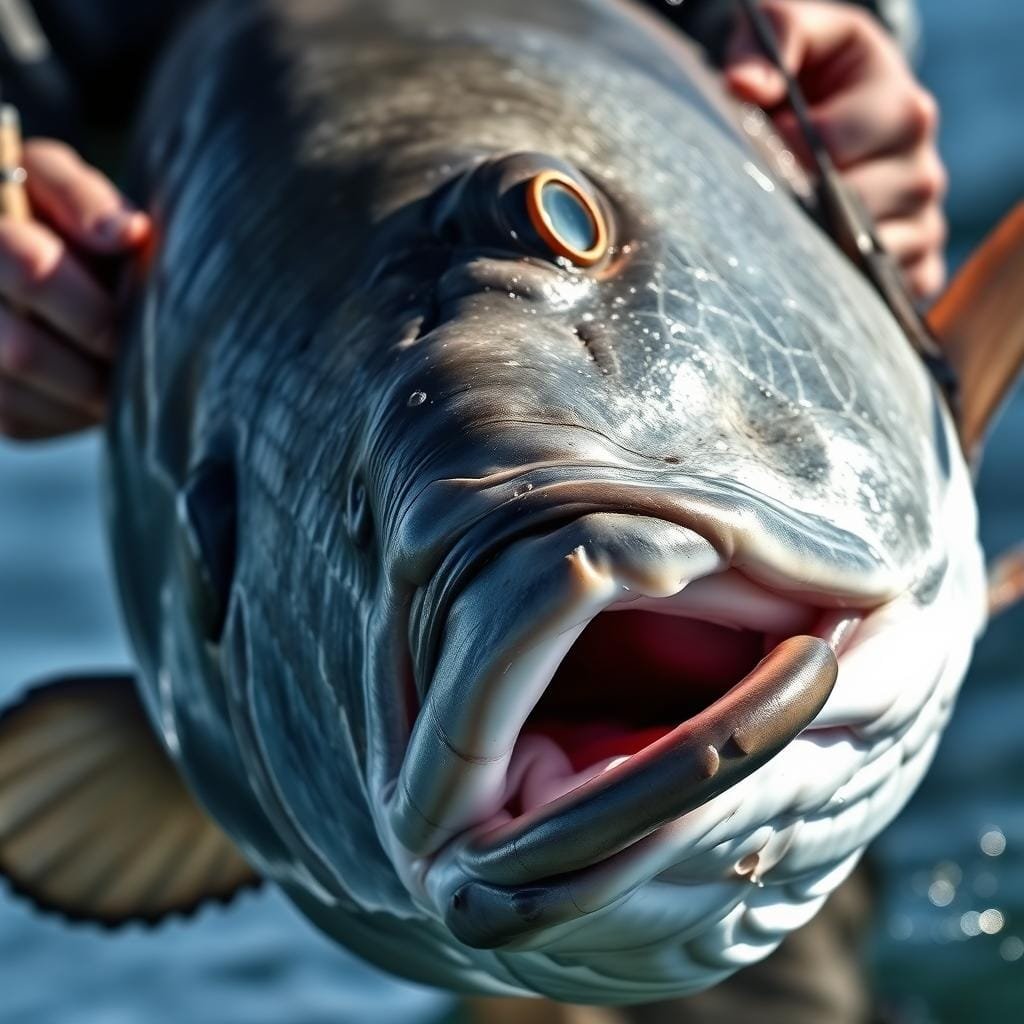
Learning to fish for black drum starts with the right hook setting. Circle hooks are best because they help catch fish safely. This way, you can catch more fish and keep them healthy.
For bait like half a blue crab, use big circle hooks, 4/0 to 5/0. These sizes fit the bait well and make hooking easier. But, for small baits like shrimp or clams, choose smaller hooks, like 2/0. These smaller hooks keep the bait looking real, which attracts black drum.
| Bait Type | Recommended Hook Size | Hook Type |
|---|---|---|
| Half Blue Crab | 4/0 to 5/0 | Circle Hooks |
| Live Shrimp, Fiddler Crabs, Clams | 2/0 | Circle Hooks |
Most of the time, regular strength hooks work well for black drum. They don’t need super strong hooks. By picking the right hook and learning how to set it, you’ll catch more fish. It’s all about matching the bait, hook size, and fishing style.
5 Tips from The Pros: How to Land The Big One
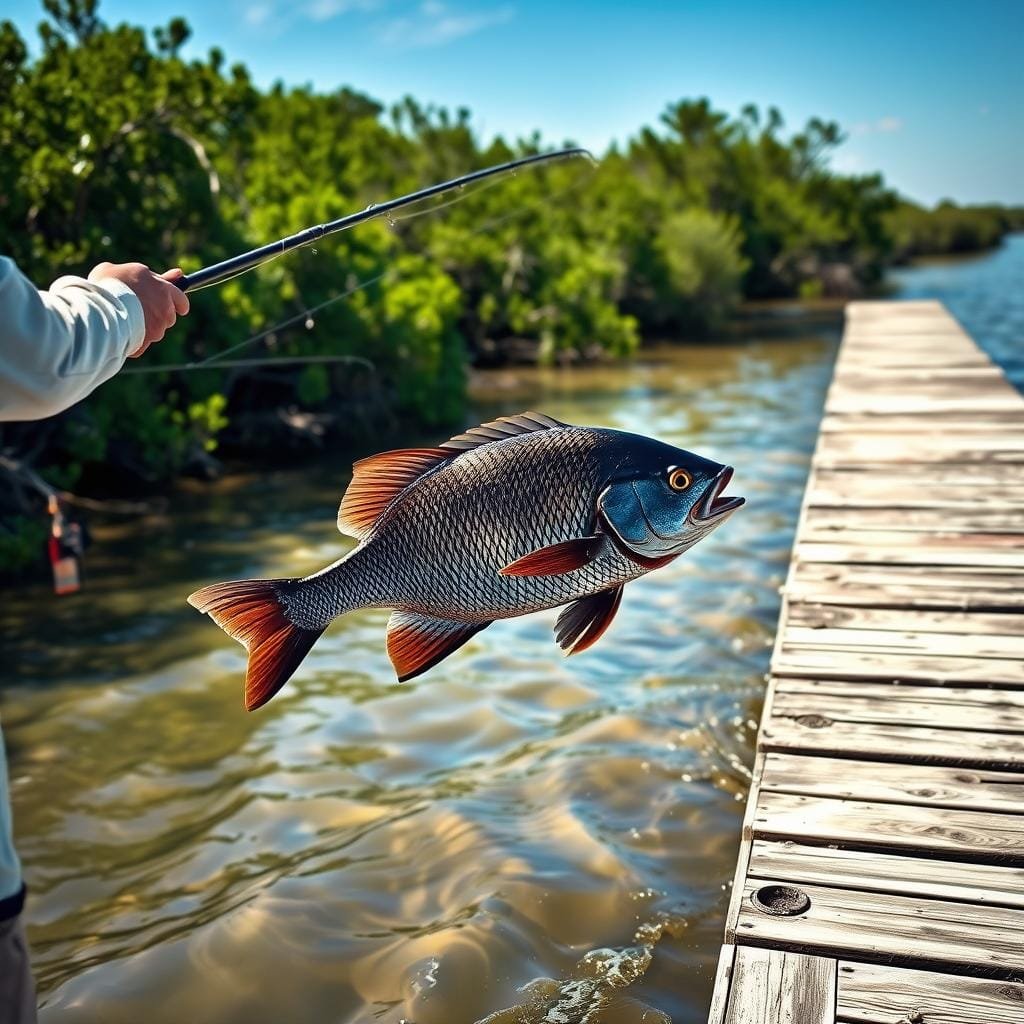
Successfully targeting black drum is more than just casting a line. It’s about using pro fishing tips and knowing the right fishing timing. You also need to be good at adapting techniques to the changing waters. And remember, fishing patience is key to planning and doing well.
Fishing timing is very important. Plan your trips for the best tidal movements and when black drum migrate. This can really help you catch more fish.
Changes in the environment happen, and you need to adapt techniques to them. This means changing your bait or how you fish based on water clarity and temperature. This skill comes with practice and advice from experts.
Lastly, fishing patience is very important. Black drum, and big ones in particular, can be picky. Waiting patiently for hours can make all the difference between catching a big fish and missing it.
Finding Prime Black Drum Fishing Spots
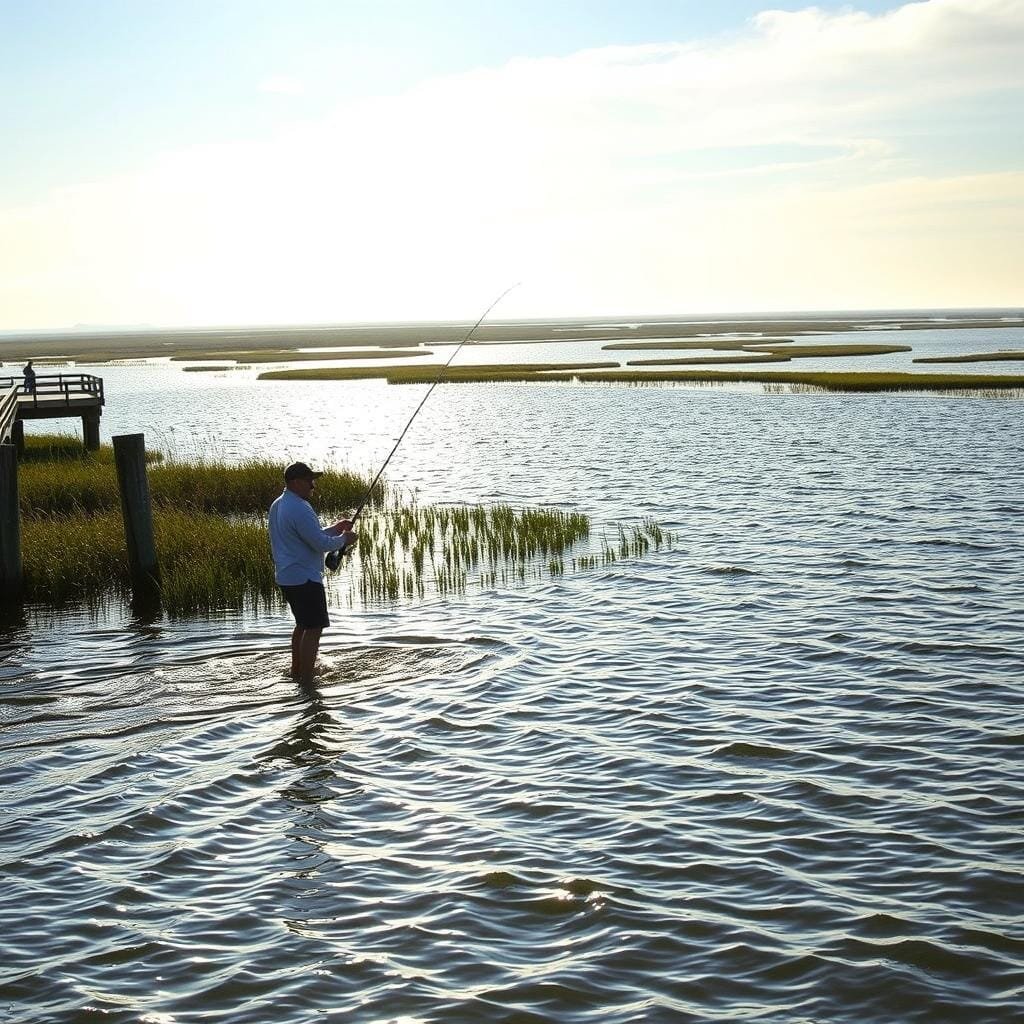
Fishing well starts with picking the right spot, like for black drum. Whether you’re new or experienced, using the right tech, reading the water, and knowing the local tips can help a lot. This can make finding black drum easier.
Using Technology to Your Advantage
Today, anglers have many tools to help them fish better. GPS and fish finders are key for finding where black drum like to be. By using these tools, you can find the best places to fish, like channels and oyster bars.
Reading the Water: Signs of Black Drum
Being good at reading the water is important for catching fish. For black drum, look for signs like water that’s been stirred up, fish tails showing, and lots of fish eating. Knowing these signs can make your fishing trip much better.
Benefits of Local Knowledge
Getting advice from local fishermen is very helpful. They know when and where black drum move, the best times to fish, and secret spots. Talking to locals can lead to more fish and better fishing trips.
Mastering the Art of Black Drum Fishing
For anglers aiming to achieve fishing mastery, understanding black drum fishing is key. Knowing black drum regulations and supporting conservation is vital. It ensures fishing is both sustainable and responsible.
Fishing records help set personal goals and check fish population health. Knowing size limits helps keep black drum numbers stable. It also lets future generations enjoy memorable catches.
| Regulation | Details |
|---|---|
| Minimum Size Limit | 14 inches |
| Maximum Size Limit | 27 inches (in some states) |
| Bag Limit | 10 black drum per person per day |
Conservation in fishing protects black drum and the marine ecosystem. Responsible angling helps the environment and keeps fishing traditions alive.
Practicing catch and release, like with large black drum, helps conservation. These big fish are important for breeding. They also have more worms, making them better for the species’ future.
Following these steps makes fishing more than just a hobby. It shows a commitment to our ocean’s health. This commitment benefits future generations of anglers.
From Catch to Kitchen: Cleaning and Cooking Black Drum
The journey from fishing to table starts with cleaning black drum. This is a key step to make the fish ready for a tasty meal. Smaller to medium-sized black drum are best for eating. They have less chance of having parasites.
First, scale, gut, and fillet the fish. Make sure to remove any parts you don’t want. This makes the fish taste better.
After cleaning, cooking black drum opens up many tasty options. The fish’s mild, sweet taste is great for many seasonings and cooking ways. You can grill, bake, or sauté it, making it a versatile dish.
| Cooking Method | Description | Best for |
|---|---|---|
| Grilling | Perfect for achieving a smoky flavor; best done over medium heat. | Entire fillets seasoned with herbs and spices. |
| Baking | Gentle, even cooking that preserves moisture; allows for flavor infusion. | Thick cuts of fish marinated or topped with a savory crust. |
| Sautéing | Quick, high-heat cooking that results in a crisp exterior and tender inside. | Small pieces or strips mixed into seafood pasta or a stir-fry. |
Choose any cooking method, and it will highlight the fish’s flavors. With some effort in fish preparation and creativity, your fishing to table experience with black drum will be amazing.
FAQs and Must-Knows for Novice Anglers
Welcome to the novice anglers’ guide. Here, you’ll find answers to black drum fishing FAQs. This section will help you start or improve your fishing skills.
Avoiding Fishing Mistakes
Understanding what not to do is key when fishing for black drum. Many new anglers make mistakes like using the wrong bait or fishing at bad times. Here’s how to avoid these mistakes:
- Choosing the wrong bait: Black drum love crustaceans like crabs and shrimp. The wrong bait can make your trip a waste.
- Ignoring peak times: Black drum are most active on cool, overcast days. Fishing in the sun can be less successful.
- Overlooking the importance of scent: These fish use their sense of smell a lot. Scented baits can attract them better.
By avoiding these mistakes, you’ll have a better chance of catching black drum.
Fishing Laws and Licenses
Following fishing laws and getting the right licenses is important. It helps keep fish populations healthy and the ecosystem balanced. Here’s what you need to know:
- Understand local regulations: Fishing rules change by location. Always check the rules for where you plan to fish.
- Purchase the appropriate license: Get the right fishing license, whether you live there or are visiting. It’s important for both the law and conservation.
Following these guidelines makes your fishing legal and ethical. It helps keep fishing a sustainable sport.
Tales from the Sea: Memorable Black Drum Catches
Every angler has a story that feels like a strong knot. These stories connect them to the sport they love. Black drum fishing stories are full of sea magic and the excitement of catching something big.
In Florida, near the Peace River and under the I-75 Bridge, a big catch happened. An angler, with help from Daryl and Bob, caught a huge black drum. It weighed 60 pounds and was 40 inches long. They used a special trick with a 10-pound test line and a shrimp on the hook.
To learn more about this and other amazing sportfishing tales, follow the link to read all the stories.
Many angler experiences show the value of never giving up, using smart strategies, and sometimes, a bit of luck. The success of the 17′ Carolina Skiff “Fat Point” shows the guide’s skill and the angler’s patience. These stories highlight the key to black drum fishing: skill, knowledge, and respect for the sea.
Whether you’re new to fishing or have been doing it for years, these stories inspire and teach. Every catch creates a story that is shared and loved. These stories are not just about winning; they are the heart of black drum fishing.