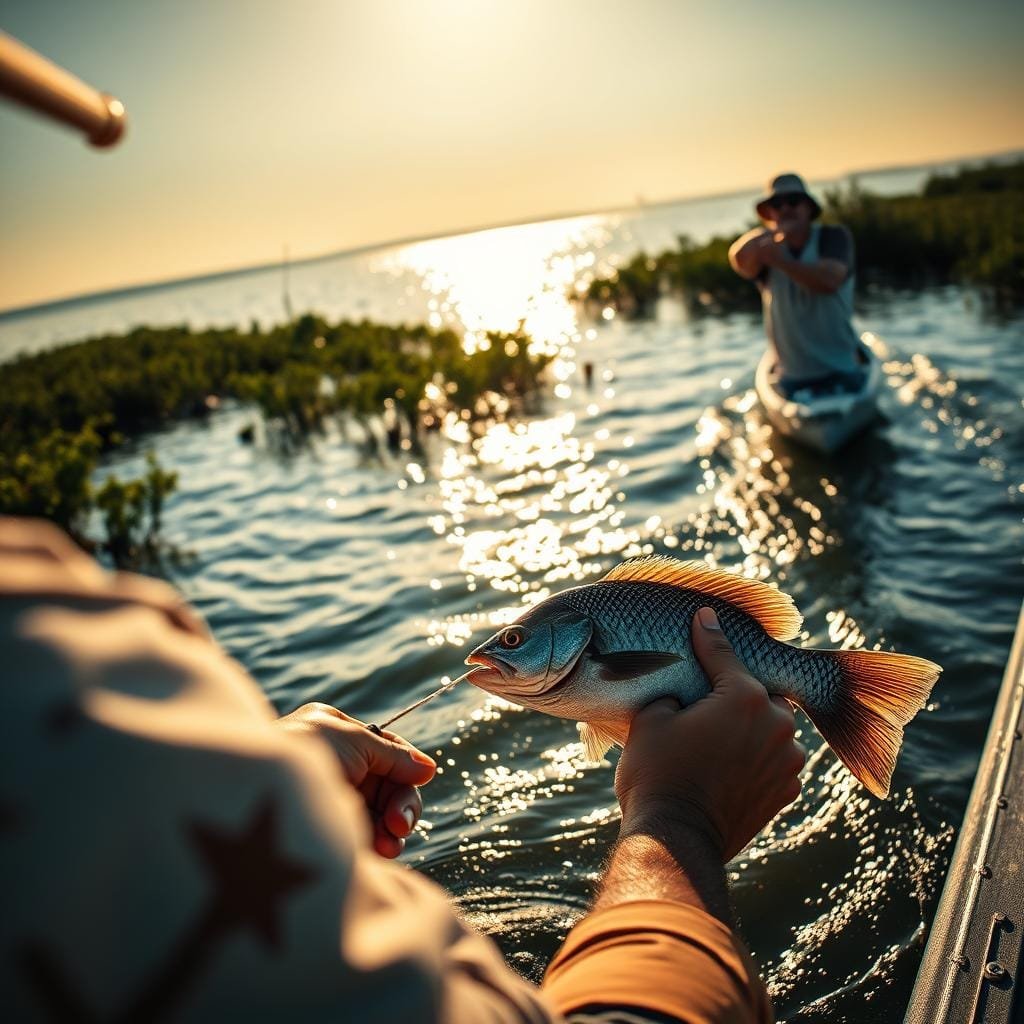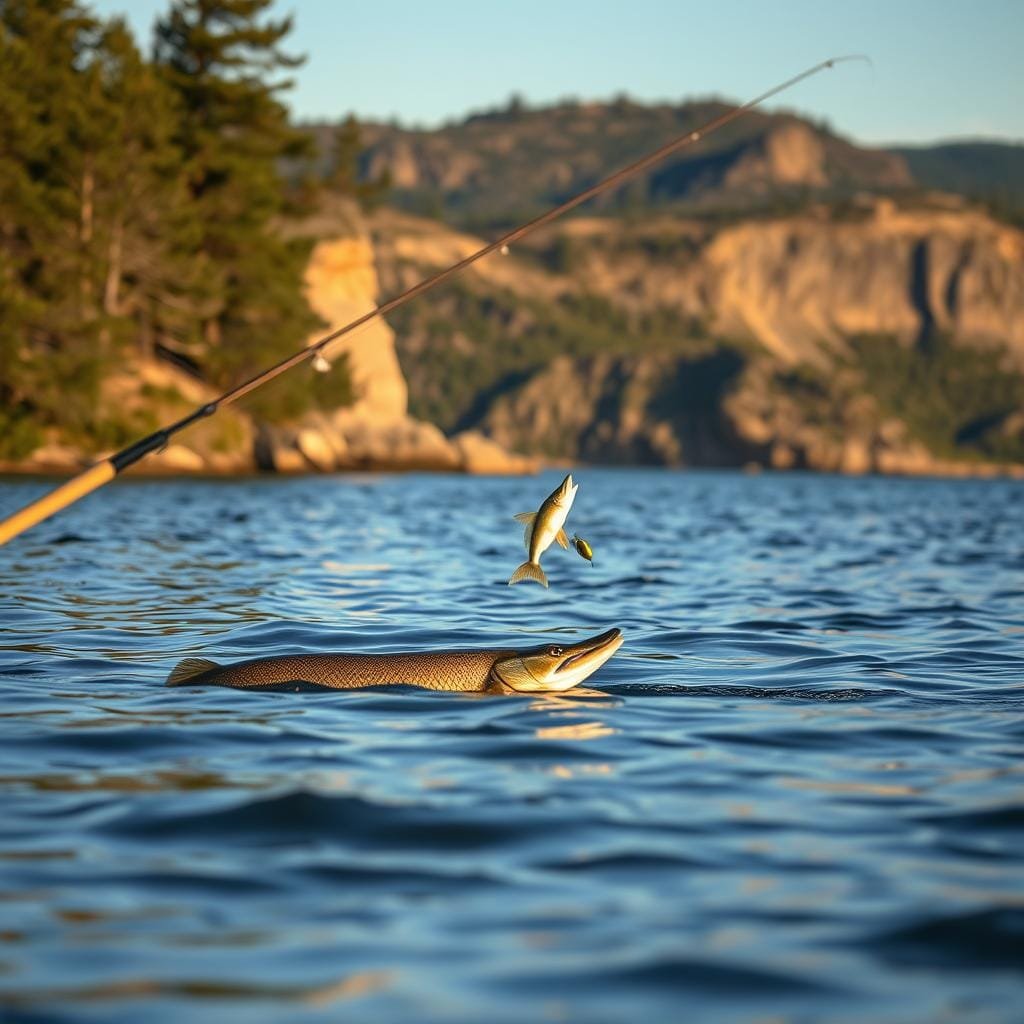
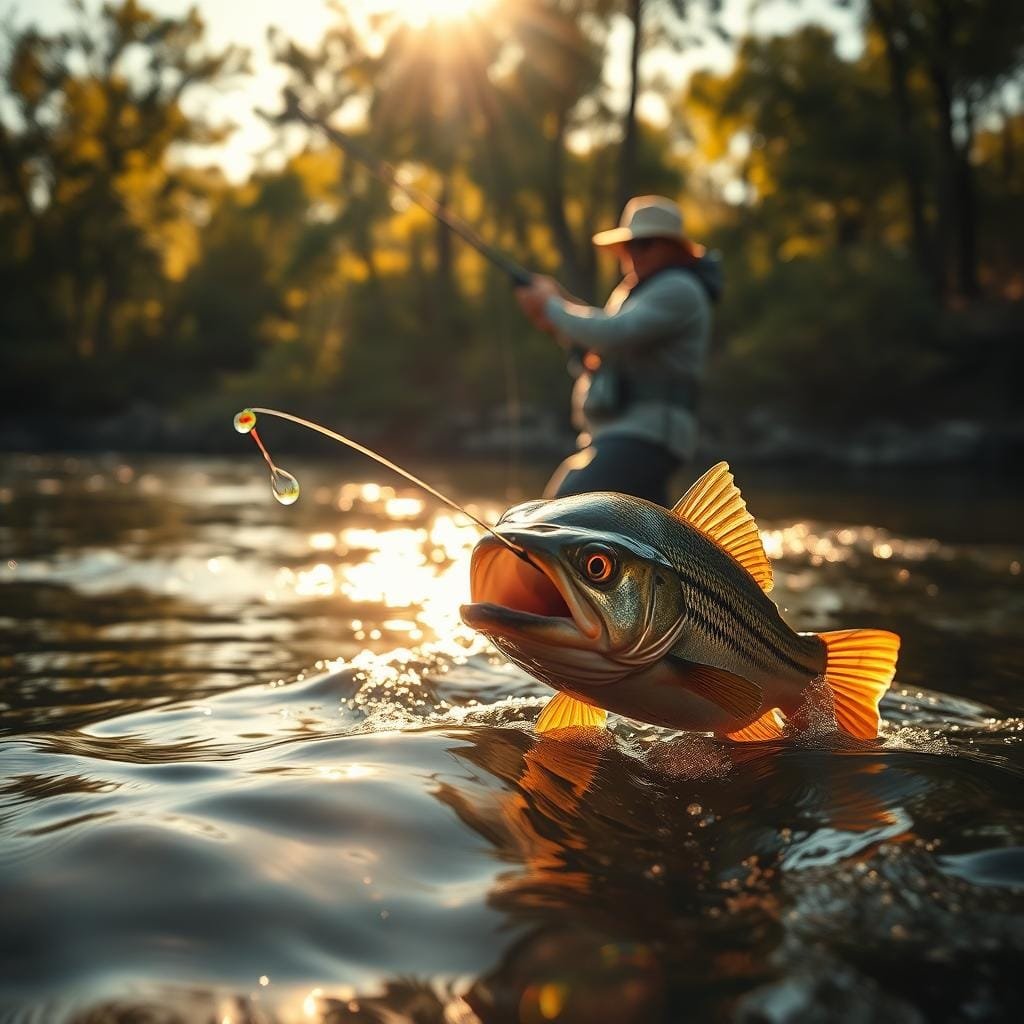
For those who love fishing, bowfin fishing techniques offer a special thrill. They connect us with an ancient fish species from long ago. These aggressive freshwater gamefish make fishing exciting.
The bowfin is like a fierce pit bull and a strong piranha. It fights hard and bites strong. They are a challenge in prehistoric fish angling methods. This draws people who want to feel connected to the past.
Bowfins are tough and have survived for ages. They live in special places. This calls to those who love fishing and want to protect the environment.
Introduction to Bowfin: North America’s Living Dinosaur
The bowfin goes back to the Jurassic period. It’s not just a fish; it’s a link to the past. Its strong body and bony head remind us of ancient times.
This fish is fascinating because it looks like its Jurassic ancestors. It also excites anglers with its strong fight.
The bowfin is often ignored in fishing, but it’s a real fighter. It strikes hard and jumps high, making it a challenge for anglers. Catching a bowfin is like finding a piece of history in the water.
To catch a bowfin, you need to know about them. They live in different places and have adapted over time. Learning about their homes and habits makes fishing better and shows respect for these old fish.
Understanding Bowfin Habitat: Where and When to Find Them
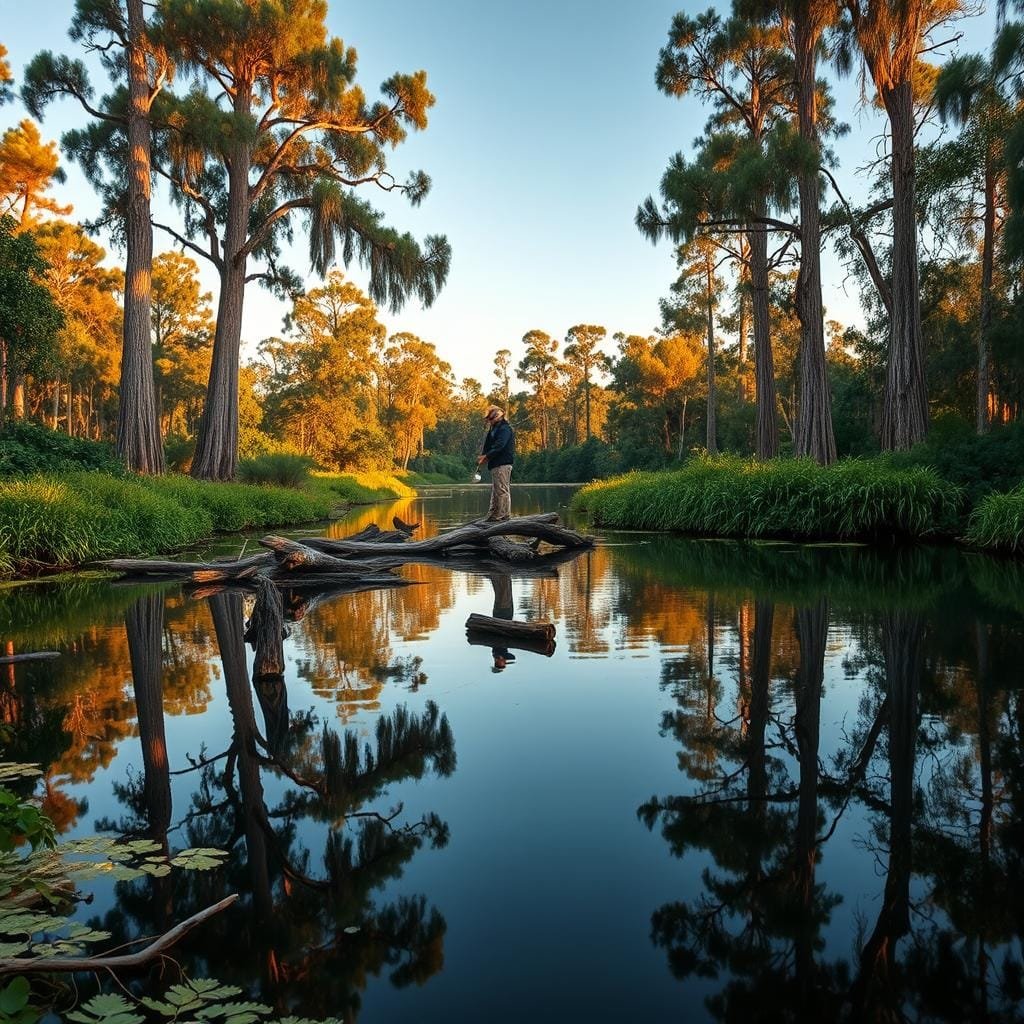
Learning about bowfin habitats is key for any fisher. Bowfin are tough and old-fashioned. They live in places that give them cover and what they need to survive.
Flooded Backwaters and Oxbow Lakes
Fishing in flooded backwaters and oxbow lakes is great for bowfin. These calm, green waters are perfect for them. They like thick weeds and places like stump fields or downed trees.
These spots protect them and are full of food. This makes them great places to find and catch bowfin.
Oxbow lakes are very quiet, making them great for finding bowfin. Look for signs like surface swirls and splashes. These show bowfin are gulping air.
Identifying Prime Bowfin Locations
- Look for water bodies with lots of aquatic plants.
- Search for natural debris like logs, fallen trees, and stump areas.
- Find spots with little current where bowfin can save energy.
Seasonal Patterns for Bowfin Fishing
The best times to fish for bowfin change with the seasons. The pre-spawn period, from late February to early March, is the best. During this time, bowfin move to shallower, swampy areas as the water warms up.
This is a key time for fishing. Bowfin are getting ready to spawn and are very active. This means there’s a good chance of catching them.
Knowing when and where bowfin are active makes fishing better. It also increases your chances of catching them. By understanding bowfin’s natural cycle, you can plan the best fishing trips.
The Best Gear and Tactics for Bowfin Fishing
Catching bowfin needs skill, patience, and the right gear. It’s key to pick gear that can handle these tough fish. The right rod, reel, hook, and line make a big difference in catching them.
Let’s look at how to choose the best tackle and tactics for bowfin fishing.
Choosing the Right Rod and Reel
For beginners, the rod and reel are very important. Use a medium-action rod to handle the bowfin’s fight. A slow tip helps prevent the fish from getting free.
A reel that can handle heavy weights is needed. It should have a strong drag system for the fish’s pulls.
The Importance of Selecting the Proper Line and Hooks
Choosing the right line and hooks is key. Use a 20-pound test braided line for its strength and durability. Attach it to a 20-pound monofilament leader for better invisibility in clear water.
For hooks, use light wire, wide-gap ones. They must be strong enough to catch the fish but not too heavy. This lets the fish throw the hook.
Knowing and using the right gear makes bowfin fishing better. These tips will help you catch these challenging fish.
How to Catch Bowfin: Bait and Lures That Work
To catch bowfin, you need the right baits and lures. These fish are tough but fun to catch. You’ll need to know about live baits and artificial lures to do well.
Live Baits vs. Artificial Lures for Bowfin
Choosing between live baits and artificial lures is key for bowfin fishing. Live baits, like minnows and frogs, look like real food to bowfin. Artificial lures, such as spinnerbaits, can make bowfin strike hard.
Top Lures and Baits for Bowfin
There are many baits and lures for bowfin, each good in different situations. Bright colors and movement are important for lures. Here are some top picks:
- Soft Plastics: Culprit Fat Max and Z-Man’s TRD on a VMC Wacky Jig are great. June Bug and Red Shad colors work well.
- Spinnerbaits and Chatterbaits: These are perfect for murky waters with lots of plants. They make lots of noise.
- Live Perch: Half a yellow perch on a bobber is simple but effective in calm waters.
Getting better at bowfin fishing means improving your technique and adjusting to the water. Live baits and artificial lures both have their strengths. Choose what works best for you.
Mastering the Art of Bowfin Fishing
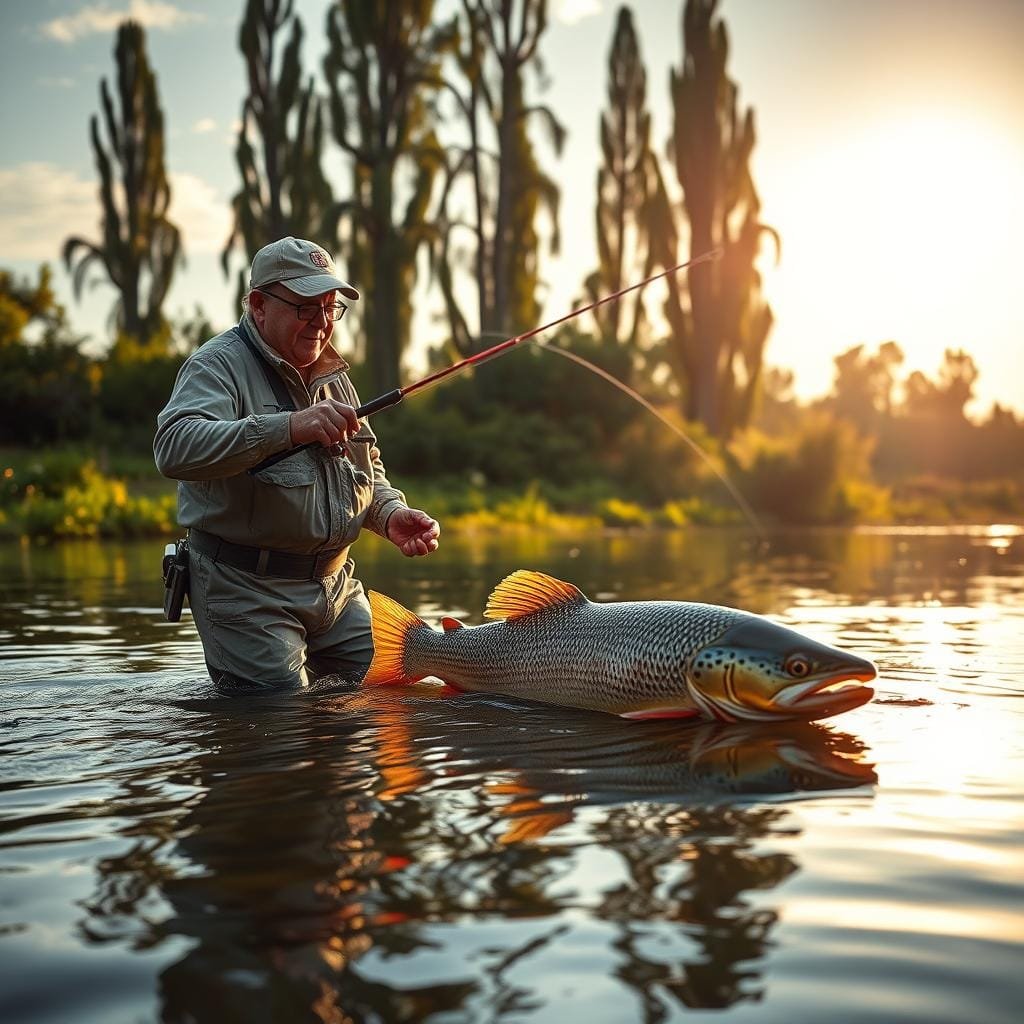
To catch more bowfin, you need to know how to fish for them. Learn about the fish and the best ways to catch them. This will make your fishing trips better.
For better bowfin fishing, use the right strategies. Know where they live, what they like to eat, and how to fish for them. Here’s how to improve your fishing:
- Learn about their home – know when and where to fish.
- Get the right gear – your equipment should handle bowfin.
- Be patient and precise – these are key when fishing for bowfin.
- Try different ways to reel in your line – this can make them bite.
Using these techniques will help you catch more bowfin. It will also make you a better fisherman. Bowfin fishing is fun and challenging for all skill levels.
Fighting and Landing a Bowfin: Techniques and Tips
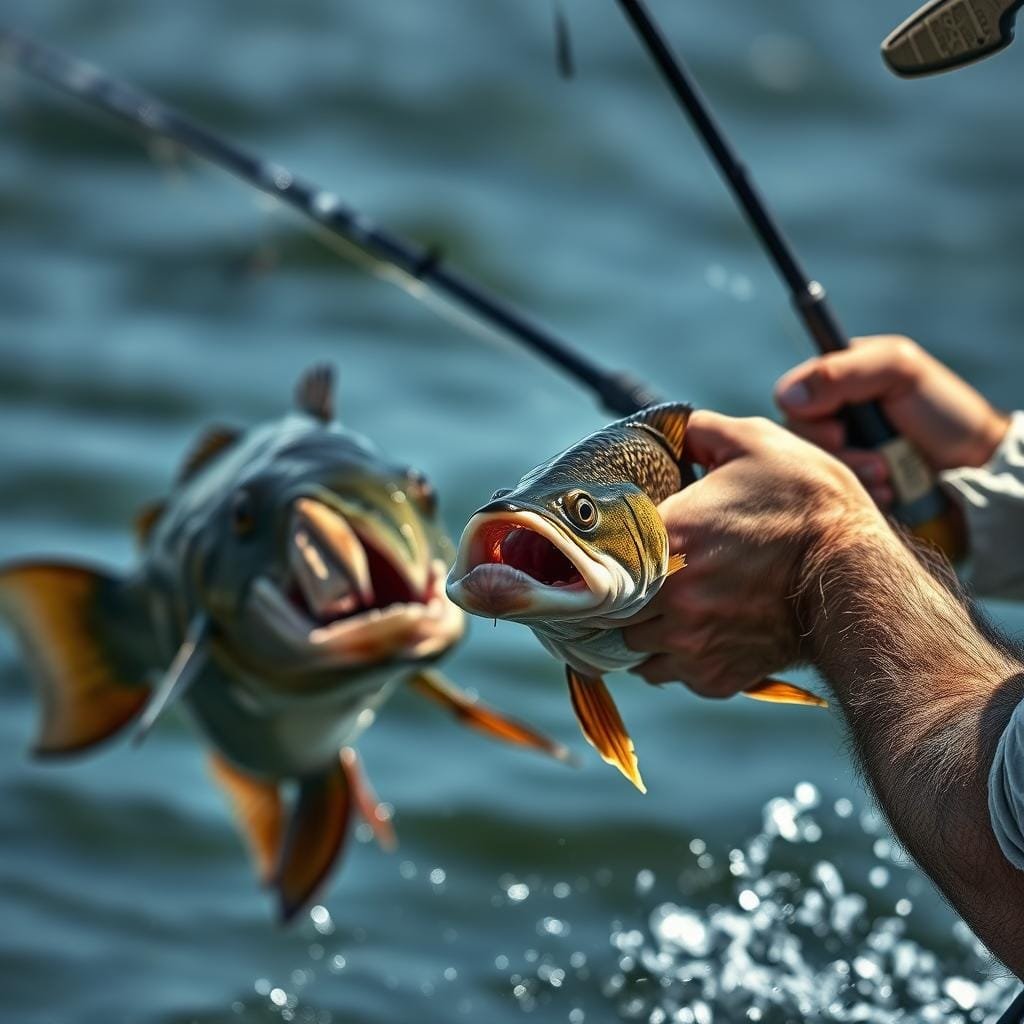
When you feel a bowfin tug on your line, get ready for a tough fight. Bowfin are strong and aggressive. To catch them, you need special bowfin fishing techniques. This guide will teach you how to handle their strikes and land them safely.
Handling Bowfin’s Aggressive Strikes
Bowfin strike hard and fast. Hold your rod tight and adjust the drag fast. Let the fish run a bit to avoid breaking the line.
This helps your gear and tires out the fish. Timing your hook set right is key. Too early, you might miss. Too late, you could lose the fish in underwater stuff.
Guide to Safely Landing and Releasing Bowfin
Catching a bowfin needs strength and smarts. Use a strong, big net to avoid damage. A sturdy net keeps the fish safe.
When you catch one, handle it carefully. Hold it behind the head to control it. Use fish grips to manage its moves.
After catching, release the bowfin quickly and gently. If the fight was long, revive it in water. Let water flow through its gills until it’s strong again.
Using these techniques will help you catch more bowfin. It also helps fishing stay sustainable. Each bowfin fight is unique. So, be ready, patient, and enjoy the catch.
Understanding Bowfin Behavior for Better Catch Rates
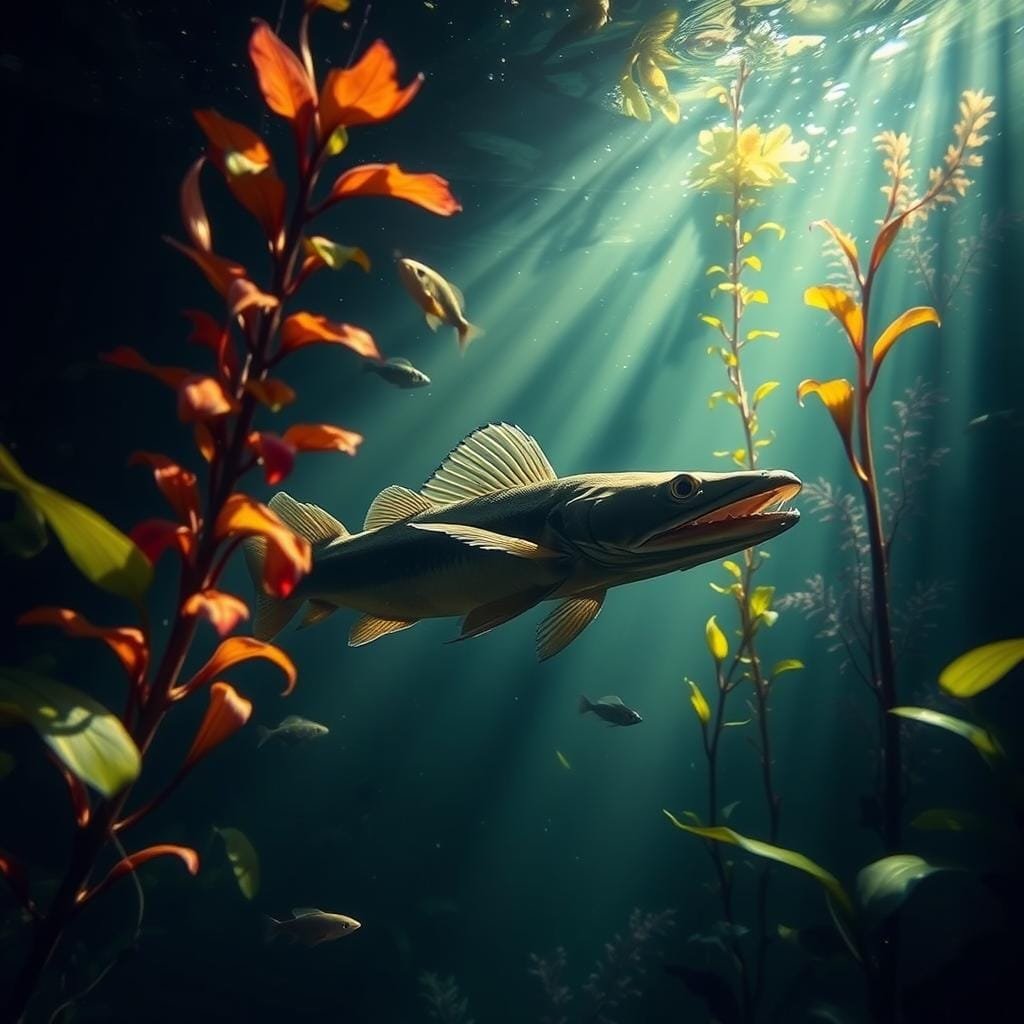
To catch more bowfin, you need to know how they eat. These fish have special ways of hunting. Learning these habits can help you catch more bowfin.
Watching bowfin eat at the surface is key. It shows they are hungry and ready to hunt. Knowing when and where they hunt helps you plan your fishing trips better.
Bowfin also like their own space. Using the right lures can make them very active. This means you might catch more fish.
- Monitor air-gulping to determine activity levels.
- Use lures that mimic natural prey within bowfin territories.
- Note environmental conditions that influence bowfin’s aggressive feeding behavior.
By matching your fishing to bowfin’s natural ways, you’ll catch more. Being patient and watching them helps a lot. This way, even a tough catch like bowfin can be easier.
Catching and Releasing Bowfin: Conservation Practices
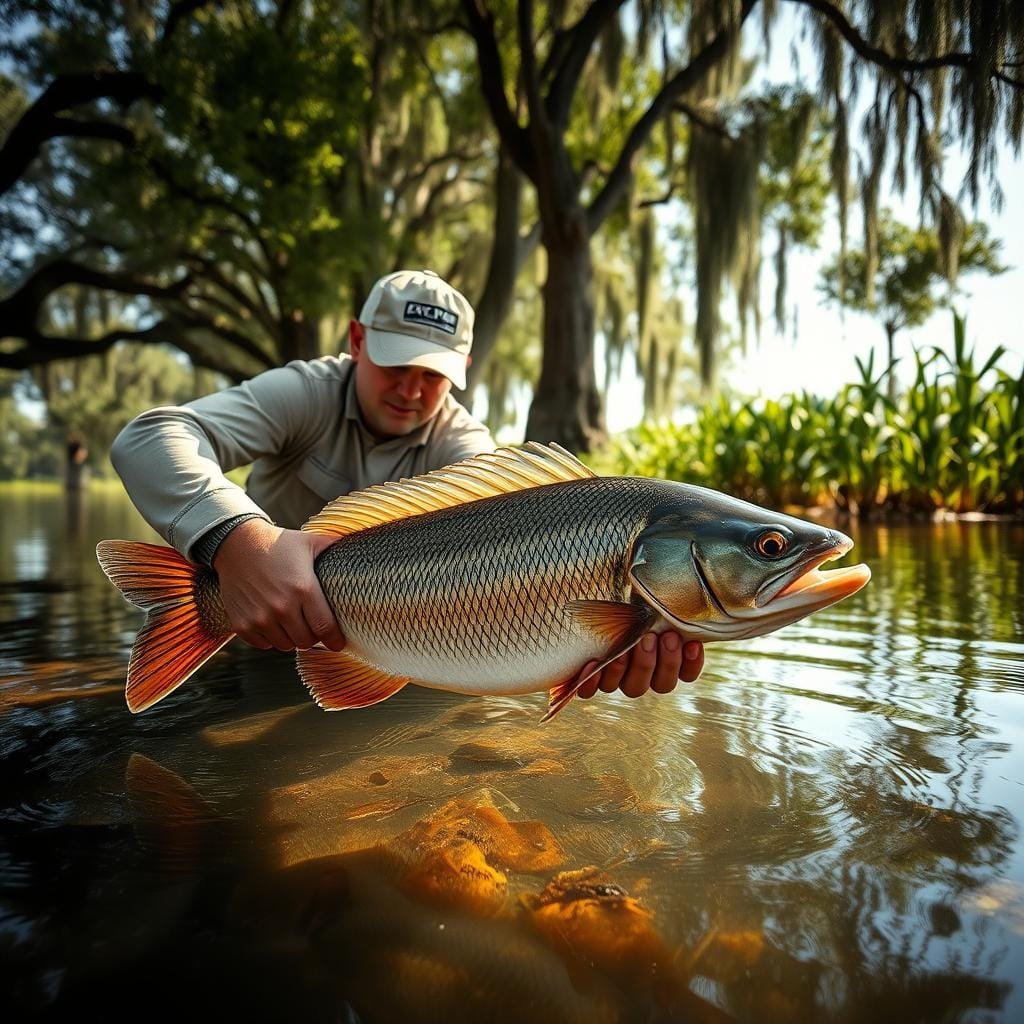
Practicing bowfin conservation is key to keeping our waters healthy. It shows respect for this old fish. Catch and release helps keep bowfin numbers steady without harming their homes.
The Importance of Catch and Release with Bowfin
Catch and release is vital for bowfin. It keeps their numbers stable. By releasing them, anglers help preserve these fish and our water’s diversity.
How to Properly Handle and Release Bowfin
How we handle bowfin is very important. We should use wet hands to protect their skin. Tools like pliers help remove hooks quickly and gently.
Teaching others about sustainable fishing is also important. It helps us all protect bowfin for the future.
Bowfin Fishing Challenges and How to Overcome Them
Anglers who fish for bowfin face many bowfin fishing difficulties. They must learn how to hook them right and stop them from fighting the hook. Here are some tips to help you overcome bowfin angling obstacles and make your fishing better.
To beat these challenges, you need to know how bowfin act and what they look like. They have hard mouths, so you need strong, sharp hooks. Try to hook them in the corners of their mouth for a better hold.
- Use lighter gear: It might seem odd, but lighter gear helps you feel their bite better. This means you can set the hook faster and firmer.
- Target vulnerable areas: Hooking them near their hard mouths can help you catch them more often.
- Adjust tactics based on conditions: Bowfin change how they act based on their surroundings. Changing your fishing style to match the environment can be key.
By using these strategies and staying determined, you can turn a tough day into a successful one. You’ll go from facing bowfin fishing difficulties to sharing stories of your victories.
Advanced Bowfin Fishing Techniques for Seasoned Anglers
For those who have mastered the basics of bowfin fishing, advanced techniques can boost their success. These methods are for seasoned anglers who want to catch more bowfin. They help make fishing more efficient and fun.
Sight Fishing for Bowfin in Clear Water
Sight fishing for bowfin in clear water is thrilling and challenging. It needs patience, precision, and knowing how bowfin behave. Spotting them before casting makes it exciting.
Using polarized sunglasses helps see them better. This increases your chance of catching one.
Utilizing Advanced Baiting Strategies
High-level baiting techniques make fishing even better. They use special baits and lures that bowfin find irresistible. In murky waters, artificial lures that move like real prey work well.
Live baits attract bowfin too. They come out of their hiding spots when they smell something tasty.
- Choose bright and noisy lures to get bowfin’s attention.
- Add natural scents to artificial baits to look like real prey.
- Put baits in places where they can be seen during sight fishing.
Using these advanced fishing methods can lead to more catches. It also makes fishing bowfin more exciting and rewarding.
Essential Safety Tips for Bowfin Fishing Adventures
Going on a bowfin fishing trip is exciting. But, safety is key when dealing with these strong fish. They have sharp teeth and fight hard, so you must be careful.
Use strong tackle that can handle the bowfin’s power. Also, think about using nets to land them safely. This helps avoid injuries and makes fishing more fun.
When fishing for bowfin, watch your surroundings closely. They live in weedy, low-oxygen waters. This can be tricky and even dangerous.
Be careful of the water and plants that hide things. Also, watch out for wildlife. Staying alert keeps you safe and makes your trip memorable.
When it’s time to take out the hook, be careful. Use long-nosed pliers or a special tool to avoid getting hurt by their teeth. Following catch and release rules is good for the fish and keeps you safe.
By following these tips, you’ll have a safe and fun bowfin fishing trip. You’ll have stories to tell, not about the ones that got away.