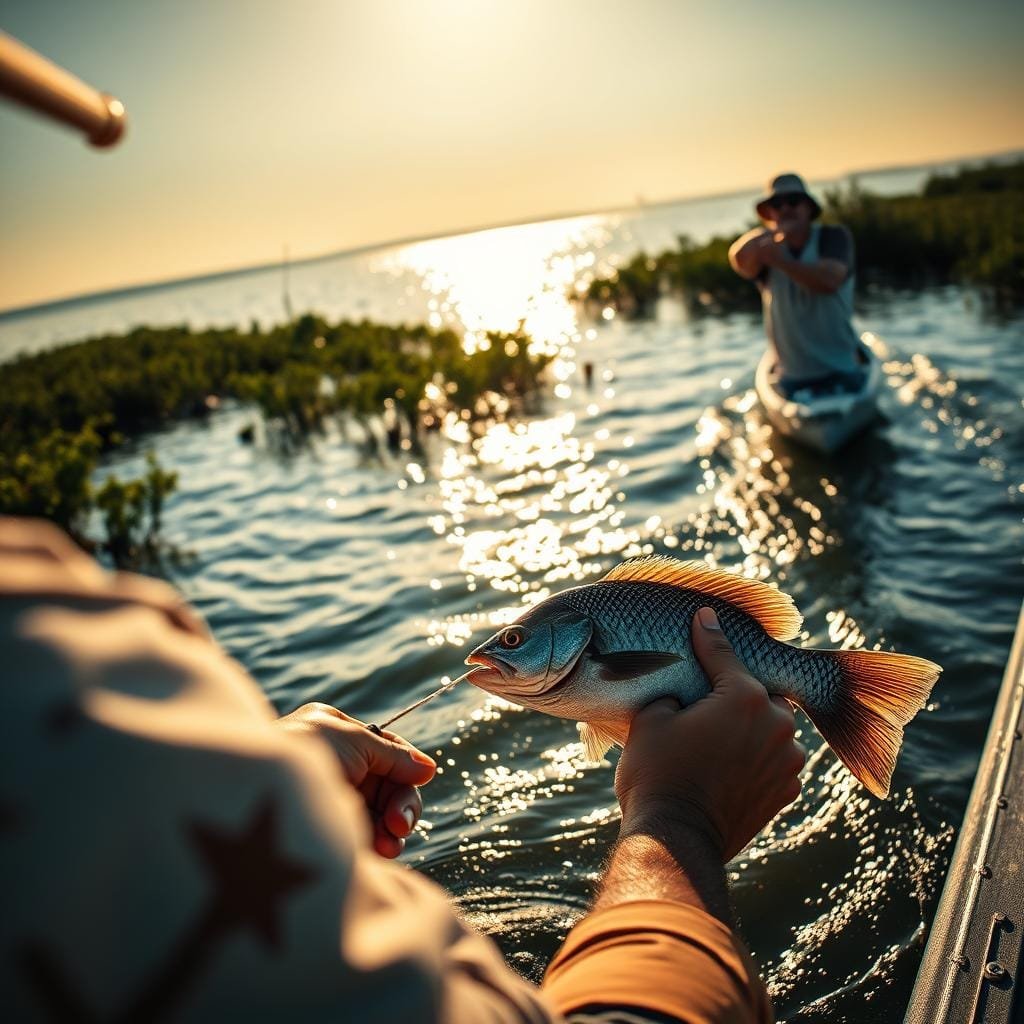
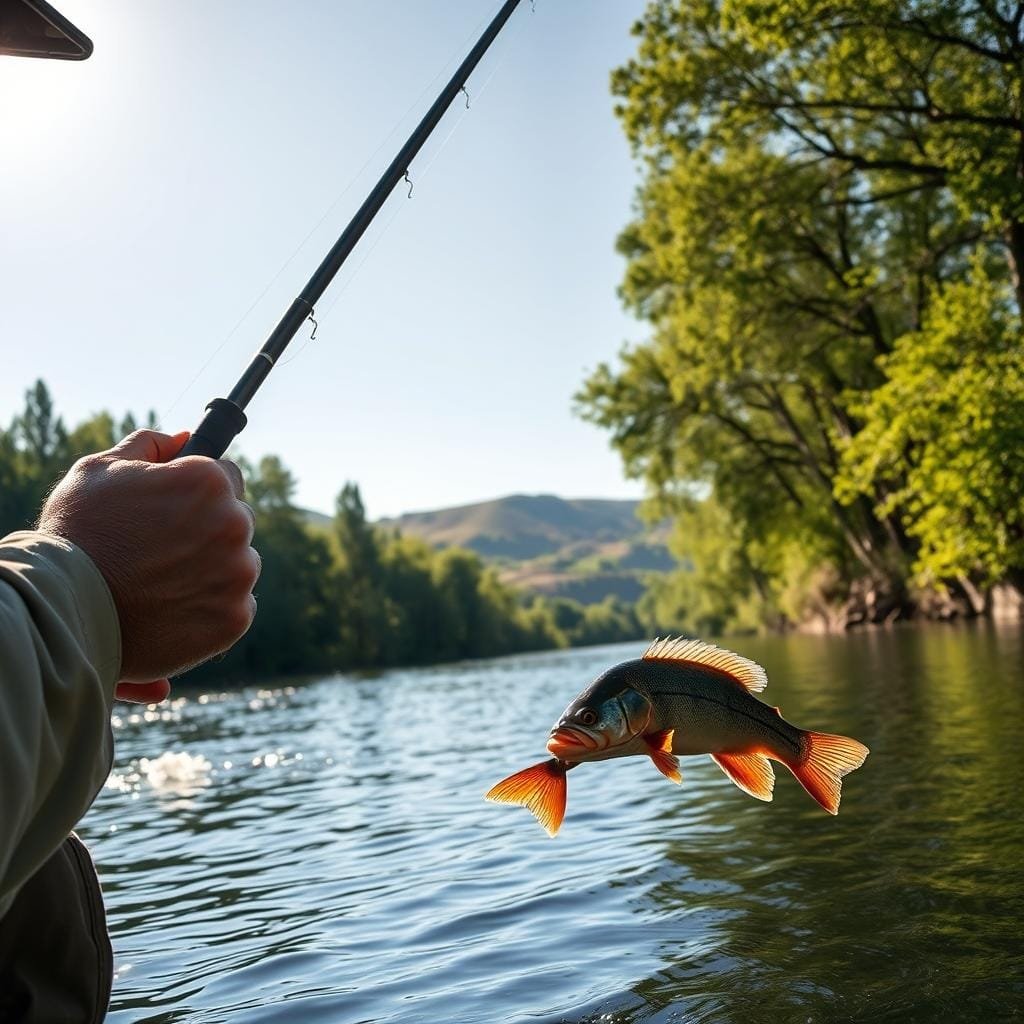
Welcome to the world of bullhead catfish angling. It’s as fun as it is rewarding. Bullheads are often overlooked, but they offer a unique fishing experience. They can spark a lifelong love for fishing in many.
Exploring bullhead catfish can be very rewarding. They are found all over North America and are easy to catch. Whether you’re new or experienced, fishing for them is always exciting. Let’s learn how to catch bullhead catfish and enjoy their tasty meat.
Understanding Bullhead Catfish Species
Bullhead catfish are found in many places in North America. They are tough and can live in different places. Knowing how to spot them and where they like to live can make fishing better.
Key Identifiers of Bullhead Catfish
To spot bullhead catfish, look for their wide heads and strong bodies. They have whisker-like barbels around their mouths. The yellow bullhead has light-colored barbels, while others have darker ones.
The Habitat Preferences of Different Bullhead Species
Each bullhead catfish likes different places to live. The black bullhead likes both dirty and clean water. The brown bullhead likes clear water with plants. The yellow bullhead likes water with lots of plants.
Size and Distribution Across the United States
Bullhead catfish are usually 8 to 14 inches long. They can be found from Montana to Mexico and in the Northeast. This means many people can fish for them.
Knowing how to find bullhead catfish and where they live is key for fishing. Below, a table shows the main features and homes of different bullhead catfish. It helps you know each species better.
| Species | Identifier | Preferred Habitat | Average Size (inches) |
|---|---|---|---|
| Black Bullhead | Dark barbels | Various waters, adaptable | 8-14 |
| Brown Bullhead | Light brown barbels | Clear, vegetated waters | 10-14 |
| Yellow Bullhead | Yellow or white barbels | Dense vegetation | 10-15 |
Bullhead Catfish Behavior and Feeding Habits
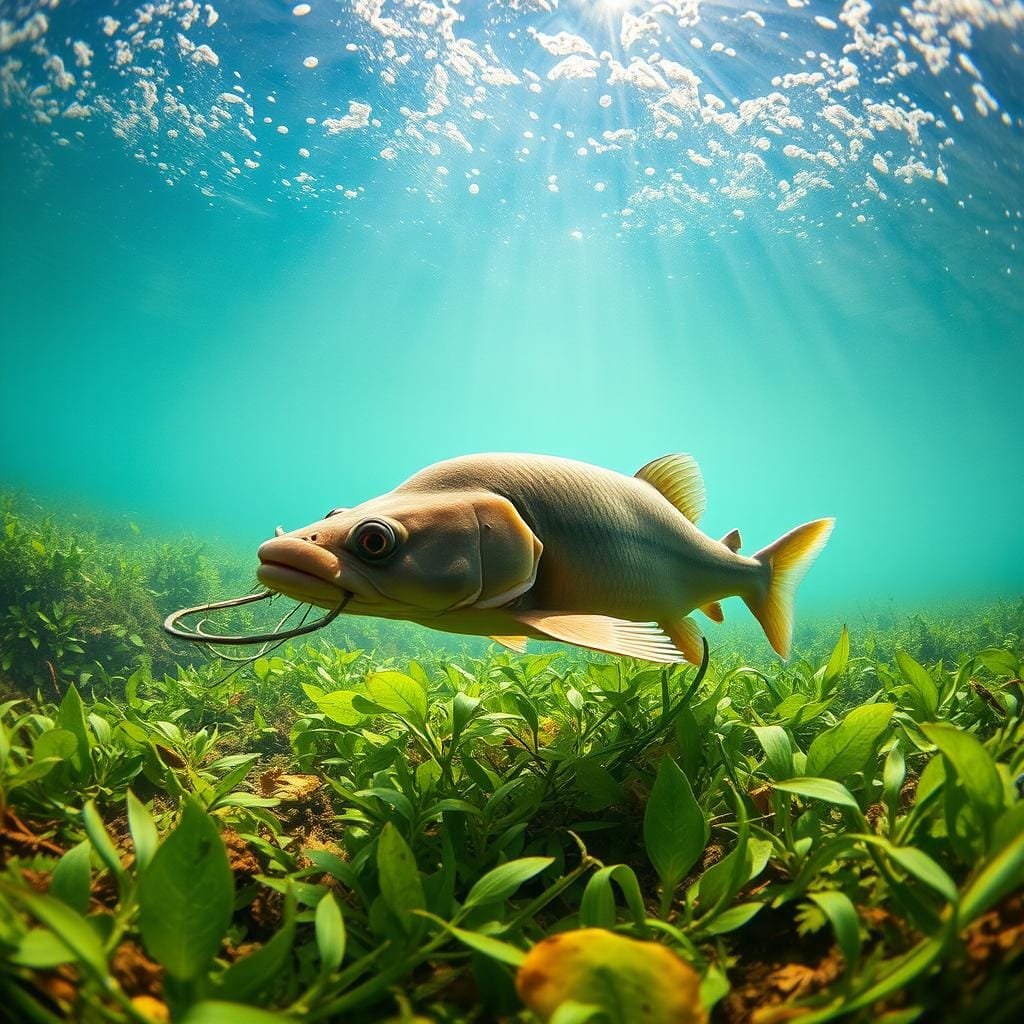
Knowing how bullhead catfish behave and eat is key for anglers. They are most active at night, which helps them find food in different places.
At night, bullhead catfish hunt better. They use the dark to sneak up on their prey. This helps them avoid being caught by other animals.
Nocturnal Feeding Patterns
Bullhead catfish eat best at night. Anglers should fish from dusk to dawn. The dark water makes it easier for them to find food.
Bullhead Diet: What These Fish Love to Eat
Bullhead catfish eat a lot of things. They are omnivores, which means they eat plants, insects, small fish, and even crayfish. They will also eat shrimp and other meats.
| Prey Type | Common Examples | Significance in Diet |
|---|---|---|
| Invertebrates | Snails, insect larvae | Provides essential proteins |
| Small Fish | Minnows, small perch | Important for growth and energy |
| Plant Material | Algae, small aquatic plants | Supplements dietary needs |
| Additional Items | Lunch meats, shrimp | Opportunistic feed, when available |
Bullhead catfish can eat many things. This shows how well they can survive and grow in different places.
Choosing the Right Gear for Bullhead Catfishing
When you go bullhead catfishing, the right gear is key. It doesn’t matter if you’re new or experienced. Knowing what bullhead catfishing gear you need can make your trip better. This part will help you pick the best fishing tackle for bullhead for your next fishing trip.
Light to Medium Action Rods and Reels
Choosing the right rods and reels is very important. Go for light to medium action rods. They help you feel when a bullhead bites.
Pair these rods with spinning or baitcasting reels. This combo is great for bullhead catfishing. It helps you feel bites better and set hooks well.
Line, Hooks, and Sinkers Recommendations
It’s also key to pick the right recommended fishing line, catfish hooks, and sinkers. Use a 6 to 10-pound test line. It’s sensitive and strong enough.
For hooks, size 4 bait hooks are best. They’re just right for bullheads. Your rig should have a small egg sinker. This lets the line move until it stops at the swivel. It makes bites easier to see.
This guide helps you choose the right gear for bullhead catfish. With the right rods, reels, line, hooks, and sinkers, you’re ready for a great trip. The right gear really makes a difference!
Effective Bait Selection
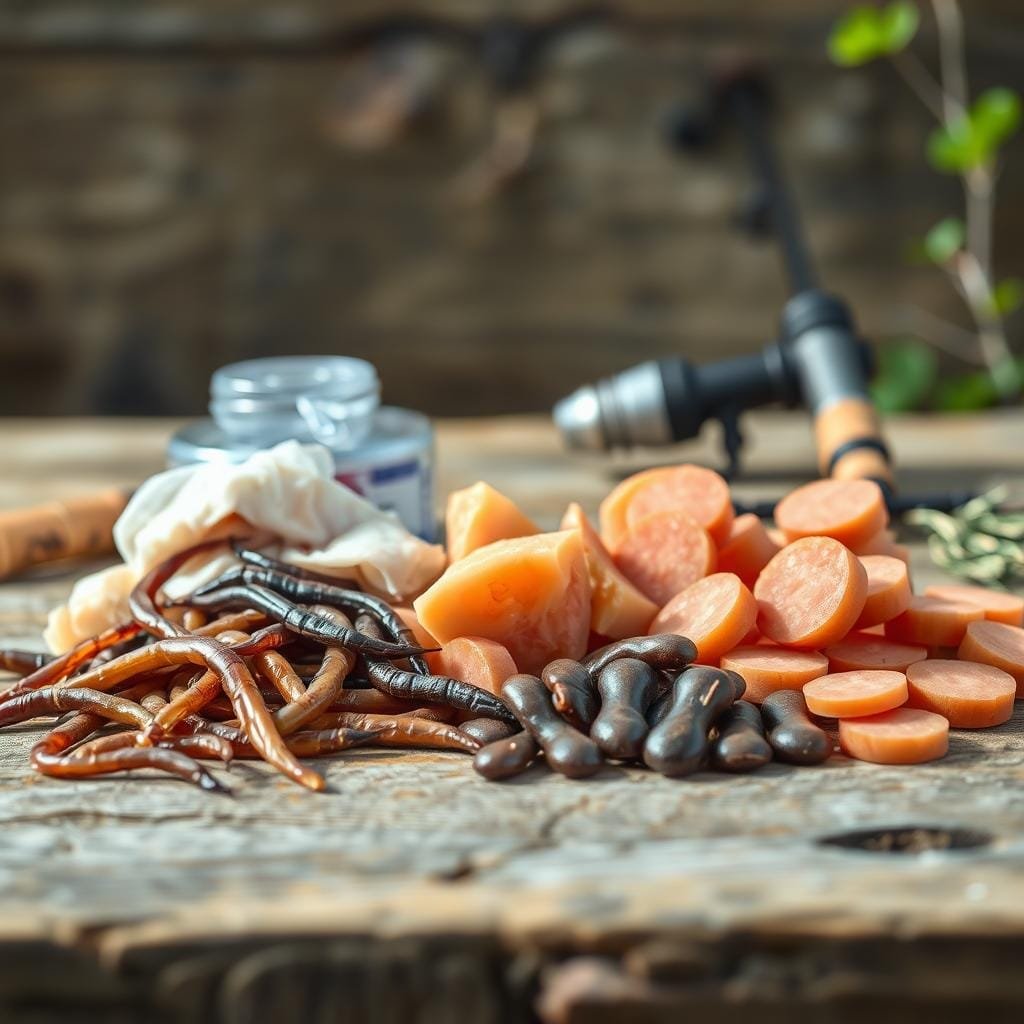
To catch bullhead catfish, anglers need to pick the right bait. They can use natural or special baits. These baits work well because bullhead catfish have a strong sense of smell. They also eat almost anything.
We will talk about live bait for catfishing. We will also compare homemade dough baits and store-bought catfish bait.
Live Baits: Worms, Minnows, and More
Live bait is the best way to catch bullhead catfish. You can use minnows, worms, leeches, and small fish. These baits look and smell like real food.
They also move and make vibrations. This attracts bullhead catfish because they love to eat.
Homemade and Store-Bought Dough Baits
Dough baits are another good choice. You can make your own or buy it. Homemade baits often have cheese, garlic, and flour.
They smell great to catfish. Store-bought baits are easy to use and smell good too. They are a good choice for busy anglers.
Best Fishing Techniques for Bullhead Catfish
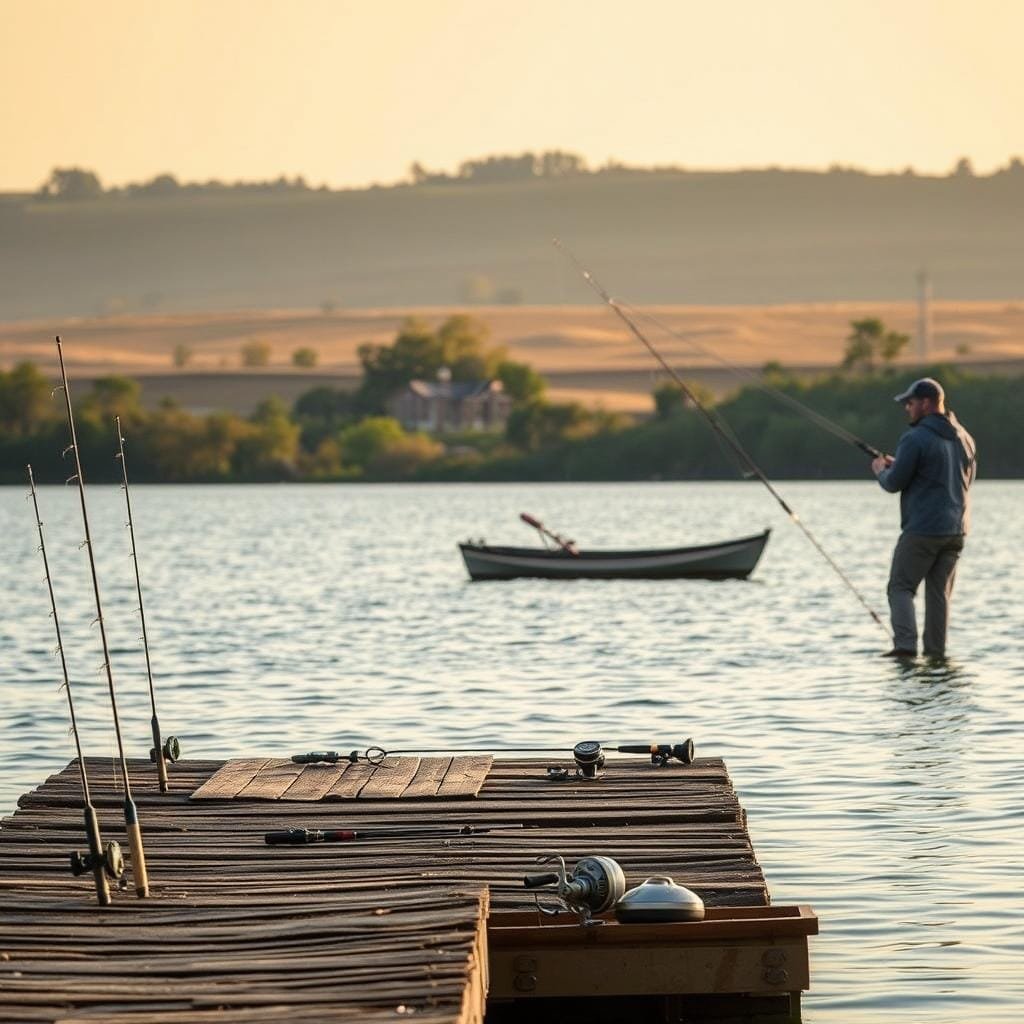
Learning to catch bullhead catfish can make fishing more fun. We’ll look at catfishing methods like stil fishing for catfish and drift fishing. We’ll also share tips to help you catch more.
Stil fishing is great for both new and experienced anglers. It’s a calm way to fish for bullhead catfish. You just sit and wait for a big pull on your line.
Drift fishing is for those who like action. It’s perfect for fishing in streams and rivers. Bullhead catfish are more active in moving water. For more drift fishing tips, check out these valuable drift fishing tips.
Here’s a table showing the main differences between fishing techniques for catfish:
| Technique | Environment | Key Benefit |
|---|---|---|
| Stil Fishing | Lakes, Ponds | Simplicity and Relaxation |
| Drift Fishing | Streams, Rivers | Active Engagement, Covers More Area |
Whether you like the calm of stil fishing for catfish or the excitement of drift fishing, both are good. They make fishing fun and rewarding. Always fish responsibly to help keep bullhead populations healthy for the future. For more tips, read on about catfishing methods.
Identifying Prime Bullhead Fishing Spots
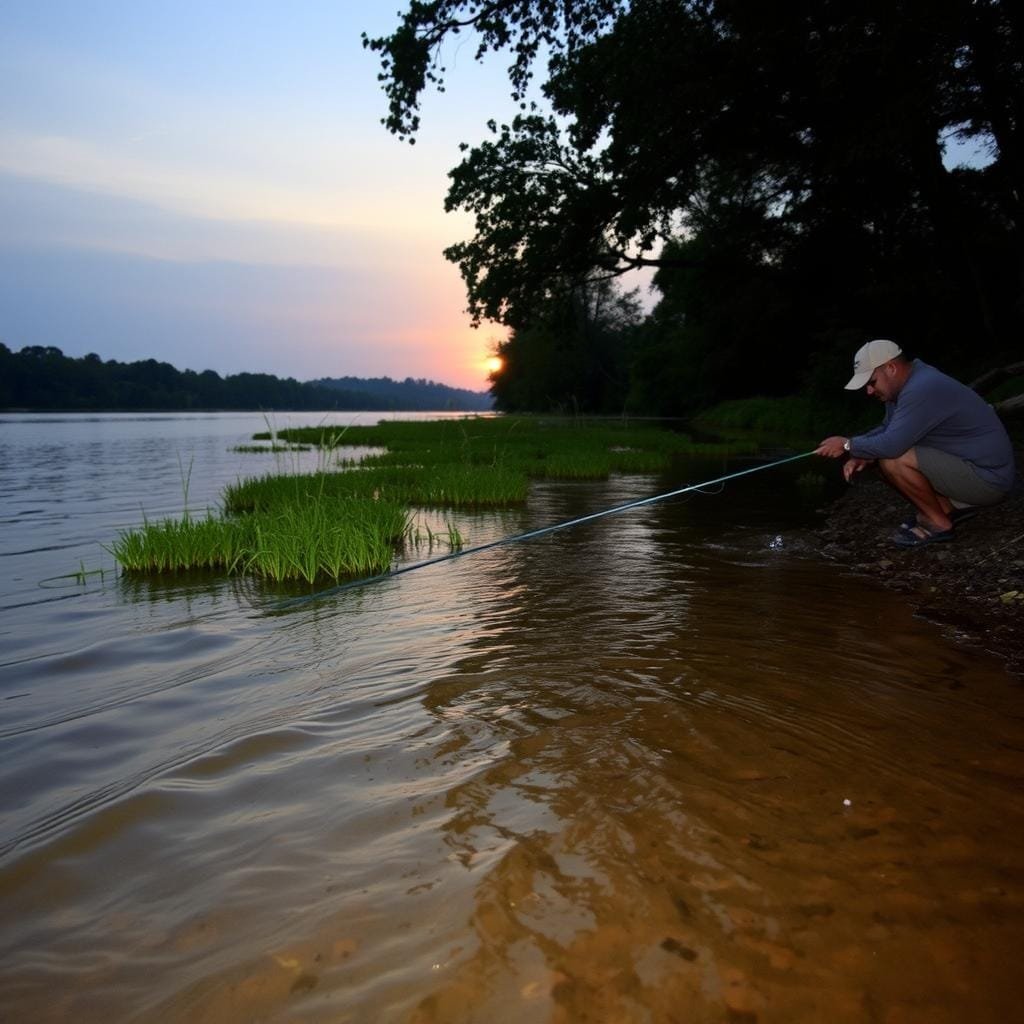
Finding the best places to fish for bullheads is a mix of knowing water structure and where to find catfish. Anglers looking to catch these tough fish need to know where to go.
Shallow, weedy areas are full of life, giving bullhead catfish lots to eat. These spots, like lake edges or river overgrowths, are great for bullheads. They have lots of cover, helping the fish stay safe during the day.
Also, water structure is key for catching bullhead catfish. Things like logs, boulders, and man-made structures are perfect for bullheads to hide. At night, these spots are even better because bullheads are more active and come out to eat. Knowing about these spots can really help you catch more fish.
| Feature | Description | Benefits to Bullhead Anglers |
|---|---|---|
| Weedy Areas | Dense vegetation in shallow waters | High availability of prey and cover |
| Submerged Logs | Logs and tree branches under water | Natural ambush points for feeding |
| Rocks and Boulders | Large rocks and boulders in or near the waterbed | Creates eddies and calm spots ideal for bullhead to dwell |
How to Catch Bullhead Catfish
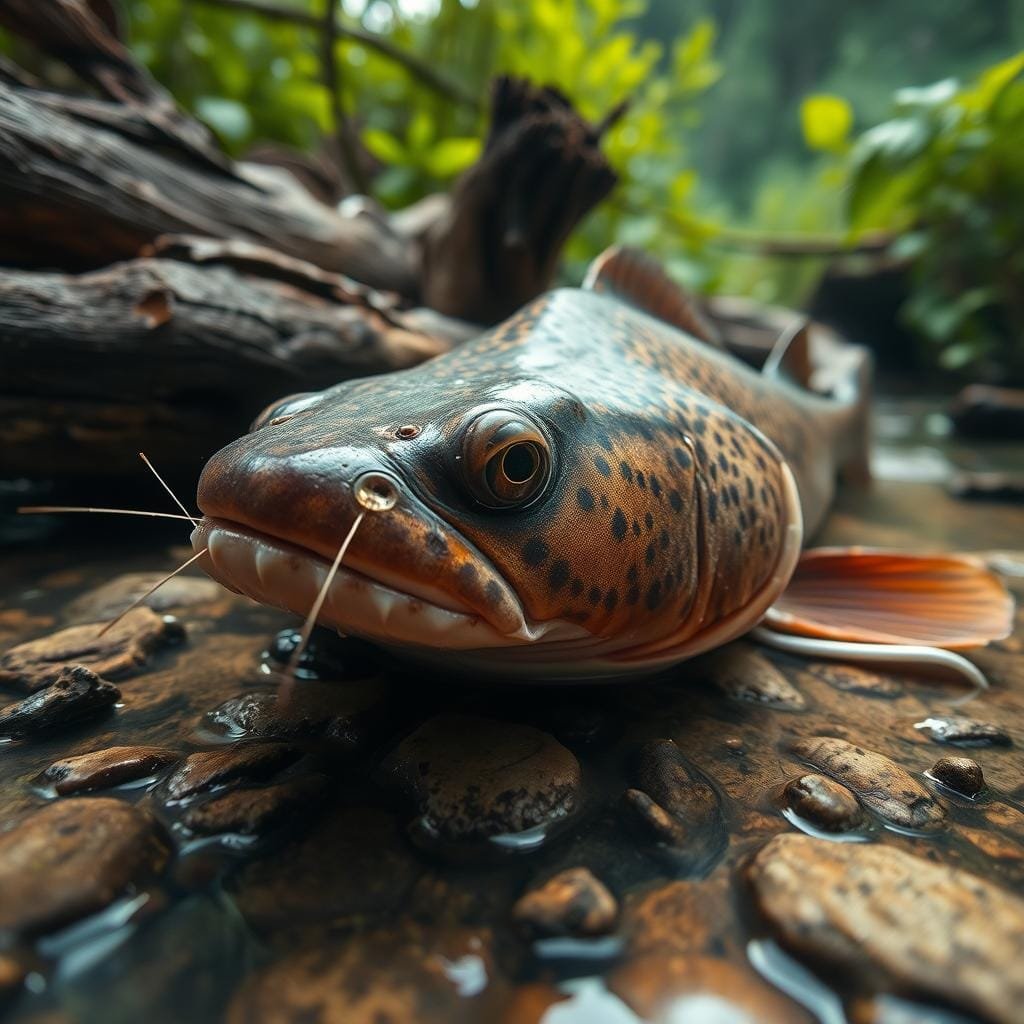
To catch bullhead catfish, you need a simple setup. Use a light- to medium-action rod. Add an egg sinker and a size 4 bait hook. These fish like many baits, from worms and minnows to bread and corn.
The best places to fish for bullheads are deep creeks and quiet backwaters. They are most active at night. So, fish around dusk when it’s less light.
For more tips, check out Minnesota’s Department of Natural Resources. They have advice for all anglers.
| Bait Type | Pros | Cons |
|---|---|---|
| Worms | Highly attractive to catfish, readily available | Can be stolen by smaller fish |
| Minnows | Mimics natural prey, effective in various conditions | Requires proper storage to keep alive |
| Kitchen Baits (bread, corn) | Economical and easy to obtain | Less appealing in highly fished areas |
Each bait has its own good and bad points. Pick the right one for your fishing spot. Knowing when and where to fish is key to catching bullhead catfish.
Caring for Your Catch: Proper Handling and Release
When you catch a bullhead catfish, how you handle it matters a lot. It helps the fish live and keeps fishing good for everyone. Here are key tips on how to handle bullhead catfish safely and release them well.
How to Handle Bullhead Catfish Safely
Handling bullhead catfish needs care because of their sharp spines. To avoid getting hurt, hold the fish behind its fins. This helps both you and the fish stay safe.
Tips for Catch and Release Fishing
For a good fish release, use the right methods. This keeps the fish healthy when it goes back in the water. Choosing the right hooks and baits is very important.
| Technique | Description | Benefits |
|---|---|---|
| Using Jigs | Opt for jigs over plain hooks to lessen the chance of gut-hooking. | Reduces injuries and increases survival rates after release. |
| Larger Baits on Floats | Employ larger baits under floats to ensure hooks are taken shallowly. | Ensures easier removal of hooks, contributing to swift and less stressful releases. |
| Circle Hooks | Utilize circle hooks which tend to hook the fish in the corner of the mouth. | Minimizes harm and facilitates quick release back into the environment. |
Using these catch and release methods helps bullhead catfish survive. It keeps fish numbers healthy. This way, fishing stays fun for everyone without harming the water.
Night Fishing for Bullhead Catfish
Night fishing for bullhead catfish is exciting because they are most active at night. It’s a great time for anglers to catch a lot of fish. To catch bullhead catfish at night, you need the right setup and to use lights well.
Setting Up for Successful Nighttime Ventures
Choose places where bullhead catfish are known to be, like riverbanks or piers. Make sure your fishing setup is stable. This helps you fish better in the dark.
Having a comfy chair and a strong rod holder makes fishing more fun. It also keeps you from getting tired.
Utilizing Lights and Baits to Attract Fish
Lights are key to catching catfish at night. They draw in insects and baitfish, which attract bullhead catfish. Submersible lights are best because they light up a big area underwater.
Choosing the right bait is also very important. Live baits like worms or scented baits work well. They help bring bullhead catfish to your hook.
| Feature | Importance | Example Tools |
|---|---|---|
| Location | Highly important for safety and fish availability | Piers, Riverbanks, Lakeshores |
| Lights | Essential to attract fish | Submersible and floating lights |
| Baits | Crucial to lure bullhead catfish | Live worms, scented dough baits |
Using lights well and choosing the right bait are key to catching bullhead catfish at night. By focusing on these, you can have a great time fishing at night.
Seasonal Patterns: When to Fish for Bullhead
Knowing seasonal fishing patterns is key for catching bullhead catfish. Bullhead catfish act differently with the seasons. This changes how you fish to catch them.
Fishing in Spring: Spawning Season Tactics
Spring is great for bullhead seasonal fishing. It’s because of the spring spawning tactics. Bullheads move to shallower waters to spawn, making them easier to catch.
Look for them near creek mouths and under submerged boulders. They fiercely guard their spawning areas.
Summer vs. Winter: Adjusting Your Approach
Summer and winter fishing for bullheads are very different. In summer, bullheads spread out and feed a lot. You need to use different fishing methods like drift fishing or jigging.
In winter, bullheads go deeper to stay warm. Ice fishing works well because they gather in deep areas of ponds and lakes.
Adapting to these changes can make your fishing trip better. It’s important to follow the natural cycles of bullhead catfish.
Preparing Bullhead Catfish for the Table
Turning bullhead catfish into a tasty meal needs skill and knowledge. This part will teach you how to clean catfish and share some great recipes.
Cleaning and Skinning Tips
When cleaning bullhead, be careful because of their sharp spines. First, cut off the fins with strong scissors. Be careful of the barbs.
To skin the catfish well, make a shallow cut behind the gills and along the belly. Then, use pliers to pull back the skin. This way, you keep all the good parts for cooking.
- Cut behind the gills for initial incision
- Use pliers to pull back the skin firmly
- Remove innards and rinse the cavity clean
Simple and Delicious Bullhead Catfish Recipes
After preparing the catfish, it’s time to cook it. A popular way is to make a cornmeal breading mix. Add spices like paprika, garlic powder, and a bit of cayenne for extra flavor.
Dip the cleaned fish fillets in this mix and then deep fry them until they’re golden. This method brings out the fish’s natural sweetness, making it a hit in many recipes.
- Combine cornmeal, flour, and spices for breading
- Heat oil to 375°F (190°C) for frying
- Cook until the coating is crispy and golden brown
Conservation and Ethical Practices
As anglers, we must take care of the ecosystems we love. Bullhead catfish are tough and common in the U.S. But we need to fish responsibly to keep their numbers up. This means handling them gently from catch to table.
It’s also key to let bullheads clean themselves in a bucket before putting them in a livewell. This keeps the water clean and helps the fish stay healthy.
We must follow state rules about bullhead catfish. These rules help keep local fish healthy and stop invasive species. If you plan to eat your catch, ice it right away. This keeps the fish fresh and treats it humanely.
For those who catch and release, how you do it matters a lot. Gently handling and quickly returning bullheads to the water keeps their populations strong. These actions help us enjoy fishing now and in the future.