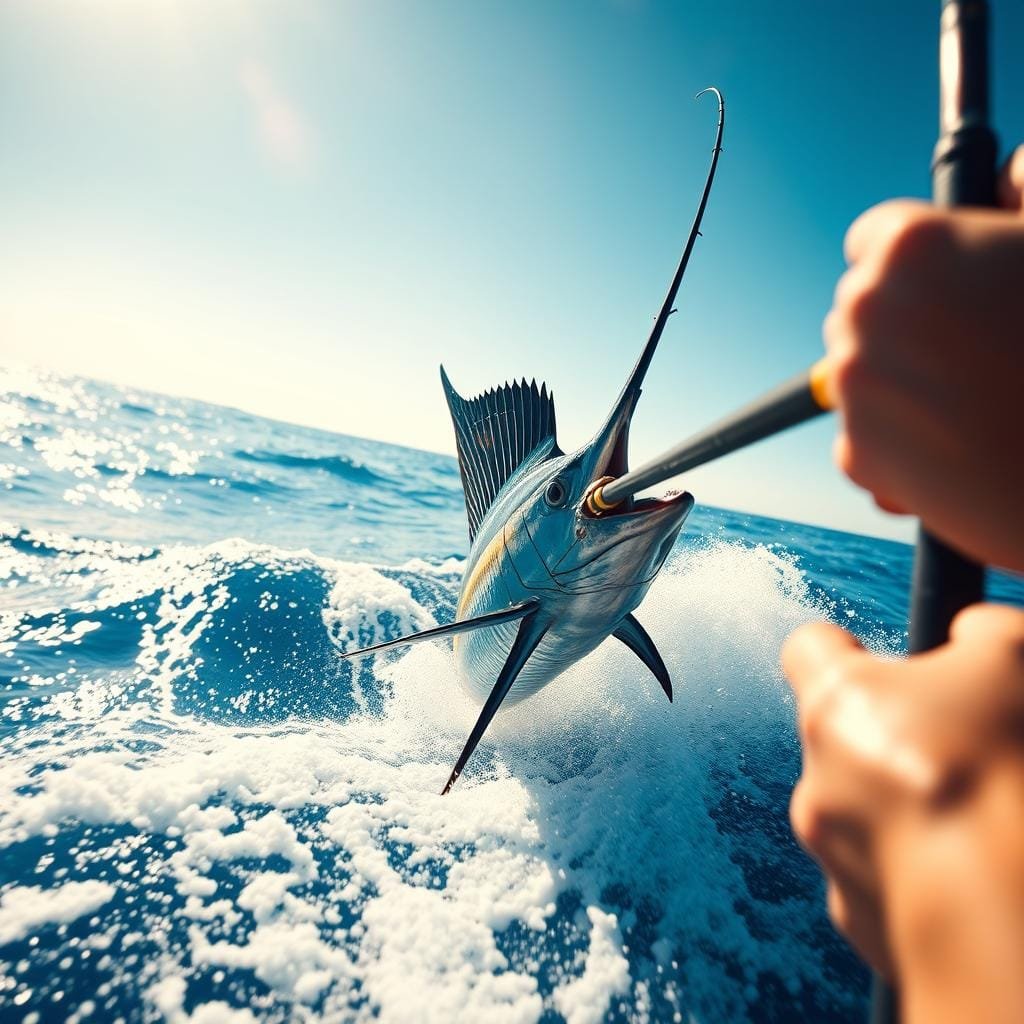
For those who love offshore angling, sailfish are a thrilling challenge. They are fast and show off in the air. To catch them, you need special sailfish angling techniques.
Whether you’re an expert or just starting, this angling guide will help you. It teaches you how to fish like a pro. You’ll learn to troll with bait and use special gear to catch them.
Using top-notch gear makes fishing better and helps you catch more sailfish. Fishing for sailfish is about sportsmanship and caring for the sea. It’s a chance to catch the biggest fish and do it right.
Introduction to Sailfishing
Sailfishing is an exciting adventure. It’s a mix of speed, acrobatics, and hunting on the waves. Learning about sailfish behavior and their habitats helps anglers catch these ocean predators.
Understanding Sailfish Behavior
Sailfish are known for their thrilling fights when hooked. They grow fast and hunt well, using their big dorsal fin to herd fish. They can swim over 60 miles per hour and jump high, making them easier to catch.
Best Seasons and Locations for Sailfishing
Knowing when to go sailfishing is key. The best times vary by global sailfish habitats. Places like Guatemala, Costa Rica, and Panama have lots of sailfish in certain seasons.
| Location | Peak Season |
|---|---|
| Guatemala | November to April |
| Costa Rica | December to April |
| Panama | January to April |
The best times to fish match when bait fish like mackerel and sardines are around. This helps anglers find sailfish in their global sailfish habitats.
How to Catch Sailfish: Various Techniques Explained
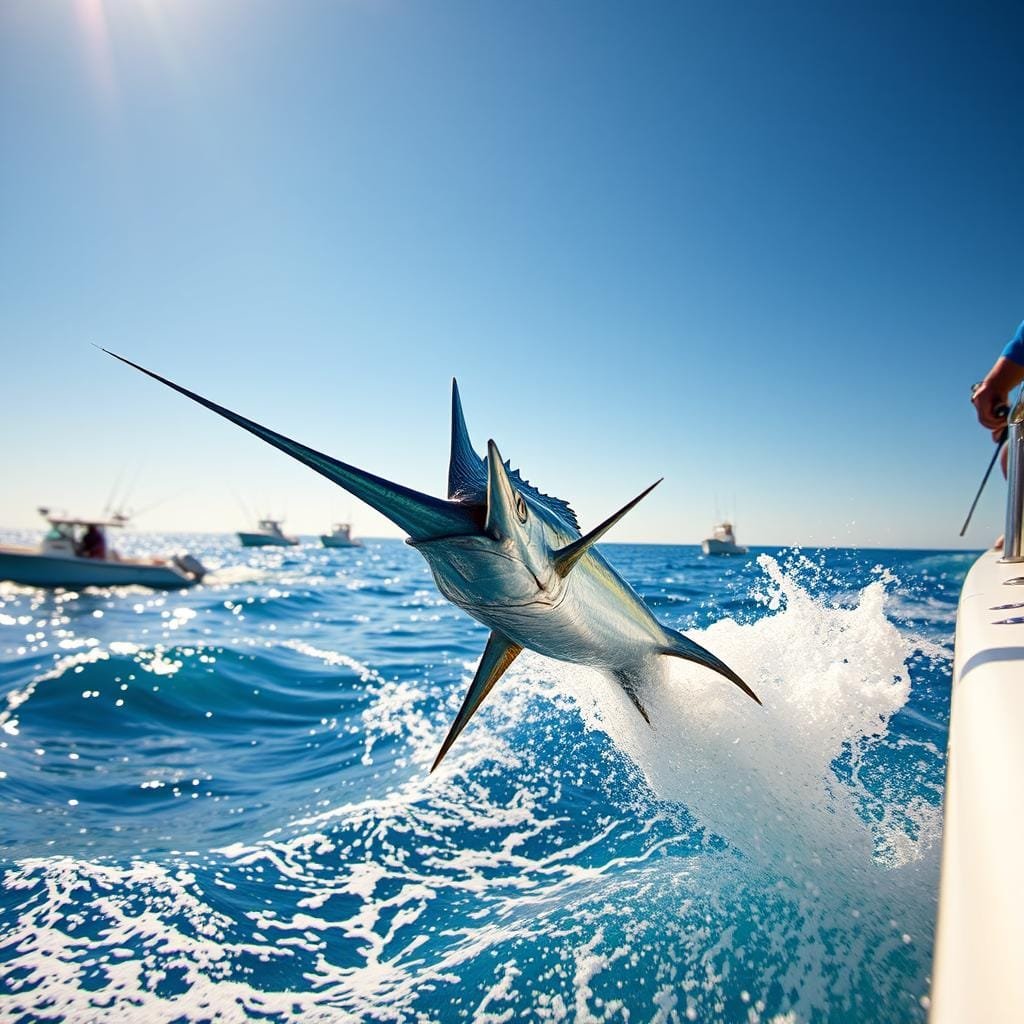
Learning sailfish fishing methods means knowing the fish and the ways to catch them. Trolling with live bait and artificial lures is a favorite among experts. It’s good for covering a lot of water.
The bait and switch method is also exciting. It involves teasing sailfish with bait without a hook. Then, you switch to bait with a hook when they get close. This way, you get to see them strike and have a better chance of catching them.
Kite fishing is getting more popular, too. It works well in clear water with light winds. By using a kite to hold bait at the surface, your line stays hidden. This is great for catching sailfish. For more on kite fishing, check out how to set up your sailfish.
Each method has its own challenges and benefits. Trolling covers a lot of ground, while bait and switch is more hands-on. Kite fishing is all about stealth. No matter your style, there’s a way to catch sailfish that fits you. This makes fishing for sailfish a fun and rewarding experience.
Trolling with Bait and Dredges
Catching sailfish needs skill and the right gear. You must know how to use bait and dredges well. Sailfish are careful and fast, so picking the right bait is key. This part will teach you how to pick the best bait and set up your rig for a great catch.
Choosing the Right Bait
Choosing the right bait is very important for catching sailfish. They like baits that look and move like their natural food. Ballyhoo is a favorite because it looks good and lasts long while trolling.
For bait and dredging, use circle hooks with a naked ballyhoo. This makes the bait look real and helps you catch more fish.
Setting Up Your Trolling Rig
Setting up your sailfish trolling rig needs careful attention. The best speed for trolling sailfish is between 4-7 knots. Here’s how to set up your rig:
- Start by picking the right line strength and length. A monofilament line with 20-50 pounds test is good.
- Then, add a weight or planer to keep the bait at the right depth. Sailfish like to eat near the surface, so adjust the depth.
- Use multiple dredges without too many flashy things. This makes the bait look like a school of fish. Make sure the dredges are spread out evenly.
- End with circle hooks on your ballyhoo. Keep the bait simple to look as natural as possible.
By carefully setting up your rig and keeping the right speed, you’ll catch more sailfish.
The Bait and Switch Method
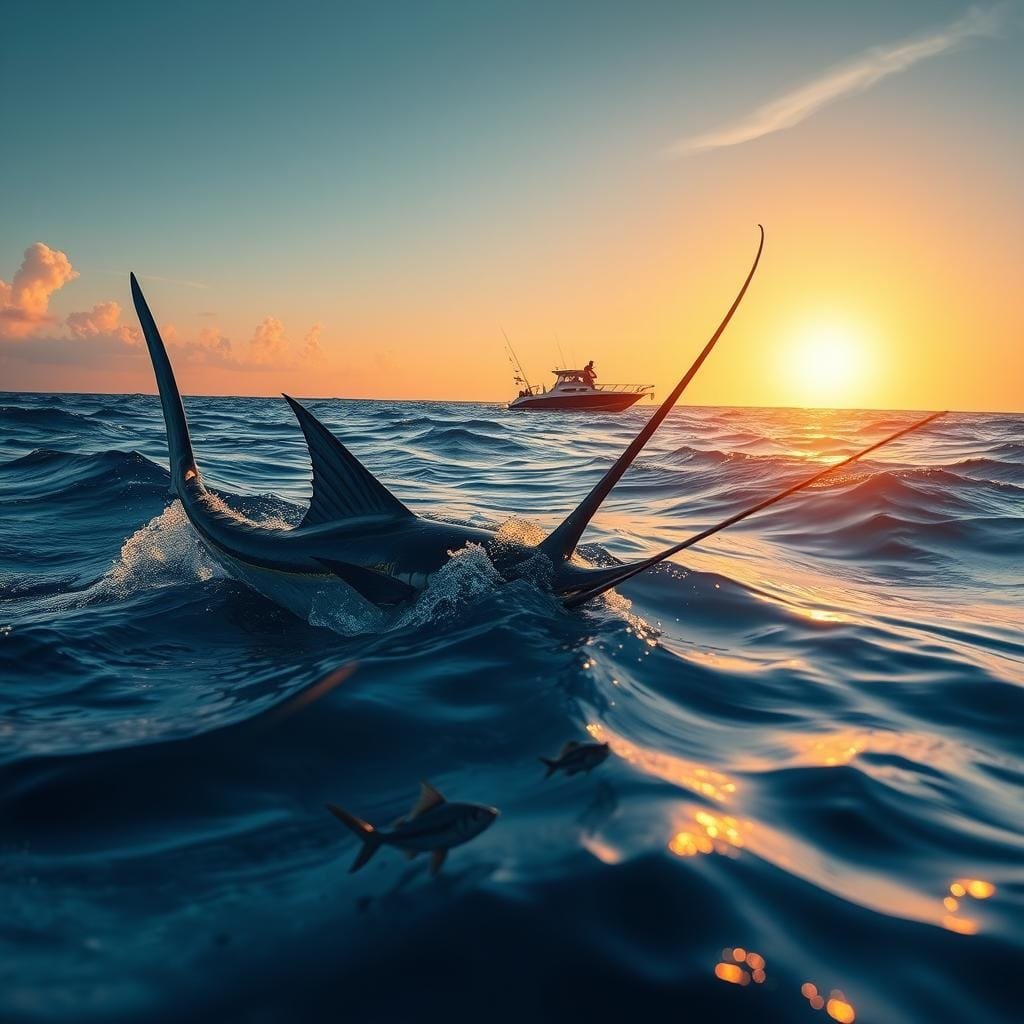
The sailfish bait and switch technique is a clever sailfish angling strategy. It uses tricks and real bait to catch fish. Fishermen use teasers and bait to lure sailfish to the boat.
When sailfish get close, anglers quickly cast bait. They use naked ballyhoo, which is easy to cast. The goal is to make sailfish want to eat the bait.
This method is exciting and lets anglers feel the real nature of sailfish. It’s a thrilling way to fish.
The following table outlines essential gear and tactics specifics that enhance the success of the bait and switch method:
| Item | Specification | Detail |
|---|---|---|
| Teasers | Softheaded skirted lures | Length: approximately 9 inches; Color: often pink |
| Teaser Rods | Spin reels | Moderate to fast retrieve ratio |
| Fighting Gear | Wilson Live Fibre Venom Rod | 8-foot length equipped with a robust spin reel, loaded with 15kg mono. |
| Bait | Diverse array | Includes whole garfish, mullet, pilchards, and slimy mackerel |
This mix of gear and tactics is key for the sailfish bait and switch. It helps catch more fish and makes fishing better.
Kite Fishing Techniques for Sailfish
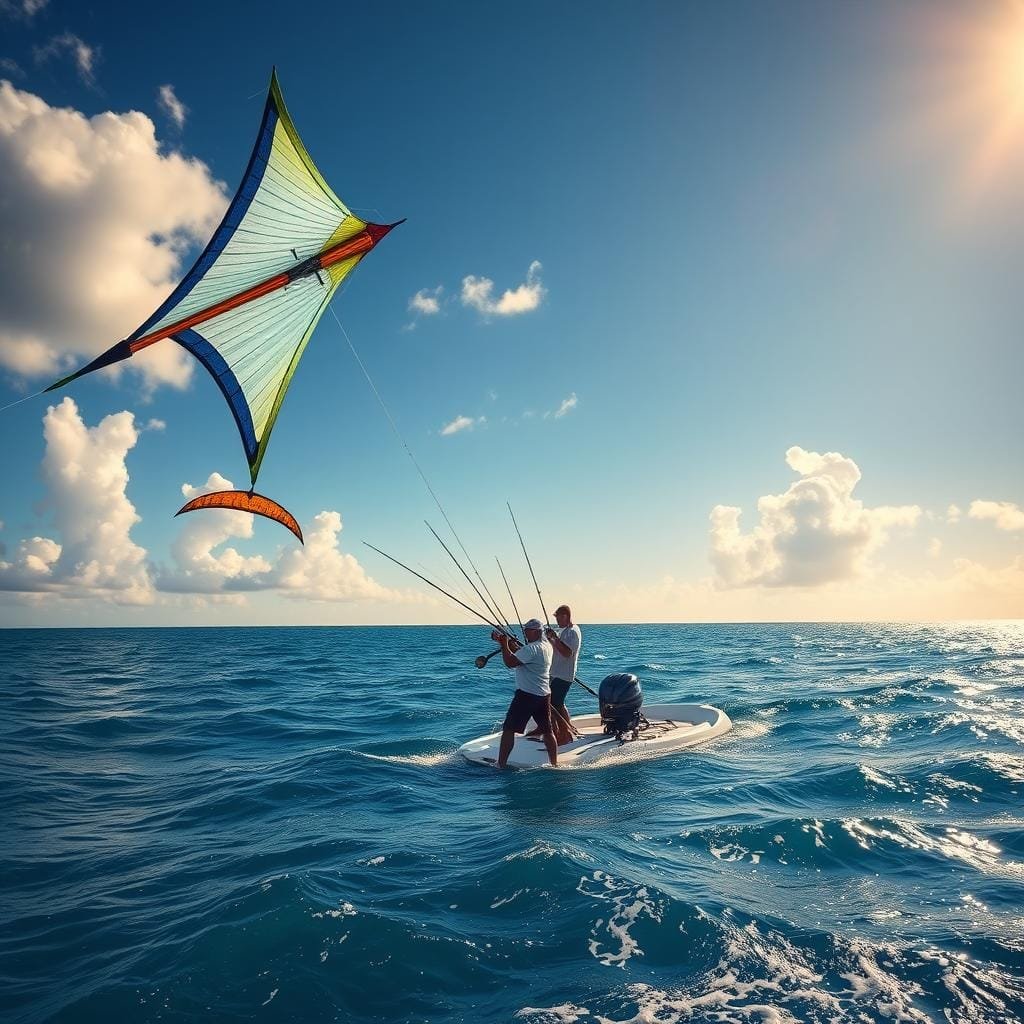
Kite fishing for sailfish is exciting and uses smart tactics. It lets anglers use the wind to show live bait in a natural way. This attracts the fast and agile sailfish.
Benefits of Kite Fishing
Kite fishing for sailfish has many good points. It’s quiet because only the bait touches the water. This quiet way helps avoid scaring fish away.
It also makes the bait look real as it moves on the water. This movement is like a real fish struggling, which sailfish can’t resist.
How to Set Up a Kite Fishing Rig
To start, you need a strong kite for different winds and clips on the line. Your rig must be balanced and steady for the best bait show. Use bright line to see the kite’s movement.
It’s important to anchor well to control the bait’s spot on the water.
Choosing Live Bait for Kite Fishing
Choosing the right live bait is key in kite fishing. Sailfish like baits that look like their natural food. Goggle eyes, mullet, and Spanish sardines are great because they swim well and look real.
Keeping your bait lively is important. Sailfish are drawn to the fake struggles of weak fish.
A table below shows popular live baits for kite fishing sailfish:
| Bait Type | Size | Strengths |
|---|---|---|
| Goggle Eyes | Large | Exceptional visibility and durability in water |
| Mullet | Medium to Large | Vibrant swimming motion, reflects light well |
| Spanish Sardines | Small to Medium | Erratic swimming, high oil content attracts sailfish |
| Menhaden | Medium | Durable, emits strong distress signals |
| Flying Fish | Variable | Natural prey of sailfish, glides on water surface |
| Blue Runners | Small to Medium | Aggressive swimmers, maintain live longer |
Understanding the Importance of Proper Equipment
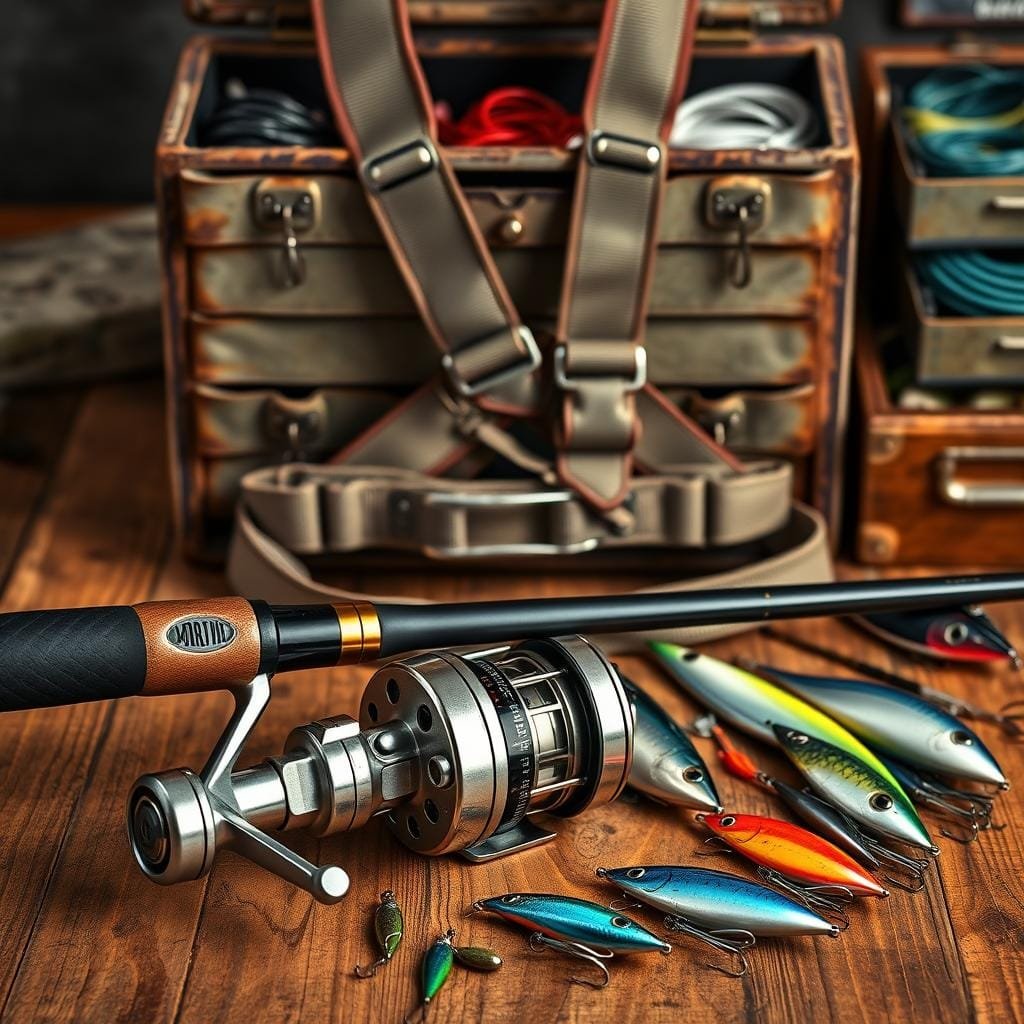
Using the right gear is key for sailfish angling. It’s not just about what you like. It’s about winning and being kind to the fish. This part talks about the best gear for sailfish fishing and why it matters.
Selecting the Right Fishing Rod and Reel
Choosing the right rod and reel is very important. They need to be strong and quick to handle sailfish. Look for a reel with a smooth drag and a rod that’s strong but also bends a bit.
Importance of Using Circle Hooks
Circle hooks are a big deal for sailfish fishing. They help the fish live longer by not hurting them inside. This makes it easier to catch sailfish and helps them survive.
| Feature | Benefits |
|---|---|
| Smooth Drag System | Allows for consistent pressure during the fight, reducing the risk of line breaks. |
| Durable Material | Ensures that the equipment can endure the harsh marine environment and the power of the fish. |
| Flexibility and Strength of Rod | Provides the necessary balance to manage the dynamic movements of sailfish. |
| Ergonomic Design | Improves handling and comfort during long hours of fishing, reducing angler fatigue. |
Pros and Cons of Different Sailfishing Methods
Looking into sailfish angling methods shows different ways to fish. Each method has its good points and not-so-good points. Choosing the right way to fish can make your trip better and increase your chances of catching a sailfish.
| Method | Benefits | Challenges |
|---|---|---|
| Trolling | Covers large areas, potentially increasing encounter rates with sailfish. | Requires substantial fuel and can be expensive; complex rigging needed. |
| Bait and Switch | Offers thrilling up-close visuals of sailfish strikes, engaging anglers. | Demand high alertness and quick responses, making it less suitable for beginners. |
| Kite Fishing | Quieter, less resource-intensive, effective in specific conditions. | Dependent on wind, requiring precise weather conditions and location knowledge. |
Kite fishing is good because it’s gentle on the environment and lets you see sailfish up close. But, it has its downsides like needing the right weather and knowing where to fish.
Every sailfish fishing method needs different skills and gear. It’s important to think about what each method offers and what it requires. Knowing the good and bad of each method makes fishing more fun and successful.
Finding the Perfect Sailfish Location
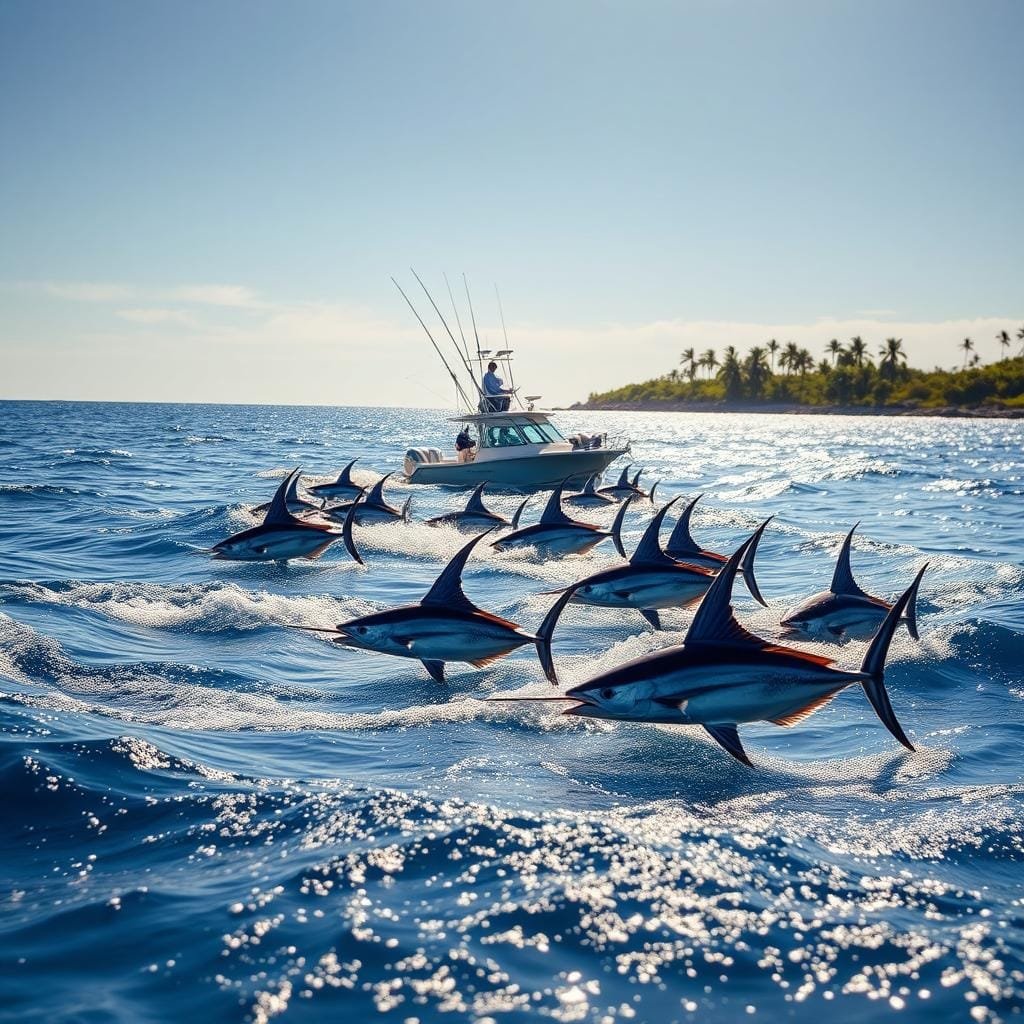
Finding sailfish in the United States is all about knowing where they go. Anglers look for places where sailfish are most likely to be found. These spots are called prime sailfish destinations.
Water temperature, salt levels, and baitfish are important for sailfish. To find them, anglers use ocean data and listen to other fishers. They share where sailfish are most active.
- Florida Keys: A hotspot for sailfishing due to the convergence of Atlantic Ocean currents that bring a rich supply of baitfish, making it one of the prime sailfish destinations.
- Off the coasts of North Carolina and Virginia during the summer when sailfish migration patterns lead them north.
- The Gulf Coast of Florida, where the warmer waters in winter months attract sailfish, is important for understanding sailfish migration patterns.
Anglers look for underwater features like wrecks and reefs. These places attract baitfish, which in turn draw sailfish. Using GPS and sonar helps find these spots.
Technology helps, but fishing community knowledge is key. Fishing reports and forums offer tips on where to find sailfish. This way, anglers have a better chance of catching them.
Understanding sailfish behavior is exciting. It keeps fishing fresh and challenging. As the environment changes, so do the best places to find sailfish.
Reviving and Releasing Sailfish
Angling for sailfish is exciting, but we must care for them. We need to focus on sailfish conservation. It’s important to revive and release them safely. This helps keep sailfish healthy for the future.
When you catch a sailfish, act fast to keep it calm. Check if it’s okay to remove the hook without hurting it. If yes, do it quickly.
Then, help the fish breathe by holding it headfirst in the water. Move it slowly to help it get oxygen. Make sure its head stays under water to help its gills breathe.
The last step is to release the sailfish carefully. Make sure it’s okay to let it go and it looks healthy. When you release it, point its bill away from you to avoid hurting anyone.
This careful handling helps the sailfish go back to the sea healthy. It can then live and have babies. By doing this, we help keep sailfish for future generations. It’s a way to enjoy fishing while also caring for the ocean.