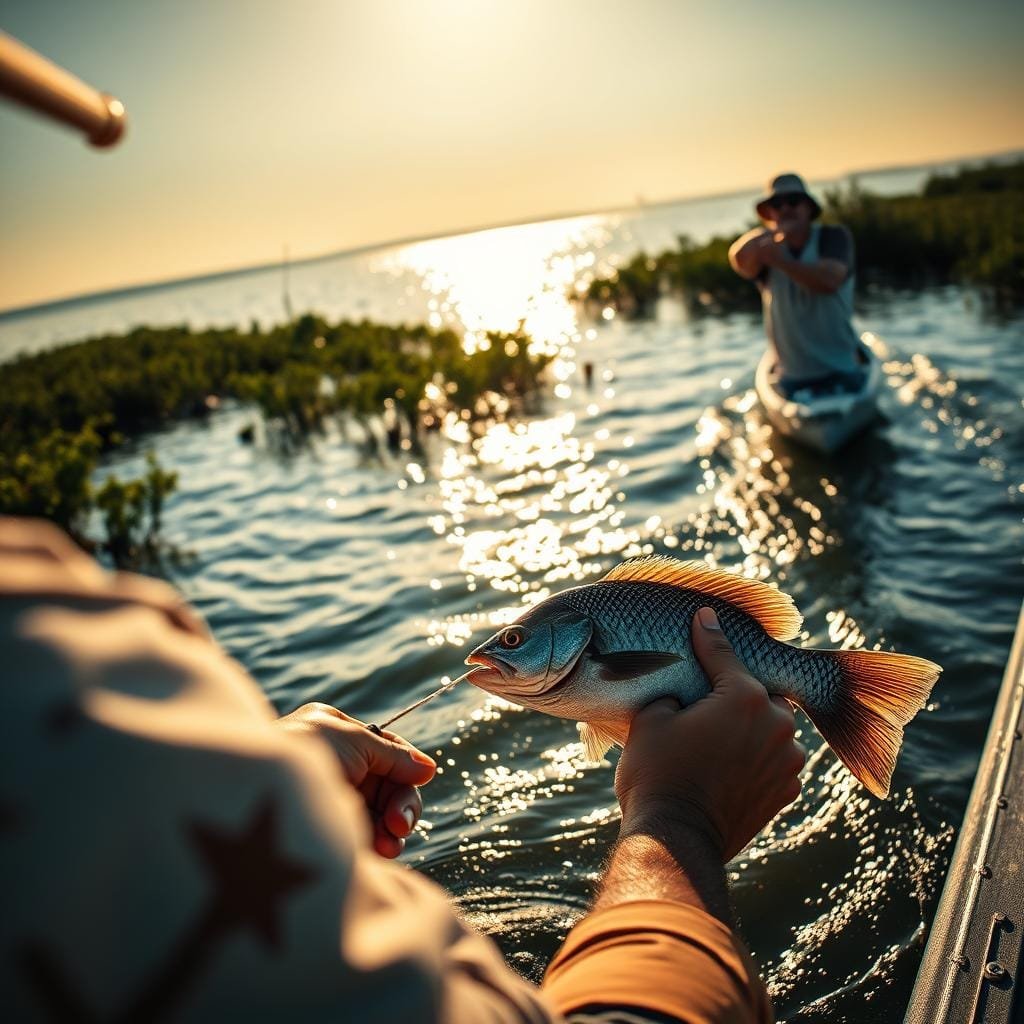
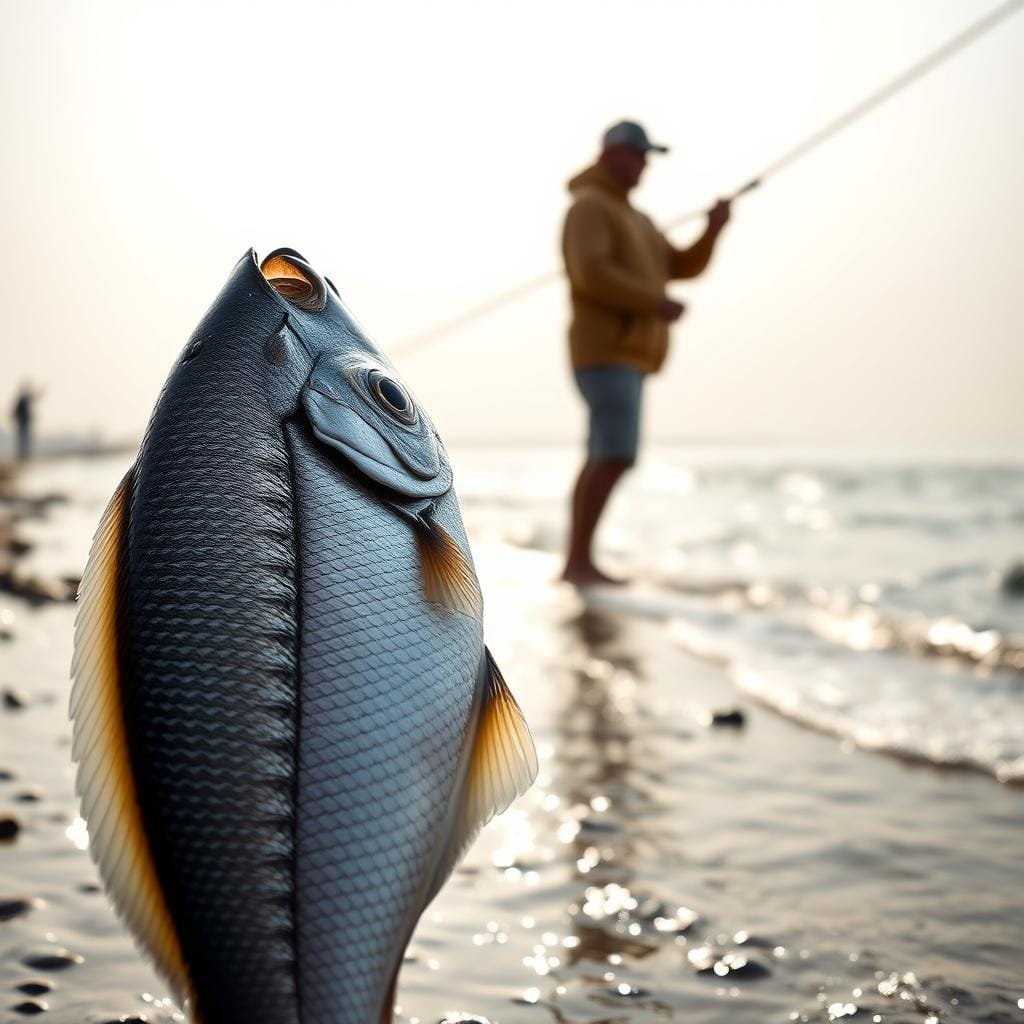
Scup, also called porgy or sea bream, are a staple of Northeast saltwater fishing. They are found from New Jersey to Maine. They school in big numbers, hit hard, and taste great.
This makes them perfect for family fishing and beginner saltwater fishing. This guide delivers clear scup fishing tips you can use on day one.
In spring, warming water pulls porgies inshore. Through summer and fall, they stack up in estuaries, jetties, reefs, and channel edges. In winter, they shift to deeper offshore structure.
We’ll show you where and when to find them. This way, bottom fishing for scup becomes a sure bet.
Effective methods include bottom fishing, drifting, jigging, surf casting, spin casting, and fishing from the shore. Marine worms, clams, and squid are top baits. Because porgies fight above their weight, smart tackle matters.
Sharp hooks, right sinker weight, and sensitive rods help you feel every tap. This article covers the essentials of how to catch scup.
Location, timing, productive rigs, and bait choices are all covered. You’ll also learn boat positioning, chumming tactics, and tide windows that keep rods bending. Whether you fish a dock in Connecticut or a reef off Long Island, these scup fishing tips will raise your odds fast.
Scup basics: identification, size, and seasonal behavior
Northeast scup are a favorite for anglers from New Jersey to Maine. Knowing how to identify them and their size helps plan fishing trips. It also helps time the best fishing moments.
What scup look like and how to identify them
Scup have a flat, deep body and sharp spines on their dorsal fin. Their backs are brown, but sides shine silver with rainbow colors in sunlight. They have small mouths and sharp teeth for eating crabs and clams.
They have a steep forehead, tight tail, and a faint blotch above the pectoral fin. These features help tell them apart from other fish.
Average and trophy size: from panfish to “humpbacks”
Most scup are small, about 8–10 inches and 1/2 to 2 pounds. They’re great for grilling or frying.
The biggest scup, called humpback porgies, can be 3 to 4 pounds and 18 inches long. They have a meaty hump behind their head. Older scup can live up to 20 years.
Migration timeline: spring inshore move and fall offshore shift
As it gets warmer, scup move closer to shore from May to October. In Long Island Sound, they arrive in late May and June. They spawn on sandy bottoms and then feed on rocky areas.
In September, fishing is best near structures. When it gets colder, they move offshore and south for winter. They stay in deeper water until spring comes again.
Best places to find scup along the U.S. Northeast coast

From North Carolina to Maine, the best spots for scup are around Long Island Sound, Buzzards Bay, Narragansett Bay, and Cape Cod’s south side. Look for edges, current seams, and hard seams in the bottom. Use local charts and a depthfinder to find these spots near shore and in protected bays.
Prime habitats: estuaries, reefs, rocky sea floors, and shell beds
Start with estuaries early, then move to reefs and rocky bottom as it warms up. Shell beds are great for porgy action, where juvenile mussels cover ledge and rubble. Passages between reefs are good for bait and ambush lanes, holding fish all summer.
Oceanfront corners and bay mouths with tide push are good bets. When a rip crosses reefs and rocky bottom, anchor uptide and fish the edge. This advice matches what’s in this field-tested piece on shore bigger, noting reliable oceanfront numbers by late July.
Reading bottom: mixed rock, sand, and juvenile mussel areas
Look for broken bottom with sand, pebbles, and boulders. Bright sand next to dark rock on the sonar marks a feeding lane. Mussel clumps and shell rubble mean active porgy habitat; avoid mucky flats with little current or life.
- Find shell beds porgy sign near rockpiles, ledges, and gravel tongues.
- Target sandy pockets inside 15–30 feet for post-spawn fish.
- Steep beachfronts that drop fast into deeper water can be sleeper scup spots Northeast.
From beach to boat: jetties, docks, piers, and passages between reefs
Shore anglers do well around jetties, docks, and piers, where pilings meet current. Docks with mussel-crusted cross-bracing and nearby drop-offs fish well on a running tide. Beach casters should aim for the lip where waves dump into darker, deeper troughs.
By boat, set up along passages between reefs, or drift across reefs and rocky bottom until bites stack up. Party boats and private skiffs both key on ledges, rockpiles, and shell edges within casting distance to 30 feet, then slide wider if traffic builds.
| Location Type | Why It Produces | Depth Window | Key Clues |
|---|---|---|---|
| Estuary mouths | Bait funnels and firm bottom draw estuary scup | 10–20 ft | Mussel clumps, steady current, clean sand next to rock |
| Reefs and ledges | Food-rich reefs and rocky bottom keep fish all summer | 15–40 ft | Broken contour lines, bait marks, shell rubble |
| Passages between reefs | Current lanes concentrate feeding schools | 20–35 ft | Rip lines, cross-currents, mixed sand/rock seams |
| Jetties, docks, and piers | Shade, structure, and growth attract jetties piers porgy | 10–25 ft | Pilings with mussels, eddies, quick drop-offs |
| Steep beachfronts | Fast drop to deeper water keeps fish within casting range | 12–20 ft | No outside bar, darker troughs, gear markers nearby |
When to fish: tides, months, and water depth for scup
Finding the best time to fish for scup is key. It’s all about the season, depth, and current. By late spring, scup move shallow. As it gets colder, they go deeper.
Knowing when to fish is important. Use the right tide timing to catch more porgies. This way, you’ll always have a good catch.
Late May–October inshore; winter offshore patterns
The first scup reports come in late May. Long Island Sound and Narragansett Bay get busy in June. The peak fishing time is from mid-summer to September.
In September, scup fill rocky edges and shell beds. As the water cools, they move to deeper spots. By November, they’re offshore and south, waiting for spring.
Depth ranges: shallow (casting distance to ~30 feet) to deep (30–100 feet)
Many scup are caught close to shore, at dawn and dusk. Fish shallow areas, from knee-deep boulders to about 30 feet. Look for mixed rock and mussel patches.
When it gets too sunny or crowded, fish deeper. In bays and sounds, the deeper spots often have bigger fish during the peak season.
Working the tide: slack and slow-current windows for best bait presentation
Scup eat all day, but fishing during slack tide is best. Fish for one to two hours on either side of slack. This helps you use lighter sinkers and feel more bites.
Avoid fishing during peak moon currents. If fishing gets slow, move after ten minutes. Re-anchor until you find active schools. This is a good strategy for inshore and offshore scup fishing.
| Month | Primary Zone | Typical Scup Depth | Tide Focus | Notes |
|---|---|---|---|---|
| Late May–June | Inshore reefs, estuary mouths | Casting distance to ~30 ft | Slow current around slack | Best time for scup as schools arrive; use light rigs over rock and mussel beds |
| July–August | Beaches, jetties, nearshore humps | 15–60 ft | Top and bottom of the tide | Porgy season Northeast peak; shift deeper at mid-day for larger fish |
| September–October | Sound channels, outer reefs | 30–100 ft | One to two hours around slack | Stable bite and size; refine scup depth with small moves if action fades |
| November–Winter | Offshore wrecks and ledges | 80–200+ ft | Neap tides favored | Inshore offshore scup shift complete; heavy gear helps maintain bottom contact |
how to catch scup
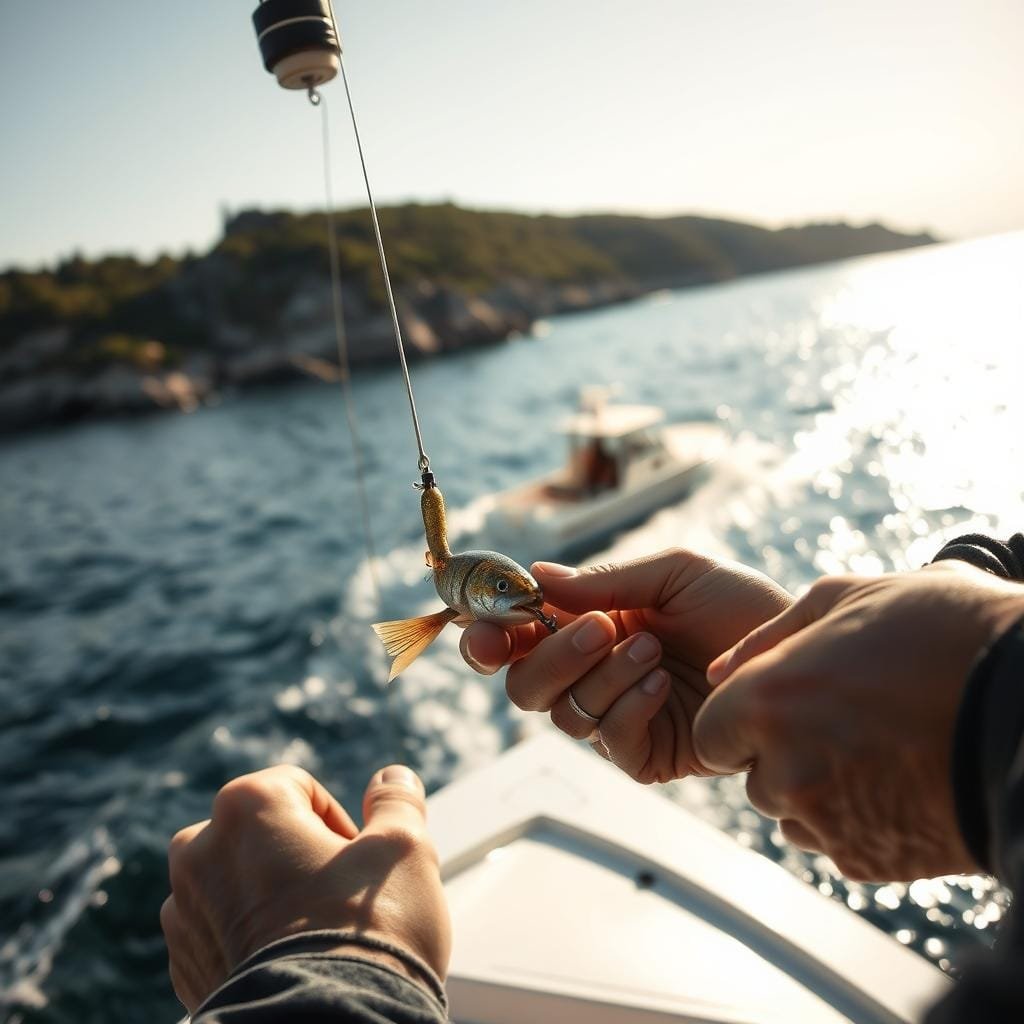
Keep it simple and steady. Get your bait to the bottom. Hold a light, taut line. Let the sinker kiss the sand or rock.
Whether you’re shore fishing scup or working from a small center console, quick adjustments keep the bite alive.
Shore tactics: surf casting, spin casting, and stil fishing
For surf casting porgy on open beaches or jetties, cast past the first trough. Then slowly tighten up until you feel bottom. Use braided or fused lines like PowerPro or Berkley FireLine to boost distance and sensitivity.
Spin casting with a high/low rig and small bait strips finds active fish fast.
Stil fishing shines in calm pockets near rocks and pilings. Set the rod low, keep slight tension, and watch for the telltale tap-tap. When shore fishing scup in light surf, drop to the lightest sinker that holds to avoid spooking fish.
Boat tactics: bottom fishing, drifting, and jigging
Boat fishing porgy starts with classic bottom fishing over reef edges, shell beds, or mixed rock and sand. If bites fade, try drifting for scup to cover ground. Mark schools on your sounder from brands like Humminbird or Garmin.
Jigging scup with a teaser above a small diamond jig or bucktail works when they stack tight. Tip hooks with clam or squid and keep the sinker tapping bottom. Short lifts and drops trigger quick hits, and a two-hook setup can double your odds.
Chumming strategy to pull fish under the boat
Chumming porgy is straightforward and potent. Load a weighted chum pot with crushed clams, mussels, or frozen ground clam chum. Hang it from the bow. Give it a shake every 15–20 minutes to refresh the scent trail.
In a pinch, canned tuna or cat food draws fish, too. Add extra lead so the pot stays vertical in current. If action stalls after 10 minutes in shallow water, reset the anchor or move. Switch to tougher squid when small fish pick soft baits clean.
Essential tackle: rods, reels, line, and terminal gear
Good porgy tackle is key. It should be light, fast, and strong. This lets you feel bites and lift big fish.
Rod and reel picks for sensitivity and backbone
A 6.5–7 ft graphite rod and reel combo is great for mixed bottoms. The Sea Striker Contour in 12–20 lb class is perfect. It has a quick tip and strong middle.
Pair it with a Shimano Tekota 300. Use 15–20 lb braid to feel bites better and less drag in the tide. This combo is great for feeling bites and controlling sinkers and jigs.
If you don’t have a boat, try Southern New England party boats. They have gear ready for scup fishing. It’s a good way to try before you buy.
Braid vs. mono: sensitivity and casting distance
Braid is better for feeling bites and casting far. It’s thin, cuts current, and keeps a tight line. This makes light bites clear.
But mono is good for more stretch. It’s softer on wrecks and mussel beds. A short mono or fluoro leader on braid adds stealth and protection.
Sinkers and sizes by depth and tide; choosing the lightest that holds bottom
Choose sinkers based on depth and flow. For 15–60 feet, use 3–12 ounces. Always pick the lightest that holds bottom for a natural look.
Use bank or pyramid sinkers on sand and mixed rubble. Switch to diamonds in strong currents. Strong, corrosion-resistant snaps and swivels keep everything honest.
| Component | Recommended Spec | Why It Works | Brand/Example |
|---|---|---|---|
| Rod | 6.5–7 ft graphite, 12–20 lb | Fast tip for bite feel; backbone for lifting fish | Sea Striker Contour |
| Reel | 300-size, strong drag | Compact, smooth, handles braid well | Shimano Tekota 300 |
| Main Line | 15–20 lb braid | Long casts, sharp sensitivity, low water resistance | Any quality 8-strand braid |
| Leader | 15–25 lb mono/fluoro, 18–30 in | Abrasion resistance around rock and mussels | Fluorocarbon for clear water |
| Hooks | #2 bait-holder, snelled | Secure baits; stronger than thin “gold” patterns | Fin Strike Pro-Series with Gamakatsu |
| Sinkers | 3–12 oz bank/diamond | Hold bottom across changing tides and depths | Adjust by feel to the lightest that holds |
| Use Case | Shore casting | Braid increases distance; tight line for hits | Ideal for picky, light-biting scup |
| Use Case | Boat/party boat | Compact setups manage current and crowd | Easy access to prime grounds |
This setup keeps you in touch with bites and is simple and durable. Smart choices on braid vs mono and sinker size help you feel more, miss less, and catch more fish.
Rigs that get bites: high/low and fish-finder setups
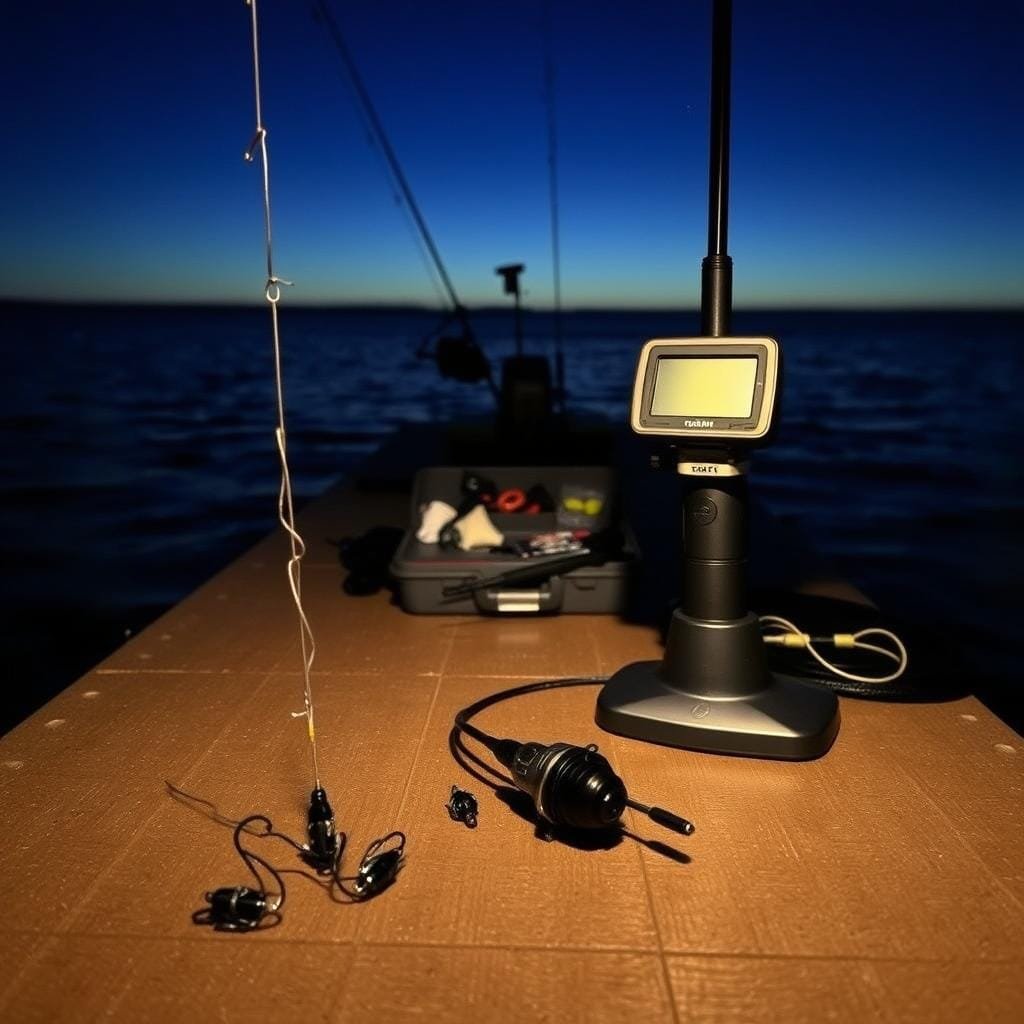
Choosing the right rig can make a big difference. A good porgy rig setup works for both fish on the bottom and those in the water. Use a high low rig scup or a fish finder rig porgy to catch more fish.
When to choose a high/low rig to target suspended feeders
Use a high low rig scup when the water is calm and fish are swimming up. This rig has two hooks, one near the bottom and one higher up. It’s great for fishing in places with lots of shells and rubble.
You can make your own or buy a pre-made one. The how to fish for scup guide shows you how. Adjust the spacing between hooks to match the depth and how fast the water is moving.
When to choose a fish-finder rig to hug bottom in strong current
In strong currents, use a fish finder rig porgy. This rig keeps your bait close to the bottom. It’s good for fishing near wrecks and deep channels.
Choose the right weight for your sinker based on the current. This way, you can stay on the bottom without dragging. If you’re fishing in rocky areas, a single hook might be better to save time and gear.
Droppers, hook spacing, and materials (Perlon vs. mono) to reduce tangles
The type of leader you use matters. A stiff Perlon leader works best. It keeps the droppers straight and reduces tangles. Many anglers use a length of about 50 inches for consistent spacing.
- Dropper loop spacing: aim for about 8 inches; widen slightly in shallower water to spread baits.
- Hooks: #2 or #4 beak or bait-holder styles pair well with clam, squid, and worm strips.
- Pre-made option: Fin Strike #461 is a reliable grab-and-go choice for any porgy rig setup.
If you prefer to buy, look for Fin Strike #461. It has the right hook size and works well with the right sinker. Even a simple Perlon leader with two loops can catch fish quickly and without tangles.
Best baits for scup: sandworms, clams, and squid
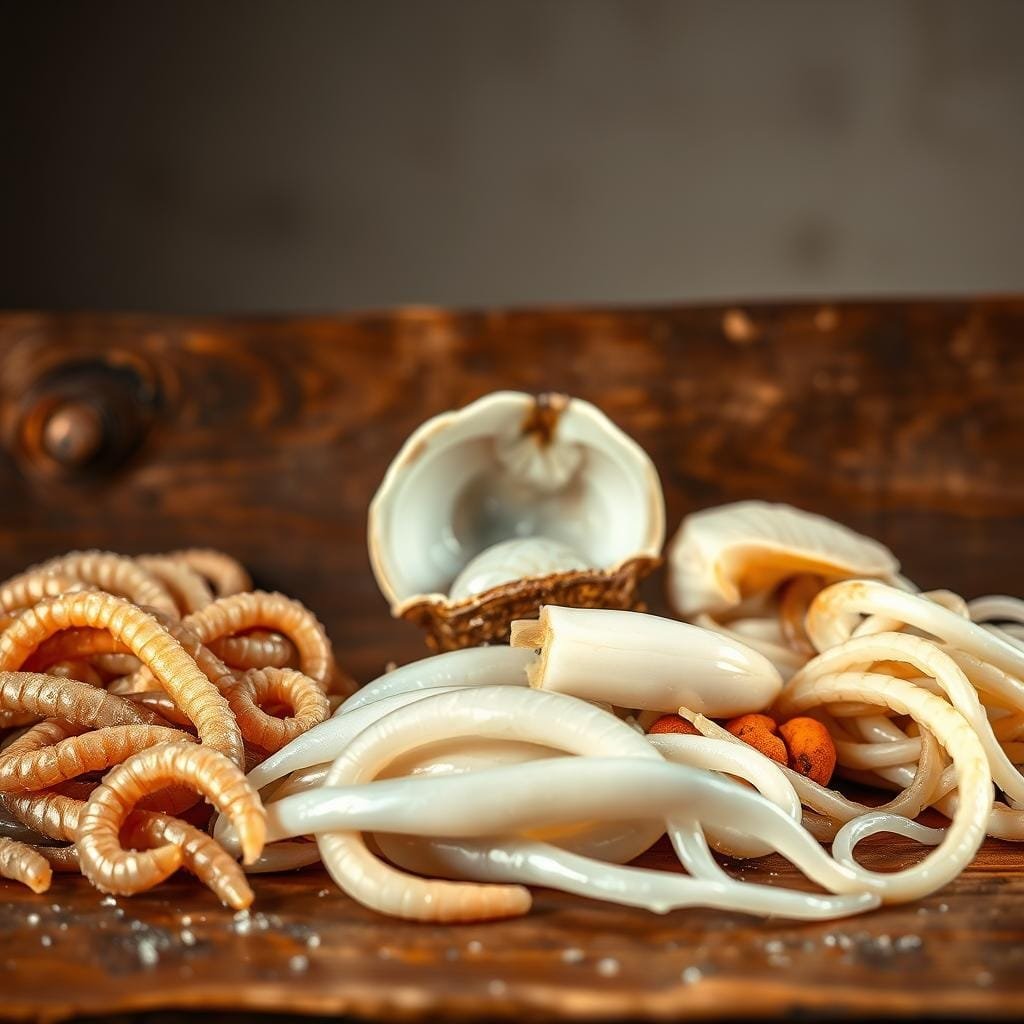
Get your bait right, and porgies will come fast. Experienced fishermen use sandworms, fresh clams, and squid. Each bait has its own special trick. For more tips, check out pro porgy pointers that captains follow every day.
Pros and cons: soft baits vs. durable squid strips
Clam bait and sandworms get quick bites and pull fish in. They bleed and send out scent. But, they get eaten fast by small fish.
Squid strips are great for strong currents. They stay on longer and move with a nice flutter.
Use different baits for different times. Start with soft baits to get fish going. Then, switch to squid to keep fishing without losing bait.
Cut sizes, threading tips, and stretching bait life
How big you cut your bait matters. Cut worms into 2–3 inch pieces to save bait. Thread them once past the barb, then half-stitch along the shank.
For clams, use small tongues and brine them lightly. Squid strips should be thin and tapered. Hook them once through the fat end for a nice flutter.
- Keep squid cold on ice; refreeze leftovers to keep them tough.
- Use bait-holder or beak hooks for soft baits to ride straight.
- Tip Sabiki- or high/low-style rigs with skinny squid teasers for extra flash.
Bonus bycatch and bait-stealer management
Sandworms also attract winter flounder and small dogfish. But, small sea bass and porgies can steal your bait.
To catch better fish, use bigger squid tips or thicker clam strips. If small fish are everywhere, use squid as your main bait. Use smaller pieces instead of whole clam tongues.
| Bait | Best Use Case | Cut Size | Hooking Method | Edge |
|---|---|---|---|---|
| Sandworms | Calm water, finicky bite | 2–3 inch pieces | Thread and half-stitch on bait-holder | Fast strikes, broad species appeal |
| Clams | Chum bite, moderate current | Thumb-size tongue | Single pass, leave fibers exposed | Strong scent trail for clam bait porgy |
| Squid Strips | Heavy tide, thick shorts | Thin tapered strip, finger-length | One pass through the fat end | Squid strips porgy stay on longer |
Make your bait better by chumming with crushed clams or mussels. Shake the pot every 15–20 minutes to keep the scent fresh. Good bait rigging and steady chumming will get you more bites.
Boat positioning, anchoring, and drift strategies
Start by reading the bottom and the breeze. In skinny water, anchoring for scup shines. Drop the hook right over rock, mussel beds, or reef edges. Give each spot 10 minutes.
If bites are short or all dinks, reset nearby and keep covering structure. This is where shallow vs deep porgy tactics truly split.
Keep the chum smart and simple. A bow chum setup keeps lines clear. Tie a small, weighted pot forward and let it plumb straight down. Shake it every 15–20 minutes and top it off to hold the school under the boat.
When the current rips or you slide into 30–100 feet, think drifting porgy. Use your sounder to mark life on open or broken bottom. Make a long pass, then use GPS drift tracking to retrace the exact line that produced bites.
If you find a tight stack of marks and the sea lets you, set the hook and switch back to anchoring for scup.
Match rigs to flow. In strong current, a fish-finder rig pins bait to the deck and keeps you in the zone. As the tide eases and fish lift off bottom, swap to a high/low to reach the mid-column.
That adjustment bridges shallow vs deep porgy tactics without changing your spot.
Work for doubles when the school fires. After you set on the first fish, keep the rig near bottom for a beat to draw a second take, then lift smooth and steady. With steady chum pot placement and accurate GPS drift tracking, that timing turns single taps into quick two-fers.
Hooking, landing, and maximizing action
Scup hit fast and nip baits. Keep steady bottom contact and watch the rod tip for taps or a sudden whomp. A sensitive graphite rod with braid makes tiny bites pop.
When setting the hook scup, react with a quick, firm lift. Swap cheap gold porgy hooks for strong, rust-resistant options like Fin Strike Pro-Series #2 snelled porgy hooks Gamakatsu. This helps pin light biters and handle humpbacks without pull-outs.
Think about bait presentation scup first. In slow current or slack, a high/low rig can hold a strip a few inches up where feeders roam. When the tide builds, switch to a fish-finder rig to hug the bottom and stop baits from helicoptering.
Choose the lightest sinker that sticks to the seabed. This lets you feel more life and dodge snags. If you struggle to hold bottom during moon tides, shift your window to gentler flows.
To maximize action, fish two hooks so you are never soaking a bare point. Keep the rig near bottom after the first bite. With one porgy on, pause a second before reeling to tease a second strike—this is how double-headers porgy happen.
When the bite turns wild around rocks, drop to a single hook. This cuts tangles and speeds the reset. Work as a team: multiple baits in the zone can spark competitive feeding and keep landing porgies steady.
Finish clean. Keep the rod loaded, reel with rhythm, and avoid pumping on short leaders. Use a small rubber landing net or handline the rig with care near the gunwale. Quick unhooks, fresh bait, and precise drops back to the structure keep the school fired up.
Dialed-in setting the hook scup, smart bait presentation scup, quality porgy hooks Gamakatsu, and crisp bottom contact turn steady taps into full buckets.