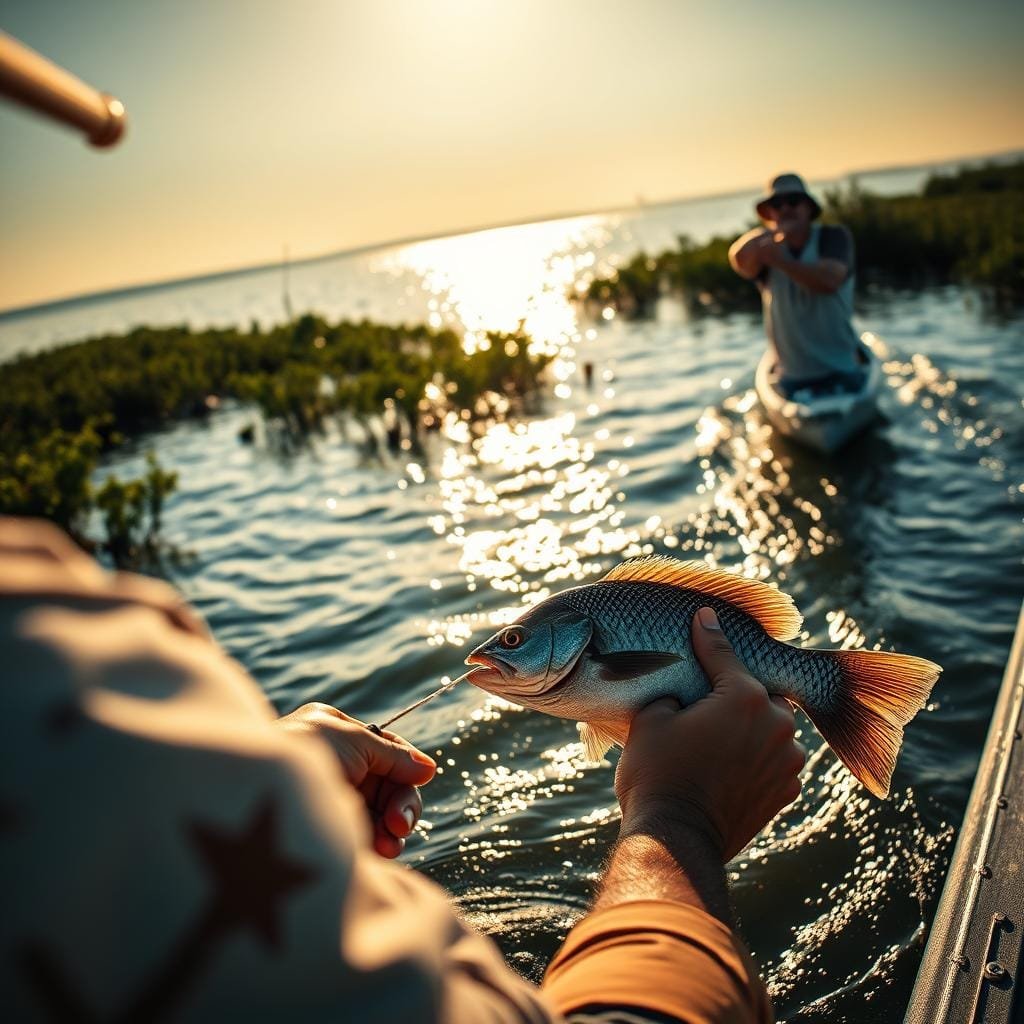
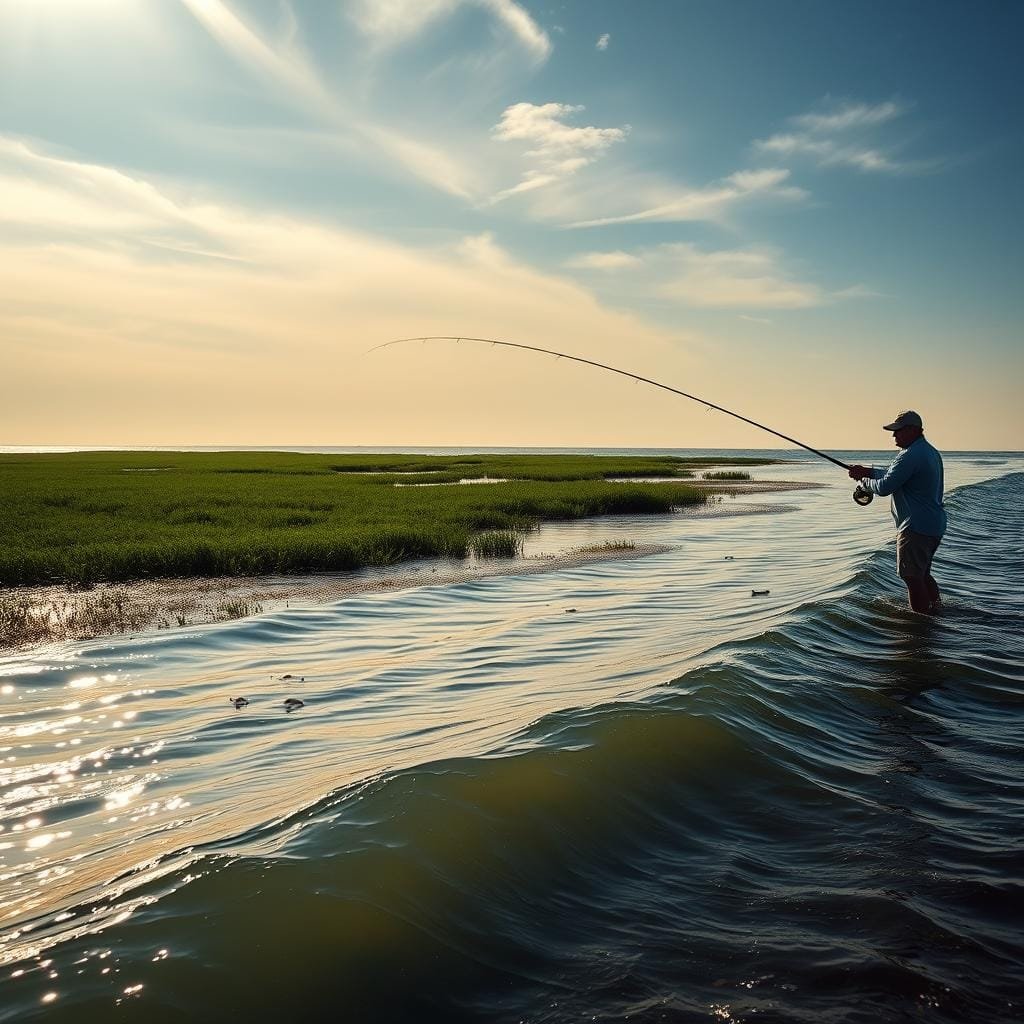
Start your exciting fishing journey for seatrout. Each cast is a new chance. Every catch has its own story. This guide will help you catch more seatrout and make fishing more fun.
Whether you’re new or experienced, you’ll learn a lot. We’ll share tips on catching seatrout, understanding their behavior, and picking the right gear. Let’s discover the secrets of successful seatrout fishing together.
Understanding Seatrout Behavior and Habitat
Seatrout are fascinating fish that live closely with their environment. Knowing their behavior and where they live can help you catch more. Let’s look at what makes them choose certain places to live.
Key Factors Influencing Seatrout Location
Looking for the best seatrout feeding grounds starts with finding lively inshore fishing spots. They hunt by hiding in saltwater structure and underwater habitat. Places with lots of seagrass beds are great because they attract baitfish.
For more info on seatrout, check out this guide.
Ideal Habitats for Successful Seatrout Fishing
Good seatrout fishing spots have lots of seagrass and saltwater structures like oyster bars. These places offer shelter and are great for finding food. They support a lot of marine life that seatrout eat.
The Impact of Weather and Tides on Seatrout
Weather and seatrout tides really affect how seatrout behave. Knowing how tides and weather change can help you guess where they’ll be. Fishing when the tides and weather are right can make your trip better.
Essential Gear for Seatrout Fishing
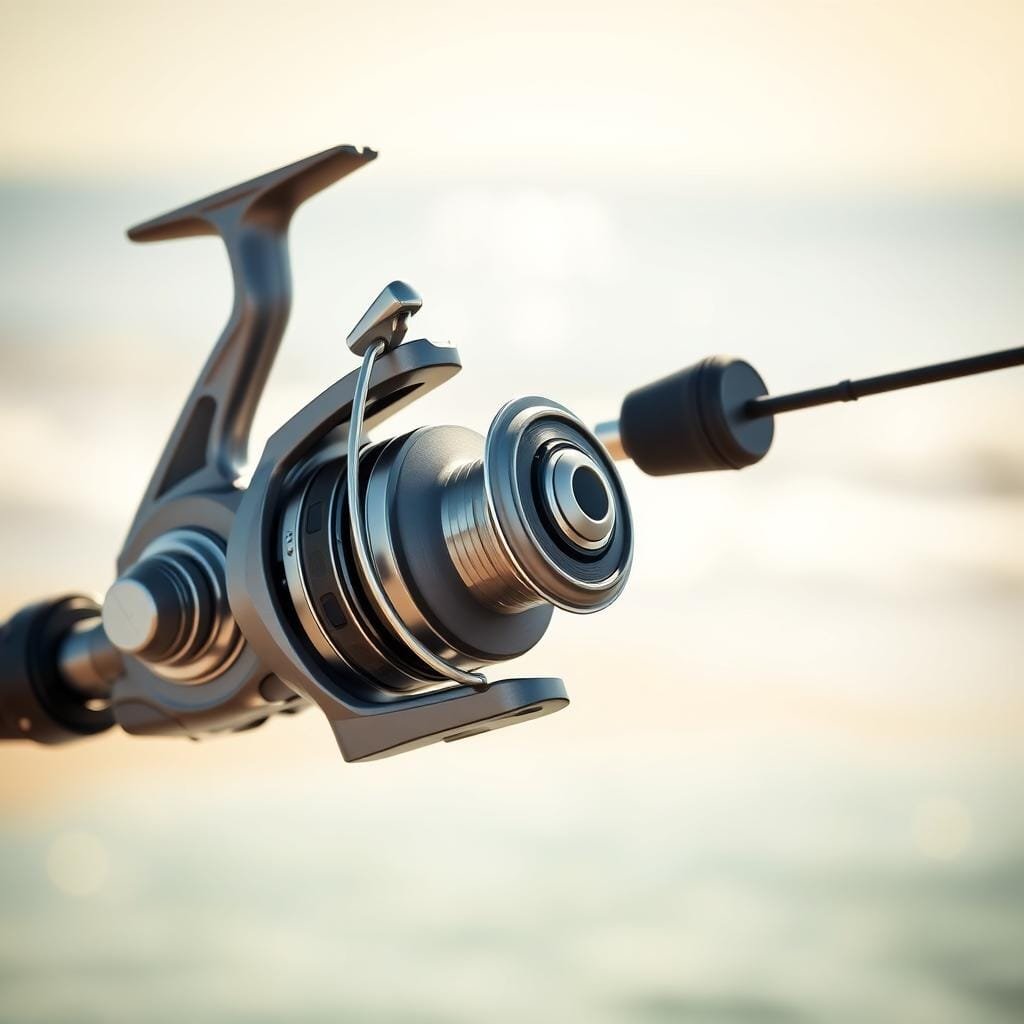
Fishing for seatrout needs skill, patience, and the right gear. Choosing the best inshore fishing rod and spinning reel combo is key. It makes your fishing better and helps you catch these tricky fish.
When picking a rod and reel, think about what they can do. A good combo has a medium to medium-heavy rod, 7 to 7’6″ long. It should come with a small spinning reel, 2000 to 2500 series. This setup casts well, feels strikes, and fights seatrout well.
Choosing the right fishing line is also key. Use 8 to 10 lb braided line for seatrout with a 20 lb fluorocarbon leader. This mix is strong and stealthy. Seatrout have sharp teeth and are very aware of their surroundings.
- For more on picking the right gear, check out these tips on seatrout tackle.
Seatrout artificial lures come in many types. Soft plastic jigs on jig heads work great, mimicking baitfish. Topwater baits are exciting and good for surface strikes, drawing seatrout with their movement and sound.
Knowing which lures to use in different situations can boost your success. Switching between soft plastics and topwater, or knowing the small differences in lure performance, can make a big difference.
In conclusion, the right seatrout tackle is essential for catching seatrout. Each piece, from rods and reels to lines and lures, is important. With the right gear, every fishing trip is full of promise and adventure.
How to Catch Seatrout: Proven Techniques and Strategies
To catch seatrout, you need a mix of planning and practical fishing. This section will share tips to boost your catch rate. It covers how to use fishing gear and know seatrout habits.
Knowing how seatrout behave is key. They like certain places based on weather, tide, and time. Knowing where they might be can help you catch more.
- Choosing the right gear is important. Pick lightweight but strong tackle for different fishing situations.
- Learning how to reel in is also key. The speed and lure movement can make seatrout bite hard.
Here’s a simple table to help you quickly identify which areas might be profitable and what gear to use based on different conditions:
| Condition | Location Tip | Gear Recommendation |
|---|---|---|
| Clear Water | Look for structures like reefs or drop-offs. | Use transparent or semi-transparent lures to mimic live baits. |
| Overcast | Shallow waters can prove fruitful as seatrout venture out to feed. | Bright colored lures to attract attention in low light. |
| Strong Currents | Areas with obstructed flow, such as behind large rocks. | Heavier lures or jigs to maintain adequate depth. |
Each situation needs a different fishing plan. Being flexible can greatly improve your chances of catching seatrout.
In conclusion, using these flexible fishing strategies and seatrout tips will improve your catches. Keep learning and trying new things to find what works best for seatrout in your area.
Mastering Seatrout Fishing Techniques
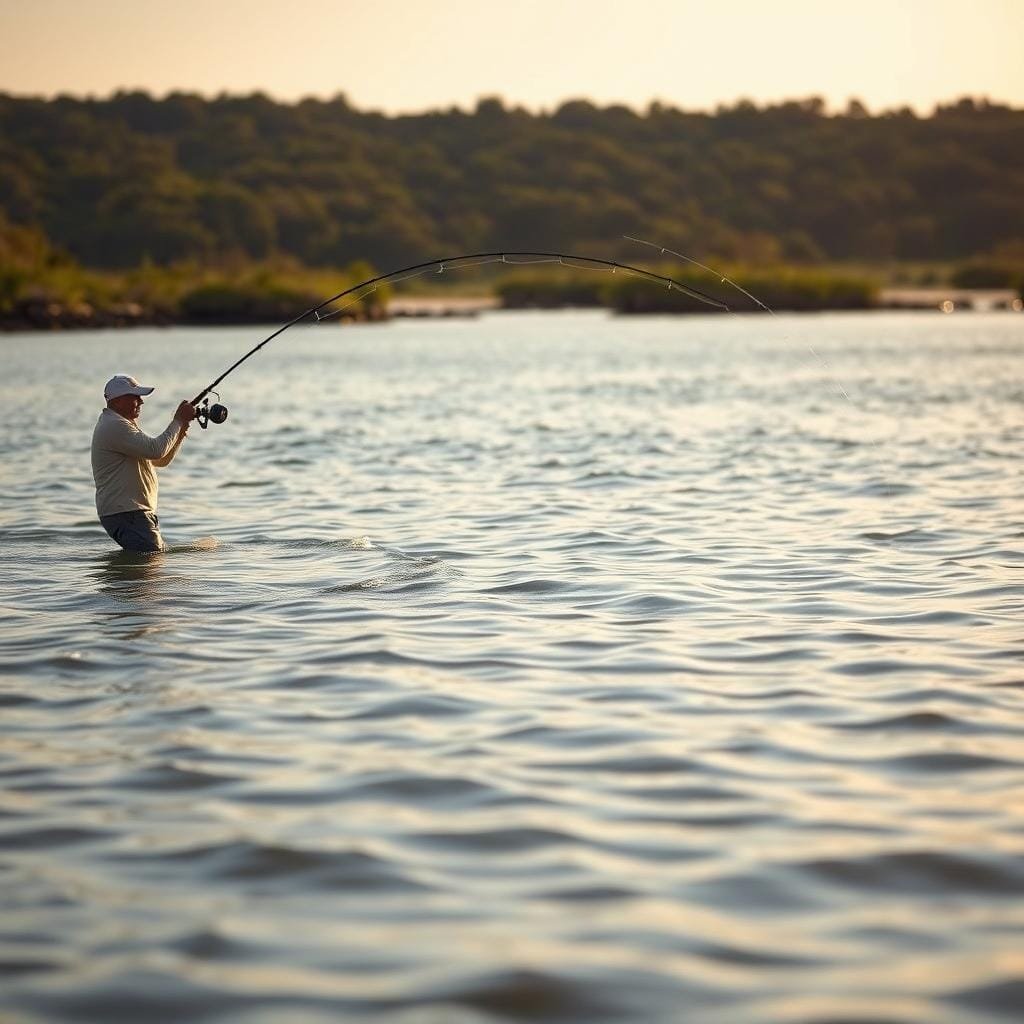
Effective seatrout fishing needs mastering several key techniques. These include both casting and retrieval. The way you cast and retrieve your lure greatly affects your success.
In this section, we explore the details of fishing casting techniques. We also look at how they work with lure retrieval to attract seatrout.
Casting for Success
Being good at seatrout casting is more than just throwing your line. Inshore casting needs precision and a soft touch to avoid scaring fish. Techniques like jigging for seatrout use rhythmic vertical motions to mimic injured baitfish.
This can be very tempting to seatrout hiding below. Using different fishing casting techniques helps you adapt to various environments and seatrout behaviors.
The Role of Retrieval Speed and Pattern
The way you retrieve your lure is very important for success. Angling retrieval patterns should change with the conditions. In colder waters, slower speeds are often better because fish are less active.
Techniques that mimic the natural movements of seatrout prey can lead to aggressive strikes. Quick, erratic retrievals work well in warmer waters. They mimic the lively actions of small fish or shrimp.
Finding the Perfect Seatrout Fishing Spot

Finding the best spot for seatrout fishing is not just luck. It’s about using advanced technology and knowing nature’s signs. Today, anglers use satellite imagery and maps to find the best spots. These tools help find the perfect places to fish.
Using maps and technology helps a lot. Anglers get real-time data and aerial views. They can see underwater features like plants and structures where seatrout like to be. These maps guide anglers to the best spots, saving time and catching more fish.
Knowing natural signs is also key. Signs like active baitfish and water ripples show seatrout are around. Understanding the coast helps anglers pick the right spot. This way, they fish where seatrout are most likely to be.
Using technology and nature’s signs together is a winning strategy. Anglers catch more fish and have a better time. They also fish more responsibly by targeting specific areas and not disturbing others.
Bait and Lure Selection for Different Conditions
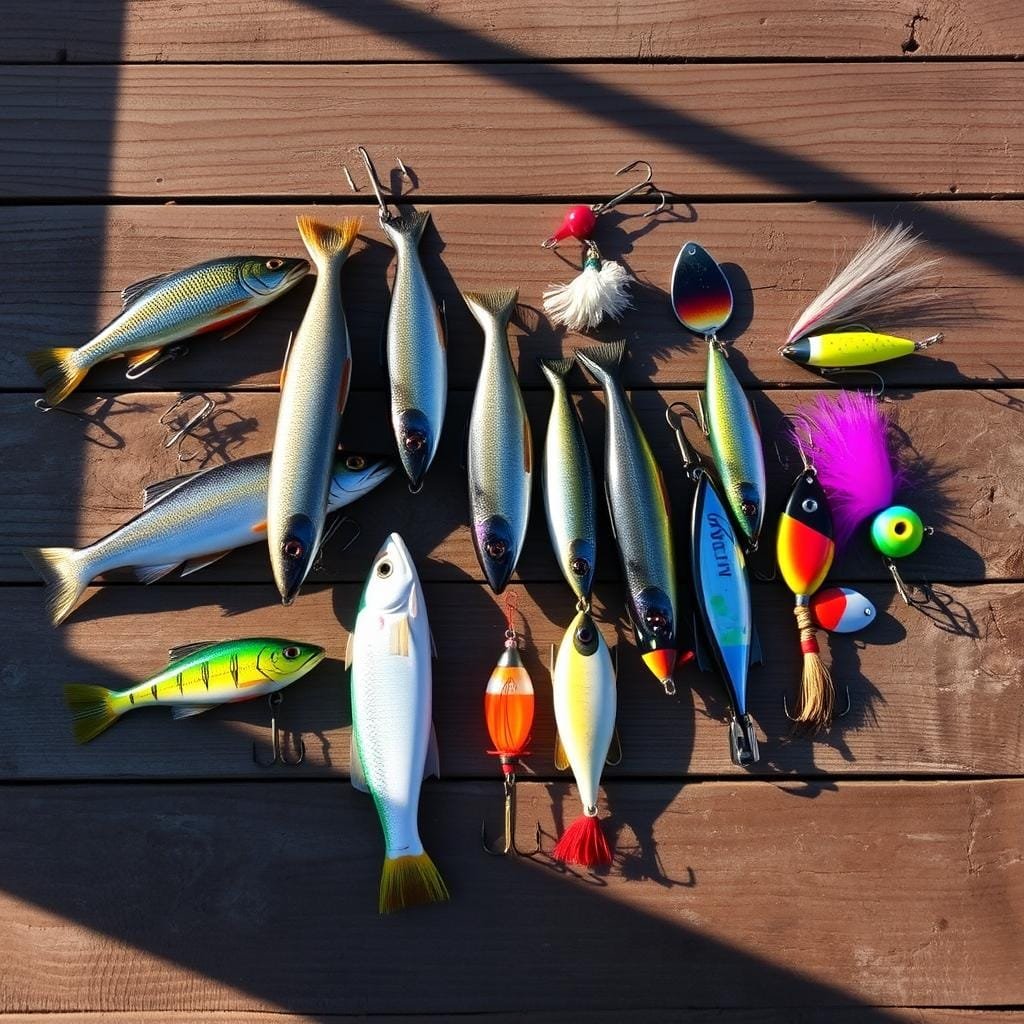
Knowing how to adapt bait for seatrout and pick the right lure is key for anglers. The weather, water, and how seatrout act change what bait to use. Here’s how to pick the best bait or lure for each situation.
- Soft plastics work well in clear and murky water. They look like small fish or shrimp.
- Topwater lures are great for windy days or when it’s not light. They make a splash that seatrout can feel.
- Natural baits like live shrimp and mullet are best in cold water. They attract seatrout with smell and feel.
Each lure and bait has its own job in seatrout bait choices. For example, on a clear day, soft plastics are better. But on a windy day, loud topwaters are best.
Changing your fishing style is not just about picking the right bait. It’s also about how you use it. Being good at fishing seatrout means knowing the weather and water. And making quick choices on what bait or lure to use.
The Art of Reading Seatrout Behavior
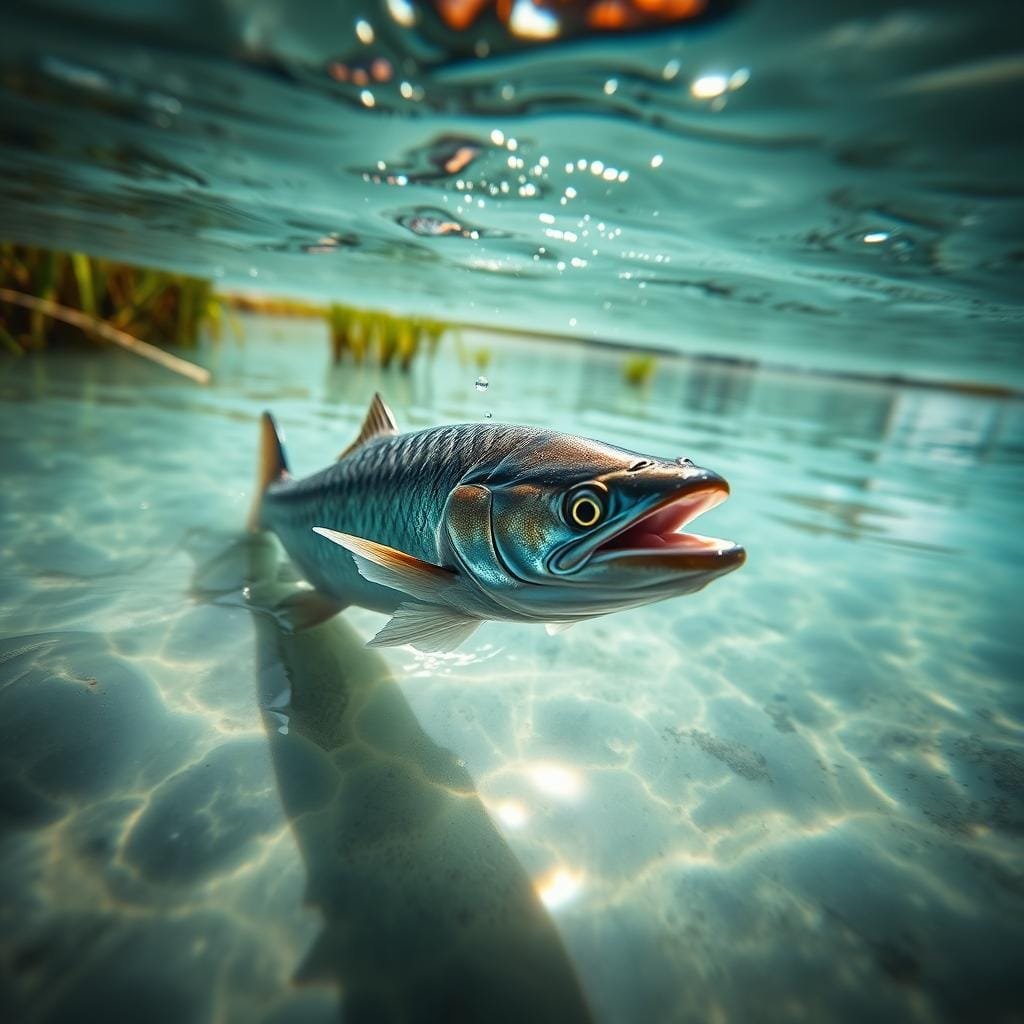
To catch more seatrout, you need to watch and learn. Knowing how seatrout eat and behave helps a lot. It makes fishing more fun and increases your chances of catching.
It’s important to see how seatrout react and change your fishing plan. Look for signs in the water and how fish act. For example, diving birds might mean there’s fish eating below the surface. This could be the time to use lures or bait that float.
Detecting Feeding Patterns
Spotting when seatrout are eating means watching for water movements or following baitfish. This helps you know when and where to fish. It’s about using the right fishing method based on what you see.
Adjusting Tactics According to Seatrout Activity
Changing your fishing plan is key when seatrout are not active. Use gentle methods and light tackle during these times. But, if you see more fish eating, you might need to fish harder and use bigger baits. It’s all about adapting to what you see.
| Condition | Observation | Recommended Strategy |
|---|---|---|
| Active Feeding | Increased surface disturbances and aggressive baitfish movement. | Use larger, more visible lures or fast-retrieving techniques to mimic fleeing prey. |
| Low Activity | Minimal surface activity, clear water. | Switch to smaller, more subtle lure presentations, employ slower retrieval speeds. |
Keep watching and learning from the water and fish. This way, you can get better at catching seatrout. It’s all about being ready to change your fishing plan based on what you see.
Advanced Techniques for Seasoned Anglers
Seasoned anglers change their ways with each season. They follow the seatrout’s moves and the environment’s signs. This keeps them fishing all year, catching these smart fish every month.
In spring, anglers move to shallow waters. This is where big seatrout are most active. They use this time to catch more by adjusting their fishing.
For trophy seatrout, anglers need to get creative. They use patience, skill, and the right gear. Using big baits and special retrieval methods helps, as shown in this guide.
Seasonal changes mean more than just where to fish. Anglers must change everything, from bait to technique. In summer, fishing early or late is best when it’s cooler.
Spring and fall are the best times for big seatrout. Here’s what to do during these seasons:
| Season | Strategy | Effective Baits |
|---|---|---|
| Spring | Target shallow grass flats in early morning | Topwater plugs, soft plastic jerkbaits |
| Fall | Focus on areas with high bait activity during the mullet runs | Live mullet, large pinfish |
Anglers adjust their fishing to match the season. They also face the challenge of catching trophy seatrout. The thrill of catching them is always the same, no matter the season.
Knots and Rigs: Securing Your Success
Learning secure knot tying and seatrout rigging is key for good fishing. It matters whether you fish in shallow waters or deeper areas. Knowing how to tie fishing knots for seatrout and set up rigs can make your fishing better. Let’s look at some top techniques to keep your line tight and your bait working well.
Tying the Most Effective Knots for Seatrout Fishing
When tying angling knots, being precise and reliable is important. The FG Knot is strong and great for braided lines in seatrout fishing. It makes the line and leader join smoothly, letting the lure move naturally. Here’s how to tie this important knot:
- Lay the leader parallel to your fishing line.
- Wrap the tag end of the braided line around both the leader and itself about 20 times.
- Secure the wraps by threading the tag end through the loop created between the leader and the main line.
- Moisten and pull tightly to consolidate the knot.
- Trim the excess from both the tag end and the leader close to the knot for a clean finish.
Rigging Techniques for Maximum Bait and Lure Performance
For effective rig setups for seatrout, you need to match the environment and fish behavior. Soft plastics on jig heads are a favorite among anglers. This setup looks natural and lets you control the bait’s movement. Here’s how to set it up:
- Pick a jig head weight that works for the current speed and water depth. It should hit the sea floor without slowing the lure.
- Put the soft plastic on the jig head from the tip, through the body, and out the other end. Make sure it’s centered for even swimming.
- Adjust the leader length based on water clarity. In clear water, use longer leaders to hide the line from trout.
Using these angling knots and seatrout rigging tips will make your fishing trips better. You’ll catch more fish and have more fun.
Responsible Fishing Practices and Conservation
In fishing, seatrout conservation is key for keeping nature balanced. It lets us enjoy fishing for years to come. This part talks about ethical angling practices and sustainable fishing. These are important for all anglers to follow to help marine life.
Following fishing rules is a big part of seatrout conservation. These rules help stop overfishing and keep fish numbers healthy. They are not just laws but also guide us to protect seatrout when they are most vulnerable.
Catch and release fishing is a big part of being ethical. It helps keep fish alive. Using barbless hooks is good for fish, as it causes less harm. This is why many anglers choose it for conservation.
| Temperature | Oxygen Level | Impact on Seatrout |
|---|---|---|
| Less than 15C | High | Optimal condition |
| 20C | Decreasing | Struggling |
| 25C and above | Low | Fatal |
It’s good to handle fish quickly, under 10 seconds. Knowing how seatrout need oxygen helps us fish better. This knowledge helps us make choices that are better for the fish.
Every angler can help with sustainable fishing by fishing right. Sharing what we know about seatrout helps make fishing better for everyone. By following these rules, we help seatrout populations grow. This lets us keep enjoying fishing these amazing fish.
Navigating Challenges: Common Mistakes and Solutions
Learning to fish for seatrout can be tough. You face changing weather and picky fish. It’s key to adapt and improve your fishing skills.
Overcoming Difficult Weather Conditions
Fishing in bad weather needs skill and smart plans. You must change your fishing spot, timing, and lures to match the weather.
Dealing with Picky Seatrout
When seatrout are hard to catch, make small changes. Try different lure sizes and colors. Less noise helps too. These small changes can make a big difference.
| Condition | Tactic | Expected Outcome |
|---|---|---|
| High Winds | Use heavier and more aerodynamic lures | Improved cast accuracy and reduced lure drift |
| Heavy Rains | Seek deeper waters where fish shelter | Increase in catch rate due to concentrated fish |
| Clear, Calm Days | Use natural-colored, smaller lures for stealth | Higher chance of attracting picky seatrout |
Fishing in tough weather or with picky fish is a test. But it also makes you better. Every catch is a win, making fishing more rewarding.
Putting it All Together: Planning Your Seatrout Fishing Adventure
Going on a seatrout fishing trip is more than just picking up a rod. It’s about careful planning to make sure everything goes right. This guide has given you the basics on seatrout behavior, the right gear, and how to catch them.
Knowing how to read the environment is key. Tides, weather, and where the fish live all matter. Plan your trip for the best conditions and use modern tools to help. This way, you’ll have a great time fishing, whether alone or with friends.
The real joy of seatrout fishing is the connection with nature. By planning well, from choosing your gear to perfecting your technique, you’ll have a day to remember. So, get ready, plan your trip, and enjoy the thrill of catching those fish.