Ready to catch hard-hitting linesiders? This guide shows you how to catch snook from beaches, bridges, and backwater edges. We’ll make it simple, sharp, and legal. So, you can fish with confidence from South Florida to Pacific river mouths.
Snook (Centropomus undecimalis) live around mangroves, docks, bridges, and inlets. They hunt like ambush pros, blasting shrimp and baitfish with a clean, heavy thump. They jump, surge, and dodge structure, making beach snook a rush and a test of your gear and nerve.
Success is all about timing and flow. Moving water stacks fish along beach troughs, sandbar rips, and dock shadows. Night and full-moon windows often light up the bite. Smart snook tips start with reading current, then matching it with the right snook baits and lures.
Bring a 3500–5500 reel on a medium-heavy rod, 15–30 lb braid, and 15–40 lb fluorocarbon leader. Use circle hooks for clean releases. For Florida snook fishing, keep tabs on seasons and slot limits; fines and gear loss are real if you ignore the rules.
Live bait shines: croakers, pilchards, scaled sardines, mullet, and pinfish. Lures that earn strikes include paddle tails on 1/8–1/4 oz jig heads, Heddon Zara Super Spook, MirrOLure Top Dog, DOA Shrimp, flair hawk jigs, and silver spoons. In the next sections, we’ll break down behavior, tides, and locations. So, you know exactly how to catch snook, pick the best snook baits and lures, and turn more follows into hooksets.
Understanding snook behavior, habitat, and seasonal movements
To find linesiders fast, think like the fish. Snook like edges, shade, and current. The best spots are where prey passes by cover.
Read the tide and watch the bait. Match your fishing to the snook’s home.
Where snook live: mangroves, docks, bridges, river mouths, and beach troughs
Snook like mangroves, dock pilings, and bridge shadows. They also like river mouths and beach troughs. These spots offer ambush points and shade.
On open coasts, fish beach troughs and inlets. These areas change with the tide.
Don’t forget canals and bends tied to saltwater. This is classic inshore fishing. Cast tight to cover and slide baits down current seams.
In Central America, heavy netting can thin out river mouth schools. Keep moving to fresh water that connects to the sea.
Ambush predators: feeding by sight, vibration, and that signature “thump”
Snook are built to pounce. They track by sight and feel vibration. When they strike, expect a blunt thump.
In stirred-up, milky-blue surf, they feed well. They use vibration and scent. Thumping jigs and rattling plugs work well here.
Fresh and salt water adaptability across the Americas
Snook handle both fresh and salt water. You’ll see them in rivers, creeks, and along beaches. Their adaptability explains their diverse habitat.
Snook move with the seasons. As water warms, they move to beaches to spawn. Then they drift back into rivers and bays.
Regulations and ethics: seasons, slot limits, and why poaching isn’t worth it
Snook regulations protect them. Seasons and slot limits vary by state. Keeping an out-of-season or outside-slot fish can lead to fines or worse.
Fish smart and safe. Use circle hooks, handle fish quickly, and release cleanly when needed. Respect for snook and their habitat means better fishing for everyone.
Best tides and timing for more bites
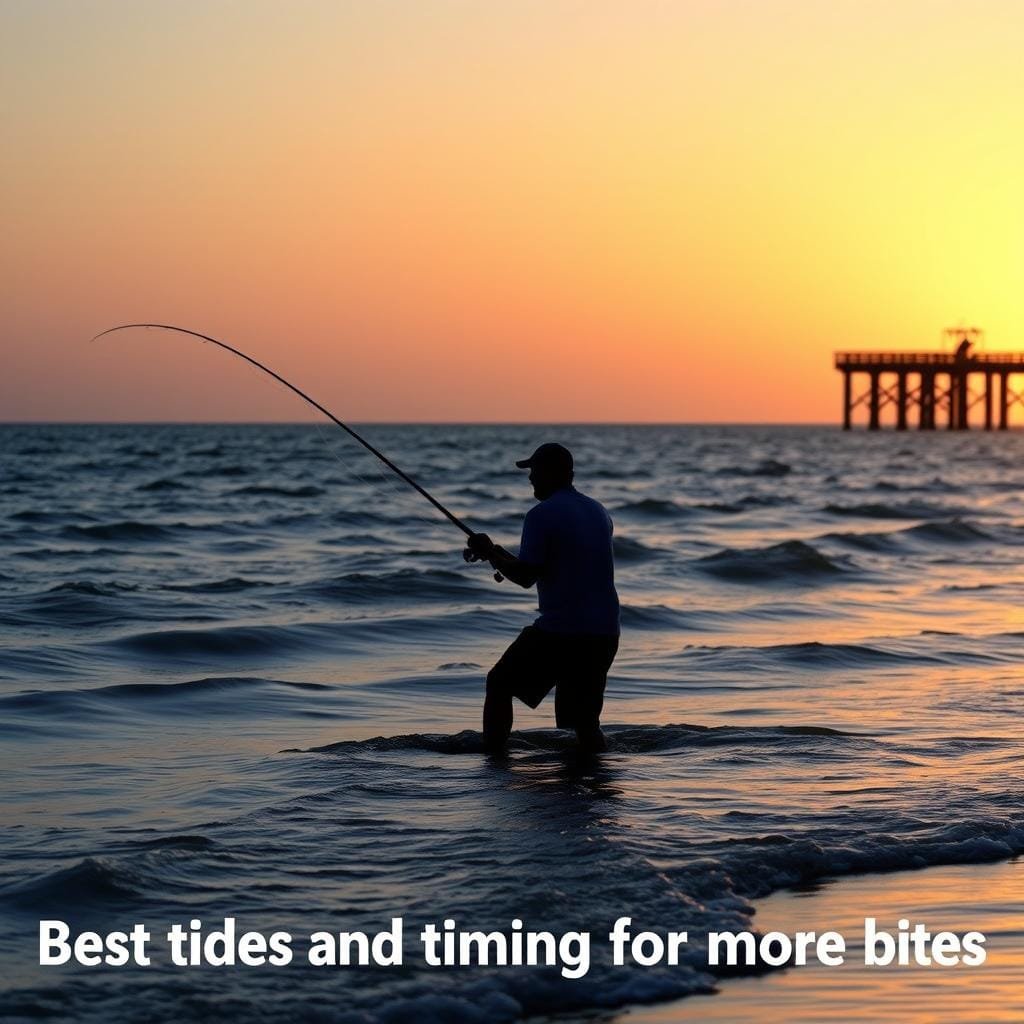
Snook wake up when water moves. The best tide for snook is almost always one with steady flow. This is because bait gets pushed and pinned.
Slack water slows the bite. So, plan around the push and the flip.
Why moving water matters: incoming versus outgoing high tide
On an incoming tide, snook slide tight to shore. They go into beach troughs to pick off glass minnows and pilchards. Short casts shine when the water rises.
You can work parallel to the lip.
During an outgoing tide, snook stack near sandbar rips and reef gaps. The ebb funnels bait, so fish set up to ambush. Aim your casts upcurrent and let the lure sweep through the seam.
At lower stages, fish push farther out, often past the outer bar. Longer rods and heavier jigs reach them. But watch your line angle to avoid rock and reef snags.
Night bites and full-moon windows
Night snook fishing peaks when tides shift hard, around the full moon. The moon’s pull tightens current, and fish feed as the direction changes.
Target the last hour of flood and the first of ebb. Keep moving until you find that first thump. Then stay put while the window holds.
Reading current seams, rips between sandbars, and dock lights
Look for nervous bait, off-colored streaks, and foam lines. Those marks trace current seams and sandbar rips where snook wait. Cast across the seam and let the lure track the edge.
Work dock light snook by placing baits on the dark side and drifting through the light line. Fish face into the flow, so present from upcurrent and keep contact without dragging.
| Tide Phase | Primary Holding Spots | Best Presentations | Key Cues | Why It Works |
|---|---|---|---|---|
| Incoming high | Shoreline troughs, mangrove points | Short parallel casts, slow-swim paddletails, freelined pilchards | Bait tight to the beach, clean green water | Incoming tide snook move shallow to ambush bait pushed landward |
| Outgoing high | Rips between sandbars, inlet outsides, reef gaps | Swept jigs, bucktails, drifting live mullet | Defined seams, falling water speed | Outgoing tide snook stack where current funnels prey |
| Low water | Outer bar edges, deeper potholes | Heavier jig heads, longer casts, slow hops | Bait farther out, darker blue lanes | Fish slide to depth as access shrinks and light penetrates |
| Night/full moon | Lighted docks, bridge shadows, channel bends | Subtle swimbaits, shrimp imitations, quiet topwaters | Current flips, bait silhouettes in light lines | Night snook fishing peaks as current intensifies and vision advantage increases |
| Wind-against-tide | Leeward banks, down-current eddies | Pinpoint casts to slicks and eddy heads | Choppy main flow, calm pockets | Micro-eddies form soft spots where bait pauses and snook stage |
how to catch snook
Start by catching snook basics. Put your bait where fish like to eat. Look for spots like docks, bridges, and mangroves.
Work the edges of these places. Let your bait drift with the tide. Move it slowly so it doesn’t drag on the bottom.
Choose simple fishing techniques for the water. On high tides, walk the beach and cast parallel to it. Use a 3–5 inch paddle tail on a small jig head.
Cast it into the trough. Keep moving to find fish. Look for nervous bait or the flash of a fish turning.
For inlet snook, use moving water techniques. Target rips on outgoing tides. Use heavier jigs and spoons to reach deeper fish.
Adjust your cast if the rip moves. Make sure your bait lands up-current. This helps it track through the strike zone.
Choose bait that matches where snook eat. Croakers and pinfish sit on the bottom. Mullet swim higher in the water column.
Freeline mullet in chest-deep water. Add weight if the wind or tide is strong.
Fishing is best at dawn, dusk, and night. These times can make fish more active. Move your bait when the tide changes to keep fishing good.
Use the right gear for your fishing. A medium-heavy rod with a 3500 reel is good for lures. Use bigger reels and rods for live bait or beach fishing.
Pro-approved tackle setups that land more linesiders
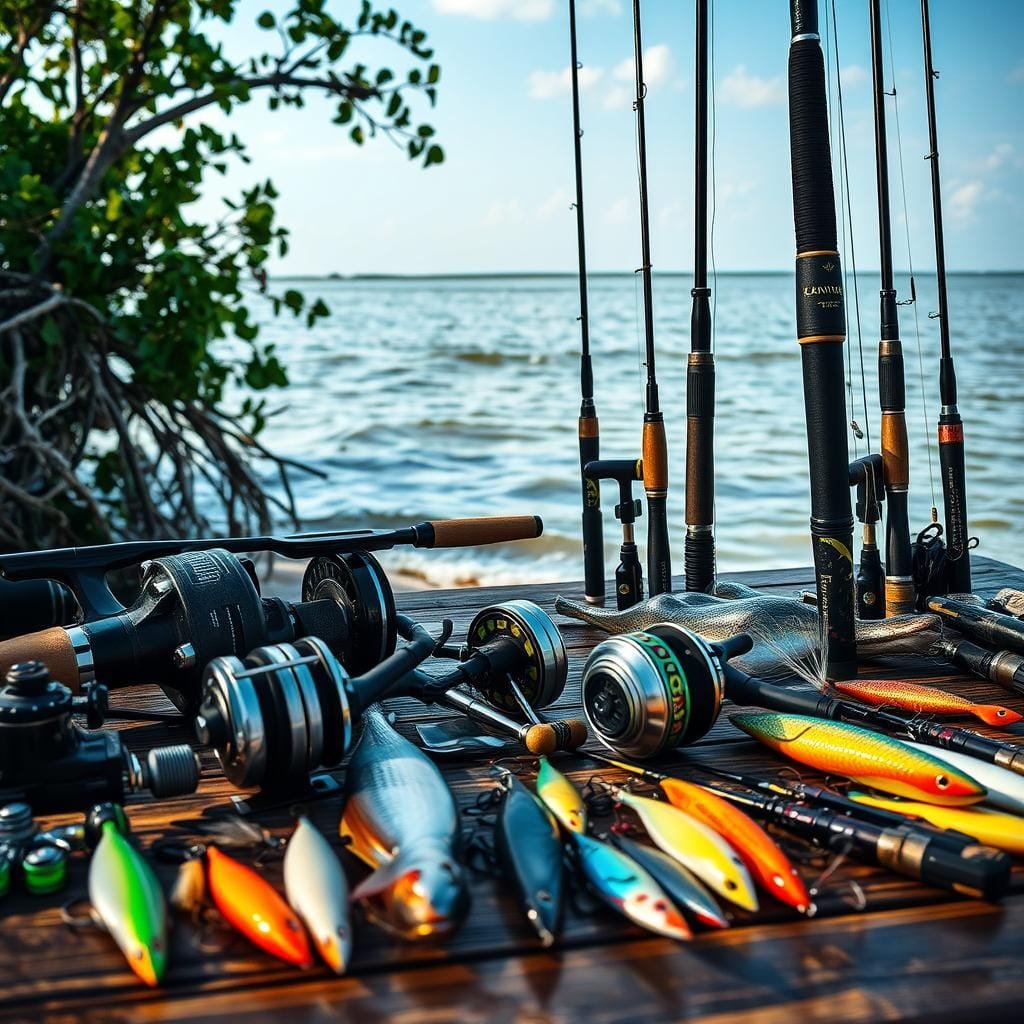
Choose tackle with smooth drag and saltproof parts. Pick the right rod for your fishing spot. Use braid and fluoro leader to handle different waters. The right gear saves fish and your tackle.
All-around spinning and baitcasting: 3500–5500 class reels and medium-heavy rods
For beach fishing, try a 3500 spinning reel with a 7 ft rod. Use 15 lb braid. Penn Spinfisher reels are great for the surf. Daiwa BG is good for boats.
For big fish or close structures, use bigger reels. A 4500–5500 reel has strong drag. This is best for fishing near bridges and docks.
Main line and leader: 15–30 lb braid with 15–40 lb fluorocarbon
Use 15–30 lb braid for distance and feeling bites. Add a 15–20 lb fluoro top shot in open water. For pilings or mangroves, use 30–40 lb fluoro.
Make clean connections. Use FG or RP knots for braid and fluoro. Shorten leaders in dirty water and lengthen in clear water.
Surf reach: when to step up to 8–10 ft rods
Wind, waves, and spread-out bait can push fish away. An 8–10 ft rod adds distance and control. You may need more reach for distant bars.
Pair long rods with a 5000 reel and 20–30 lb braid. This setup is great for surf fishing.
Hooks and hardware: circle hooks for healthier releases
Use inline circle hooks for live and cut bait. They help fish swim away strong. Choose hook size based on bait, not fish.
Choose corrosion-resistant split rings and swivels. Keep pliers ready. Strong hardware protects your gear when big fish fight.
- Penn Spinfisher, Daiwa BG, Daiwa Certate: sealed vs. durable vs. premium smooth drag
- Shimano round baitcasters: dependable for live bait duty
- Lines: 15–30 lb braid and 15–40 lb fluoro leader for adaptable coverage
- Rods: 7 ft medium-heavy for all-around; 8–10 ft for surf reach
- Terminal: inline circle hooks, quality swivels, fast-access pliers
Live bait that snook can’t resist
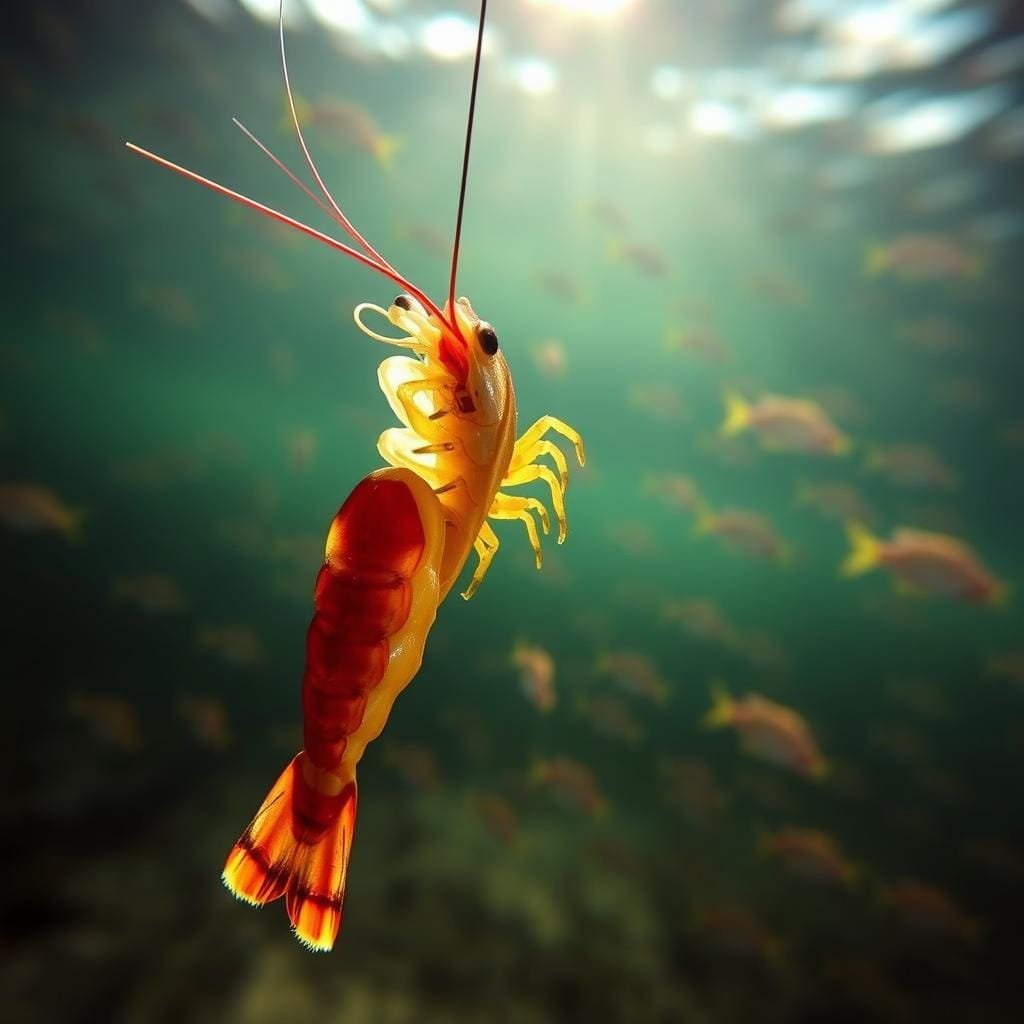
When the water moves and fish wait to attack, live bait is best. Choose bait that matches what snook eat. Use a natural drift and keep casts short.
Top producers: croakers, pilchards, scaled sardines, mullet, and pinfish
Croakers are great for snook on open beaches. They move on the bottom and attract big fish. Pilchards and scaled sardines are also good when schools swim by.
Mullet are known for their size and shine. Pinfish stay near structures and fight hard.
Live shrimp and sardines work well in bays and inlets. Try different baits until you get bites. Then, stick with what works.
Presentations: freelining vs. adding weight to stay in the strike zone
Freelining is good for natural looks and keeps bait lively. It works best in shallow water. For deeper water, add a small egg sinker to keep bait at the right depth.
When using mullet, expect to catch other fish like tarpon. Use strong gear for surprises.
Match local forage: catching bait where you fish
Net bait at your fishing spot. It makes you feel more confident. Use a sharp hook to keep pilchards and sardines alive.
Cast near schools of bait. Snook will go for your bait instead of the school.
Keep different baits ready. The best bait changes with the tide and weather.
Positioning baits around docks, mangroves, troughs, and inlets
Place baits close to docks and mangroves. Use croakers in bottom lanes where big fish hide. On beaches, cast near the first trough.
In inlets, drift through rips. Adjust your bait to match what snook prefer.
Lure choices that trigger strikes in different conditions
Match lure profile to water mood and light. In chop or milky-blue water, lean on vibration. In clear, calm water, scale down and slow down. Keep a small rotation of the best snook lures so you can switch fast when the bite shifts.
Paddle tails on 1/8–1/4 oz jig heads for beach troughs
A 3–5 inch white or root beer paddle tail on a red 1/8–1/4 oz head is a beach staple. Walk the sand, cast parallel, and bounce it a few feet off dry land through the trough. This simple paddle tail jig snook setup covers ground and stays in the strike lane.
Speed up in stained surf; slow hop in clear water. When swell builds to 2–3 feet, that thump stands out and draws reaction bites.
Topwaters like Super Spook and walk-the-dog plugs in low light
At dawn and dusk, a Heddon Zara Super Spook or MirrOLure Top Dog shines. Pick natural hues with a light belly and darker back, or go all white when bait sprays. Work a crisp walk-the-dog track parallel to the shoreline to tempt a Super Spook snook blowup.
Pause near bait pods or nervous water. Subtle taps between glides often seal the deal.
Soft plastics and DOA Shrimp for picky fish
When fish stare more than strike, swap to a DOA Shrimp snook presentation or a slim jerk shad. Start slow with micro twitches, then add pace if they trail. Natural profiles in clear water keep you in the game when the bite is tight.
Let the lure glide and settle. Many eats happen on the drop.
Flair hawk jigs and spoons when you need distance or bottom contact
A flair hawk jig is money over sand and along inlet edges. Bounce bottom with short lifts; choose white in clear water and pink or chartreuse in murk. When fish stage near the outer bar, a silver spoon snook retrieve flies farther and stays down where they cruise.
Vary cadence from steady to pump-and-wind to trigger follows into strikes.
| Lure/Style | Best Use Case | Color Cues | Key Retrieve | Why It Works |
|---|---|---|---|---|
| 3–5″ Paddle Tail on 1/8–1/4 oz Jig | Beach troughs with light current | White or root beer; red jig head | Parallel casts, bottom hops | Stays in the trough and sends vibration that tracks well in surf |
| Heddon Zara Super Spook / MirrOLure Top Dog | Low light, calm surface | Natural back/light belly; all-white | Walk-the-dog with brief pauses | Creates a wide zigzag that draws surface strikes from cruising fish |
| DOA Shrimp and Slim Jerk Shad | Clear water, pressured fish | Translucent, olive, or pearl | Slow glide, subtle twitches | Natural profile for sight-feeding snook that ignore larger offerings |
| Flair Hawk Jig | Inlets, channels, sandy bottoms | White in clear; pink/chartreuse in murk | Bottom-bounce with short lifts | Maintains bottom contact and pushes water for reaction bites |
| Silver Spoon | Long casts to outer sandbar | Chrome/silver | Near-bottom sweep with speed changes | Casts far, flashes bright, and covers water fast to find pods |
Keep rotation tight: paddle tail jig snook for coverage, Super Spook snook for low light, DOA Shrimp snook for finesse, flair hawk jig for depth, and silver spoon snook for distance. Adjust color and cadence to match water clarity and swell.
Dialing in locations: beaches, intracoastal, bridges, and river mouths
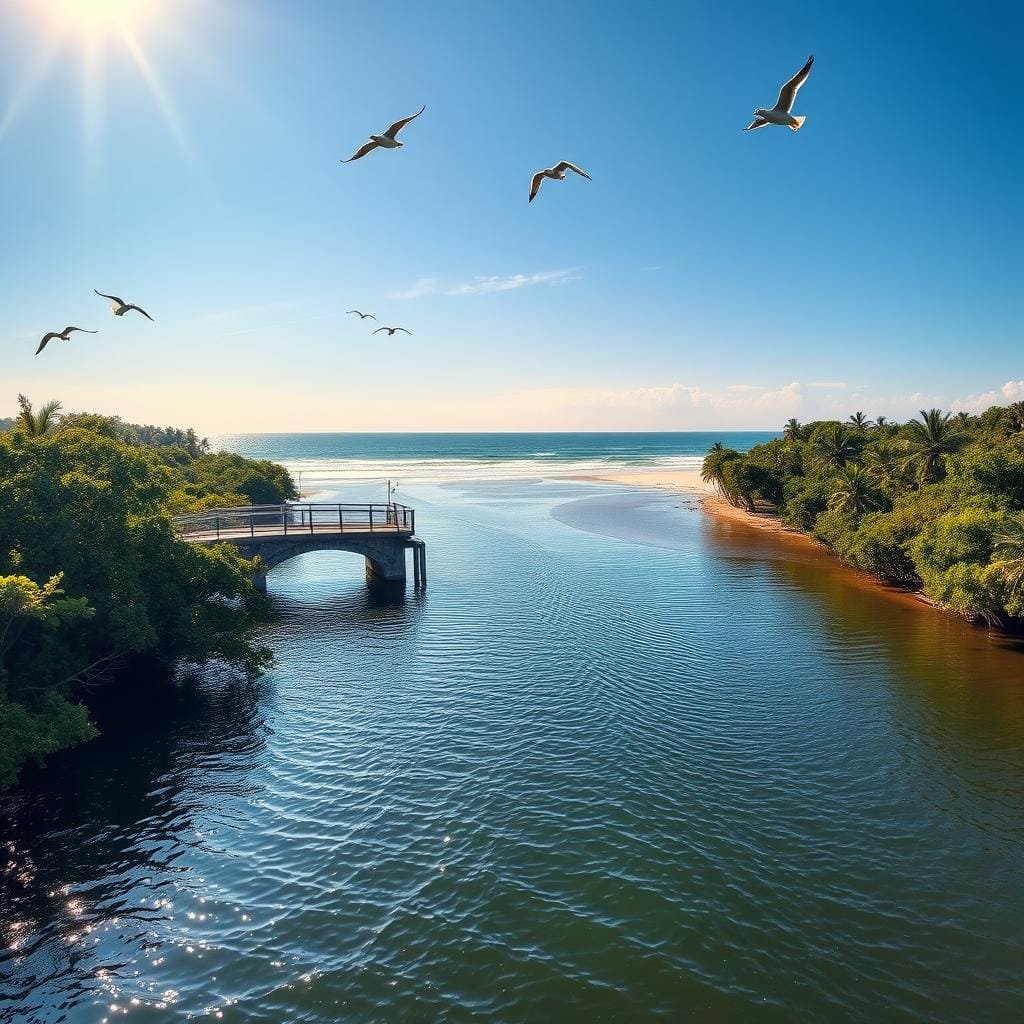
Anglers should match snook locations to the tide, light, and structure. Use beach snook tactics at first light. Then, move to intracoastal snook as the sun rises.
Work bridge snook after dark. River mouth snook feed with current and bait flow. Remember, stealth, timing, and precise casts are key in Florida.
Walking the beach: fishing parallel and bouncing the trough
Walk the sand on higher tides and cast parallel. Use a 1/8–1/4 oz jig to bounce along the bottom. Then, swim it through the lane.
When fish move to the outer bar on lower water, use an 8–10 ft rod. Use heavier lures to reach them.
Look for glass minnows and mullet showers. These signs show where snook are. A quiet approach is best. Use long casts, slow retrieves, and clean angles.
Intracoastal and bridge pilings: avoiding break-offs in structure
Snook hide tight to pilings and eddies. Use 30–40 lb fluorocarbon to fight off barnacles. Set the hook, turn the head, and keep them in open water.
Target shadow lines and tide swings around span lights. Intracoastal snook will sit down-tide of a piling. Bridge snook will bump a jig along the base, then pause.
River mouths and Central America hotspots
Where fresh meets salt, bait stacks and predators follow. River mouth snook feed on the edges of color change. Cast up-current, let the lure sink, and swim it through the seam.
In Central America, bucktail jigs with plastic tails are deadly. Pressure varies by region. Adjust to current speed and clarity.
Florida nuance: pressured fish and smarter tactics
Florida snook see it all. Downsizing leaders and skipping baits deep under docks are key. Practice careful releases when legal.
During summer, inlets draw spawning fish. Respect local rules. Blend these tactics with sharp reads on tide and light.
| Spot Type | Best Window | Primary Tactic | Key Gear Note | Why It Works |
|---|---|---|---|---|
| Beach Trough | First light, rising tide | Parallel casts, bounce jigs | 8–10 ft rod for sandbar reach | Covers the lane where bait funnels and fish cruise |
| Intracoastal Docks | Moving water, shade periods | Skip baits deep, slow roll | 30–40 lb fluoro leader | Gets reaction strikes from tight, wary intracoastal snook |
| Bridge Pilings | Night, tide switches | Work shadow lines, control the first run | Fast drag, abrasion resistance | Stops bridge snook from sawing off on barnacles |
| River Mouths | Outgoing tide, bait flush | Bucktails with plastic tails | Heavier heads for current seams | Stays in the strike zone where river mouth snook ambush |
| Florida Inlets | Summer spawn cycles | Live bait drifts, careful releases | Circle hooks, soft nets | Matches natural flow and protects pressured fish |
Tides, water clarity, and surf conditions
Your plan for catching snook starts with the tide. When the water is high, fish are close to the shore. This means you should use short, quiet casts.
But when the water is low, snook move to the outer bar. You’ll need longer casts with heavier lures or rods. The outgoing tide can create rips where bait gathers. The incoming tide can trap snook along the wash line.
Look at the water color too. The best time is when the water is milky blue after a swell. This color lets fish feel your lure or bait. Lures that make noise or have scent work well.
When the sun is low, the trough edge is a good place to fish. Walk and cast parallel to cover more ground.
Rough surf is not a problem for catching snook. The chop hides you and stirs up food. But, it makes it hard to control your line. Use braided line to feel every tick and keep slack down.
On low tide, long casts can drag on rocks. But, higher tides make it safer. For more tips on beach fishing, see this guide on snook surf conditions.
| Scenario | What to Look For | Why It Works | Tackle/Pitch |
|---|---|---|---|
| Outgoing high into rips | Foamy seams between sandbars and moving bait | Snook stage on edges to ambush | 3/8–1/2 oz jigs, cast across the seam; tide strategy snook favors cross-current swings |
| Incoming high tight to beach | Wash line trough within a rod length | Higher water shortens the strike zone | Light jig or freelined bait; stealth casts and slow retrieve |
| Low tide over outer bar | Subtle color change and nervous bait on the bar | Fish shift outward with depth loss | Heavier heads/sinkers, 8–10 ft+ rods to reach; manage shallow line angle |
| Milky blue water with 2–3 ft swell | Translucent blue-green tint and soft chop | Ideal water clarity snook; strikes by vibration and scent | Paddle tails, spoons, or scented baits; steady thump retrieves |
| Windy, choppy beaches | Broken surface, stirred crustaceans | Rough surf snook gain cover; bait dislodged | Braided line for feel, tighten drags slightly, keep rod tip high to clear waves |
Temperature, weather, and seasonal patterns
Snook quickly change their behavior with water temperature, wind, and surf color changes. Watch the sky, feel the breeze, and observe the swell before fishing. Small changes can move fish from one spot to another in minutes.
Optimal water temps and why cold snaps are dangerous for snook
Snook fish best when the water is near 70 degrees. At 65, they slow down. A bright afternoon can warm the shallows enough for a bite.
Rapid freezes can kill snook, mainly in tight bays and canals. After a hard front, fish deeper or near warm outflows. For more on winter behavior and closures, see this snook winter guide.
Why 2–3 ft swells and milky-blue water can be a bite bonanza
A 2–3 ft surf swell can make snook bite when the water turns milky blue. The light chop hides your line. Fish go shallow, track vibrations, and eat paddletails or live bait.
In calm, clear seas, fish slower. Match the hatch, use a longer leader, and slow your retrieve. The same spot that fired in chop can quiet down when the sea is smooth.
Summer beach runs and inlet spawning congregations
In summer, snook move along the sand and gather near points, rips, and creek mouths. Dawn patrols can find fish close to the first trough.
By peak heat, snook inlets fill with fish. Many places limit catching to protect these groups. Handle them gently and release quickly.
| Pattern | Trigger | Where to Look | Best Approach | Why It Works |
|---|---|---|---|---|
| Winter Warm-Up | Snook water temperature near 70°F after a front | Sunlit shorelines, canal corners, dark mud | Suspend baits slow; downsize leader | Sun boosts micro-warmth and visibility |
| Freeze Defense | Hard front, risk of cold snap snook kill | Deep holes, power-plant outflows, bridges | Probe vertical with jigs; minimize handling | Stable temps reduce stress and mortality |
| Beach Bite | 2–3 ft surf swell snook conditions, milky-blue color | Outer bar gaps, trough edges, rip seams | Paddletails on light heads; steady thump | Chop camouflages line and amplifies vibration |
| Summer Migration | Active summer snook run with bait schools | Beach points, creek mouths, sand troughs | Walk-and-cast parallel; keep baits low | Roaming fish track bait along linear edges |
| Inlet Spawning | Spawning snook inlets on strong tides | Jetty tips, eddies, and current seams | Live bait drift; circle hooks for quick release | Current funnels bait and concentrates fish |
Fight, land, and handle snook safely
Big fish hit hard and try to hide. When fighting snook near docks or bridge pilings, keep steady pressure. Angle their head away from danger.
A smooth, tight drag and quick footwork help you change angles. This prevents them from wrapping you.
Heavier fluoro leaders up to 40 lb resist abrasion. Short pumps, low rod angles, and staying mobile turn wild runs into control. This is the key to landing snook.
Fighting near structure: turn their head and keep pressure
As soon as you hook up, sweep the rod to turn the fish. Keep them off the piles. If they jump, bow the rod a touch to keep hooks pinned.
A calm, firm drag stops surges without popping knots. This is key when fighting snook in current.
Walk down the pier or along the seawall to improve the angle. If the fish dogs you into the shadows, drop the rod tip. Pull them into open water before they can rub the leader.
Handling tips: lip landing, avoiding sharp gill plates
For safe snook handling, grip the lower jaw with a wet hand or lip gripper. Support the belly. Do not slide fingers under the gill plate snook edge—it’s razor sharp.
Circle hooks help reduce deep hookups. This makes a quick snook release smoother.
Keep the fish wet, limit air time, and revive it facing the current. Ethical anglers treat every landing snook like a trophy. Let it kick off strong.
Culinary notes: white, medium-firm fillets and skin-off prep (where legal)
Where harvest is legal and within slot, the snook fillet taste is clean and mild. It has medium firmness. Trim red line, remove all skin before cooking, and chill the meat fast.
Pan sear or grill with citrus and herbs to highlight that delicate flavor.
Respect seasons and slot limits set by state agencies. Smart choices on the water today mean more biting and fighting snook tomorrow.
Sight fishing gear and stealth tips for U.S. waters
For sight fishing snook, start with good polarized eyewear. High-end lenses reduce glare and help you see fast. Amber lenses are great for stained bays, while rose or copper pop in grass flats.
Blue or gray mirrors work well in clear water. Costa Del Mar offers lenses for each situation. Their lenses also reduce eye strain.
See more on polarized sunglasses snook tips and why elevation and quiet matter.
Comfort is key. Wear UV fishing shirts that breathe and wick moisture. This keeps you cool on hot days.
Use braided main line for feeling bites. Add a fluorocarbon leader for stealth near rocks. This setup works well in rough surf.
Stealthy beach fishing means moving slow and keeping low. Cast 4–5 feet off the sand line. Snook like to be close to shore.
When fish swim out, use a longer rod for distance. In clear water, use small lures to avoid scaring fish.
Stay quiet in shallow water. Use a slow trolling motor or push-pole. Avoid making noise that scares fish.
Elevation helps you see deeper. But don’t get silhouetted against the sky. Use the right lens tint, like amber, to spot more fish.