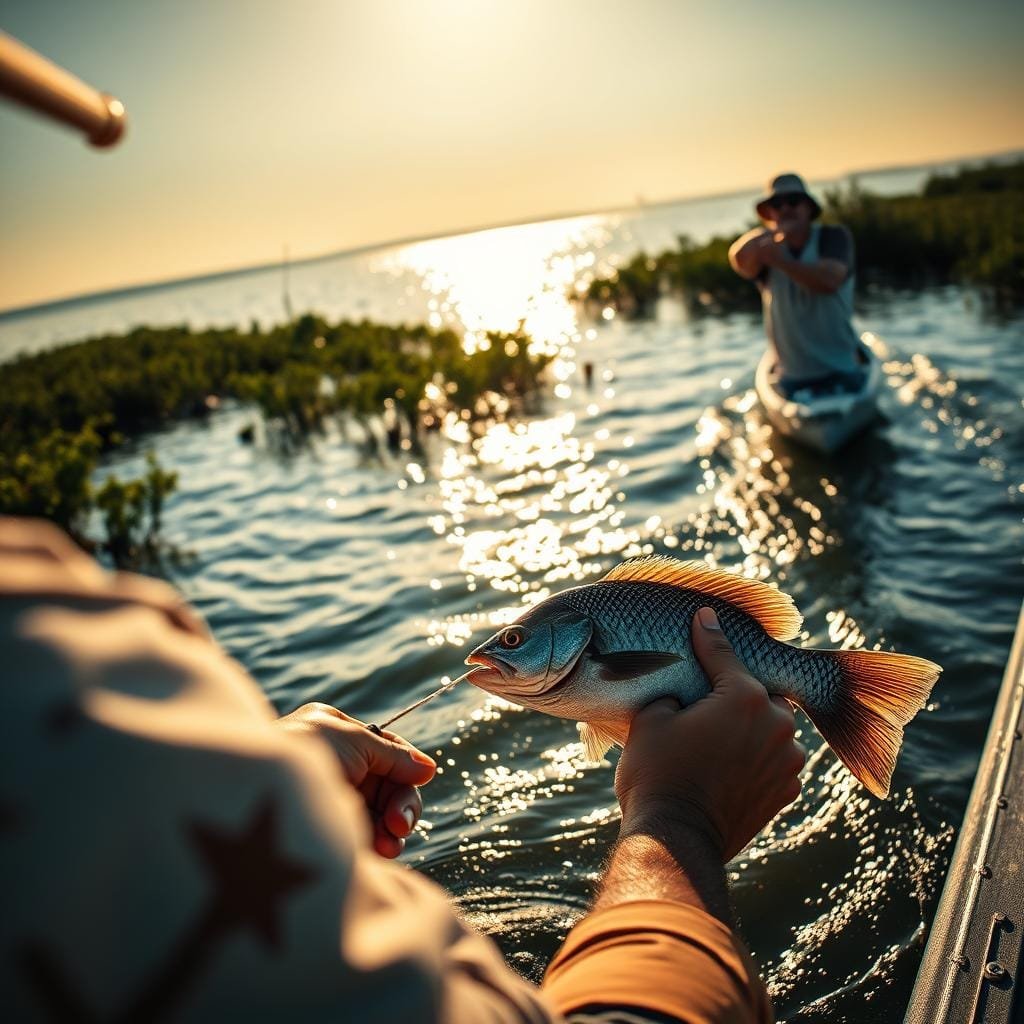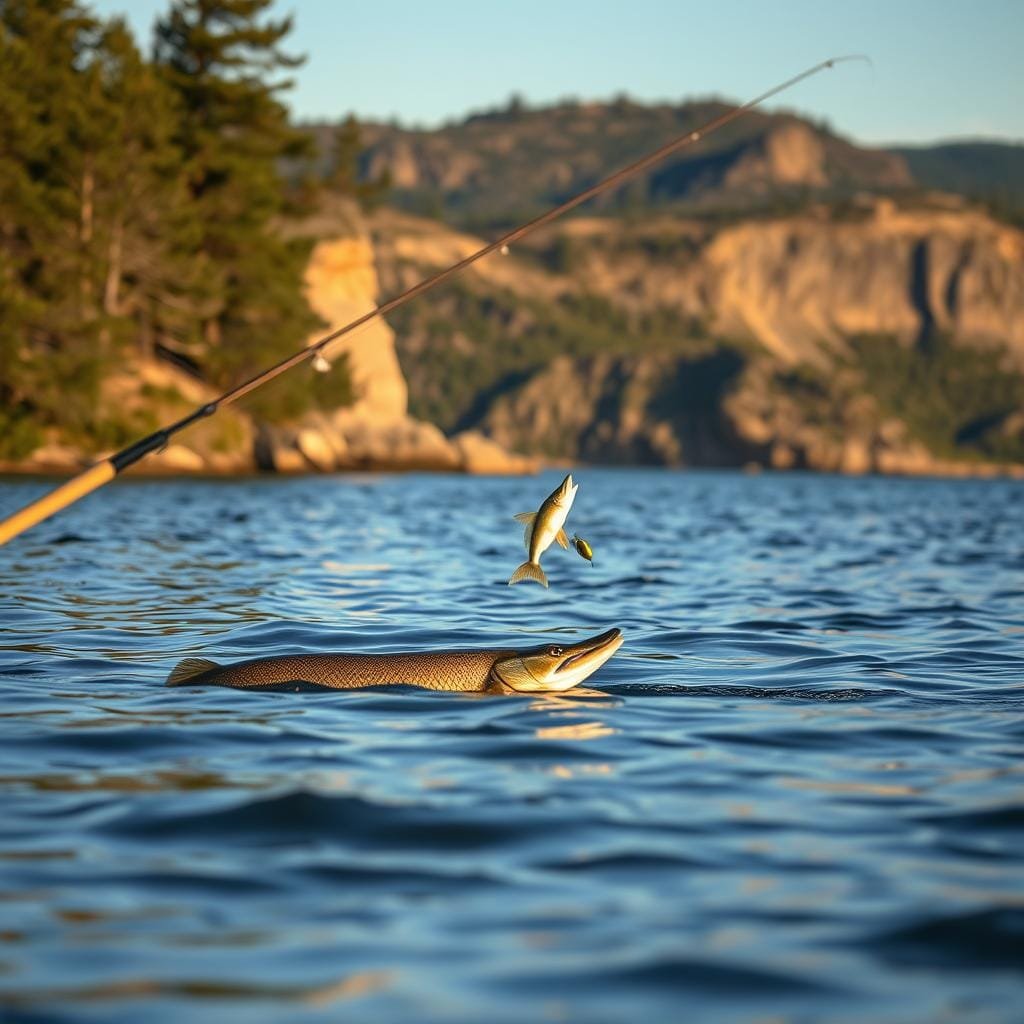
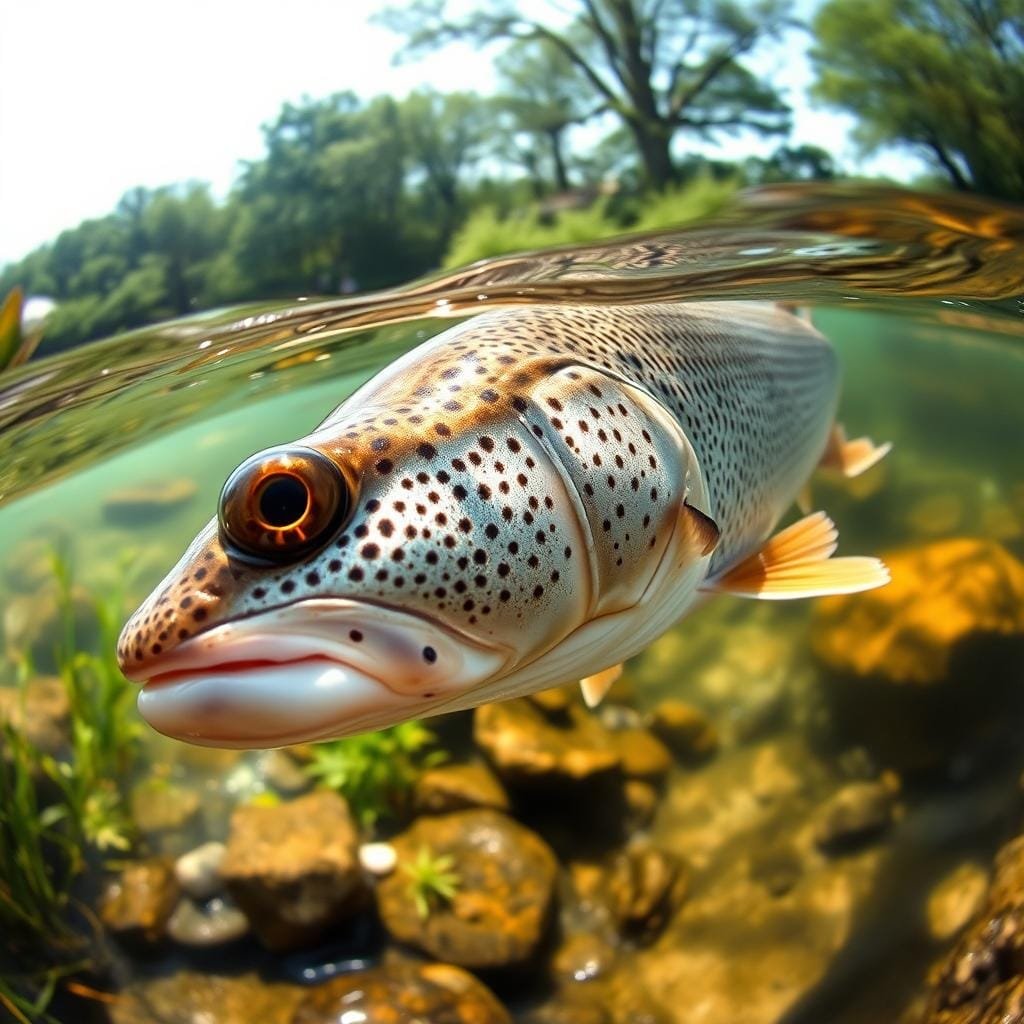
The sauger, Sander canadensis, is a fish that hunts in rivers. It has a long body and special scales. It ambushes its prey in murky water.
People wonder what saugers eat. The answer changes with the season and where they live. This article will explain what saugers eat and how they find food.
In the Midwest and Great Plains, saugers mainly eat small fish and bugs. They like to eat channel catfish, freshwater drum, and shiners. They also eat mayfly and midge larvae, crayfish, and other crustaceans.
In warm months, saugers hunt in deep, calm spots in rivers. They like to be near the bottom, near dams and big structures.
Saugers move a lot, too. They go upstream to spawn from March to May. Then, they drift back downstream from April to July. They follow their prey and the river’s flow.
Saugers can handle murky water better than walleyes. They don’t have the white tail tip that walleyes do. This affects how they hunt. For more info, see the sauger profile.
Young saugers start with tiny bugs and then eat fish as they grow. Adults mostly eat fish, too, but more in the fall. This is when they need more energy.
If you’ve wondered what saugers eat in different seasons, the answer is simple. They adapt to what the river offers. They stay low in the water and strike fast in dim light. This is how saugers survive in North American rivers.
Overview of the sauger’s diet and feeding behavior in North American rivers
Sauger are true river predators. They move with the water and follow prey. They hunt in slow-moving, murky waters.
Predatory nature and fusiform body advantages
This species is long and tapered. It moves fast in water. Its shape helps it turn quickly.
It can burst through water to catch fish. Sauger are good at finding shad and shiners in fast water.
Bottom-oriented feeding in turbid water
Sauger feed near the bottom. They like deep, sandy pools. This helps them ambush prey.
They hide in dark, muddy spots. Sauger catch fish that get lost in the current.
Differences from walleye in habitat and prey access
Sauger prefer rivers and murky water. They eat fish like drum and shad. Walleyes like clearer lakes better.
When they meet, sauger stay in deeper, murkier spots. They catch fish that walleyes miss.
What does sauger eat
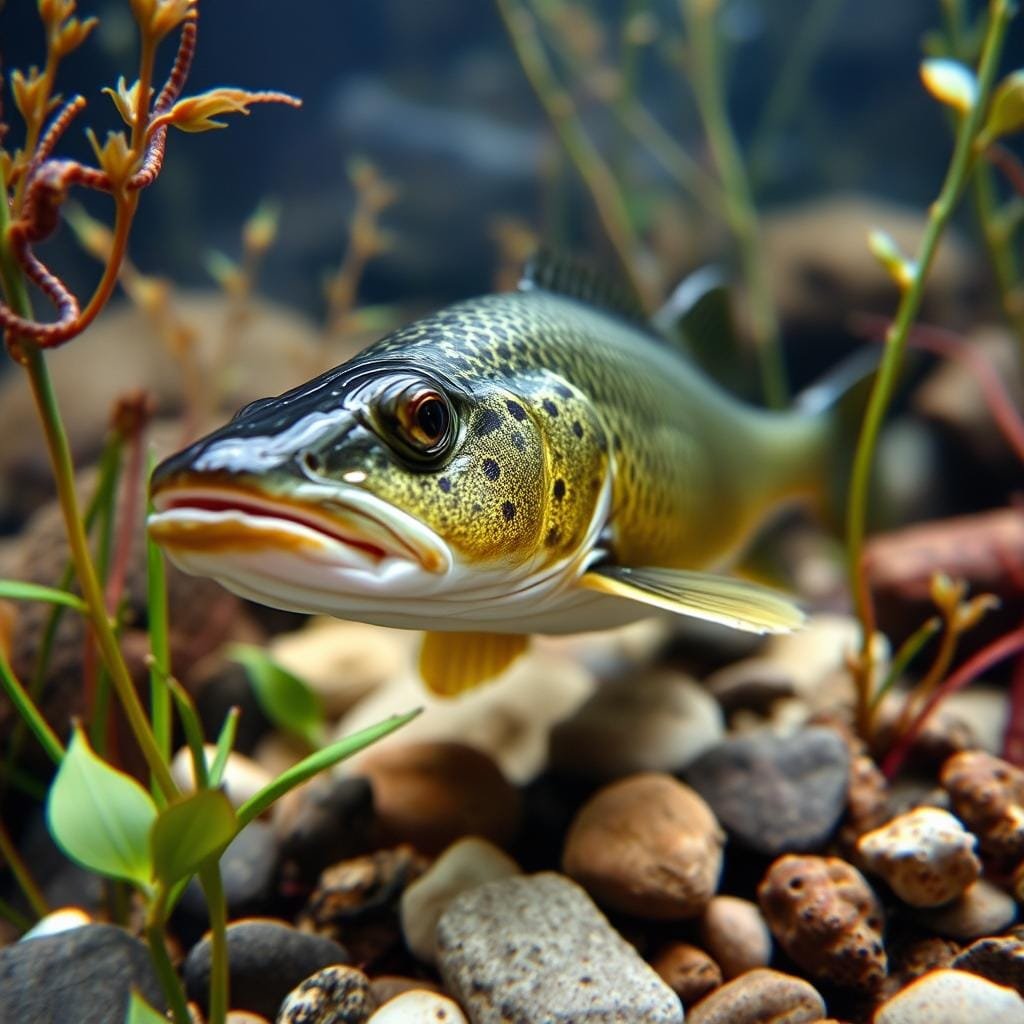
Sauger in U.S. rivers eat a variety of foods. This changes based on the water’s flow, how clear it is, and when food is plentiful. They mainly eat small fish, bugs, and crustaceans found in deep spots and where the water moves fast.
Primary prey types: fish, insects, and crustaceans
Adult sauger usually eat fish first. They like to eat freshwater drum, gizzard shad, shiners, and young channel catfish. They also eat crayfish and other crustaceans, and bugs like mayfly larvae and midge fly larvae when there’s a lot of them.
This variety helps small fish. When the water is murky or flows fast, they eat bugs and crustaceans. This helps them save energy.
How prey availability changes by season
What sauger eat changes with the seasons. In spring, they mostly eat catfish and drum near the channel edges. Summer is when they eat a lot of mayfly larvae, but they also eat fish when there are a lot of them.
In autumn, fish are their main food, with drum and gizzard shad being favorites. Winter is different because they eat what they can find in slow, deep water.
Size-specific diet shifts from juvenile to adult
Young sauger start with simple food like midge fly larvae. As they grow, they add mayflies and then small shiners to their diet.
Small sauger, about 200–299 mm, mostly eat bugs and mayfly larvae in spring and summer. But adults focus on eating fish first, then crayfish and other crustaceans. They also adjust to what’s available in the water, depending on the season.
| Life Stage | Dominant Foods | Key Seasons | Habitat Focus | Notes on Flexibility |
|---|---|---|---|---|
| Juvenile | Midge fly larvae, immature/adult mayflies | Spring–Summer | Backwaters, low-velocity seams | Feeds near bottom; shifts as juvenile sauger food drifts increase |
| Small (200–299 mm) | Benthic invertebrates, mayfly larvae; some small fish | Spring–Summer | Sand and silt substrates in turbid pools | Switches between insects and fish with flow and clarity |
| Adult | Freshwater drum, gizzard shad, shiners; crayfish and other crustaceans | Spring–Autumn | Deep pools, current breaks, dam tailraces | Fish-first strategy; adapts quickly to sauger prey types during peaks |
Seasonal diet: spring feeding patterns and key prey
From March to May, sauger fish move upstream to spawn. Then, they drift back to deep, murky pools. In these areas, they hunt quickly and catch prey fast.
Channel catfish and freshwater drum as main foods for midsize and large sauger
Midsize sauger and those bigger than 379 mm eat channel catfish and freshwater drum. These fish are good matches for sauger because they are similar in size and energy. They find these prey in deep, murky waters.
Small sauger focus on benthic invertebrates and mayfly larvae
Small sauger, 200–299 mm, eat benthic invertebrates and mayfly larvae. They choose small, easy-to-catch prey. As the water warms, they eat more invertebrates until they can eat bigger fish.
Role of shiners during spring
Shiners are a food source in spring, found in areas with currents. They are not the main food but add quick energy. They help fill the gap when other prey is scarce.
| Size Class | Primary Spring Foods | Where Feeding Peaks | Why It Works |
|---|---|---|---|
| Small (200–299 mm) | benthic invertebrates spring, mayfly larvae | Sand–silt flats, slow inside bends | Easy to capture, fits gape limits, steady drift supply |
| Midsize (300–379 mm) | channel catfish prey, freshwater drum prey | Deep, turbid pools below dams and cutbanks | High energy payoff, bottom‑oriented contact, dense schools |
| Large (>379 mm) | freshwater drum prey, channel catfish prey; shiners spring forage as secondary | Pool heads, scour holes, low‑velocity seams | Targets concentrate after spawning; short chases in murk |
Summer diet: mayfly larvae peaks and fish consumption
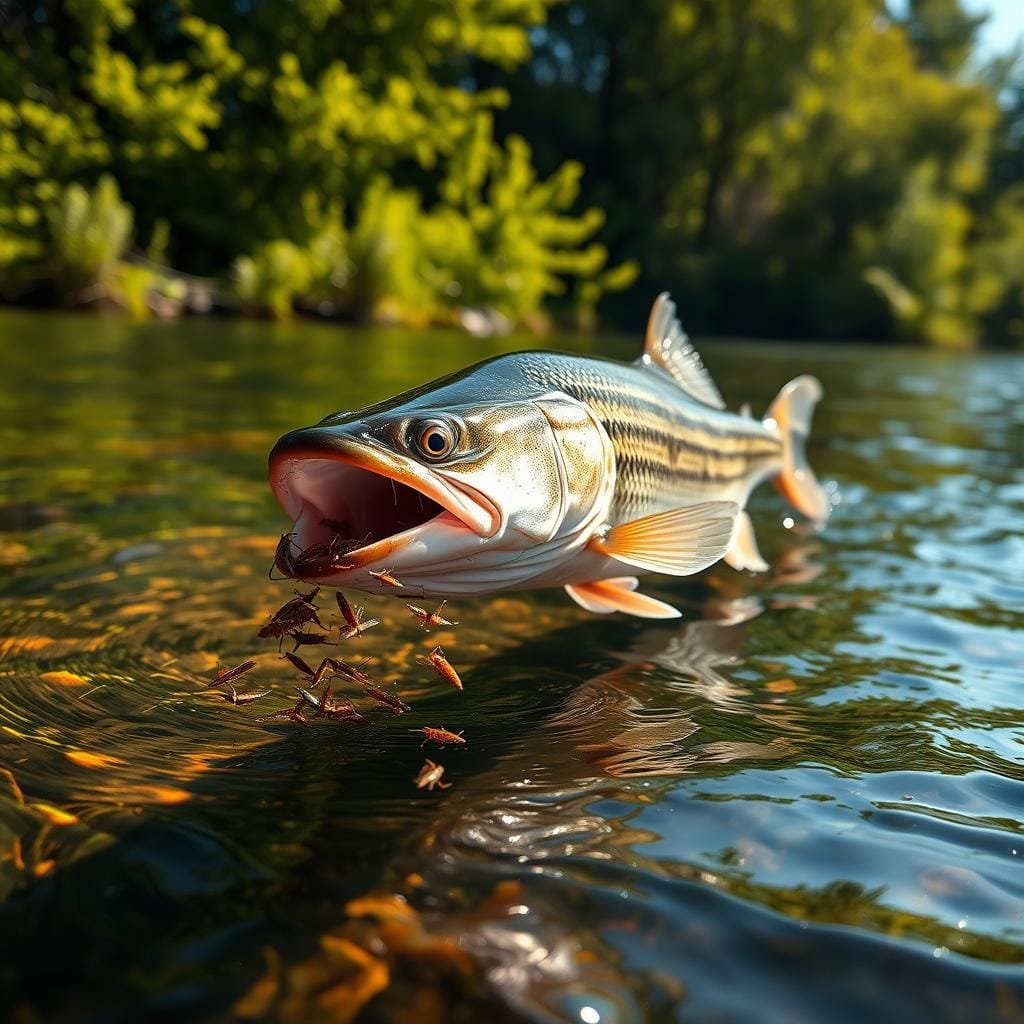
When rivers warm up to 68–82°F, sauger start to feed more. They like areas with murky water, deep pools, and slow spots. These places are where river bugs are most active, and sauger eat them up.
mayfly hatch fish diet patterns show why larvae become easy targets in summer. As nymphs rise from sand and silt, sauger catch them near current breaks. This is because of warm water and short feeding bursts at dusk and night.
Predominant use of mayfly larvae by midsize and large sauger
Midsize and large fish rely on nymph swarms during river invertebrate peaks. They move along drop-offs and wing dikes, catching larvae that pass by. Small sauger stay on the bottom and eat mayfly larvae when flow pushes them up.
Ongoing fish prey where available
Even in heavy bug hatches, sauger eat fish near structure. They also eat shiners, young drum, and gizzard shad when it’s hard to see. In pools below dams, they quickly switch from insects to minnows to keep eating.
Influence of warm water (68–82°F) on foraging
At these temperatures, sauger’s metabolism goes up and they strike faster. They hide in shade lines and then quickly chase baitfish or drifting nymphs. This warm water behavior makes them ambush in areas with soft current and cover, leading to quick hits.
Autumn diet dominance: fish making up over 99% of intake
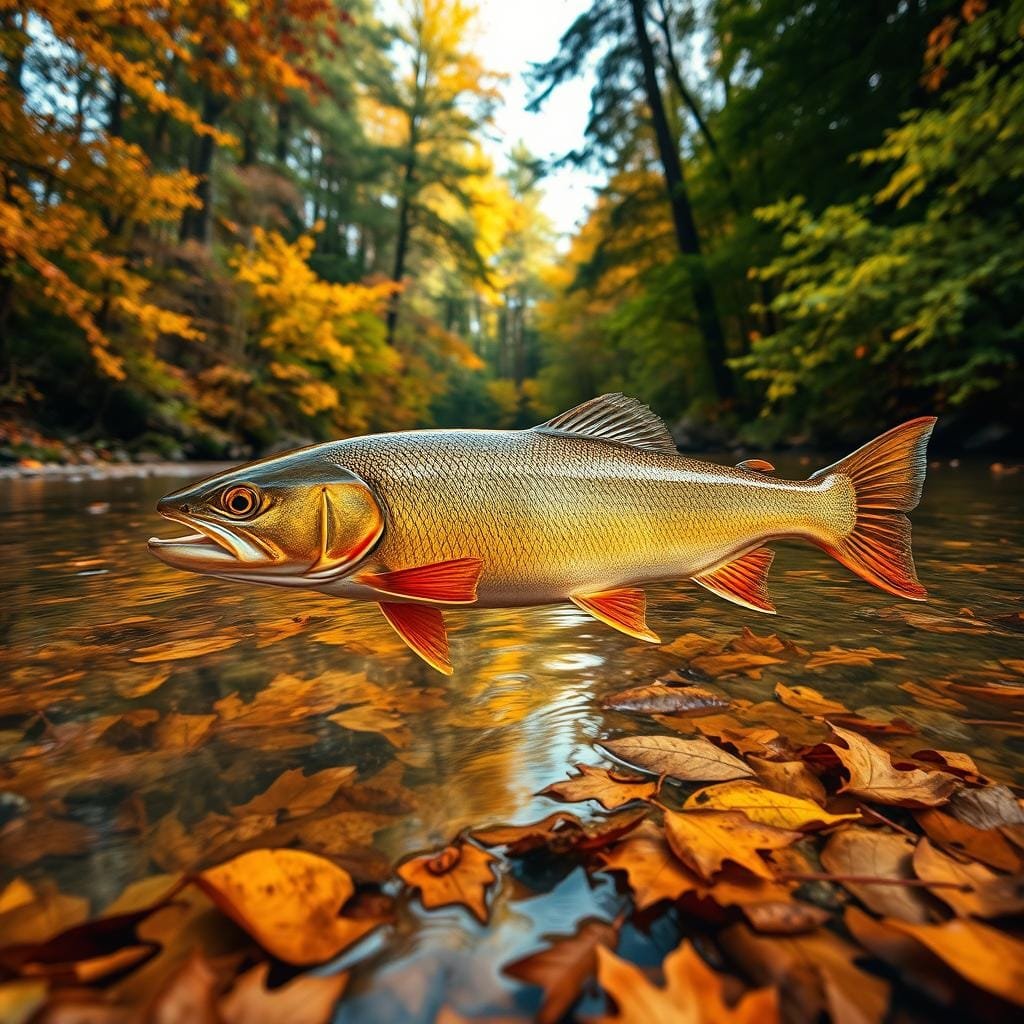
As rivers cool, sauger eat mostly fish. In the Missouri and Ohio rivers, fish make up over 99% of their diet. They hide in deep pools and below dams, where it’s murky and fish gather.
It’s easier to catch fish in the low light of fall. Minnows are less common, and bigger fish are more important for sauger’s food.
Importance of freshwater drum and gizzard shad
Freshwater drum and gizzard shad are key in sauger’s diet. Drum are found in channel edges, and shad swim in schools in tailwaters. Sauger catch them easily when they hit the bottom.
This makes autumn the peak time for catching fish. The water is murky, and the fish are plentiful, making it easy for sauger to eat.
Shiners’ reduced presence in fall diets
Shiners are less common in fall as the water cools. Sauger catch fewer shiners, which means they eat more fish. This change helps sauger prepare for winter.
Energy buildup ahead of winter
With shorter days, sauger focus on gaining weight. They eat more fish like drum and shad, which gives them energy. This helps them get ready for winter.
| Primary Fall Prey | Why Sauger Target It | Typical Location | Feeding Edge |
|---|---|---|---|
| Freshwater drum (Aplodinotus grunniens) | High energy per capture; steady availability in channels | Deep pools, channel bends, scour holes | Ambush in turbidity; short chase distance |
| Gizzard shad (Dorosoma cepedianum) | Large schools enable rapid intake when corralled | Tailwaters below dams, eddies, current seams | School compression at low light boosts strike success |
| Shiners (Notropis spp.) | Lower payoff in fall; less abundant in main flow | Backwaters and slack margins, less overlap | Reduced role as piscivory in autumn concentrates on larger fish |
Winter feeding tendencies and habitat-driven foraging
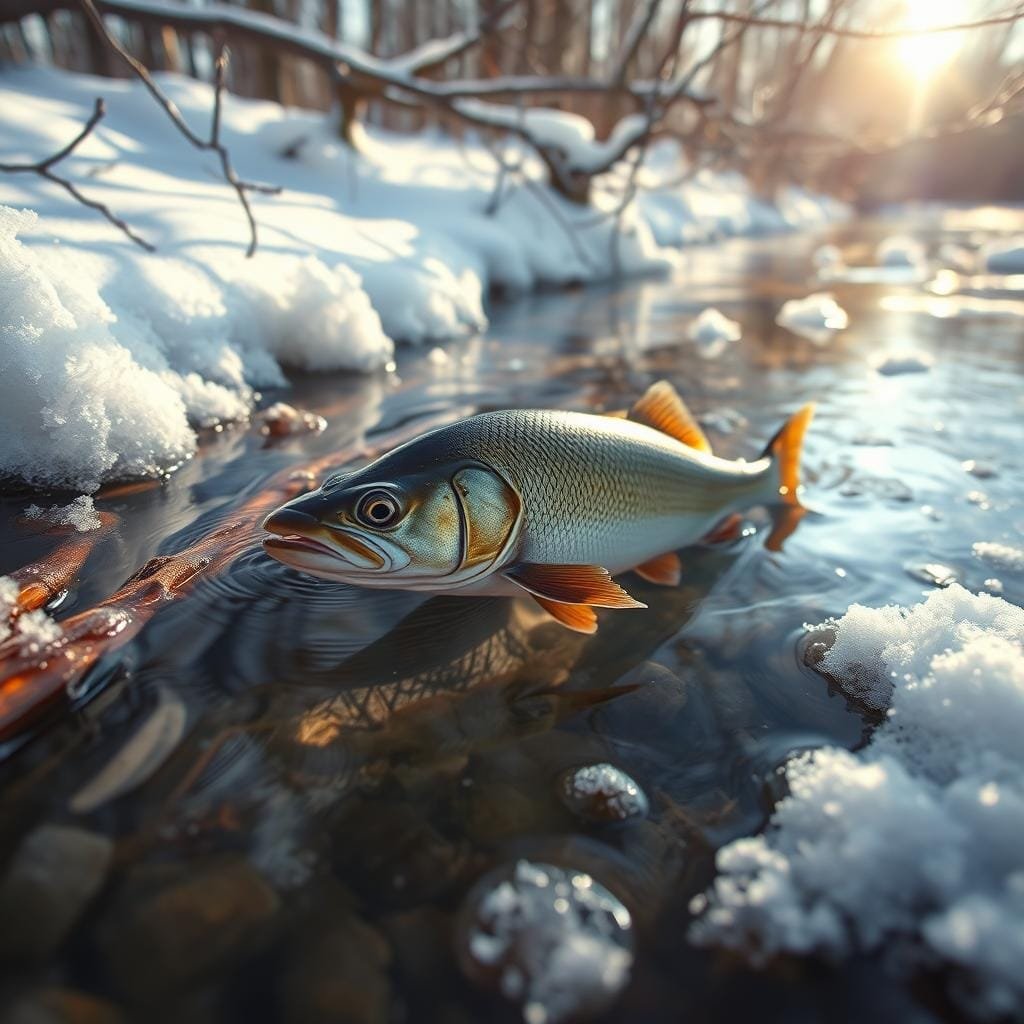
When water gets cold and ice forms, sauger eat slower. They hide in silt and sand near the bottom. They only eat when it’s dark and the water is calm.
Big rivers like the Missouri and Mississippi have deep pools for fish. These pools have murky water, baitfish, and bugs. Fish hide near rocks and logs to save energy and wait for food.
Below dams, fish find food in calm water. The dark water helps them sneak up on their prey. They don’t eat much, but they eat fast and accurately.
Sauger use their sense of touch to find food on sandy bottoms. They move a little and then wait for food to come to them. This way, they don’t waste energy.
When it gets warmer, fish might swim up to catch minnows. Then they go back down when it cools again. This is how they make the most of their energy.
Deep pools in rivers are good for fish because they have lots of food. The calm water helps fish eat without getting stressed. This is why fish like to stay in these areas.
Juvenile sauger diet: from midge fly larvae to immature mayflies
Right after they hatch, tiny sauger drift with the current. This helps them until their fins get strong. Then, they start to feed and grow fast in calm spots.
Their diet starts with small, soft food. First, they eat midge larvae. Then, they move to immature mayflies as they grow. By late summer, they even eat adult mayflies near the surface at dusk.
Early drift phase and transition to active feeding
At first, they drift in low-velocity areas. Their eyes and lateral line help them catch food without using too much energy. As they get stronger, they start to hold their spot, making it easier to catch food.
This change lets them eat bigger prey. They keep eating midge larvae but also add immature mayflies to their diet. By the end of their first year, they can grow up to 2–4 inches long.
Use of backwaters and diversion canals for growth
Side channels act like nurseries. The slow water is full of food, and it’s easy for them to eat. They use shade and weeds to rest and find food.
Diversion canals also help them grow. The clear water and gentle flow make it easy to find food. Even when summer ends, they can keep finding food to grow.
Risks in canals and how they affect feeding success
Not all canals are safe. Pumps and gates can pull fish into dangerous areas. This can hurt their chances of finding food and growing.
But, if there are safe spots and ways to escape, they can keep eating. This helps them stay healthy and move upstream when it’s time to winter.
| Life Stage | Dominant Foods | Key Habitat Feature | Benefit to Growth | Main Risk |
|---|---|---|---|---|
| Larval (drift) | Midge larvae, tiny zooplankton | Low-velocity edges during larval fish drift | Energy-efficient capture of small prey | Displacement into poor habitats |
| Early juvenile | Midge larvae feeding, immature mayflies | Backwater nursery habitat with steady invertebrate drift | Rapid growth to 2–4 inches in year one | Predation in shallow margins |
| Late juvenile | Immature and adult mayflies, mixed benthos | Diversion canals with gentle flow | Diverse prey supports body condition | Canal entrainment mortality at pumps and gates |
Adult prey profile: fish, crayfish, other crustaceans, and insects
Adult sauger eat fish first, then crayfish and other crustaceans. They also eat insects. They live in sand and silt flats, channel edges, and rock seams.
Sauger stay in place in current breaks. They let bait come to them. This helps them catch prey in murky water.
Common forage fish: drum, shad, shiners
Freshwater drum, gizzard shad, and shiners are their main food. These fish are easy to catch in large rivers. They help sauger grow in fall and winter.
In murky water, sauger use special senses to find fish. They strike quickly to save energy. This is how they hunt in cloudy water.
Benthic invertebrates on sand and silt substrates
When fish are scarce, sauger hunt crayfish and other bottom creatures. They eat amphipods, mayfly nymphs, and more. This keeps their diet varied.
Being benthic feeding fish, sauger search for food in seams. They find both hard and soft-bodied prey near the bottom.
How turbidity helps ambush predation
Muddy water helps sauger sneak up on prey. They ambush from eddies and mid-channel depressions. This makes cloudy water a hunting advantage.
Ambush spots are where depth changes meet current breaks. Here, the river forage base is rich. Turbid water predators wait to catch fish and invertebrates.
How habitat and migration shape sauger feeding opportunities
Feeding starts with place. In the core sauger habitat, flow, depth, and bottom type set the menu. As a large river fish, the species keys on calm pockets where turbidity keeps prey relaxed and close to the bed.
Preference for large rivers with deep pools
Deep pool ecology matters. Pools over 0.6 meters—often 1.5 meters or more—give cover from current and hold shad, shiners, and crayfish on sand and silt. This large river fish cruises edges, slipping from seam to seam to pin prey near the bottom.
Natural channels shine when side bars, cutbanks, and scours break flow. Even in impounded reaches, similar pockets let the migratory percid stage, rest, and feed between moves.
High turbidity, low velocity zones as feeding hotspots
Turbid river zones blur lines of sight and tilt the hunt toward vibration and scent. Low-velocity eddies, tailouts, and mid-channel holes gather drifting insects and disoriented baitfish, boosting strike rates.
In this sauger habitat, bottom-oriented foraging rules. Short charges from cover conserve energy, while suspended silt masks approach and keeps prey within reach.
Seasonal movements between spawning and home ranges
The migratory percid pattern links food to timing. From March to May, fish run upstream to rocky substrates and adjacent pools to spawn, then drop back April through July to home ranges where forage rebounds.
These shifts can span 10 to 600 kilometers, crossing deep pool ecology hotspots and turbid river zones along the way. Each stop offers new prey mixes shaped by flow, temperature, and access.
Feeding times, light sensitivity, and angling insights
Sauger love the dark. Their eyes help them see better in murky water. So, they bite best at dawn, dusk, and night. Plan your fishing trips for these times.
Expert sauger fishing tips say these fish go shallow when it’s dark. But when it’s sunny, they go deeper. Change your depth and speed to match the day.
Low-light and nocturnal feeding advantages
Dark water makes fish more active. Fish edges at twilight and slow down at night. A slow troll of 1–2.3 mph keeps your bait in the right spot.
Try different depths, from 2–4 feet to 6 inches off the bottom. Let the fish tell you what works best.
Best places to find feeding sauger: below dams and around structure
Start fishing below dams. Turbines bring food into the water. Look for washouts, eddies, and tailrace shelves.
Then, try fishing around river structures like wing dams and bridge pilings. Look for breaks at 25–40 feet. Slide along the upstream face to find ambush spots.
Matching lures and baits to natural prey
Use lures that look like what sauger eat. Bright jigs and spoons work well in murky water. Use shiners or minnows in spring and fall.
Try natural baits like minnows, shad, and crayfish. Keep your bait close to the bottom. Adjust your line to the water’s depth and flow.
- Rod: 7–9 ft medium power; 6–8 wt for fly with sink tips
- Line: 8–12 lb mono or braid with a fluorocarbon leader
- Speed: 1–2.3 mph in current; slower in slack water
- Depth control: test 6 inches to 4 feet off bottom
| Scenario | Location Focus | Presentation | Why It Works |
|---|---|---|---|
| Dark, windy evening | Tailrace seam below dam | Bright 3/8–1/2 oz jig tipped with shiner | Combines flash with bottom feel during below-dam fishing |
| Overcast midday | Wing dam upstream face | Slow-trolled crankbait at 1.5–2.0 mph | Holds in strike lane where sauger track current edges |
| Summer night | Deep bend with riprap | Bucktail jig stroked 6–24 inches off bottom | Mimics mayfly-fed baitfish under low-light pressure |
| Late fall | Channel shelf near bridge pilings | Spoon or jigging rap near bottom | Matches shad and drum movements during peak feeding |
| Cold front morning | Scour hole downstream of spillway | Live minnow on a three-way rig | Neutral fish commit to a tight, natural drift in river structure fishing |
Distinguishing sauger from walleye when assessing diet
When looking at diet data from river surveys, it’s important to know the difference between sauger and walleye. Look for body cues that show how they eat. Sauger have brassy to dark colors and rough scales on their gills.
Sauger have two to three rows of spots on their dorsal fin. They don’t have a white tail tip. This helps us know which fish we’re looking at when they eat the same things.
Spotted First Dorsal Fin and Lack of White Tail Tip
The first dorsal fin of sauger has clear black dots in rows. They also have a dark blotch near their pectoral base and no white tail tip. These signs help us tell sauger from walleye, even when they catch the same fish.
Greater Tolerance for Turbidity and Riverine Prey
Sauger can handle murky water better than most fish. They live in big rivers and places where the water is cloudy. This means they eat fish like drum and shad, which are common in these areas.
Hybrid Saugeye Considerations
Saugeye are a mix of sauger and walleye. They might have some spots on their dorsal fin and a less clear tail tip. Their diet changes based on where they live, so they might eat shad or drum in rivers and perch in lakes.
| Trait | Sauger | Walleye | Saugeye (Hybrid) | Diet Implication |
|---|---|---|---|---|
| Key ID Mark | Distinct dorsal fin spots; no white tail tip | No dorsal rows; bright white tail tip | Partial spotting; tail edge may be faint | Accurate sauger vs walleye identification prevents mislabeling prey lists |
| Habitat Bias | High-flow rivers; turbid channels | Clearer lakes and large reservoirs | Both rivers and reservoirs | Turbidity tolerance fish track drum and shad; walleye lean on lake minnows and perch |
| Typical Color | Brassy to dark, sometimes nearly black | Olive-gold with clearer bars | Intermediate tones | Color hints at turbidity and likely prey fields |
| Scale Texture | Rough ctenoid, including gill area | Smoother feel near head | Mixed | Supports origin in swift, abrasive habitats tied to riverine forage |
| Diet Focus | Drum, gizzard shad, shiners; benthic invertebrates | Perch, shiners, smelt; less silt-tolerant invertebrates | Saugeye hybrid diet reflects local mix of river-lake prey | Feeding records should align with habitat notes to stay accurate |
Regional distribution in the U.S. and prey availability context
The sauger range in the United States used to cover a lot of rivers. It went from west of the Appalachians to southern Canada. Now, the biggest groups live in big, murky rivers.
Places like the Missouri and Mississippi rivers have lots of saugers. They go from Wyoming and the Dakotas to Oklahoma, then to Alabama and New York. They are also found in parts of the Great Lakes tributaries.
But, some areas have fewer saugers. This is because of dams and lost habitats. These changes block their paths.
Some places have good sauger fisheries. For example, Lake Sakakawea and Fort Peck in the plains, and the Cumberland River in the Southeast. But, in New York, saugers are in big trouble. They are gone from Lakes Erie and Ontario, but are being restocked in the upper Allegheny River.
Diet changes with the season and water conditions. In warm months, saugers eat a lot of invertebrates and fish. Summer is all about mayfly larvae.
Fall is for gizzard shad and freshwater drum. Spring brings drum and channel catfish. This pattern is the same from the Missouri River to the Great Lakes tributaries. It shows that feeding habits stay the same where there’s plenty of prey.