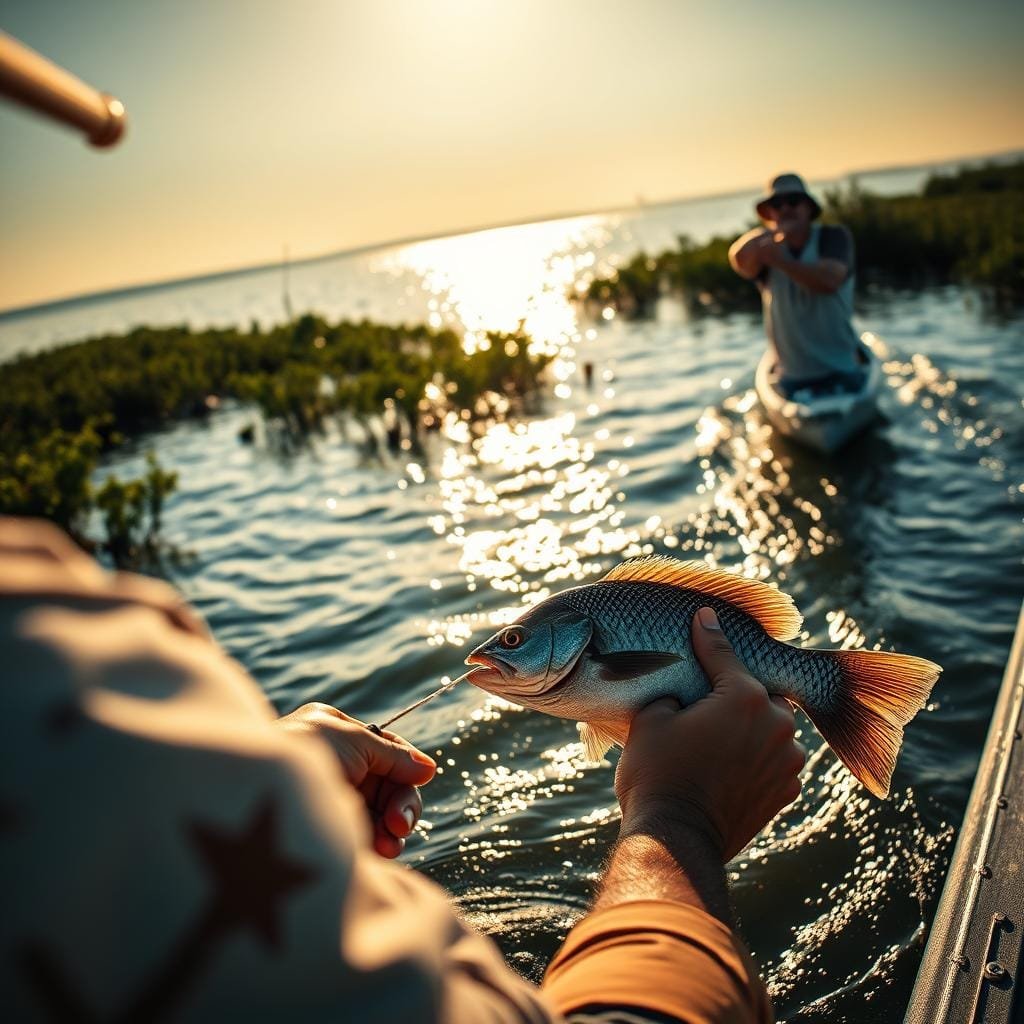
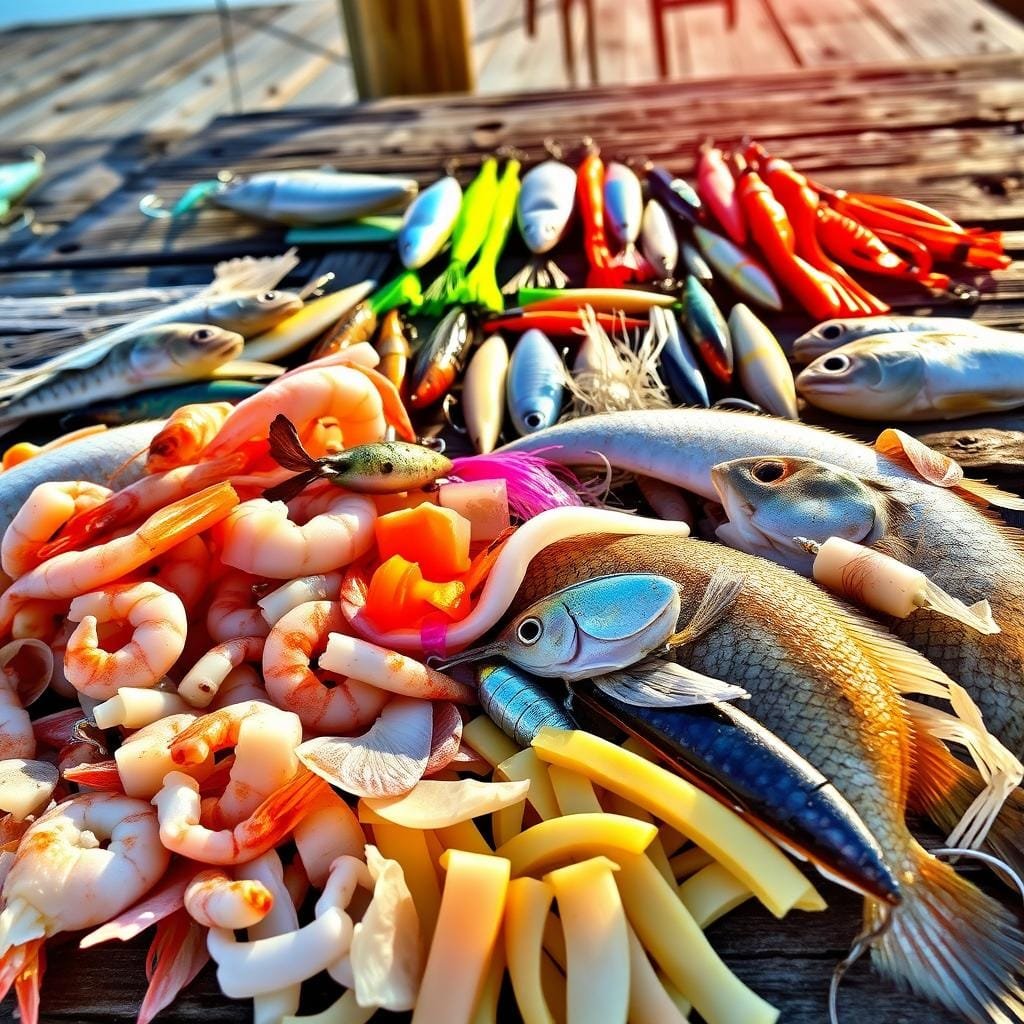
Looking for the best bait for flounder from New Jersey to Texas? This guide has real picks and simple tips. Flounder hunt on the bottom, so your bait must stay close to the sand.
We mix science and real-world experience. Dr. Aaron Adams of Bonefish & Tarpon Trust says know your habitat and current. Guides agree: precise bottom fishing is key for more bites.
Expect a mix of natural and artificial baits. Live minnows, mud minnows, shrimp, sardines, squid, and legal belly strips work well. Artificial lures like Gulp! Swimming Mullet and Zoom Fluke also catch flounder.
We’ll teach you how to catch flounder. Learn about slow drags, bounce-and-pause hops, and steady retrieves. You’ll also find out when scented baits beat fresh ones and how to use fluke bait. This guide is packed with tips for U.S. waters to help you catch more flounder.
Understanding Flounder Behavior and Feeding Habits
To pick the right bait, start with flounder behavior. These bottom-feeding fish hide in plain sight, blend into sand, and wait for the perfect moment. Their fluke feeding habits reward anglers who keep baits low, scented, and moving like real flounder prey.
Ambush predators that hug the bottom
Flounder lie flat, often half-buried, then strike in a burst. That current and ambush style means a lure that drags, hops, or pauses near the bottom gets bit. Keep contact with the seafloor so your presentation stays in their lane.
Dr. Aaron Adams highlights that success comes from reading habitat and matching movement. Think edges, seams, and bait routes where flounder prey must pass within reach.
How tide and current position fish for ambush
Use a smart tidal fishing strategy. Flounder face into the flow and set up on structure edges, shell bars, and drop-offs. Outgoing water funnels forage like a conveyor belt, creating timed windows for current and ambush strikes.
Position up-current and let the bait sweep naturally. Subtle hops keep the offer down while lively, mirroring fluke feeding habits in moving water.
Prey profile: minnows, shrimp, crabs, and squid
Match the menu to the spot. Inshore, minnows and shrimp lead the list of flounder prey, while crabs and squid add scent and durability. Each option aligns with flounder behavior that favors short, believable bursts of motion tight to the bottom.
Choose baits and lures that smell right and track low. That simple rule threads together fluke feeding habits, tidal fishing strategy, and the constant need to target bottom-feeding fish.
| Trigger | What It Means | Best Moves | Why It Works |
|---|---|---|---|
| Outgoing tide | Bait swept off flats | Drift along edges and drop-offs | Sets up current and ambush lanes |
| Weak to moderate flow | Flounder hold and watch | Slow drag with short pauses | Keeps bait in the strike zone |
| Sand-to-structure seam | Natural funnel for flounder prey | Hop-and-pause on the seam | Highlights bottom silhouette |
| Stained water | Lower visibility | Scented baits and thumping tails | Supports fluke feeding habits by feel |
| Clear water | Fish see farther | Natural colors, subtle retrieves | Matches cautious flounder behavior |
Live Baits That Consistently Produce
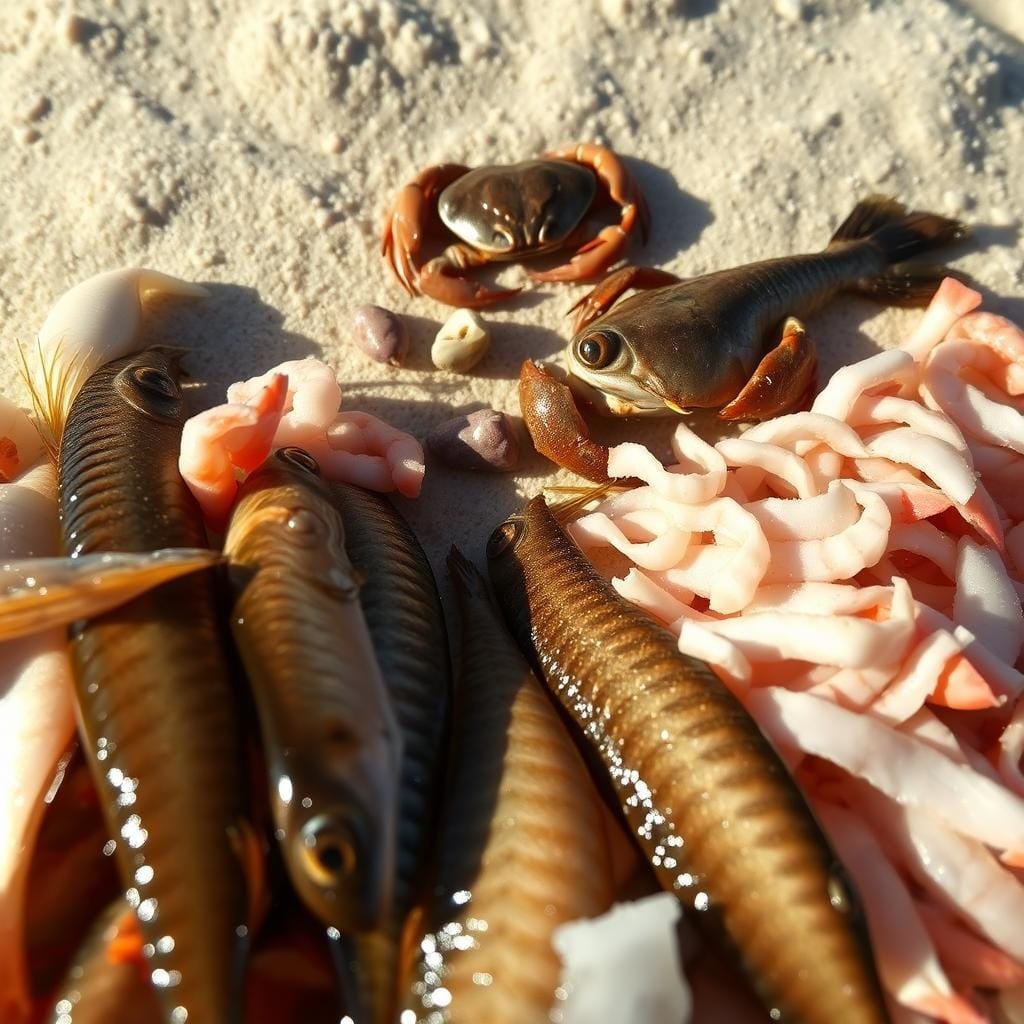
Flounder love natural motion near the bottom. Keep your rigs simple and baits lively. Let the current help.
Mud minnows and other live minnows
Live minnows, like mud minnows, are top choices for flounder. They stay lively in a bucket and move well on a slow drag. Use a Carolina rig or small jighead to keep them moving.
In cooler water, pause often to let the minnow settle. This can trigger a thump. If the drift speed gets too fast, add a heavier egg sinker to keep it on the bottom.
Live shrimp for Gulf and Southeast inshore waters
In the Gulf and Southeast, live shrimp are great for flounder. Use them around grass lines, docks, and channel bends. Thread a shrimp on a light jighead or tail-hook it on a Carolina rig.
Let the shrimp tick bottom, then lift and glide it a foot at a time. When a fish picks up, ease the rod tip forward and reel until the line comes tight before lifting.
Sardines and other baitfish when available
Summer cast-net hauls often include sardines for flounder. These baitfish flash and oil attract fish. Nose-hook a lively sardine and drift past bridge pilings, jetty edges, or channel turns.
If baitfish are big, trim the tail tip to slow them down. This keeps the presentation in the strike zone longer and helps flounder pin the meal to the bottom.
When to choose live over frozen
Think about the conditions. In clear water or when fish are wary, live is better. Live baits feel more natural.
Stronger current can make live and frozen baits equal. When water pushes hard, a well-thawed shrimp or minnow gains lift and wiggle from the flow and gets bit. Try mud minnows, live shrimp, and sardines until you find the day’s pattern.
Cut and Frozen Baits That Get Bit
For quick, tough baits, cut bait flounder tactics are great. Keep baits moving on the bottom, not dragging. Match the strip length to the hook size and current. This way, each drop stays in the strike zone and avoids snags.
Squid strips: durability and flutter
Squid strips are perfect for surf and drifting over sand to rubble. Long, tapered slices flutter on the lift and pulse on the drop. This motion is tough and keeps fishing between bites.
Thread a strip once through the tip, then a second time near the midsection to stop spinning. In steady current, shorten the strip an inch and add just enough weight to bounce bottom.
Belly strips from legal catch for scent and profile
Fresh scent is unbeatable. A belly strip bait from a legal, freshly caught fish—like the white underside—gives a natural profile and scent trail. Many anglers save one trim from the first legal flounder where rules allow.
Pair a slim strip with a 3/0 octopus hook. Let it glide during pauses; that side-to-side flash often flips neutral fish into eat mode.
Frozen minnows and shrimp for convenience
When time is tight, frozen minnows and shrimp for fluke work great. Keep packs cold and thaw only what you need to keep texture firm. A half-shrimp on a jighead draws solid hits on tides with moderate flow.
For a quick primer on pairing natural baits with hardware like jigheads and spinners, see this guide to proven flounder baits and that highlights smart scent-and-flash combos.
Dealing with crabs and bait stealers
Thick crab zones demand crab-proof baits. Tough, tapered cuts let you shake off thieves and stay fishing. In the Chesapeake and similar waters, firm strips often outlast live minnows when pickers swarm.
If pecks are constant, swap to tougher cuts like squid, trim frayed ends, and upsize to a short-shank hook. That simple shift can turn nips into clean eats.
| Bait Type | Best Use | Rig/Hook Tips | Pros | Watch-outs |
|---|---|---|---|---|
| Squid strips flounder | Surf and drifting over sand to rubble | 3/0 octopus, double-stitch the strip; add just-enough sinker | Flutter, scent, durable surf bait | Overlong strips may spin in fast current |
| Belly strip bait | Legal harvest only; clear to lightly stained water | Thin, white-side strips; short hops and pauses | Natural profile, strong scent trail | Must follow local regulations on using cut bait flounder |
| Frozen minnows | Quick trips, steady current along channels | Nose-hook on jighead; keep baits firm and cold | Convenient, consistent thumps | Softened baits tear off on hard casts |
| Frozen shrimp for fluke | Inlets and bays with moderate flow | Half-piece on a 1/4–3/8 oz jighead | Easy to store, reliable scent | Pickers can shred loose segments |
| Crab-proof baits (tough strips) | Crab-heavy flats, bridge pilings | Shorten strip; firm hookset after a steady pull | Resists bait stealers, longer soak time | Too-stiff cuts reduce flutter in slack water |
Scented and Prepared Baits for Easy Success
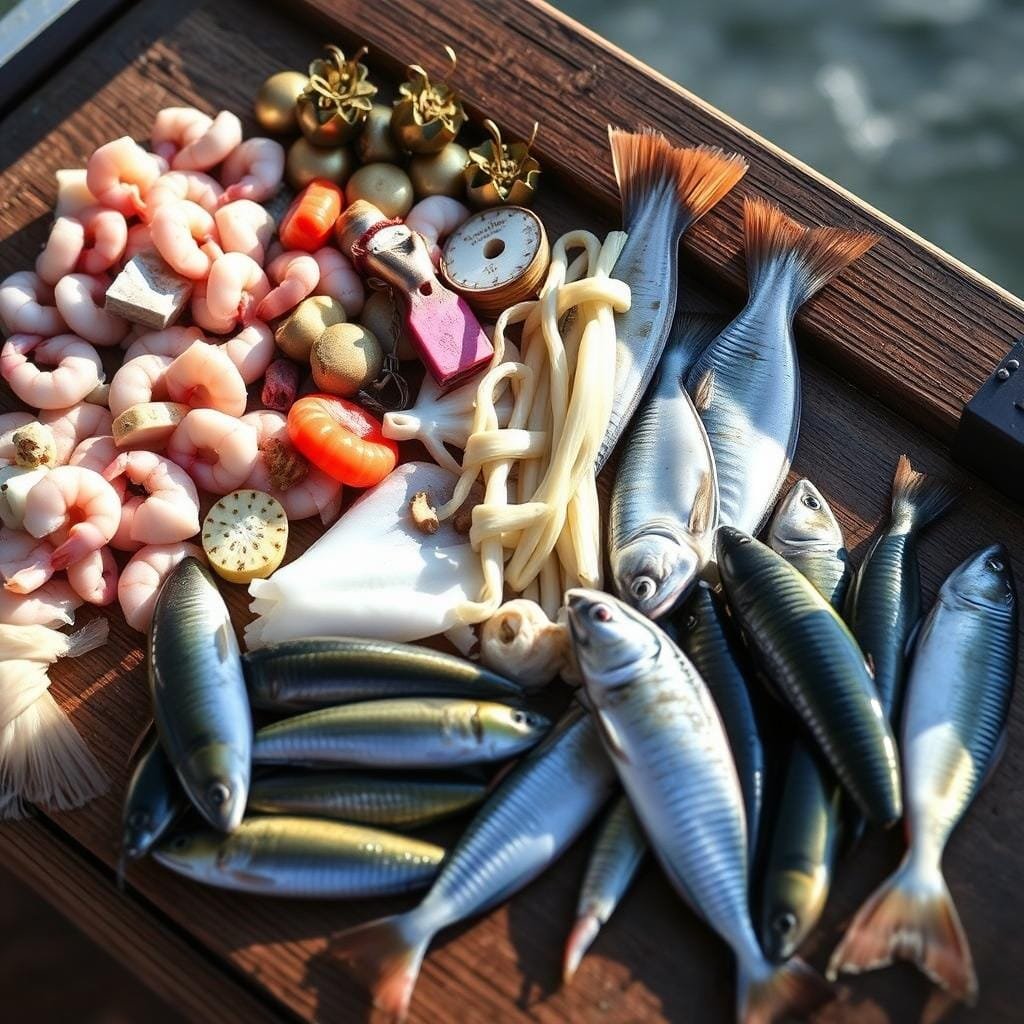
Scent makes fish bite when they smell. A small jar of scented bait can help when fishing is slow. It’s great for shore or kayak fishing, saving time and keeping you fishing.
Gulp! Swimming Mullet and Gulp! Shrimp
Use a Gulp Swimming Mullet on a small jighead. Move it short distances to mimic a real fish. The tail moves and scents the water.
Gulp Shrimp works well when you drag it slowly. Try it near shells or creek mouths. It’s a favorite for catching flounder.
Many like using Gulp because it moves and touches the bottom. Add a white bucktail to a Gulp Shrimp. Then, pause it on the bottom for a few seconds. This often gets a bite.
Fishbites for long-lasting surf sessions
Fishbites flounder strips last longer than cut bait. They’re easy to use and stay on the hook. Cut them into thin strips for better movement.
For surf fishing, use a Fishbites strip on a jig. Move it close to the sand. It’s easy to carry and works well for a long time.
When added scent outperforms natural bait
In murky water or when fish are hard to catch, scent helps. A steady scent trail helps fish find the lure. This is important when it’s hard to see.
Try mixing things up: use a bucktail with Gulp Swimming Mullet or squid with Gulp Shrimp. This adds flavor and movement, making fish more likely to bite.
best bait for flounder
Anglers wonder what bait to use for flounder. The answer is simple. Use bait that smells right and looks like a minnow or crustacean. Live mud minnows and killifish are great in the Northeast and Mid-Atlantic.
In the Southeast and Gulf, live shrimp are a hit. Sardines are good where baitfish are plentiful. Cut bait is also a top choice.
Squid strips are great because they last and attract fish. Belly strips from legal catch have a strong scent. Frozen shrimp or minnows are easy to use and work well.
Artificials like Gulp! Swimming Mullet and Gulp! Shrimp are good on tough days. A white bucktail jig with squid or minnows is good in deep water. Soft plastic flukes and grubs mimic small prey.
Paddle tails like Keitech Swing Impact FAT and Z-Man MinnowZ work in the tide. Spinnerbaits like Strike King Redfish Magic and Johnson Beetle Spin are good in stained water.
Choose the right fluke bait for the conditions. Heavier bucktails and jigheads help feel the bottom in strong currents. In clear or shallow water, use a Zoom Fluke-style bait on a light head.
Jigs and Lure-Bait Combos That Mimic Natural Prey
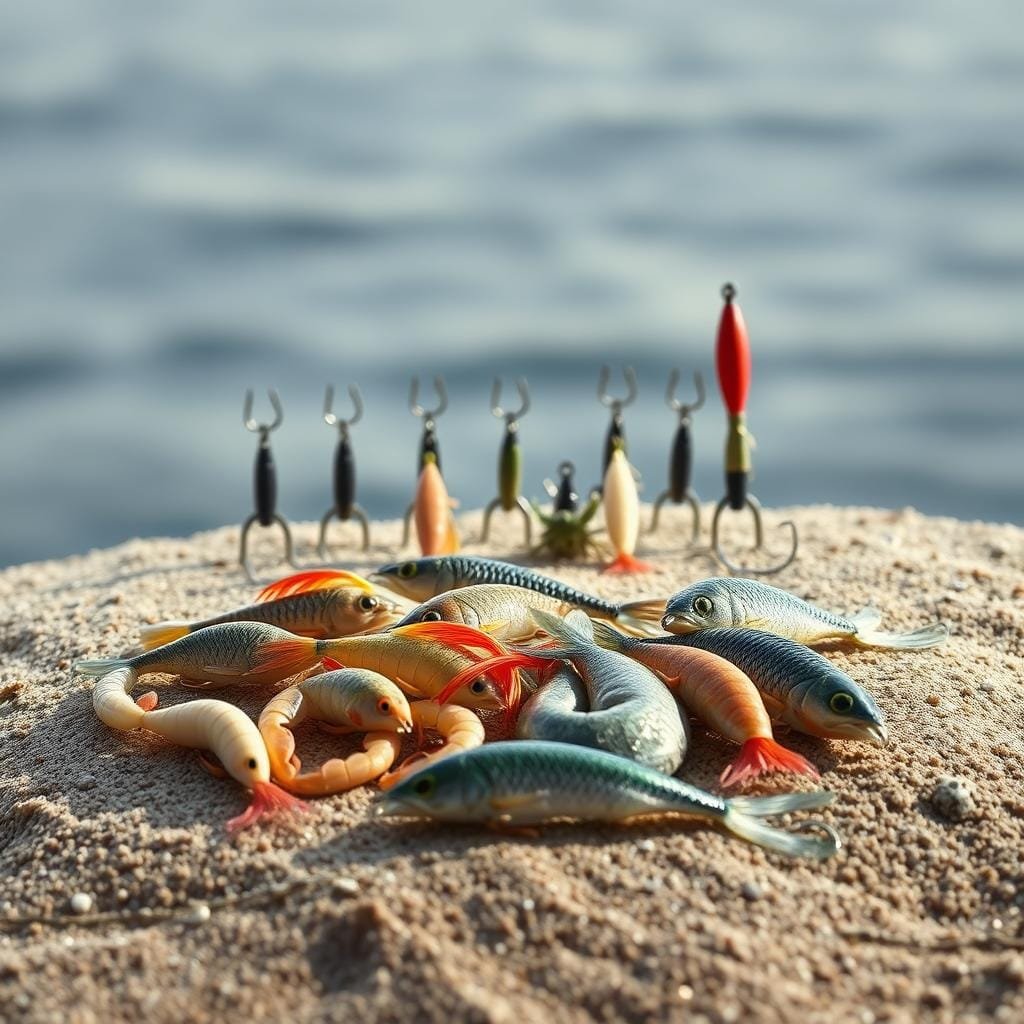
When the current moves bait along the bottom, flounder look for shape, sound, and smell. Keep your bait near the sand. Make short hops and pause often. This lets a fish pounce without chasing far.
White bucktail jigs tipped with squid or minnows
A white bucktail jig is a classic for flounder. It rides low and looks like a baitfish. Spro Bucktail Jig and Sea Striker Flounder Jig are good choices.
In stained water, try chartreuse or pink to keep visibility. Add a jig and squid combo or a live minnow for extra attraction. The bait adds taste and smell, and the hair flares on pause.
Soft plastics on jigheads: flukes, grubs, and shrimp imitations
Soft plastics are great for fluke. They glide tight and dart quick. Zoom Fluke looks like an injured minnow, and Gulp! Swimming Mullet or Shrimp adds scent.
Match the weight to depth and current. This lets the lure tap bottom without plowing. Short lifts and controlled drops make the bait flash and settle, drawing bites.
Paddle tail swimbaits for tide-driven thump
A paddle tail swimbait is best when water moves. Keitech Swing Impact FAT and Z-Man MinnowZ kick hard at slow speeds. Keep the lure inches off bottom and let the tail do the work.
In the Gulf and shallow estuaries, use 1/4–1/2 oz heads. On deeper rips, bump up until you feel bottom, then reel just above it.
Adding scent to artificials for more strikes
Even confident fish can nip and drop. Coat lures with scent gels or dunk them in Gulp juice. This turns curious taps into firm takes.
Refresh scent after a few casts or a missed hit. The boost is subtle, but it keeps fish tracking the bait through the pause and into the hookset.
Matching Bait and Presentation to Water Conditions
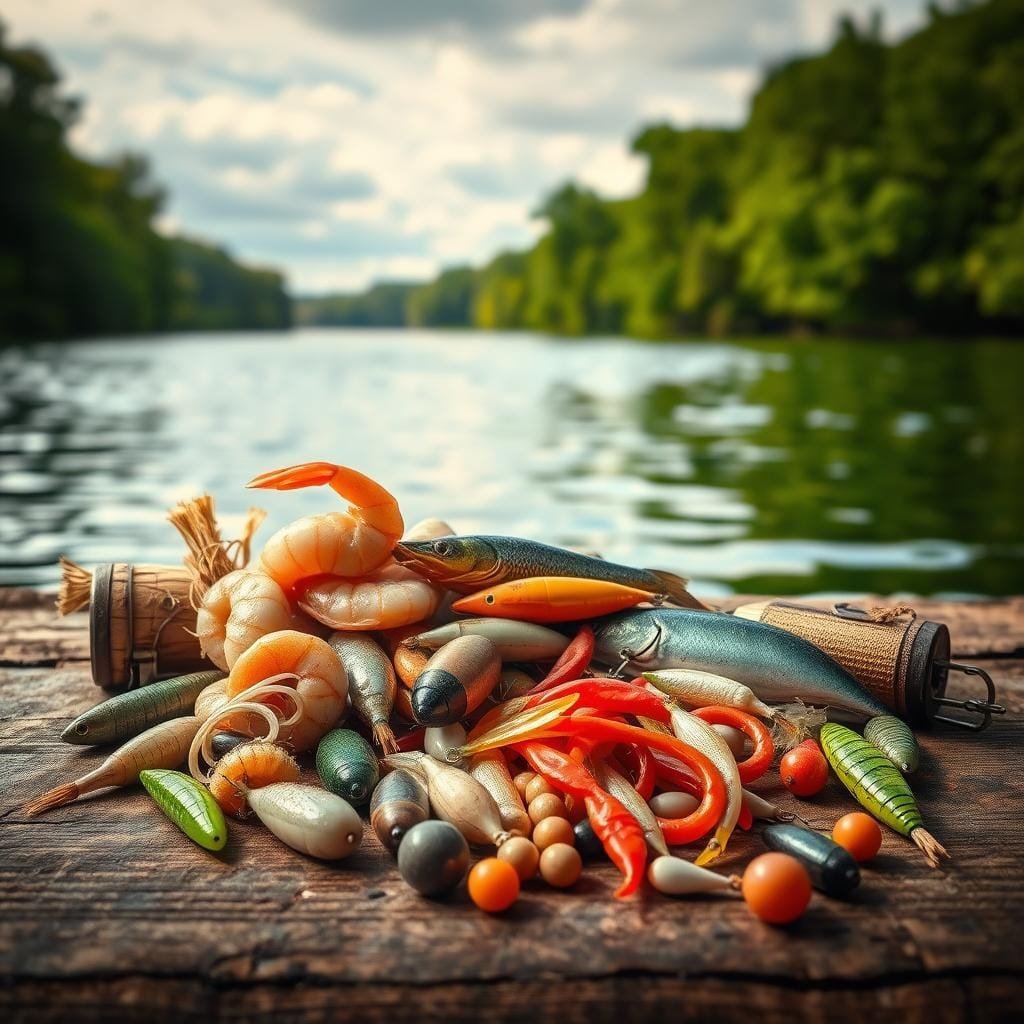
Start by reading the water. This tells you what flounder lure color, jig weight, and retrieve to use. You want to catch fish without too much weight, so you can feel their bites.
Clear water vs. murky water color choices
In clear water, pick colors that look like real bait. Use something like a Zoom Fluke or a baitfish-toned paddletail. This makes your lure look real in bright, calm water.
In murky water, use bright colors and add vibration. This makes your bait stand out. A spinnerbait like the Strike King Redfish Magic adds movement and shine, helping you catch fish when it’s hard to see.
Weighting to maintain bottom contact in current
Use just enough weight to touch bottom, not push it. In deep water, use 1 to 4 ounces of weight. In shallow water, a 1/4 to 1/2 ounce jighead works best.
Change the weight of your rig based on the tide. This keeps your lure close to the bottom without getting stuck. Choosing the right weight helps you feel bites and catch fish.
Slow drag, hop-and-pause, and steady near-bottom retrieves
Begin with a slow drag to move your bait along the bottom. Then, add hop-and-pause to get reaction bites. A steady, slow roll is also good for catching fish.
Try different ways of retrieving your lure until you catch a fish. Keep your line tight and use a sensitive rod. This helps you feel even the lightest bites and set your hook quickly.
Rigging Essentials for Bottom-Oriented Bites
Keep your bait in the strike zone and let the fish make the first move. The right flounder bottom rigs ride the contour, tap the sand, and stay subtle. Pair them with live minnows, shrimp, squid strips, or belly strips, or swap in a bucktail when you want more control.
Carolina rig for natural movement and subtle pick-ups
The flounder Carolina rig shines because it moves with the current and doesn’t spook light biters. Build an egg sinker rig by sliding a running line through an egg sinker, then add a swivel, a 2.5–3 ft fluorocarbon leader, and a sharp kahle or octopus hook.
Want flash in stained water? Thread a small Colorado blade in front of the hook. This setup lets flounder inhale the bait without feeling weight, then you come tight and sweep.
High/low (dropper) rigs for coverage while drifting
When you need to search, a dropper rig fluke layout puts baits at two heights to cover the bottom lane and just above it. It’s deadly while drifting rips, channels, and edges.
Use short droppers to reduce spin, and choose hooks sized to your bait. This approach also handles mixed bites from weakfish and red drum while staying locked on flounder.
Choosing sinker weight for just-touching-bottom control
Sinker weight selection is constant. Drifting calls for enough lead to tick bottom in a steady rhythm—bounce, not drag. Anchored? Pick the lightest weight that hits and holds without rolling.
Adjust as tide builds or fades. If you lose contact, step up in small increments. If you’re plowing, step down. The goal is control with feel.
| Rig Type | Core Components | Best Use Case | Typical Sinker Range | Pro Tip |
|---|---|---|---|---|
| flounder Carolina rig | egg sinker rig, swivel, 2.5–3 ft fluoro leader, 1/0–3/0 hook | Natural bait near sand seams, edges, and creek mouths | 1/2–2 oz in bays; 2–4 oz in stronger current | Add a small spinner blade for flash without killing action |
| High/low dropper rig fluke | Two short droppers, bank sinker, snelled hooks or teasers | Drifting channels and contours to cover water fast | 1–6 oz based on depth and drift speed | Keep droppers 4–6 in to reduce twist and missed bites |
| Hybrid lure-on-rig | Carolina or dropper base with bucktail or jighead in place of hook | When you want bottom feel plus lure control | Leadhead weight doubles as sinker; match current | Tip with squid strip or scented soft plastic for confidence |
Pack a range of leads to nail sinker weight selection as conditions shift. With smart tweaks to the flounder bottom rigs above, you’ll stay in touch and keep the bait where bites happen.
Where to Fish Your Baits for More Hookups
Finding the right spot is key. The best places to fish are where water moves and food gathers. Move slowly, watch the tide, and adjust until you get bites.
Edges of docks, bridges, jetties, wrecks, and ledges
Flounder like to hide near hard spots in sand. Cast close to pilings and rock edges. Then, slowly drag your bait through the strike zone.
Listen for a thump after your lure moves past. Keep your rod low and feel the bottom. Be ready for another bite if the fish drops it.
Sand-to-structure transitions and drop-offs
Look for spots where sand meets hard bottom. These areas attract crabs, shrimp, and minnows. Flounder hide here, waiting to ambush prey.
Use short hops to follow drop-offs. If you miss, move two rod-lengths down and try again. This helps you map the area.
Drifting sandy contours, troughs, and channels
Drifting through channels and troughs can find scattered fish. Use just enough weight to touch bottom. This keeps your bait natural as you explore the bottom.
Mark every bite. Run the same line again from the top. Then, widen your pass until you see the pattern.
Positioning up-current when anchoring
Try anchoring up-current of your target. Move your bait back with the flow. This makes it look like natural prey, attracting flounder.
In the surf, cast ahead of the wave. Let it settle, then move it along the cut until it hits bottom.
| Location Type | Why It Produces | Best Presentation | Notes |
|---|---|---|---|
| Docks, bridges, jetties | Edge lanes hold ambush fish | Slow drag along pilings and rock seams | Prime structure fishing flounder with precise casts |
| Wrecks, ledges, rock piles | Hard cover concentrates bait | Short hops off the edge | Expect snags; use abrasion‑resistant leader |
| Sand transitions and drop-offs | Food collects at the change in bottom | Trace the break with pauses | Repeat passes to confirm the line |
| Drifting channels and troughs | Find fish spread over big areas | Light weight to tick bottom while drifting | Log hits to build a route through drifting channels |
| Anchored setups in current | Flow brings bait to the fish | Baits presented from anchoring up-current | Set the hook after steady pressure, not the first tap |
Regional and Seasonal Tips for U.S. Anglers
Flounder patterns change with the coast and seasons. Match your fishing to local currents, depths, and bait. Watch the wind and tide to adjust your fishing. For quick tips on habitats and baits, check out flounder fishing tips.
Fluke in the Northeast vs. Southern Gulf flounder
In the Northeast, control your drift. Use a 1–4 oz white bucktail or jig in deeper rips. Tip it with squid or a live minnow and stay vertical.
In the South, use lighter jigs. A 1/4–1/2 oz jighead with finger mullet or shrimp works well. Short lifts and slow drags are key in softer tides.
Outgoing tide ambush windows on flats edges
Outgoing tide, bait sits on flats edges. Use drifts or short anchor shots. Pause your jig at breaks, then glide and stop again.
Watch for wind against tide. Add weight or cast uptide if you stall. Keep leaders short and use brighter plastics if the water gets murky.
Surf tactics: bait soaking plus jigging the first trough
For surf fishing, use a two-rod setup. Soak a squid or belly strip on a heavy rod. Walk the first trough with a light jig and paddletail.
Cast at 10 and 2 o’clock to find cuts and bars. Slow-roll your lure to tick sand, then pause near holes. Change baits with the season and follow local rules.
Tackle Pairings That Make Baits Work Better
Good gear makes baits work better. A flounder rod and reel that’s just right helps you feel every bite. It keeps your bait in the right spot and sets hooks fast.
Medium spinning outfits for casting lighter baits
A 7′ medium spinning rod is great for fluke. It works well with a 3000–4000 reel. This combo is perfect for casting Gulp, small jigs, and live bait.
In places like Florida, many use a 2500–3000 reel. They pair it with 20 lb braid for long casts. Adding a 15–20 lb fluoro leader helps sneak up on fish.
Brands like Shimano, Penn, and Daiwa make reels that are smooth. This setup is best for quick casts and feeling the bottom.
Light conventional setups for current and heavier sinkers
For strong currents, a 6’–6.5′ conventional rod is better. It comes with a 30-class reel for handling heavy sinkers. Use 30 lb braid for a strong feel.
For surf fishing, a longer rod is needed. A 10’–12′ rod with a 6000–8000 reel is perfect. It throws bait far and keeps line off the waves.
Braided mainline with fluorocarbon leaders for sensitivity
Braid with fluoro leader is key for feeling small bites. Use 20 lb braid inshore and 40–50 lb near wrecks. Add 2–3 feet of fluorocarbon for better stealth.
Finish with strong knots and balanced weights. This setup makes your tackle very sensitive. It moves baits naturally and sets hooks well.
Common Mistakes That Cost Fish
Most flounder fishing mistakes start with speed. Dragging a bait too fast lifts it off the bottom. Keep a slow, deliberate pace so your rig just ticks sand and shell.
Missed bites fluke often come from losing contact with the seafloor. Adjust your retrieve and pause longer at key spots.
Location matters. Skipping structure like docks, jetties, reefs, ledges, and sand-to-structure transitions cuts your odds. Position up-current and work edges methodically.
Use enough weight to maintain bottom contact without plowing. If the jig skips or the sinker buries, you’re off. Change weight as tide and current shift to stay where flounder feed.
Jigging errors also cost fish. Short hops and a gentle drag keep a natural look. Wild rod sweeps pull baits away from ambush points.
Match hook size for flounder to the bait profile; oversized hardware can miss inside a small mouth. When bites get picky, tip jigs with Gulp! Shrimp, Gulp! Swimming Mullet, squid strips, or belly strips to add scent and taste.
Tackle choice seals the deal. Stretchy mono can hide subtle pickups. A braided mainline with a fluorocarbon leader and a fast-action rod boosts feel and drives hooks home.
This setup reduces missed bites fluke and tightens your feedback on bottom. Keep it slow, stay in contact, and let the fish tell you when to swing.
FAQ
What is the best overall bait for flounder across U.S. waters?
Live mud minnows are top picks. Live shrimp are great in the Gulf and Southeast. Squid strips and belly strips are durable and smell good.
Artificials like Gulp! Swimming Mullet and Gulp! Saltwater Shrimp work well. White bucktail jigs, Zoom Fluke, and Keitech Swing Impact FAT are also good. Use them near the bottom.
Why do flounder baits need to stay on the bottom?
Flounder hide on the seafloor and ambush prey. Keeping bait on the bottom matches their feeding zone. This boosts strike rates.
How do tide and current affect where flounder sit?
Flounder face into current and set up on edges. These are places like drop-offs and channel seams. Outgoing tides funnel forage off flats.
What do flounder eat most often?
Flounder eat small baitfish like mud minnows and sardines. They also eat shrimp, crabs, and squid. That’s why minnows, shrimp baits, squid strips, and paddle tails all work.
Are mud minnows really that good for flounder?
Yes. Mud minnows are hardy and easy to trap. They stay lively. Rig them on a Carolina rig or light jighead to keep them close to bottom.
When should I fish live shrimp for flounder?
In the Southeast and Gulf, live shrimp are great in bays and marshes. Use them in clear water or when fish are finicky. Frozen shrimp can also work well.
Do sardines and other live baitfish work for flounder?
Absolutely. Cast-net sardines or similar baitfish in summer. Rig them near bottom. They’re great for drifting edges and channels.
Live vs. frozen bait—how do I choose?
Pick live for max realism and subtle action. Choose frozen for convenience or when current is moving. Frozen shrimp often catch nearly as many flounder as live in steady flow.
Why are squid strips so popular for flounder?
Squid strips flutter and stay on the hook. They resist bait stealers. They’re ideal for surf and drift fishing and pair well with bucktail jigs.
Are belly strips legal and effective?
Where regulations allow, fresh belly strips from your legal catch add scent and taste. The white underside is tough and profile-rich. Always check local rules before using fish skin.
Can I catch flounder with frozen minnows and shrimp?
Yes. They’re convenient and store well. Add motion with a slow drag or hop-and-pause to mimic life near the bottom.
How do I deal with crabs stealing my bait?
Switch to tougher cut baits like squid or belly strips. They withstand pecks so you can keep fishing instead of rebaiting every cast.
When should I use Gulp! for flounder?
Use Gulp! Swimming Mullet or Gulp! Shrimp when you need scent to seal the deal. Rig on jigheads and crawl them along bottom with pauses.
Are Fishbites good for surf fishing flounder?
Yes. Fishbites are long-lasting and easy to store. They’re ideal for long surf sessions or when fresh bait isn’t available.
Can added scent outperform natural bait?
It can during tough bites, slow current, or dirty water. Scent helps fish commit. Tip jigs with Gulp or add scent gels for extra draws.
What’s the single best bait for flounder?
There isn’t one “best” everywhere. A reliable short list is live mud minnows, live shrimp, squid strips, belly strips, and Gulp! Swimming Mullet. Pick based on local forage, clarity, and current.
How do I fish white bucktail jigs for flounder?
Use models like Spro Bucktail Jig or Sea Striker Flounder Jig. Tip with squid or a minnow, then bounce and pause along bottom. White is classic; go brighter in stained water.
Which soft plastics work best on jigheads?
Zoom Fluke for darting baitfish action, Gulp! Shrimp and Swimming Mullet for scent, plus curly-tail grubs in shallow bays. Keep them near bottom with light hops.
When should I throw paddle tail swimbaits?
In moving water. Keitech Swing Impact FAT and Z-Man MinnowZ give a thump that calls fish in. Slow-roll them so the tail beats just off the sand.
Should I add scent to my artificials?
Yes, specially in murky water or during slow tides. Gulp juice, gels, or tipping with squid can turn followers into biters.
What colors work in clear vs. murky water?
In clear water, use natural shades that match local baitfish. In murky water, try white, chartreuse, or high-contrast colors and add vibration or flash.
How do I pick the right weight to maintain bottom contact?
Use the lightest weight that ticks bottom without plowing. Up North, 1–4 oz jigs are common in deeper current. In Gulf shallows, 1/4–1/2 oz often suffices. Adjust as the tide changes.
What are the best retrieve styles for flounder?
Three winners: slow drag along bottom, hop-and-pause to trigger strikes on the fall, and a steady near-bottom slow roll. Keep contact so you feel subtle taps.
Why is the Carolina rig so popular for flounder?
It keeps bait on bottom and lets fish pick up without feeling weight. Slide an egg sinker to a swivel, add a 2–3 foot leader, and finish with a hook or jig.
When should I use a high/low (dropper) rig?
While drifting to cover water and show baits at different heights. It’s handy for mixing shrimp, squid, or minnows to see what they want.
How do I choose sinker size for control?
Pick the lightest sinker that just touches bottom. If you’re drifting, it should bounce occasionally. If you’re anchored, it should hold without burying.
Where should I target flounder around structure?
Fish the sand lanes just off docks, bridges, jetties, wrecks, rock piles, and ledges. Flounder often sit on the soft edge facing the current.
What are the best terrain features to fish?
Focus on sand-to-structure transitions, drop-offs, and channel edges. These zones funnel bait and concentrate flounder.
How do I locate flounder over big areas?
Drift sandy contours, troughs, and channels until you find bites. In the surf, work the first trough close to shore. Expect an occasional snag near bigger structure.
How should I position the boat when anchoring?
Anchor up-current of the target and present baits back with the flow. That matches how forage moves and how flounder face the current.
What’s different between Northeast fluke and Southern Gulf flounder setups?
Northeast anglers often drift deeper, faster water with 1–4 oz bucktails and heavier jigheads. Gulf and Florida inshore anglers usually fish 1/4–1/2 oz jigs in shallower bays with lighter current.
When is the outgoing tide best for flounder?
As water drains off flats and through creek mouths, bait funnels along edges and drop-offs. That’s prime time to set up down-current of those lanes.
What’s a good surf tactic for flounder?
Use a two-rod plan: soak a squid or belly strip on a sand-spiked rod, and actively hop a bucktail or Gulp-tipped jig through the first trough with a lighter spinning outfit.
What rod and reel should I use for lighter baits?
A 7-foot medium or medium-light spinning rod with a fast action, paired to a 2500–4000 size reel and 20 lb braid, casts shrimp, minnows, and jigs with sensitivity.
When should I use a light conventional setup?
In deeper water, stronger current, or around big structure. A 6–6.5 foot medium-action conventional rod with a 30-class reel and 30 lb braid controls heavier sinkers better than spinning gear.
Is braid with a fluorocarbon leader worth it for flounder?
Yes. Braid’s sensitivity reveals those soft pickups, and fluorocarbon adds abrasion resistance and stealth. Use about 20 lb braid inshore, heavier when near rough structure.
What common mistakes make anglers miss flounder?
Dragging too fast, not keeping bottom contact, ignoring productive edges, using oversized hooks, fishing the wrong weight, skipping scent on tough days, and using tackle that hides light bites.