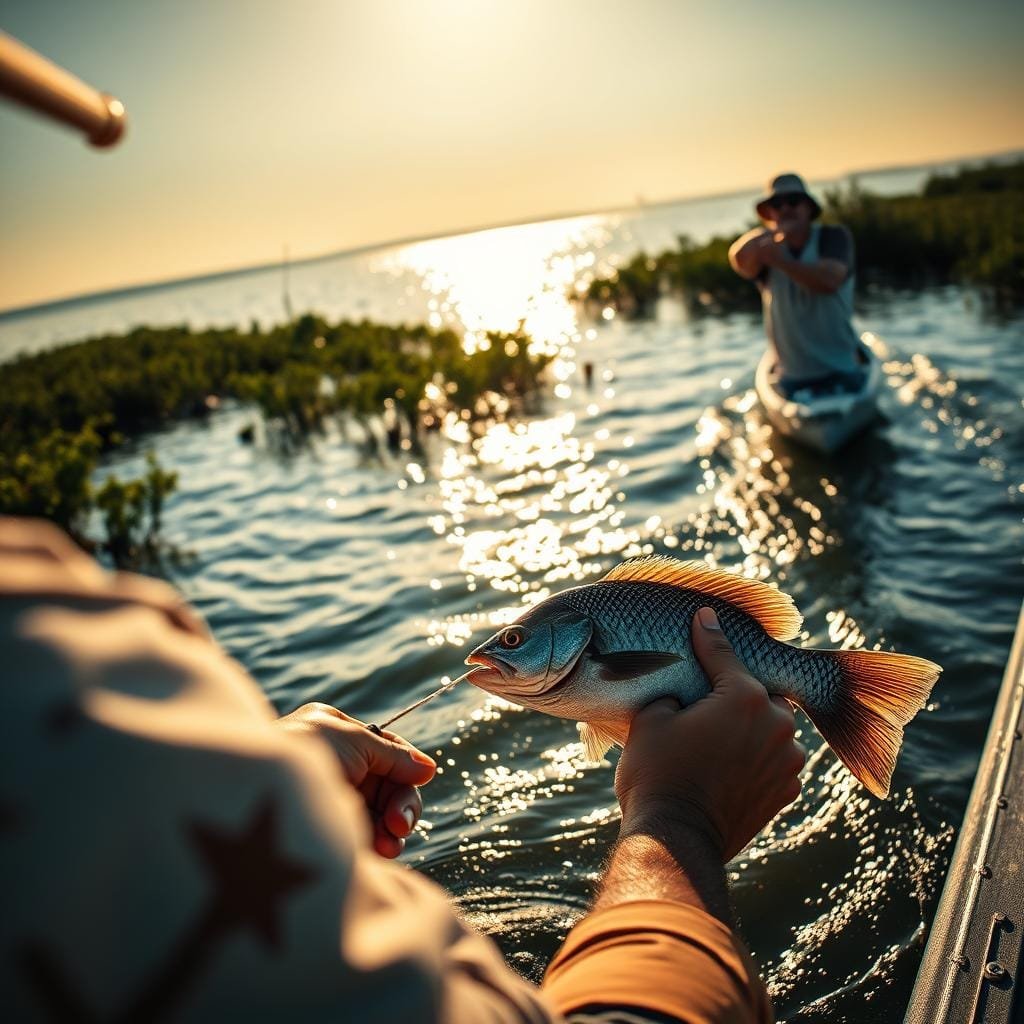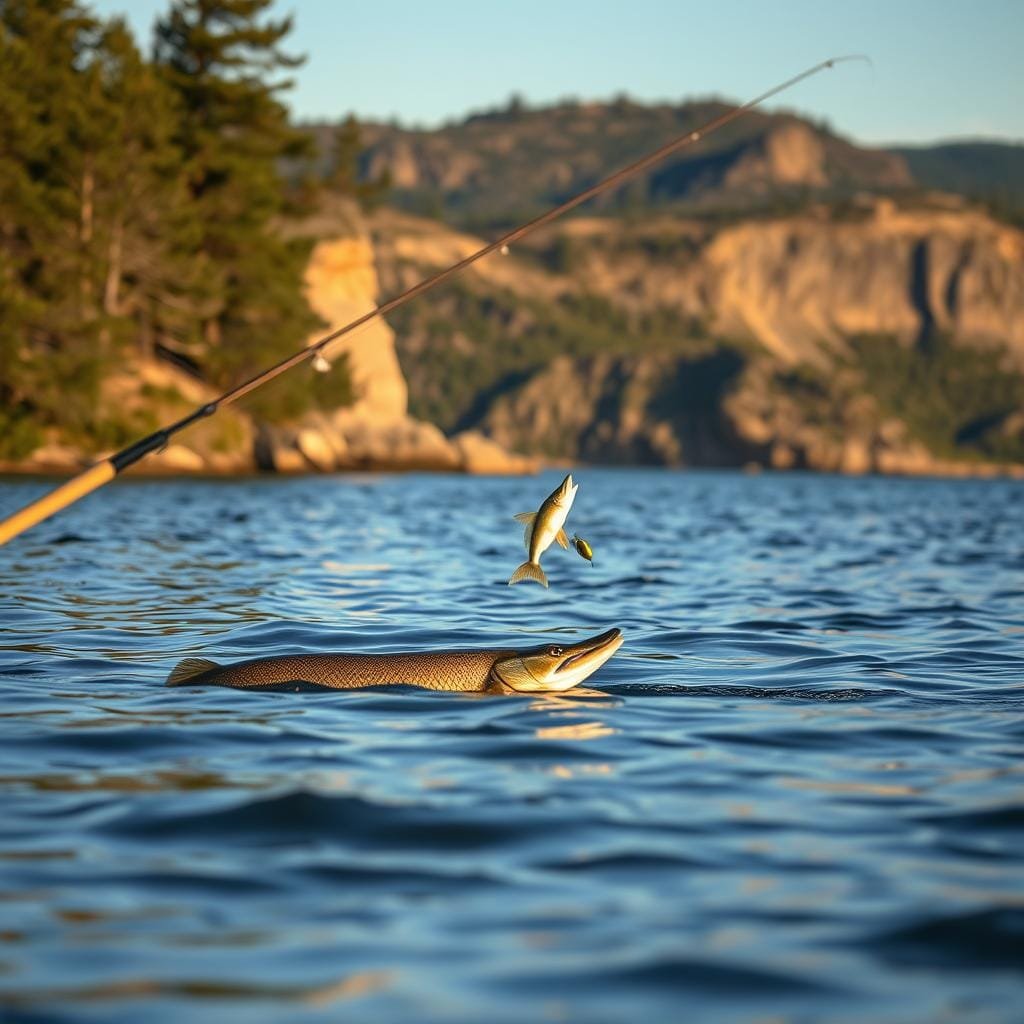
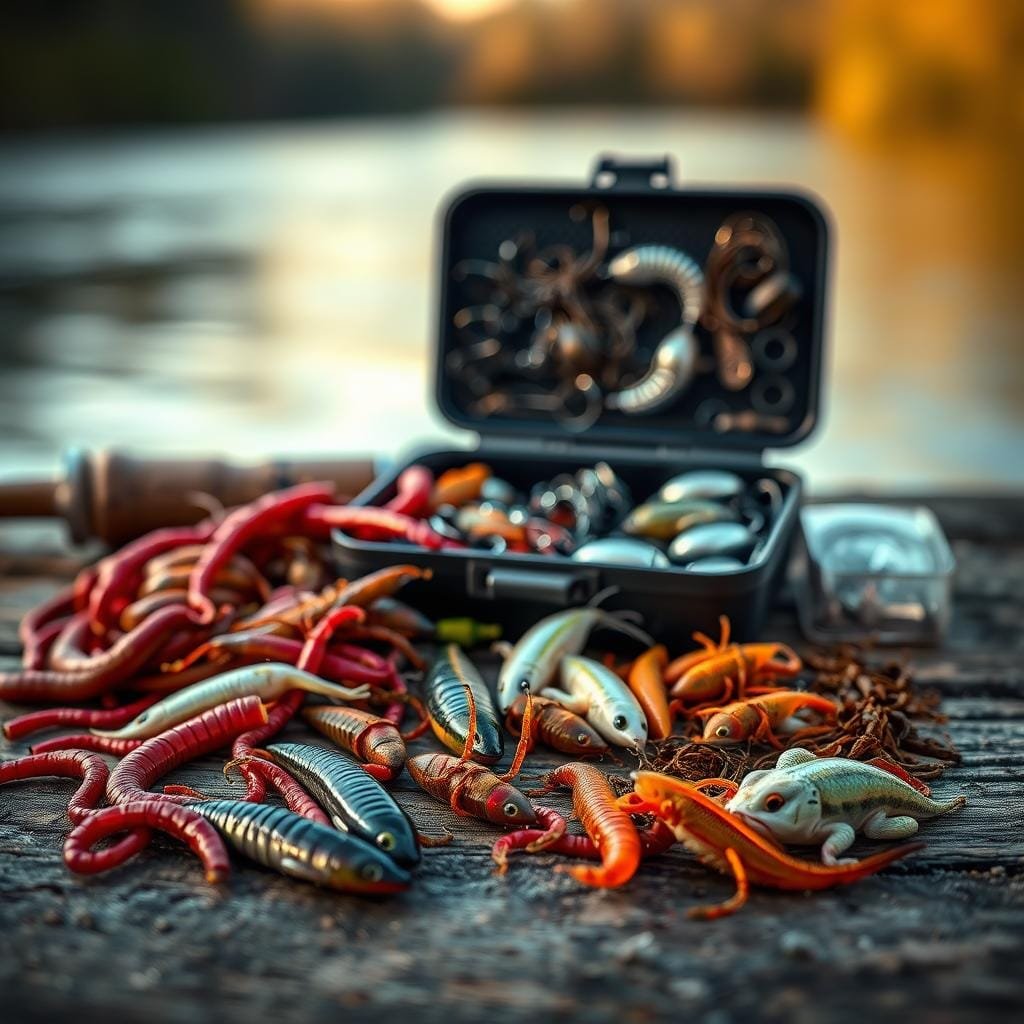
Want to catch chunky warmouth fast across the United States? This guide shows the best bait for warmouth and when fish bite. We mix bass tips from New England’s fall and Lake Guntersville’s rules for panfish. You’ll get warmouth tips US for ponds, rivers, and backwater sloughs.
When cool nights meet sunny afternoons, warmouth feed higher in the water. That’s when you switch baits: live for picky fish, artificial for active ones. We’ll talk about top warmouth lures, how to use them, and where to find them.
This series starts with quick picks and then dives into current seams and ambush spots. We’ll cover wake baits, crank-downs, and lipless cranks. You’ll learn how to time and angle your casts for the best bites.
Ready to catch more right now? Stick with us for smart choices, clean rigs, and tactical retrieves. The next sections will break down behavior, location, and gear. You’ll be confident in your choice of top warmouth lures or live bait.
Warmouth Behavior 101: Seasonal Feeding Patterns That Drive Bites
When water gets cooler, warmouth fish change how they eat fast. They start eating more in the fall when nights get chilly and days are sunny. On these days, they swim up to eat, chase bait, and hide in edges.
They become more active and hungry when they see food worth eating.
Why fall “feed-up” windows trigger bigger, bolder strikes
Feeding times get shorter with the first warm spell after a cold spell. In the fall, they eat bigger prey like minnows and crayfish. Show them a bigger bait near wood or grass to get their attention.
How cooling nights and sunny days affect shallow vs. deep positioning
Cool nights make fish move to deeper water quickly. By late morning, they move up to hunt. Then, they go back to the 5–12 ft edge when it gets windy or cloudy.
Start by fishing in the shallower water first. Then, check the deeper water as the weather changes.
Baitfish movement and warmouth ambush behavior near cover
As weeds disappear, fish gather in certain spots. They like the mouths of cuts and along grass lanes. Use the current to your advantage by fishing in the right spot.
| Condition | Likely Position | Key Trigger | Best Zone | Why It Works |
|---|---|---|---|---|
| Cool night, bluebird morning | Rise mid-column by late morning | Slightly larger bait profile | Remaining grass edges | Sun warms upper water; warmouth fall feed boosts confidence |
| Light wind, sunny midday | Shallow shade tight to cover | Steady retrieve with brief pauses | Docks, laydowns, stump rows | Autumn warmouth patterns favor ambush in narrow lanes |
| Post-front, cooler afternoon | 5–12 ft transition edge | Bottom contact and slow swim | Break-lines near creek channels | Warmouth seasonal behavior shifts deeper but close to feed zones |
| Subtle current along cover | Down-current side of structure | Hold in seam; drift to target | Inside grass cuts, hump shoulders | Flow concentrates bait and prompts aggressive strikes warmouth |
Where Warmouth Hang Out: Cover, Break-lines, and Current Clues

Find warmouth by mixing hard spots with living cover. Grass is a plus, but focus on humps, creek channels, and shallow sloughs near plants. This combo makes fishing for warmouth easy and fun.
Reading grass lines, stumps, docks, and shallow sloughs
Look for grass lines, stumps, and docks near deep water. Stumps near hydrilla or milfoil are like gates. A jig or small spinner slid past often gets hit.
Docks near creek mouths and shallow sloughs offer shade and bugs. They become steady feeding spots.
On big lakes like Lake Guntersville, mix grass with permanent spots. Points with wood or rock near weeds are great. Make quiet casts and pause baits in shaded spots.
Using 4–8 ft break-lines to find predictable strike zones
Focus on the first drop from flats for break-line fishing. Park the boat in 7–8 ft and cast into 0–4 ft. Work baits down the lip edge.
Check every turn in the contour. Small rises, cuts, or roadbed crossings can stack fish. Mark every bite and build a pattern down the lake.
Current breaks: downriver sides of humps and inside grass cuts
Current seams fishing is key when water moves. Target the downriver side of humps and soft eddies along ledges. Also, hit the inside corners of grass cuts where the push fades.
During slack water, fish protected sloughs and quiet creek bends. The flow slows, bait stays longer, and edges become subtle. Keep your approach light and stick to the same spots.
best bait for warmouth
Finding the right bait for warmouth means knowing their mood and the water. In tight spots, they look for real smells and small movements. On open water, they go after small food and quick movements. Always have both types ready to switch fast.
Live vs. artificial: when to pick minnows, crickets, or soft plastics
In grassy holes and near docks, use live bait like minnows or crickets. These small baits look natural and attract fish. They work well when fish are shy.
When fish start moving in open water, use smaller artificial lures. Tiny paddletails or small cranks look like baitfish. This is great when the sun is out and the wind is light.
Color cues from bream and baitfish imitators (greens, pumpkin, fire-tiger)
Choose colors that match local fish and baitfish. In clear water, use green and fire-tiger on small lures. On cloudy edges, use smaller fire-tiger or bream colors for a subtle look.
On very sunny days, try chartreuse or orange on tiny lures. For windy spots, use natural chrome for extra flash.
Size matters: downsizing profiles for pressured water
When fish are stressed, use smaller lures. Cut plastics to 1.5 inches and use lighter jig heads. A small minnow or cricket under a float works well.
If fish are cautious but moving, use a smaller lure at the same depth. Move slowly. The smallest, most natural bait is often the best choice.
Top Live Bait Picks: Minnows, Crickets, and Worms That Produce
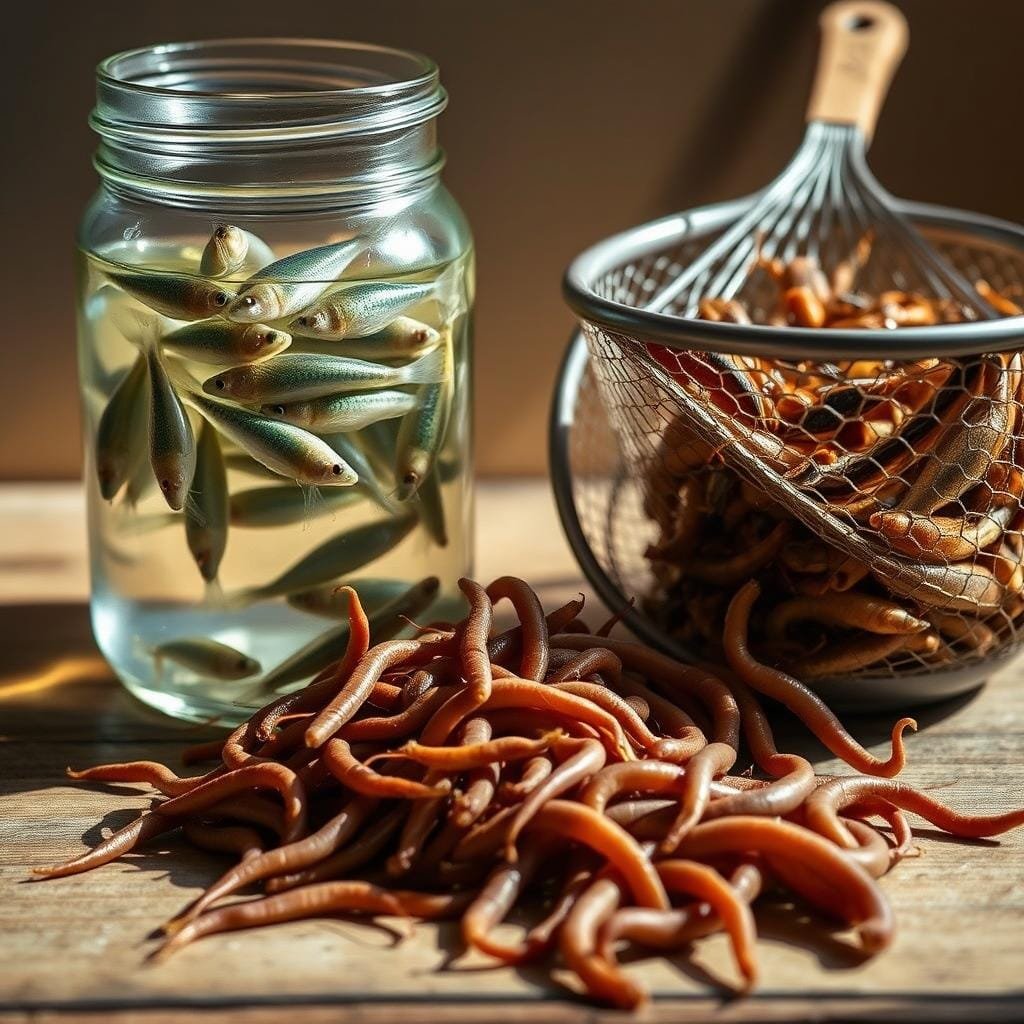
Match your live bait to how fish hide in cover. Keep your bait simple and natural. Use spots like current seams and grass cuts to guide your bait.
Rigging small shiners tight to cover without spooking fish
Pin small shiners on a No. 6–8 hook just ahead of the dorsal. This lets them kick but stay alive. Drop them tight to stumps and under dock shade.
Feather your line and let the bait settle. Avoid splashing too much to scare fish. For snaggy spots, add a small split shot up the line.
Slip-float depth control along edges of submerged grass
Use a slip float to pin baits at exact depths. Set the stop for your minnow to hover at the top of the break-line. This keeps it visible and snag-free.
Ease the rig along edges with short pulls, then pause. This natural drift turns followers into biters.
When to dead-stick vs. slow-swim live offerings
After a cold front, dead-stick a minnow along the first edge. Let it sit with slight line tighten-ups. In narrow turns, slow-swim the bait to trigger bites.
Crickets and worms work well in quiet spots or early spring. Thread a redworm or hook a cricket through the collar. Let it hover and quiver to seal the deal.
- Best targets: stump clusters, dock corners, inside grass cuts
- Go-to baits: small shiners for warmouth, crickets for warmouth, nightcrawlers
- Key control: slip float warmouth rigs for precise depth and clean drifts
- Core tactic: keep the live bait presentation tight to cover and moving just enough
Hardbait Winners for Aggressive Fall Feeds
Warm, sunny days make fish active. They hide near grass edges. Cast close to lily pads and brush.
Wake and shallow cranks over vegetation during sunny, light-wind days
Wake baits work well in sunny spots. Move along the edge and then cross open areas. If fish are scared, try shallow crankbaits.
Use small Rapala, Rebel, and Bandit shapes. Pull the bait slowly with short pauses. Try to hit the stems, not push through them.
Lipless cranks along 4–8 ft drops for roaming schools
Use lipless crankbaits near breaks where grass meets sand. Cast parallel and count down. Then, rip the bait up to free it from strands.
Follow the break, even if it’s deep. The bait doesn’t need to hit the bottom. Change colors to match bluegill and young shad.
Natural retrieves: fishing baits into or across current to mimic prey
For current fishing, stand downriver of humps or grass cuts. Cast upcurrent and let the bait swim into the flow. This makes it look like real food.
Add light twitches to wake baits and quick surges to shallow crankbaits. Keep your rod low and let the current help. This makes the bait more appealing to fish.
Soft Plastics That Mimic Bluegill and Baitfish
When forage is small and tight to cover, warmouth soft plastics shine. Match the hatch with natural motion, subtle thumps, and proven colors like green pumpkin watermelon to draw sharp, close-range bites. For added ideas on baitfish profiles and seasonal cues, see this brief guide on soft-plastic baitfish imitators.
Texas-rigged lizards and worms for pitching into hydrilla and milfoil
A compact Texas-rig lizard worm slips through hydrilla and milfoil with little fuss. Pitch to the shady sides of stumps, humps, and ledge edges, then let it glide and stop. Short shakes make the legs quiver like a stunned bluegill.
Use 1/16–1/8 oz tungsten, a light wire EWG, and keep casts tight. In clear water, green pumpkin watermelon is tough to beat. This setup keeps pressure low and boats steady bites when fish are wary.
Swimming ribbon tails over growing grass in late spring and fall
A finesse ribbon tail swimming worm brings thump without bulk. Slow-swim it across shallow grass flats, then pause near the first drop. The tail pulses like a small panfish, and strikes load up as it falls.
Stick to warmouth soft plastics in natural baitfish hues. A subtle ribbon tail swimming worm in watermelon or green pumpkin stays visible yet calm, ideal for sunny afternoons and light wind.
Downsized creature baits for tight ambush pockets and stump fields
When fish bury in pockets, creature baits warmouth anglers trust are the cleanest tool. Flip a compact profile into holes in the grass, under docks, and beside root balls, then dead-stick for a count before a slow lift.
Downsize claws and appendages to avoid spooking fish in skinny water. Keep colors simple—green pumpkin watermelon for clear water, or add a hint of bream-style flake when the stain creeps in.
- Rig: Texas-rig lizard worm with light tungsten for quiet entries.
- Swim: Ribbon tail swimming worm steady, then pause on the edge.
- Flip: Creature baits warmouth style into micro targets; let it soak.
Seasonal Game Plan: Spring Through Early Autumn

The plan changes with light, water, and cover. Watch for these changes and pick the right lure size. Work the 5–12 ft area on swings, then slide shallow when it gets hot.
This keeps your focus on the warmouth all season.
Early spring: super-shallow pockets, sunny north banks, stump targets
When it gets past 45°F, look for 1–4 ft water in sunny spots. Stumps and island points warm up fast. They pull fish in.
For a tight pattern, use small cranks and 2-inch plastics near wood. Then pause by shade seams.
Make short casts to targets and let the bait settle. If a front comes in, move to the 5–8 ft edge. Slow-roll the same baits. Keep your casts tight; north bank pockets fill up all day.
Post-spawn: topwater over milfoil and pitching jigs on points and humps
As fish recover, they hit small surface plugs over milfoil. Use small poppers or finesse baits from Rapala and Heddon. Pause in open holes.
When it gets sunny, pitch small jigs or worms on points and humps. Start on up-current sides, then move across. If bait scatters, touch the 8–12 ft edge and hop the jig back.
Early autumn: slop baits over mats and jerkbaits on grass edges
Cool nights make mats come to life. Skip small frogs or toads across mats and pause in thin spots. For roaming fish, follow outside lines and fan-cast a crisp jerkbait.
Keep your rhythm sharp on sunny days and softer when it’s windy. When the bite slows, slide into 5–12 ft lanes and yo-yo a subtle swimmer. Switch between mats and edges until you find the feed.
Water Column Strategy: Fish Higher When Cool, Probe Edges When Calm
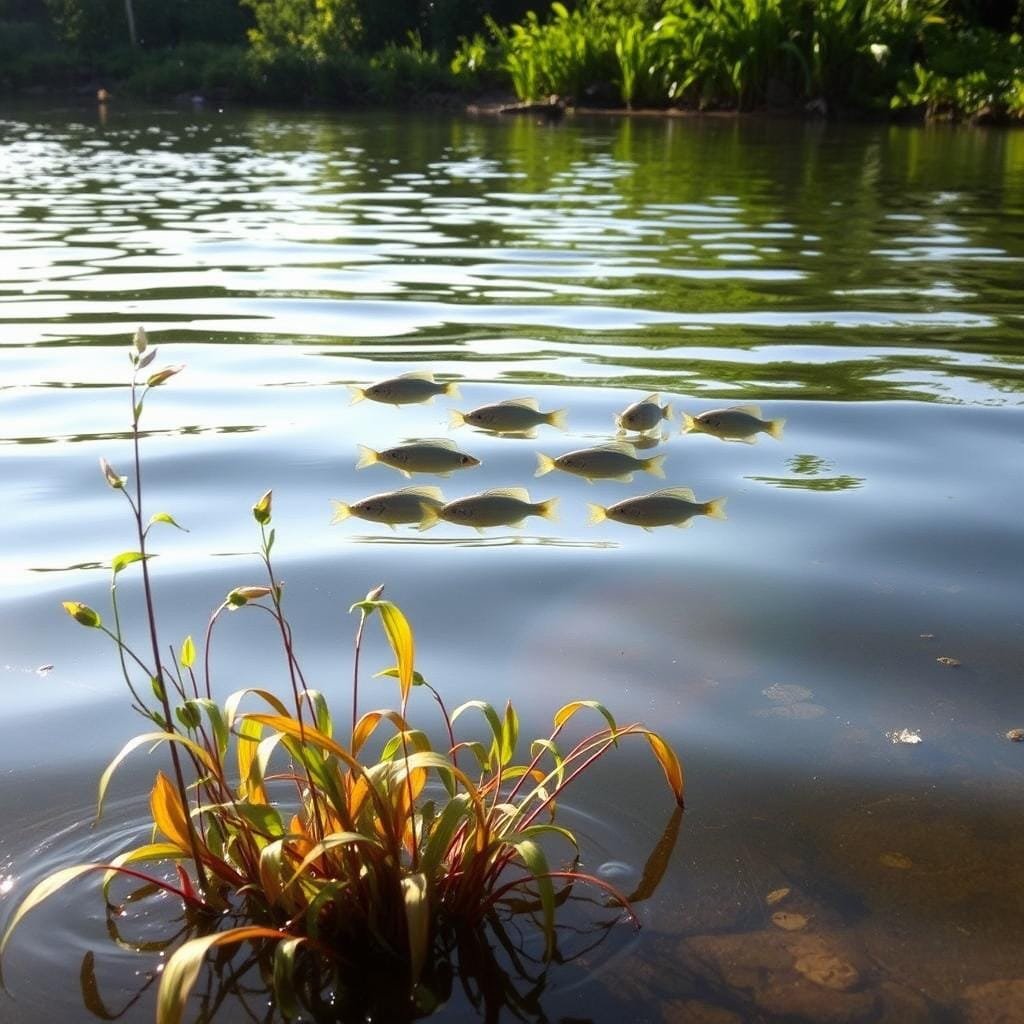
When it gets cooler and the sun is high, fish move up in the water column. Use light cranks, small wake baits, or soft plastics to catch them. You can use finesse notes from August patterns to guide your casts. This way, you can fish higher in fall without scaring the fish away.
On calm days, use tactics that keep your bait floating. Slip-floats help keep your lure a bit above the grass. A light Texas rig moves smoothly over pads, then stops. This stop often triggers bites from fish hiding just below.
When it’s calm, fish near the edges. Look for the first break where deep water meets shallow. Use a float stop to set the right depth. Then, move your line slowly along the edge to attract fish.
After storms, fish move between shallow and deep water. Start by passing over the flat, then follow the edge with a slow twitch. This method covers the whole water column and keeps you in the strike zone.
| Condition | Primary Zone | Best Tactic | Bait Style | Execution Tip |
|---|---|---|---|---|
| Cool, sunny afternoon | Upper 1–3 ft | Hover and skim | Wake bait, buoyant stickbait | Slow roll with brief pauses to spark upper column feeding |
| Calm water, light current | Top over grass/pads | Suspended drift | Slip-float with small plastic or live minnow | Set stop to tick leaf tops; micro-twitch for natural lift |
| Slack wind near structure | First break 4–8 ft | Edge crawl | Light Texas rig, compact tube | Count down, then creep along the contour for an edge bite strategy |
| Post-front, high pressure | Transition seam | Two-pass search | Shallow crank then finesse worm | Cover high first, then pin depth to the seam to catch fish higher in fall and deeper drifters |
| Bright midday over docks | Shade line, upper posts | Skip and hang | Ned tube or small creature | Skip under walkways; let it pendulum just under the surface |
Retrieve Styles That Trigger Warmouth Strikes
Dialed-in warmouth retrieves turn follows into thumps. Work methodically around grass edges, stump clusters, and short breaks. Keep casts short, adjust speed to water temp, and use tight gear ratios to control the lure.
Steady wake with periodic twitches as temps drop
Start with a steady wake and add a quick wake bait twitch every few feet. As nights cool, slow the roll and pause near isolated grass or wood. Small wake baits from Rapala, Yo-Zuri, or 6th Sense track clean over shallow cover and call fish up.
Point the rod low to keep the track tight. Let ripples fade, then pop the bait once or twice. Many bites happen right after the twitch, around shade seams.
Crank-down a wake a few inches for neutral fish
When fish follow but won’t commit, switch to a crank-down technique. Wake the plug, then crank it down a few inches to hang in the top foot. The change in angle and sound teases neutral fish without leaving the strike zone.
Models like the Z-Man Finesse Wake, Berkley Wakebull, or the ZFG Thundermouth-style wakes excel here. Short pulls and slack give a slow float-up that reads like an easy meal in colder water.
Fast lipless over 12 ft flats with bites along drop-offs
Use a compact lipless crank retrieve to burn across 12 ft flats, keeping the bait 4–6 ft down. Speed covers water; quick rod pops clear grass. Brace for drop-off strikes where the flat falls to a 4–8 ft break, inside turns, or the downriver side of humps.
Micro lipless options from Strike King, Rapala, and Savage Gear cast far and rip clean. Kill the bait for a one-count at the edge, then rip again to trigger reaction hits.
| Scenario | Primary Move | Key Cue | Lure Examples | Why It Works |
|---|---|---|---|---|
| Cooling shallows over grass | Steady wake + wake bait twitch | Ripples fade, then a pop | Rapala BX Waking Minnow; Yo-Zuri 3DR-X Wake | Noise and surface trail pull fish up without spooking |
| Neutral fish in clear water | Crank-down technique a few inches | Short pulls, slow float-up | Berkley Wakebull; ZFG Thundermouth-style wake | Shifts the target slightly deeper while staying visible |
| Wind-swept 12 ft flats | Fast lipless crank retrieve | Burn, pop, brief kill at edge | Strike King Red Eye Shad Tiny; Rapala Rippin’ Rap 05 | Speed search with reaction bites on drop-off strikes |
Keep casts tight to cover, map the first few feet of depth with your retrieve, and let your rod angle control height. Small changes turn follows into bites, and the right cadence keeps the lure in front of fish longer.
Gear Tips: Rods, Line, and Terminal Tackle
A good warmouth rod and reel makes small lures fly straight. It keeps fish in tight spots. Use a finesse setup to land small baits softly near stumps and docks.
Choose medium-light to medium power rods for small baits. Fast-action tips help with quick hooksets. Use light reel drag to avoid losing fish near break-lines.
Medium-light to medium power for finesse presentations
Go for a 6’6”–7’ fast ML or M stick from St. Croix or Shimano. This size is great for small lures. It cushions the shock but hooks fish well.
- Spinning is best for finesse warmouth fishing with tiny baits.
- Use 8–10 lb braid for better casting and feeling bites.
- Keep your rod and reel balanced to cast accurately.
Fluorocarbon leaders for clear water and pressured fish
A fluorocarbon leader adds stealth and strength. Use 6–8 lb fluoro for edges and grass lines. It’s invisible and resists damage.
- Shorten to 18–24 inches in stained water; extend to 3 feet in clear lakes.
- Fluoro helps small baits track clean around dock posts.
- Check and retie after each fish pulled from hydrilla or laydowns.
Small strong hooks for live bait; EWG for plastics in grass
Use small hooks for live bait to hold tight. Size 6–8 octopus or Aberdeen hooks from Owner or Mustad work well.
- For weeds, an EWG hook grass rig keeps plastics moving through hydrilla and milfoil.
- Compact craws and grub trailers in green pumpkin or fire-tiger colors are effective.
- Use downsized wake, crank, or lipless baits in baby-bass hues to match forage.
Match these choices with subtle retrieves. Fish high in the column when it’s cold, then crank down a bit for neutral fish. This setup lets a finesse warmouth setup shine, while the fluorocarbon leader and EWG hook rig handle the tough stuff.
Pro Shopping Tip: Try, Test, and Return If Needed
Find the perfect tackle without guessing. Use Tackle Warehouse’s return policy to test baits in real life. Try wake baits over grass and lipless cranks in drops. Also, test soft plastics near stumps.
Keep what works and return what doesn’t. This way, you can shop with confidence. And you won’t spend too much money.
Here’s the quick summary: You can return items in new condition within 365 days. This is from the date you got your invoice. You’ll get store credit for the full price. But, you can’t get your shipping costs back.
Used items or things that can’t be restocked might get store credit. But this is up to Tackle Warehouse. If you return too many things in a year, you might not be able to return anything else.
Plan your purchases wisely. Order a few items to test. Try different wake baits, lipless cranks, and soft plastics. Look for where warmouth bass like to hang out.
Return items that don’t work for you. Then, focus on what does. For help or to exchange items, call 1.800.300.4916 or email info@tacklewarehouse.com.
This method keeps your tackle collection small but effective. The return policy helps you refine your gear. You can change up your tackle as the water changes. This way, you’re always ready for whatever comes next.
FAQ
What are the best baits for warmouth right now?
Small shiners, crickets, and worms are great in tight spots. For artificial baits, try micro wake baits, shallow cranks, and lipless cranks in bream, baby-bass, or fire-tiger colors. Downsized Texas-rigged worms, finesse lizards, and compact creature baits in green pumpkin or watermelon crush are good along grass edges, stumps, docks, and 4–8 ft break-lines.
Why do fall “feed-up” windows trigger bigger, bolder strikes?
Cooler nights and sunny afternoons warm the water. This makes baitfish move up, so warmouth feed more. Present slightly larger profiles near cover during these windows for harder eats on wakes, crank-downs, and micro lipless baits.
How do cooling nights and sunny days change where warmouth hold?
On calm, sunny days, fish ride higher over grass, pads, and shallow wood. After fronts or cold snaps, they slide to nearby 4–8 ft edges for quick access to depth. Think shallow shade when it’s warm and bright, then pivot to break-lines and first drops when pressure rises.
How does baitfish movement shape warmouth ambush behavior?
Shiners and small bluegill travel the edges—grass lines, points, humps, docks, and slough mouths. Warmouth pin them against hard structure and current breaks, specially the downriver sides of humps and inside grass cuts. Work along those lanes and you’ll hit predictable strike zones.
How do I read grass lines, stumps, docks, and shallow sloughs for bites?
Target remaining green grass first—it concentrates fish as vegetation dies back. Pitch to stump roots, dock shade, and pockets in milfoil or hydrilla. In slack water, move into protected sloughs and probe the first drop with a slip-float or light Texas rig.
Why is the 4–8 ft break-line so productive for warmouth?
It’s the “magic” edge where roaming fish stage between flats and depth. Position your boat in 7–8 ft, cast onto 0–4 ft flats, and work baits down the first drop. Strikes stack on inside turns, points, and humps—specially with a little current.
How do current breaks boost my catch rate?
Current funnels food. Warmouth set up on the downriver side of humps, just inside grass cuts, or beside stumps and dock pilings. Retrieve into or across the flow so your bait tracks like real prey. Even moderate current can trigger reaction bites.
Live vs. artificial—when should I pick minnows, crickets, or plastics?
Use live bait when fish are tucked tight to cover or neutral—shiners and crickets shine in grass holes, under docks, and around stump roots. Switch to artificials when they roam and feed higher during sunny, light-wind periods. Micro wakes, crank-downs, and lipless are prime then.
What colors work best in clear vs. stained water?
In clear water, go natural: green pumpkin, watermelon, baby-bass, and bream hues. In stained water, add contrast with fire-tiger, chartreuse/black back, and gold or copper blades on small spinnerbaits. Match local forage and light conditions.
How small should I go on pressured lakes and ponds?
Downsize profiles and weights. Think 1–2 inch plastics, micro lipless, and feather-light jigheads. Lighter line and a slower fall get more bites along edges and grass pockets when fish are wary or after a cold front.
How do I rig small shiners tight to cover without spooking fish?
Use a small, strong hook—size 6–8—with a light-wire build. Nose-hook or lightly lip-hook the shiner and present quietly to the target. Keep casts short, approach from down-current, and let the bait hover beside the cover instead of plopping on top of it.
What’s the best way to set slip-float depth along submerged grass?
Set your stop so the bait rides just above the grass canopy or near the top of the 4–8 ft break-line. Adjust in six-inch increments until you tick the tops occasionally without snagging. That keeps you in the strike window on humps and points.
When should I dead-stick live bait versus slow-swim it?
Dead-stick after fronts and during cold snaps when fish hug edges. Slow-swim during gentle current or warming afternoons, specially across inside turns and downriver sides of humps where the flow softens.
How do I fish wake and shallow crankbaits over vegetation?
Run a steady wake over pads and grass on sunny, light-wind days, then add twitches as water cools. If fish get picky, crank that wake down a few inches and slow-roll it. Keep casts tight to lanes and edges.
Why are lipless cranks so good along 4–8 ft drops?
They cover water and trigger along transitions. Burn them across flats, then pause or yo-yo near the first drop, inside turns, and the downriver side of humps. Micro lipless models nail roaming fish without overpowering them.
Should I retrieve with or against the current?
Cast across or slightly upcurrent and retrieve into the flow. It looks natural because baitfish often face upstream. Your lure tracks cleaner and holds in the strike zone longer along ledges, grass cuts, and stump lines.
How do I fish Texas-rigged lizards and worms in hydrilla and milfoil?
Go finesse. Use a light bullet weight, EWG hook, and pitch into holes, edges, and points on humps and ledges. Shake, pause, and let it glide. Color up with watermelon or green pumpkin in clear water.
When do ribbon tail worms shine for warmouth?
Late spring through early fall. Swim a downsized ribbon tail over growing grass and along the first drop. Keep the tail thumping but the retrieve smooth, specially on calm, sunny afternoons.
What makes downsized creature baits so effective?
Compact profiles slide into tight ambush spots where warmouth live—stump roots, dock shade, grass holes. They mimic small bluegill and crayfish, and they excel when fish are guarding lanes along the edge.
What’s the spring-to-early autumn game plan?
Early spring, hit sunny north-bank pockets and shallow stumps with micro cranks and small plastics. Post-spawn, throw topwater over milfoil and pitch small jigs on points and humps. Early autumn, fish slop baits over mats and small jerkbaits on grass edges.
How should I adjust between fishing high in the column and probing edges?
On calm, sunny days, keep baits high—wakes, shallow cranks, and hover rigs. When wind or current slackens, slide to the first drop and work edges with slip-floats, light Texas rigs, or subtle crank-downs.
What retrieve styles trigger the most warmouth strikes?
In cooling water, a steady wake with occasional twitches is clutch. For neutral fish, crank a wake down a few inches and slow-roll it. Over deeper flats, rip a fast micro lipless and expect bites as you hit the drop-off.
What rod power and line setup works best?
Medium-light to medium power with a fast tip handles live bait and micro hardbaits. Pair braid mainline with a fluorocarbon leader for stealth and abrasion resistance around docks, stumps, and grass.
Which hooks should I use for live bait and plastics?
For shiners and crickets, pick small, strong hooks that pin without weighing the bait down. For plastics in grass, use EWG-style hooks to stay weedless while pitching into hydrilla and milfoil.
Can I test different warmouth baits risk-free?
Yes. Tackle Warehouse offers returns in new, store-bought condition within 365 days for exchange, refund, or store credit. Original shipping isn’t refundable. Used items aren’t eligible, and excessive returns may limit refunds. Contact 1.800.300.4916 or info@tacklewarehouse.com.
What extra lures should I add for tough conditions?
Try micro jerkbaits along grass edges, small spinnerbaits with Colorado blades in stained water, Ned rigs on the first drop, and inline spinners for roamers. All play well around points, roadbeds, and creek channel bends.
Any location shortcuts when time is tight?
Start on the first productive edge: 4–8 ft break-lines near points, humps with hydrilla, or docks beside a drop. Then scan the downriver sides and inside grass cuts for current breaks. If current dies, slide into protected sloughs and fish slow.